Granite, Pine Forests and Encruzado: Four Dão Estates Between Viseu and Nelas
AT A GLANCE
Key Grapes & Style: Encruzado for structured, mineral-driven whites with real depth, alongside native reds like Touriga Nacional, Jaen, and Alfrocheiro shaped by granite soils, altitude, pine forests, and a protective ring of mountains.
Ideal Visiting Months: May to June or September to October for mild plateau temperatures, clear mountain views around Viseu and Nelas, and relaxed estate visits outside the peak summer heat.
Must-Try Pairing: Textured Encruzado paired with roasted mountain kid (Cabrito) or creamy Queijo da Serra, or a perfumed Dão red with slow-cooked game or hearty regional roasts.
Ask a Portuguese wine writer which region deserves more attention abroad, and a good share of them will say the Dão. It has no famous river, no photogenic terraces and no fortified wine to give it a global reputation. What it has is quieter and, for the right drinker, more rewarding: granite soils, altitude, pine forests and a ring of mountains, and a set of native grapes that produce reds of perfume and tension and whites with real depth.
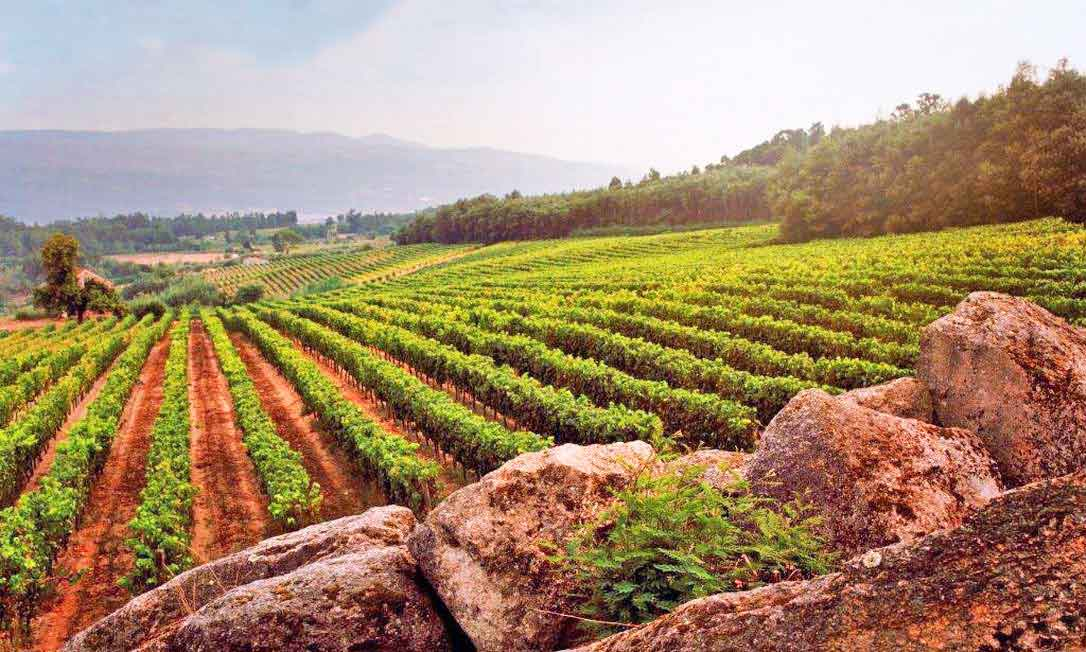
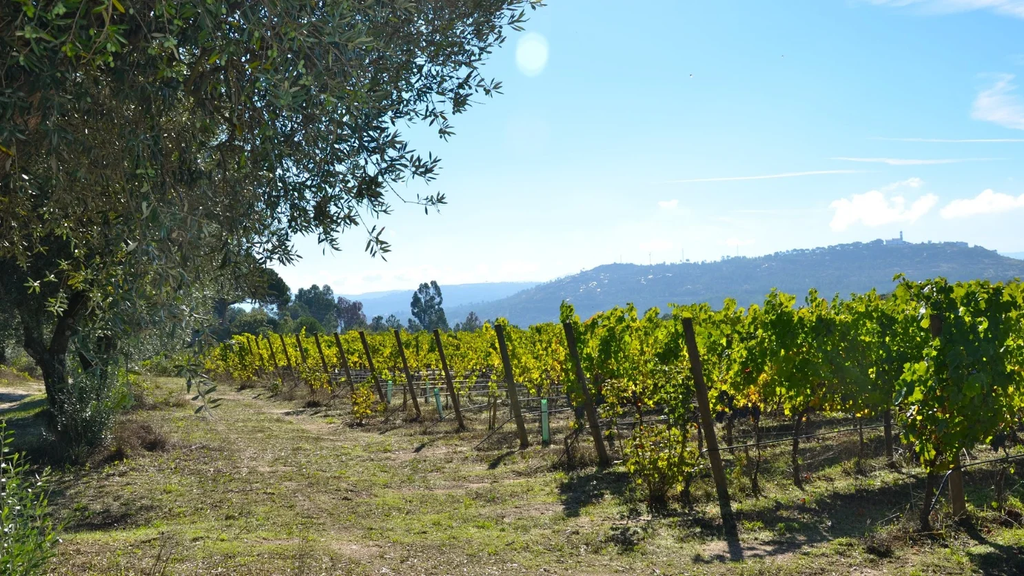
The Dão sits in the centre of northern Portugal, south of the Douro and inland from the Atlantic coast. Vineyards appear in clearings between pine and oak woods, on gentle slopes and plateaus, and the villages are made of grey granite, with manor houses that have been in the same families for centuries. Visiting feels less like a wine trip and more like a drive through the countryside that happens to include some very good tastings.
This guide is written for readers who already know their way around a wine map. It covers the geography and soils, the seven sub-regions, how the region’s history shaped its wines, the grapes worth understanding, and how the denomination is classified. It then profiles four estates we would build a trip around: Quinta dos Roques, Casa de Santar, Quinta do Perdigão and Quinta da Falorca. Visit details were taken from the 2026 wine tourism guide published by the Viseu Dão Lafões tourism body and cross-checked against Wines of Portugal listings.
Geography and Terroir of the Dão
The Dão is a high, inland plateau, ringed by mountains that shape almost everything about its climate. The Serra da Estrela rises to the east, the Montemuro range to the north, the Caramulo hills and the Buçaco forest to the west. The Dão and Mondego rivers run through the region, and the vineyards sit mostly between about 400 and 700 metres above sea level. A technical note from Quinta dos Carvalhais, the Sogrape estate near Mangualde, describes vineyards at altitudes between 400 and 700 metres on soils with a high proportion of schist and granite.
Climate
The mountains block much of the Atlantic rain from the west and the heat of the interior plains from the east. The result is a climate that sits between maritime and continental. Summers are warm and dry, winters are cold, and the difference between day and night during the ripening season is significant. That temperature swing preserves acidity and aromatic freshness in the grapes, which is why Dão reds are often compared to the elegant reds of cooler European regions rather than to the heavier wines of the Alentejo.
Granite Soils
Granite is the defining feature. The soils are sandy, acidic, low in nutrients and very free-draining, and they sit over decomposed granite bedrock. Vines struggle here, which keeps yields modest and the fruit concentrated. In the glass, granite tends to give wines a firm, fine-grained tannin structure, a mineral and sometimes salty edge in the whites, and a freshness that persists as the wine ages. Schist is mixed in with the granite in places, as the Quinta dos Carvalhais notes show, and careful producers pay attention to the differences when deciding which grapes to plant where.
Forest and Mixed Farming
Look at an aerial photograph of the Dão and the vineyards appear as small patches among forest. Pine and oak woods, chestnut groves, orchards and small farms fill most of the space between them. Many estates are small, family-run and mixed in their agriculture, and the region has fewer large industrial vineyards than the Douro or the Alentejo. Quinta da Boiça, one of the properties listed in the regional wine tourism guide, is a good example: eleven hectares of land, only six of them under vine.
The Seven Sub-Regions of the Dão
The Dão DOC is divided into seven sub-regions: Alva, Besteiros, Castendo, Serra da Estrela, Silgueiros, Terras de Azurara and Terras de Senhorim. They are rarely on the front label, but they explain some of the stylistic variation within the region.
Terras de Senhorim
In the south-west, around Nelas and Mangualde, this is the best-known sub-region and the traditional heart of the Dão. Quinta dos Carvalhais sits here, and the area around Santar and Nelas is home to a cluster of historic estates. Altitude is moderate, the granite soils are deep, and the wines tend toward structure and ageing potential.
Silgueiros
North of Viseu, Silgueiros is where several quality-focused family estates, including Quinta do Perdigão and Quinta da Falorca, are based. It is a good place to compare small producers working in the same village.
Serra da Estrela and Alva
Serra da Estrela, as the name suggests, lies in the foothills of the mountains, where higher elevation and cold nights favour fresher, more acid-driven styles. Alva follows the river of the same name. Both are worth knowing for readers interested in altitude-led wines.
Castendo, Besteiros and Terras de Azurara
These sub-regions fill out the map. They appear less often on labels than Terras de Senhorim or Silgueiros, but they are part of the denomination and worth noticing when they do appear.
A Short History of the Dão
The Dão was demarcated in the early twentieth century, making it one of the older legally defined regions in Portugal. For most of that history, it was known for reds that were tough, tannic and slow to open, made in granite lagares and aged in old chestnut and oak vats. These were wines for the Portuguese market, often sold in bulk and kept for years before they softened.
Cooperatives dominated much of the twentieth century. Most growers delivered their grapes to local cellars, and the wine was blended and sold under regional labels. That system offered stability, but little incentive to improve quality, and the best vineyards were treated the same as the worst.
The change came in the 1980s and 1990s, after Portugal joined the European Union. Investment arrived, a new generation of producers began to bottle wines under their own labels, and large groups started buying historic properties. Sogrape bought Quinta dos Carvalhais in 1988 and restored its vineyards, according to the producer’s own technical notes. Family estates such as Quinta da Falorca began, in the late 1990s, to bottle and sell their own brands instead of selling grapes in bulk. Quinta dos Roques became known for pioneering single-variety wines in the region, a step that helped put grapes such as Encruzado and Touriga Nacional on the international map.
Casa de Santar represents the older end of that story. According to a regional wine tourism profile, vines at the property are documented as far back as the sixteenth century; the manor house was built in the seventeenth, and the cellars with their granite lagares are still in use. A regional tourism feature describes Casa de Santar as having produced wine for more than four hundred and fifty years. The estate now operates under the 19|90 Premium Wines name, and the historic Paço dos Cunhas in the village of Santar is its visitor base.
The result is a region in which very old and very new coexist. A single village can contain a seventeenth-century manor, a cooperative, and a boutique project producing wines from rare local varieties.
Grape Varieties of the Dão
Dão wines are built around native varieties, and the best-known ones are unlike anything grown in Spain or France.
Red Varieties
- Touriga Nacional: The region’s flagship red and widely considered to give some of its finest expressions here. In the Dão, it tends to be more floral and finer-boned than in the Douro, with violet, red fruit and a firm, elegant tannin structure. Regional rules require a minimum share of it in red blends, and single-variety bottlings are made by many producers.
- Tinta Roriz: The local name for Tempranillo. It contributes red fruit, spice, and body.
- Alfrocheiro: A fragrant, lighter-coloured grape with red cherry and wild strawberry notes and good acidity. It is one of the Dão’s quiet strengths and is increasingly bottled alone.
- Jaen: Known elsewhere as Mencía. It gives aromatic, soft-textured reds with peppery notes.
- Rufete and Tinta Pinheira: Old local varieties that add lift and delicacy. Quinta da Falorca uses Rufete in some of its reds, according to retailer listings of the producer’s wines.
White Varieties
- Encruzado: The Dão’s signature white. It is a late-ripening grape that produces wines with citrus, stone fruit, and a distinctive chalky texture, and it handles oak and bottle age better than almost any other Portuguese white. Many producers consider it the region’s greatest asset.
- Malvasia Fina: Aromatic and high in acidity, often blended with Encruzado.
- Bical: A fresh, floral grape widely used in both still and sparkling wines.
- Cerceal Branco and Gouveio: Both used in blends. Quinta dos Carvalhais, for example, makes a Branco Reserva from equal parts Encruzado and Gouveio, aged eighteen months in new and used French oak, according to its technical sheet.
How the Dão Is Classified
The region operates at two main levels. The Dão DOC is the stricter tier, with rules on permitted varieties, minimum alcohol, and minimum shares of certain grapes. The broader regional indication, Terras do Dão, gives winemakers more freedom to use grapes or methods outside the DOC rules. Many serious producers use the IGP for blends that do not fit the denomination, so a regional label does not necessarily mean a simpler wine.
Reading a Dão Label
Dão or Terras do Dão. Dão signals the DOC. Terras do Dão signals the broader regional indication.
Colheita, Reserva e Garrafeira. Colheita is typically an estate’s standard vintage-dated red or white. Reserva and Garrafeira indicate more ambitious wines with longer ageing, usually in oak and bottle. Casa de Santar, for example, releases both a Colheita and a Reserva in red and white, which makes comparison easy in a tasting.
Single-variety labels. Touriga Nacional, Encruzado, Alfrocheiro and others may appear on the label by name. Producers such as Quinta dos Roques have been bottling these for decades.
Altitude and vineyard names. Some estates name individual plots. These tend to indicate a more detailed approach and are worth tasting alongside the estate’s standard range.
The Comissão Vitivinícola Regional do Dão, which operates the Solar do Vinho do Dão in Viseu, publishes producer listings and a wine route programme, and it is the best neutral starting point for planning.
Four Estates for a Dão Trip
We chose these four because they all take visitors, they are close enough to link in a short trip, and they show different sides of the region: a historic manor with a modern programme, a pioneering family export estate, and two small producers in Silgueiros. Contact details come from the official 2026 regional wine tourism guide, and prices and conditions were current at the time of publication. Always confirm before travelling.
Casa de Santar and Paço dos Cunhas, Santar
Santar is one of the most atmospheric villages in the Dão, with granite houses, manor gardens and a long wine history, and Casa de Santar is its anchor. The visit starts at the Paço dos Cunhas, a seventeenth-century building, and ends in the estate’s old cellar, where wine has been made for centuries. A regional profile notes that the cellars still have their granite lagares and that tastings include the Reserva, the single-variety Touriga Nacional and Encruzado, and the Vinha dos Amores cuvée.
The standard programme, called Santar Tradition, is a walking tour of the Paço dos Cunhas followed by a tasting of the Casa de Santar Colheita Branco and Tinto and the Reserva Branco and Tinto, served with a small Beira board of regional food. It costs 25 euros per person, with a discount for groups of four or more during certain periods. Wines of Portugal lists a wider range of services, including vineyard and winery tours, wine courses, a wine shop, a wine bar, a restaurant and cooking workshops, and notes that the estate won the Revista de Vinhos Wine Tourism award in 2008. The wider village of Santar has also been turned into a visitor destination, with gardens, manor houses and a spa hotel, and a second operator, Santar Vila Jardim, offers its own cellar visit and tasting at 35 euros with a required reservation.
Visit details
- Address: Largo do Paço 28, Santar, Nelas, Portugal
- Phone: +351 232 945 452
- Email: enoturismo.santar@1990.pt
- Price: 25 euros per person for Santar Tradition
- Booking: advance reservation required, subject to availability
- Restaurant: Paço dos Cunhas, on site
Quinta dos Roques, Cunha Baixa
Quinta dos Roques is a family estate near Mangualde and one of the most consistently admired producers in the Dão. The family describes its wine project as the continuation of a deep-rooted tradition, given a professional and quality-focused shape, and it exports about 85 percent of its production. It also experimented early with new styles in the region, including sparkling and fortified wines, and it was among the pioneers of the single-variety wines now common in the Dão.
The quality shows in the glass. The World of Fine Wine gave the 2020 Colheita Dão, a blend of Touriga Nacional, Alfrocheiro and Tempranillo, a score of 94 points. The estate’s Encruzado is a benchmark for the grape, and a visit is a good way to taste the range side by side.
The programme is a tasting of two white wines and three reds, with an explanation of the region’s native grapes and their characteristics, at 30 euros per person. Catering is available with payment and booking fifteen days ahead for groups of more than ten.
Visit details
- Address: Rua da Paz, Abrunhosa do Mato, 3530-050 Cunha Baixa, Portugal
- Phone: +351 232 614 500
- Email: info@quintaroques.pt
- Price: 30 euros per person for a tasting of two whites and three reds
- Shop: on site
Quinta do Perdigão, Silgueiros
Perdigão is a smaller, more intimate stop, and it is the one to choose if you want a tasting that teaches you how to taste. The estate sits in Pindelo de Silgueiros, near Viseu, and its visit is built around the Jean Lenoir “Le Nez du Vin” method, a structured introduction to aromas built on the scent kit created by the French oenologist Jean Lenoir. Visitors tour the vineyard and cellar, work through the aroma method and then taste three of the estate’s award-winning wines.
The visit lasts one to two hours and costs 20 euros per person, which is good value by any regional standard. Tours are offered in Portuguese, Spanish, French and English, every day including Saturdays, with Sunday visits possible by prior arrangement. Payment is taken on site by card or bank transfer.
Visit details
- Address: Rua do Santíssimo Sacramento, Pindelo de Silgueiros, 3500-543 Silgueiros, Viseu, Portugal
- Phone: +351 919 565 781
- Email: quintadoperdigao@gmail.com
- Price: 20 euros per person
- Languages: Portuguese, Spanish, French, and English
- Booking: advance scheduling needed, particularly for Sundays
Quinta da Falorca, Silgueiros
Falorca is a family property that makes a useful companion to Perdigão, since the two sit in the same village and the same sub-region. The regional guide notes that records link the estate to viticulture for more than a hundred years, and that its grapes were originally crushed in stone lagares and sold in bulk. After 1999, the next generation began bottling and selling the estate’s own brands, which is the point at which Falorca became a name in its own right.
The wines are structured, expressive reds in the traditional Dão mould, with cuvées that lean on Alfrocheiro, Rufete, Tempranillo and Touriga Nacional, according to retailer listings of its Touriga Nacional-based bottlings. The visit covers the cellar, the vineyards and a wine tasting. Prices are not published and have to be requested.
Visit details
- Address: Pindelo de Silgueiros, 3500-543 Silgueiros, Viseu, Portugal
- Phone: +351 934 824 710
- Email: qve@qve.pt
- Price: on request
- Booking: reservation mandatory
Beyond the Four
Several other estates are worth a look if you have time. Quinta dos Carvalhais, the Sogrape flagship near Mangualde, has about 50 hectares of restored vineyards and makes a well-regarded Touriga Nacional and a rich Branco Reserva, though we could not confirm a current visit programme. Palácio dos Condes de Anadia in Mangualde offers a tour of a Baroque manor, its historic gardens and barrel cellar, plus a tasting of three wines, at 30 euros per person. Caminhos Cruzados in Nelas runs a tasting menu with wine pairings at 65 euros, and Pedra Cancela, part of the Lusovini group, offers a tasting of rare local grape varieties from its Vinha da Fidalga at 50 euros for groups of four or more.
Tasting the Dão at Home
Before you travel, a short comparative tasting teaches more about the region than any article. Open a Touriga Nacional, an Alfrocheiro and a Reserva blend from the same producer and compare how the same granite soils give three different wines. Add an Encruzado, ideally with a few years of age, and notice the chalky texture that sets it apart from most Portuguese whites. A tasting of the Colheita and Reserva wines from a single estate such as Casa de Santar also shows what ageing in wood adds.
Wijnbeurs has a couple of options available for a first try:
Serve the reds slightly cool, around 16 degrees Celsius, to keep their floral lift. Encruzado benefits from less chilling than most whites, around 10 to 12 degrees, so the texture is not muted. Younger Touriga Nacional benefits from an hour of air.
Pairing Dão Wines With Food
The cooking of the Beira region is built around roast meats, cured pork, cheese, bread and chestnuts, and Dão wines were developed alongside it.
Floral reds with roast kid and veal. The elegance of a Touriga Nacional or Alfrocheiro suits cabrito assado and the veal of the Lafões area, where the meat is cooked slowly, and the fat needs a wine with freshness more than weight.
Tábua beirã. The traditional board of cured sausages, ham, and cheese is served at several of the estates above, and it is a fair test of any wine. Lighter, high-acid reds and Encruzado both work well with it.
Serra da Estrela cheese. The soft, creamy sheep’s milk cheese made in the mountains east of the region is a classic match for a mature Reserva red or a rich oaked Encruzado.
Encruzado with fish and cream dishes. Its texture and acidity suit grilled fish, salt cod and creamy sauces, and the best examples have the weight to take on poultry and mild cheeses.
Older reds with game and mushrooms. Mature Dão reds develop earthy, savoury notes that match game, wild mushrooms and slow-cooked stews.
Planning a Dão Trip
Getting There and Getting Around
The Dão is easiest to reach from Porto, roughly a ninety-minute drive on the motorway to Viseu, or from Coimbra, which is closer. Lisbon is about three hours away. You will need a car. Estates are scattered among villages and forest roads, and public transport is limited. The French-language tourism listings we consulted suggest allowing thirty to forty-five minutes of driving between the main wine hubs of Nelas, Mangualde and Santar, so plan for no more than two visits a day.
Where to Stay
Viseu is the regional capital and the most practical base, with good restaurants, the Grão Vasco Museum and the Solar do Vinho do Dão, the wine commission’s welcome centre, which offers a tasting of wines from different producers for three euros. Santar and Nelas offer a quieter, village-based alternative, with several manor-house hotels and a spa hotel in Santar. Some estates, including Quinta da Taboadella and Quinta de Reis, have accommodation on site.
When to Go
Harvest typically runs from September into early October, and it is the most atmospheric time to visit, though it is also the busiest for the people you are trying to meet. Spring brings green vineyards and mild weather. Summer is warm but rarely oppressive thanks to the altitude, and winters are cold, so check seasonal opening arrangements. Several estates require booking at least 48 hours ahead.
A Three-Day Route
- Day 1, Santar and Nelas: Visit Casa de Santar and Paço dos Cunhas in the morning, have lunch in the village, and spend the afternoon at a second Nelas-area producer.
- Day 2, Mangualde: Drive to Quinta dos Roques for a morning tasting, then visit the Palácio dos Condes de Anadia or Quinta dos Carvalhais if their programmes suit your dates.
- Day 3, Silgueiros and Viseu: Visit Quinta do Perdigão and Quinta da Falorca in the morning, then spend the afternoon in Viseu and finish at the Solar do Vinho do Dão for a comparison tasting.
Frequently Asked Questions
What is Encruzado?
It is a white grape native to the Dão, and its signature variety. It produces wines with citrus and stone fruit aromas and a distinctive chalky texture, and the best examples age very well in bottle.
How does Dão red compare with Douro red?
Dão reds are generally lighter in colour, more floral and more tensile, thanks to altitude, cooler nights and granite soils. Douro reds are usually riper, darker and more powerful.
Which sub-region should I visit first?
Terras de Senhorim, around Nelas, Santar and Mangualde, is the best starting point. It has the highest concentration of visit-ready estates and shows the region’s core style.
Do I need to book winery visits in the Dão?
Yes. Most estates require reservations, and several ask for at least 48 hours’ notice. Quinta da Falorca makes reservations mandatory, and Casa de Santar visits are by appointment.
Is the Dão good value?
It is among the better-value quality regions in Portugal. Tastings at the estates above range from about 20 to 30 euros, and the wines themselves are often priced below comparable bottles from the Douro.