The Ultimate Bologna & Modena Food Guide: Leftovers, Balsamic, and Parmigiano
Northern Italy holds a legendary reputation among travelers who prioritize historic architecture and world-class gastronomy. At the absolute center of this reputation sits the Emilia-Romagna region. While Venice and the Dolomites offer dramatic geographic features, the lowlands and rolling hills surrounding Bologna and Modena provide a deep immersion into culinary artistry and medieval preservation.
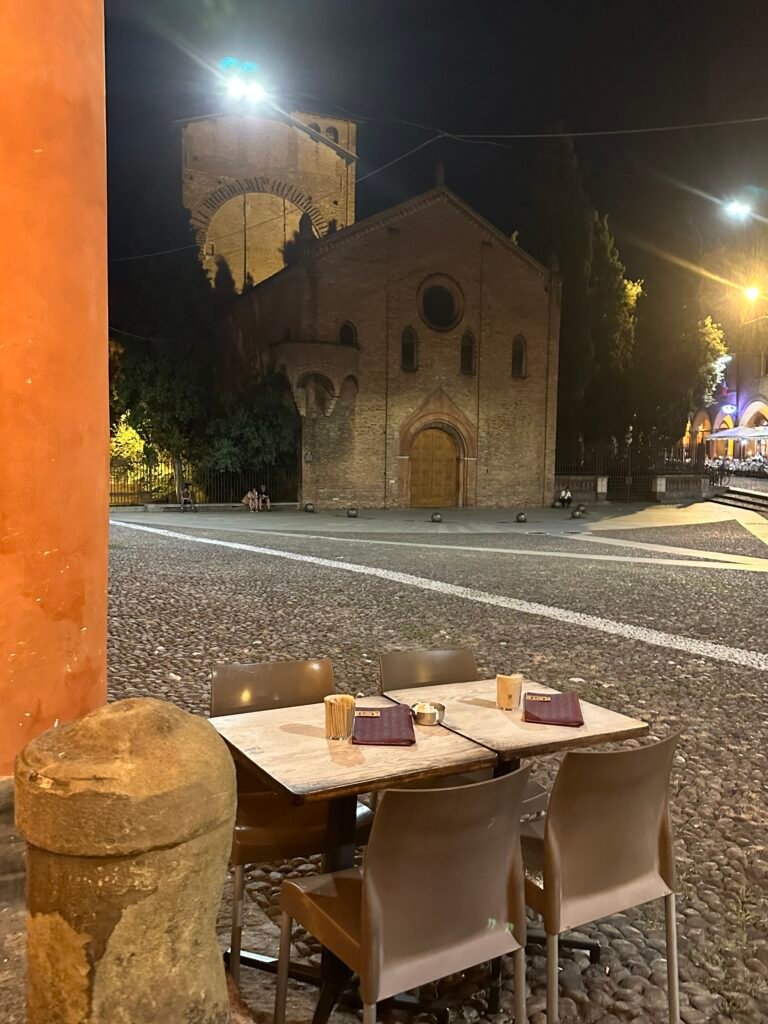
Bologna, affectionately nicknamed La Grassa (The Fat One), serves as your vibrant urban base, wrapped in miles of elegant, sheltered walkways. Just a short train ride away lies Modena, a refined, quieter gem where cobblestone piazzas give way to century-old vinegar cellars and legendary automotive design. Combining these two locations results in a harmonious four-day trip where every meal tells a historical story. Join us on a culinary journey through Bologna and Modena.
Culinary Geography: What to Eat and Where
Before stepping out onto the cobblestones, it helps to understand how these neighboring cities divide their culinary triumphs. While both share a passion for cured meats and fresh egg pasta, each maintains distinct local pride over specific recipes.
| Regional Specialty | Primary City Home | Description & Tasting Notes |
| Tortellini in Brodo | Bologna & Modena | Miniature egg pasta knots stuffed with pork loin, prosciutto, and parmigiano, served in a rich capon broth. |
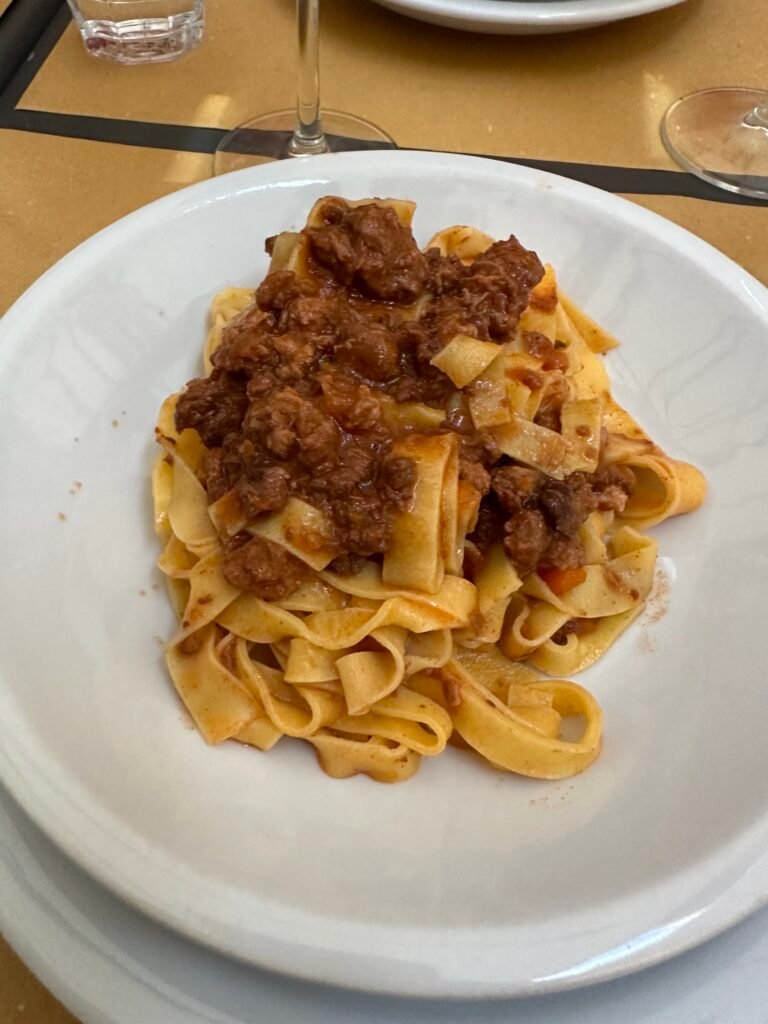
| Tagliatelle al Mattarello | Bologna | Wide, hand-rolled golden ribbons coated perfectly in a slow-simmered pork and beef ragù. |
| Aceto Balsamico Tradizionale | Modena | True artisanal vinegar aged for a minimum of 12 to 25+ years in successive wooden barrels. |
| Mortadella di Bologna | Bologna | Cured pork sausage studded with cubes of pork fat and black pepper, incredibly aromatic and delicate. |
| Gnocco Fritto / Tigelle | Modena | Puffy fried dough pockets and patterned round flatbreads served warm alongside local charcuterie. |
Day 1: Exploring Bologna’s Medieval Heart and Historic Porticoes
Morning: The Architectural Embrace of Piazza Maggiore
Your journey begins in the monumental center of Bologna: Piazza Maggiore. This sprawling square has functioned as the civic and social heartbeat of the city since the 13th century. Stand in the center to admire the dramatic facade of the Basilica di San Petronio, one of the largest brick churches in the world. The exterior remains famously unfinished, with dark brown brick dominating the upper half and intricate white and pink marble gracing the lower tiers.
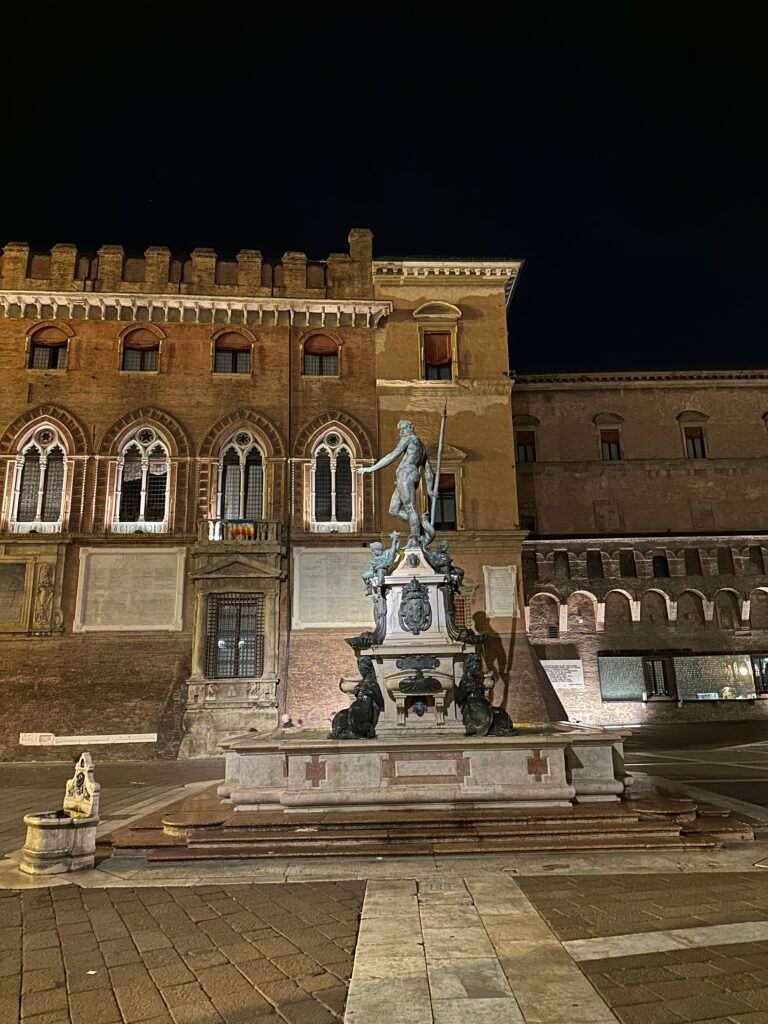
Immediately adjacent to the piazza, you will find the Fountain of Neptune, a towering bronze masterpiece designed by Giambologna. The locals refer to it affectionately as Il Gigante.
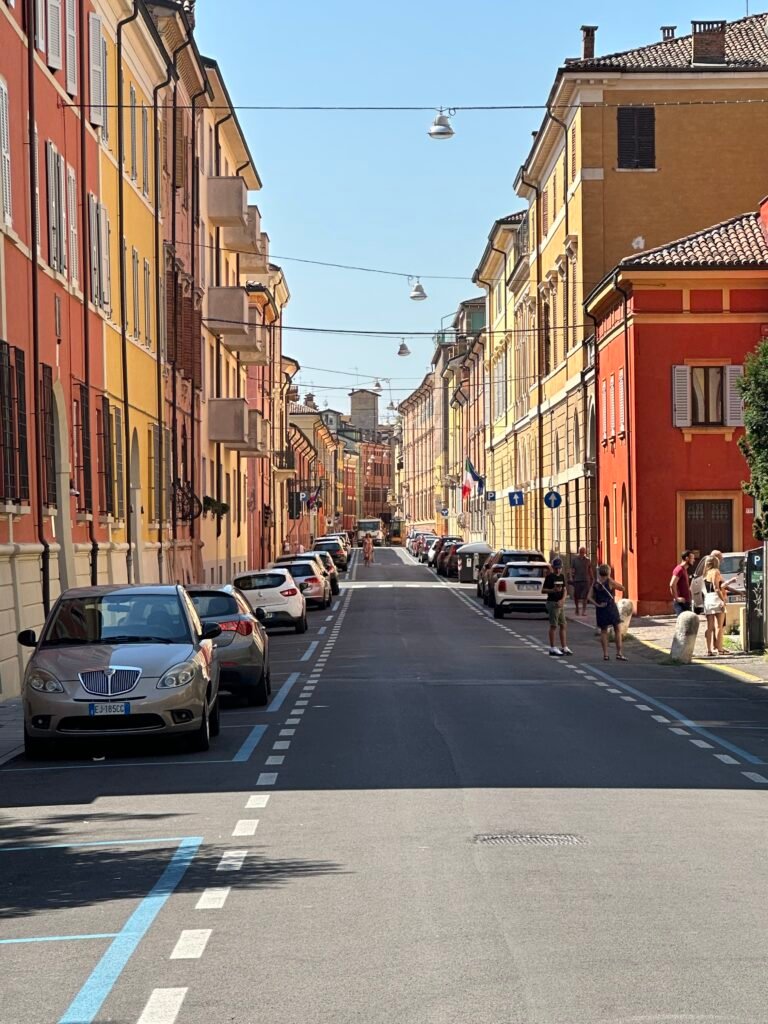
From the main square, look up to experience the UNESCO-protected porticoes. These arched walkways stretch across more than 40 miles of the city, casting beautiful geometric shadows across the stone pathways. They ensure that your exploration of the city remains pleasant, shielding you from the midday sun or any passing rain showers.
Afternoon: A Walk Through the Quadrilatero Market
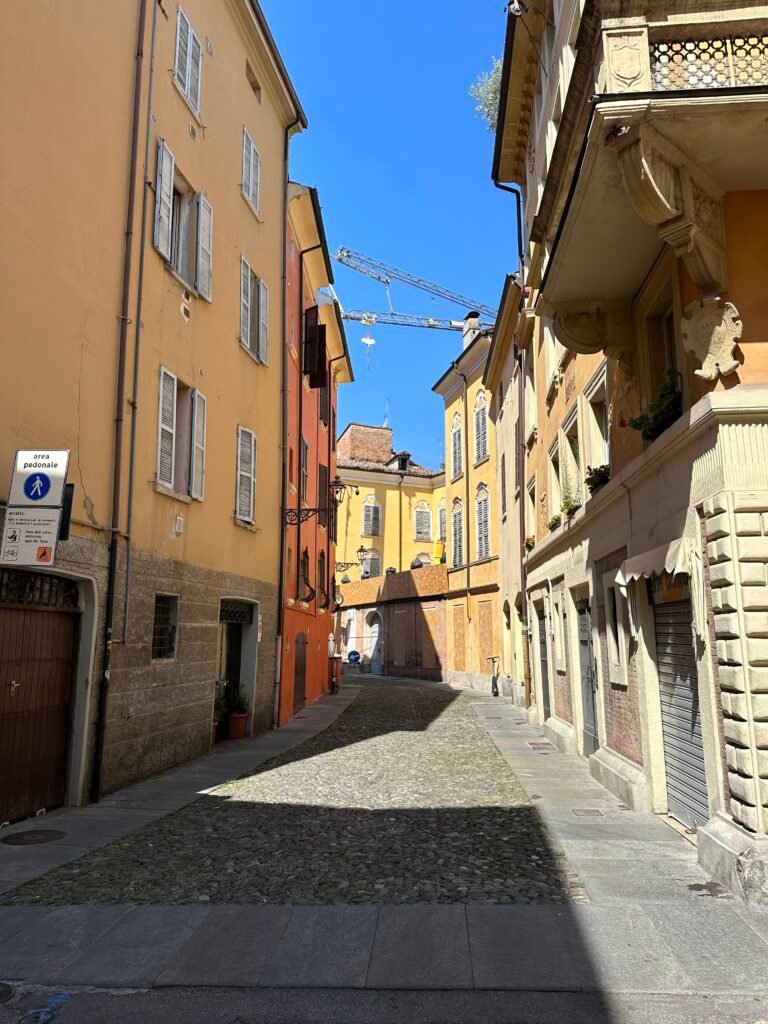
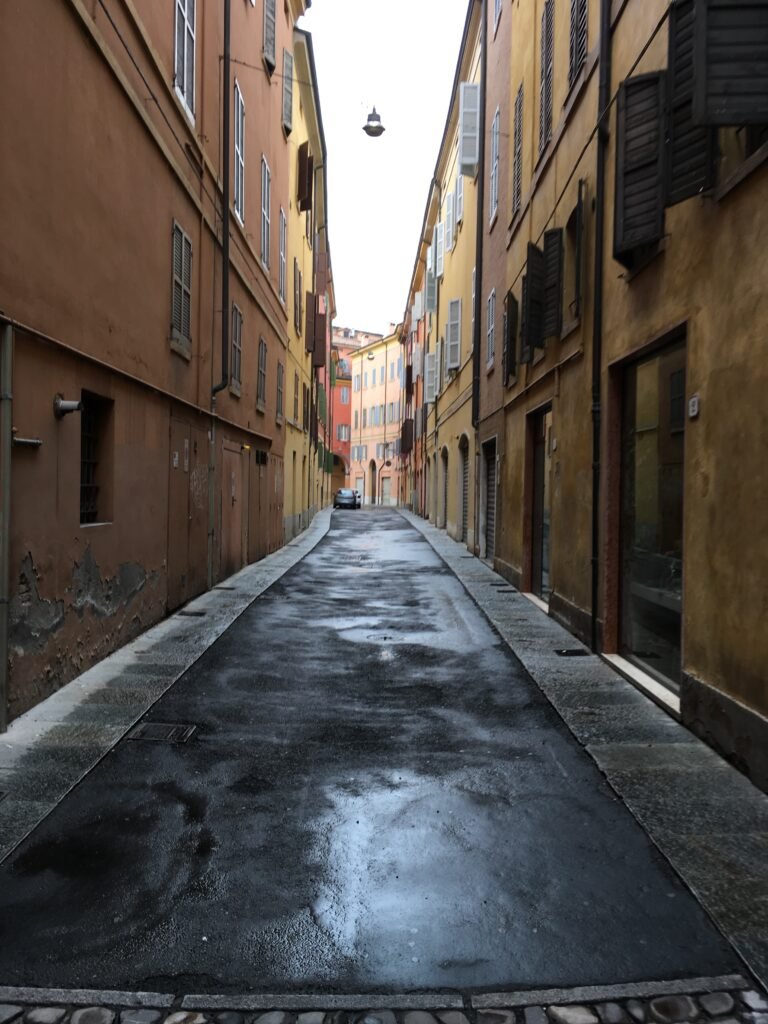
Just a few steps from the piazza lies the Quadrilatero, a dense maze of narrow medieval alleyways that has served as Bologna’s primary market district since Roman times. The air here is heavy with the scent of aged cheeses and cured meats.
Stroll down Via Drapperie and Via Pescherie Vecchie, where shopfronts overflow with massive wheels of Parmigiano Reggiano and dangling legs of Prosciutto di Parma.
Stop for a casual standing lunch at one of the historic salumerias, such as Tamburini or Simoni. Order a custom wooden board piled high with paper-thin slices of authentic Mortadella di Bologna, accompanied by chunks of 30-month Parmigiano drizzled with a touch of honey. Pair this spread with a crisp glass of local Pignoletto, a refreshing, slightly sparkling white wine produced in the nearby Bolognese hills.
Evening: The Art of the Slow Ragù
As twilight settles over the city, the red-brick buildings glow with a deep amber warmth. For your first formal dinner, secure a table at Trattoria di Via Serra or Osteria Bottega.
Here, the focus is entirely on historical execution. Order the Tagliatelle al Mattarello. The pasta ribbons must be rolled by hand with a wooden pin until they are thin enough to see through, yet resilient to the bite. The ragù is a slow, multi-hour labor of love, utilizing coarse beef, pork, pancetta, a whisper of tomato paste, and a splash of milk to tenderize the meat. It is rich, complex, and entirely different from any commercial adaptation found abroad.
Day 2: The Secret Views and Historic Sites of Bologna
Morning: Finding the Hidden Canals and Climbing the Towers
Many travelers are surprised to learn that Bologna was once a bustling water city woven together by a sophisticated network of open canals. While most were covered over during 20th-century urban expansions, a few secret glimpses remain.
Walk to Via Piella and search for the Finestrella, a tiny wooden window set into a plain brick wall. Open it to reveal a beautiful, picturesque view of the Canale delle Moline flowing silently between old, brightly painted residential buildings.
Next, make your way to the iconic Two Towers (Le Due Torri), the ultimate symbol of Bologna’s skyline. The shorter tower, Garisenda, leans at a dramatic angle and can only be admired from below. The taller neighbor, Torre degli Asinelli, stands over 300 feet high. For those with a steady stride, climbing the 498 wooden steps inside rewards you with a panoramic, unbroken view across a sea of terracotta rooftops stretching out toward the green Apennine foothills.
Fun fact: these towers were once built to determine which family would reign over Bologna, the Garisenda family or the Asinelli family.
Afternoon: The Sanctuary of San Luca
Spend your afternoon undertaking a legendary local walk. Head toward the Porta Saragozza to begin the journey to the Sanctuary of the Madonna di San Luca. This hilltop church is connected to the city center by the world’s longest continuous portico, consisting of precisely 666 covered arches.
The walk is a gradual uphill climb stretching nearly 2.5 miles. As you ascend, the urban bustle drops away, replaced by peaceful views of villas and rolling fields. If you prefer to save your energy for the descent, a small tourist train (San Luca Express) departs regularly from Piazza Maggiore, carrying you comfortably up the hillside.
Evening: Dinner in the Student Quarter
Bologna is home to the oldest continuously operating university in the Western world, founded in 1088. This gives the city a brilliant, youthful energy that balances its historic weight. Spend your evening wandering through the bustling streets of the Via del Pratello or the vibrant spaces of the Mercato delle Erbe.
For dinner, visit a classic osteria like Osteria del Sole, which has been operating continuously since 1465. This venue follows a delightful, centuries-old custom: they serve only wine and beverage options, allowing you to bring in your own selection of cheeses, breads, and meats purchased from the nearby market stalls.
Conclude your evening by enjoying a steaming bowl of traditional Tortellini in Brodo at Ristorante Diana or Trattoria Caminetto d’Oro. Each individual pasta piece is folded meticulously by hand around a rich, savory filling, creating a bite-sized pocket that releases incredible depth when enjoyed alongside the clear, golden broth.
Day 3: Modena, Traditional Balsamic, Fine Architecture, and Fast Cars
Morning: Arrival in the Land of Balsamic
Board an early morning train from Bologna Centrale for the brief, scenic 20-minute journey west to Modena. The scale changes immediately; Modena feels intimate, aristocratic, and wonderfully tranquil.
Begin your exploration in Piazza Grande, a gorgeous square dominated by the towering Ghirlandina bell tower and the majestic Modena Cathedral (Duomo di Modena). This Romanesque masterpiece is constructed from gleaming white stone and adorned with expressive, centuries-old relief carvings by the medieval sculptor Wiligelmo.
Afternoon: The Alchemy of Black Gold
True balsamic vinegar is not the thin, watery product found on supermarket shelves; it is a precious, syrupy elixir protected by strict DOP regulations. This afternoon, arrange a private tour of a historic family-run acetaia (vinegar estate) located just outside the town center, such as Acetaia Villa San Donnino or Acetaia Giusti, which dates back to 1605.
Inside the darkened attic storerooms, you will learn about the batteria, a series of progressively smaller wooden barrels made from different woods like chestnut, cherry, oak, juniper, and mulberry.
The grape must simmers, ferments, and ages across decades, evaporating naturally and absorbing the distinct characteristics of each wood type. A formal tasting allows you to sample the differences between a 12-year-old selection—bright, tangy, and perfect over fresh strawberries or chunks of cheese, and a velvety 25-year-old reserve, which possesses an incredible complexity best enjoyed sparingly directly from a porcelain spoon.
Evening: A Choice of Gastronomic Styles
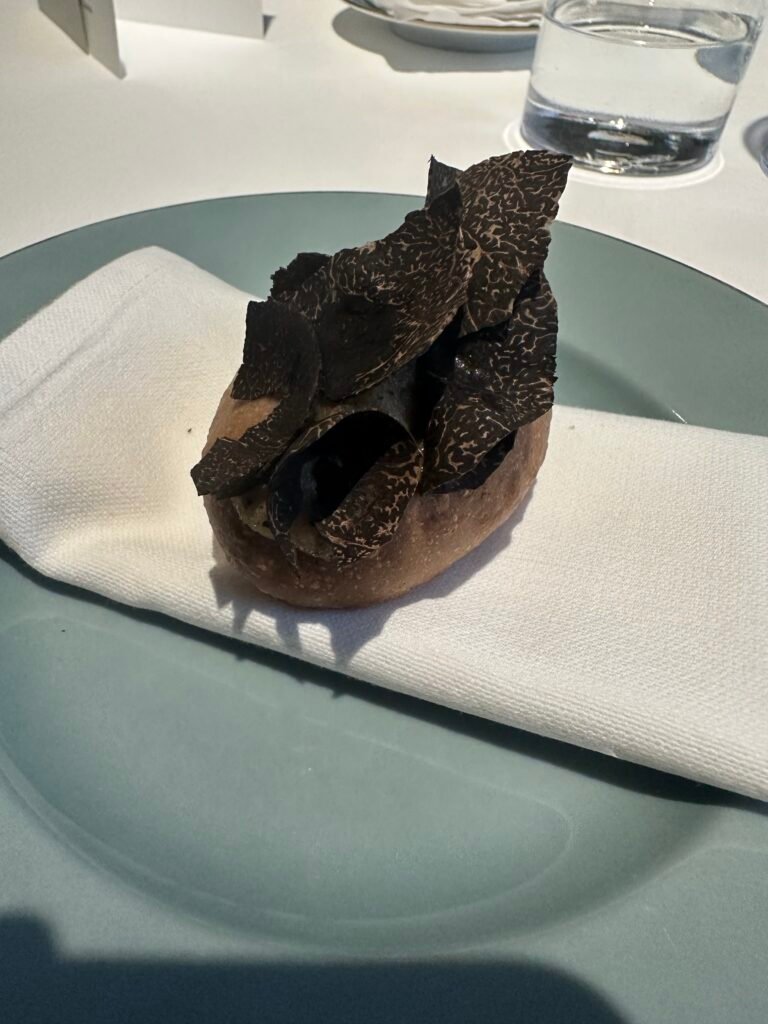
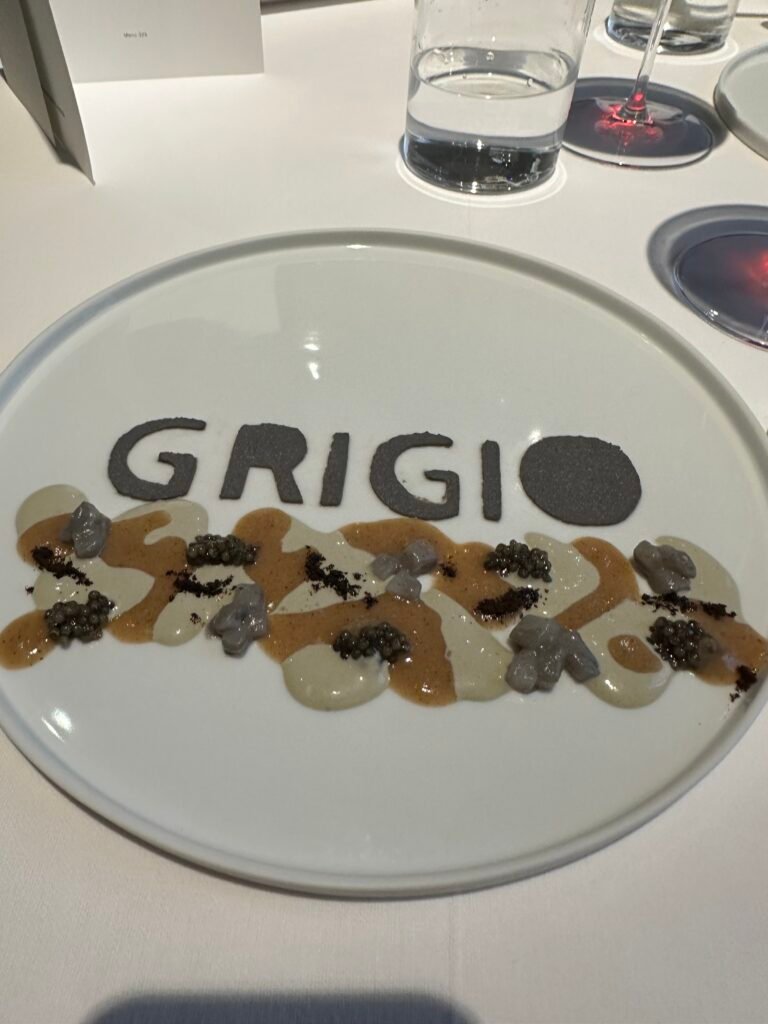
Modena is internationally renowned as the home of Osteria Francescana, Chef Massimo Bottura’s three-Michelin-star restaurant, consistently ranked among the finest culinary destinations on earth. Securing a table requires booking months in advance, but for those fortunate enough to visit, the experience is a profound reinterpretation of classic Italian flavors.
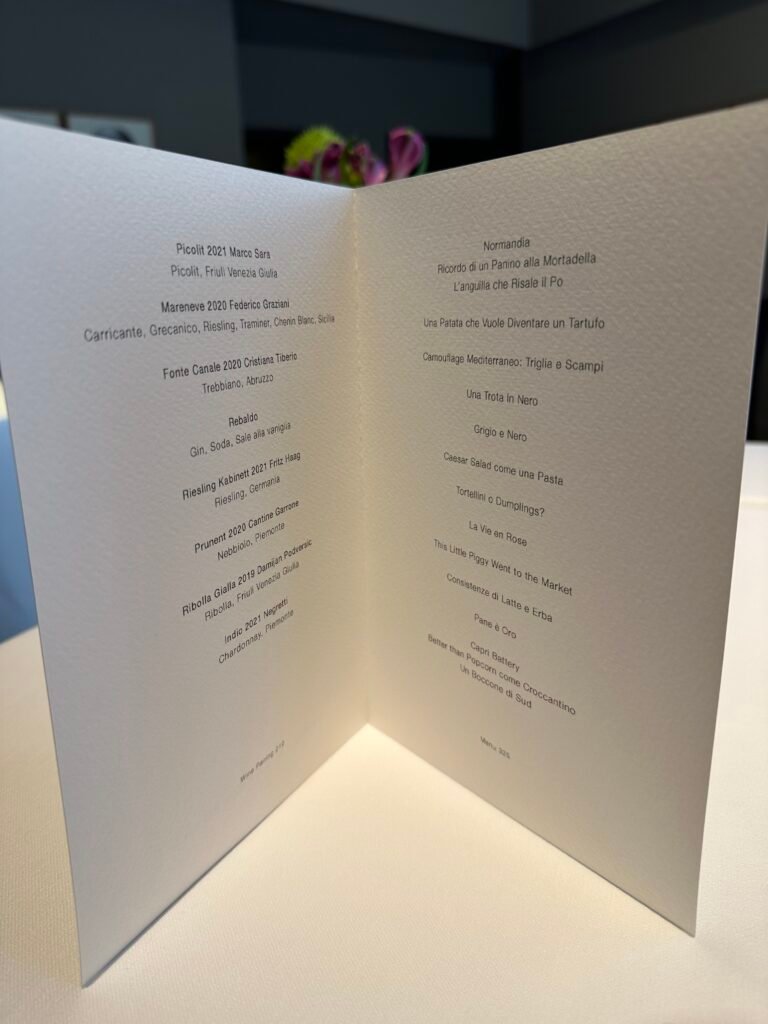
If you prefer a classic, deeply comforting atmosphere, head to the historic Hostaria Giusti or Trattoria Aldina. Located up a modest flight of stone stairs, Aldina serves authentic local home cooking without pretense.
Order a plate of Gnocco Fritto, pillows of dough fried in lard until puffed and completely greaseless. Wrap them while still steaming hot around slices of sweet Prosciutto di Modena, allowing the heat to melt the fat perfectly. Follow this with Gramigna con Salsiccia, a spiral-shaped pasta tossed in a robust white sausage sauce.
Day 4: Deep Culinary Immersions and Vineyard Excursions
Morning: Inside the Mercato Albinelli
Dedicate the morning of your final day to the historical Mercato Albinelli, a beautiful Art Nouveau covered market operating since 1931. This is where Modena’s top home cooks and professional chefs source their daily ingredients.
Walk past rows of impeccable produce, vibrant flower stalls, and pristine seafood counters. The center of the market features a beautiful fountain sculpture, giving the space a refined, airy ambiance.
Stop by a bakery counter to try a slice of Erbazzone, a savory regional pie stuffed with Swiss chard, spinach, garlic, pancetta, and plenty of grated cheese.
Afternoon: The Thrill of Supercars or Lambrusco Hills
Modena sits directly within Italy’s “Motor Valley,” the birthplace of iconic automotive brands like Ferrari, Maserati, and Pagani. Spend your afternoon visiting the Museo Enzo Ferrari, a striking, futuristic, yellow pavilion wrapped around Enzo Ferrari’s original childhood workshop. The museum pairs historical narratives with a breathtaking collection of vintage and modern racing machines.
If your interests lean more toward agriculture than engineering, hire a local driver to take you into the rolling hills south of the city. This area is the exclusive terroir for authentic Lambrusco. Forget any old misconceptions of overly sweet commercial exports; true local Lambrusco di Sorbara or Grasparossa is dry, intensely purple, pleasantly bubbly, and offers a beautiful, sharp acidity that cuts through the rich pork dishes of the region.
Evening: A Final Toast to Emilia-Romagna
For your final dinner, return to Bologna or stay in Modena to enjoy a relaxed meal at an outdoor terrace. Pair your dishes with a bottle of robust Sangiovese di Romagna. Reflect on the distinct textures, flavors, and slow-aging traditions that make these two culinary capitals an unforgettable destination for dedicated travelers.
Accommodations Guide: Where to Sleep
Choosing the right base ensures you experience the distinct morning and evening magic of these historic centers after the day-trippers have departed.
Bologna Boutique Lodging
- Grand Hotel Majestic già Baglioni: The city’s premier historic address. A flawless luxury hotel housed in an 18th-century palace, featuring antique furnishings, frescoes, and a prime position right on Via dell’Indipendenza.
- Art Hotel Commercianti: Located in a beautifully restored medieval building immediately beside the Basilica di San Petronio. Offers historical charm, exposed wooden beams, and a peaceful pedestrian-only zone.
- Hotel Metropolitan: A stylish choice featuring minimalist, contemporary design elements. Situated in a quiet courtyard just off the main pathways, offering a beautiful rooftop terrace bar with views over the hills.
Modena Boutique Lodging
- Casa Maria Luigia: A stunning luxury country guest house created by Chef Massimo Bottura and Lara Gilmore. Located just outside the city center, it features curated contemporary art, a gorgeous pool, and an exceptional culinary breakfast experience.
- Hotel Canalgrande: Set inside a historic palace in the center of Modena, boasting classic neoclassical frescoes, beautiful stucco detailing, and a serene interior garden courtyard.
Tactical Travel Logistics
Planning your movements between these destinations is incredibly straightforward, making it one of the most relaxing regional itineraries in Italy.
- By Train: The Trenitalia rail link is the most efficient travel option. Regular regional trains connect Bologna Centrale and Modena station in roughly 20 to 25 minutes, with tickets costing only a few euros. Fast EuroCity or Frecciarossa trains cut the time down to 15 minutes. If you want to buy tickets ahead of time, try out Omio.
- By Car: If you plan to visit the rural acetaias or remote vineyards in the Lambrusco hills, renting a car provides maximum flexibility. The towns are connected by the A1 autostrada. Keep in mind that both historic centers enforce strict ZTL (Zona a Traffico Limitato) regulations, meaning driving inside the ancient walls without a hotel permit carries heavy fines. The best car rentals are booked via Easyterra.
Did you enjoy reading about Bologna and Modena? Have a look at our other Italian guides, or go straight into another northern Italian region, The Dolomites or head straight to Italy’s capital, Rome.