Left for Dead in the Valley of Gold: The Slate-Born Resurrection of Valdeorras
The Amphitheater of Slate and Broken Vines
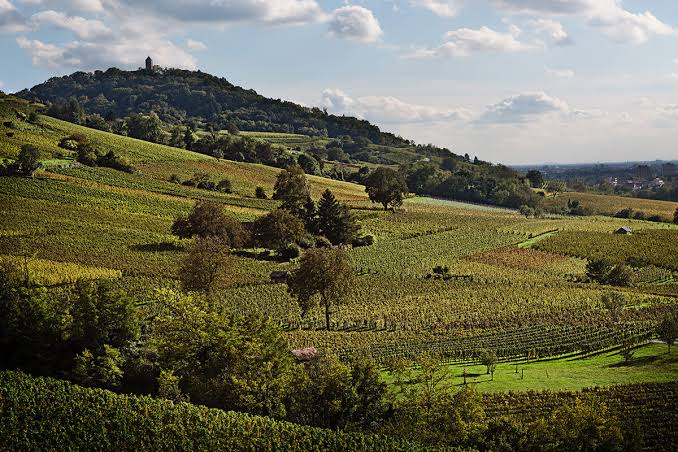
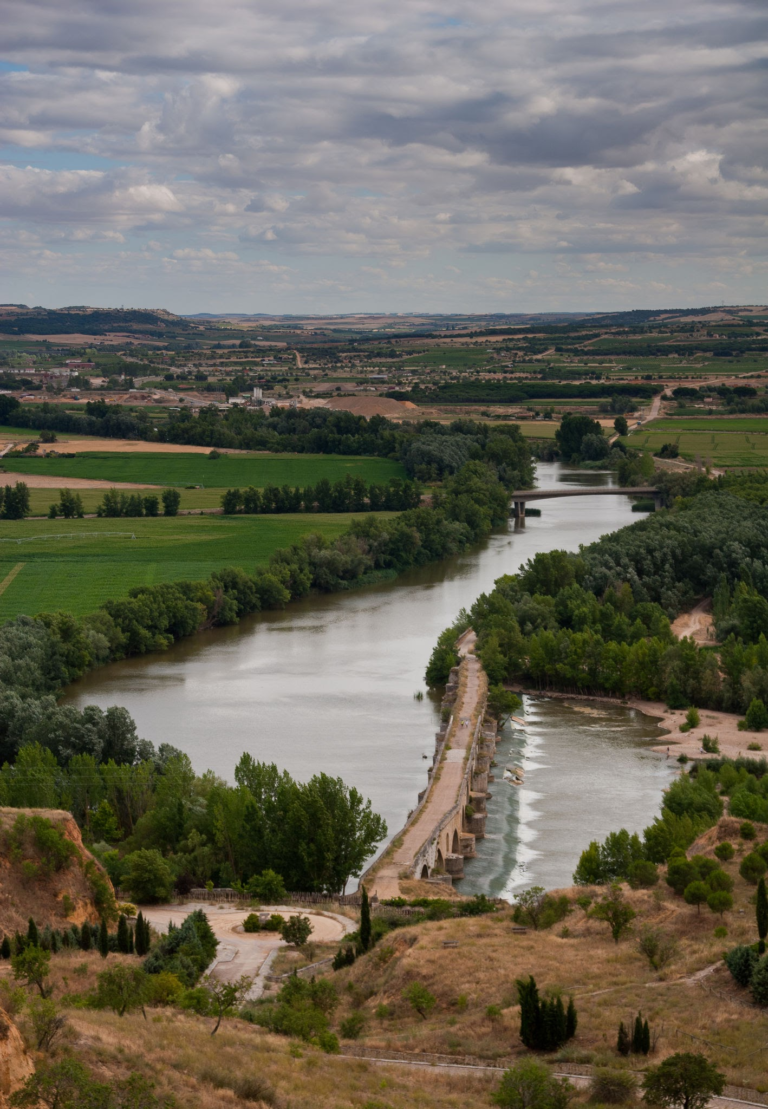
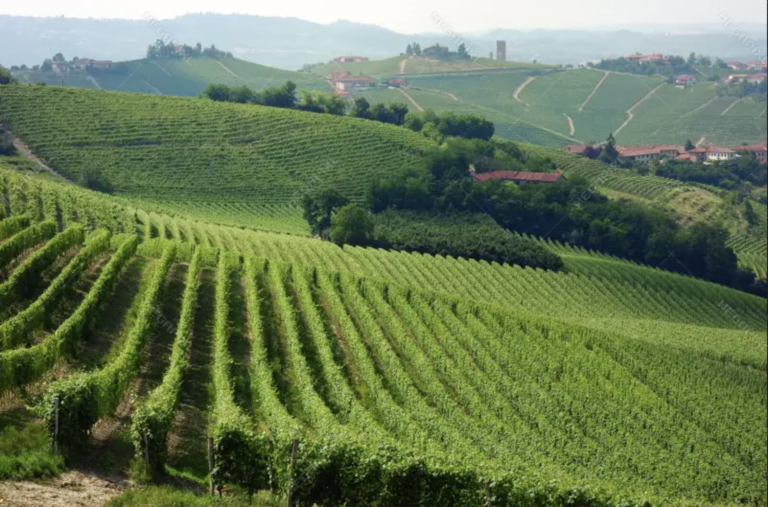
If you drive east from the mist-shrouded Atlantic coastline of Rías Baixas, heading deep into the rugged, mountainous interior of Ourense, the green maritime pastures of Galicia begin to fracture. The landscape hardens. The rolling hills transform into steep, sheer granite canyons and deep alluvial basins sliced open by the Sil River.
You have arrived in Valdeorras: the “Valley of Gold.”
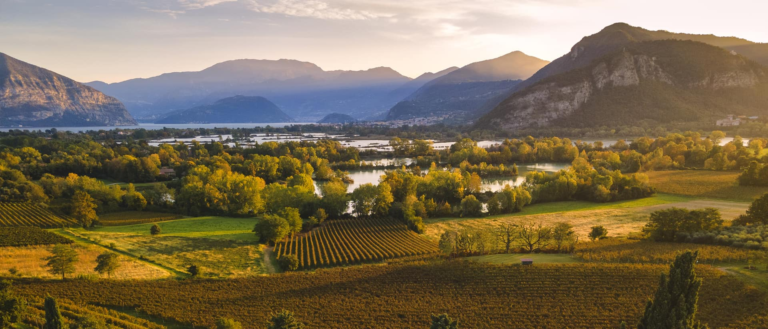
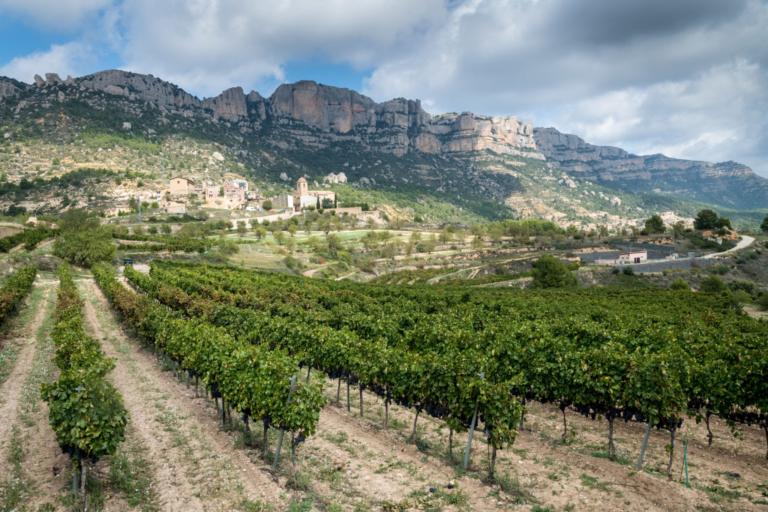
The Romans named this place two thousand years ago when they began tunneling through the valley walls to extract vast quantities of gold for the Empire. But long after the gold veins were picked clean, the true wealth of the region remained buried in its soil. Valdeorras is an extreme, high-altitude wine-growing amphitheater defined by an extraordinary concentration of tectonic slate, quartz, and limestone.
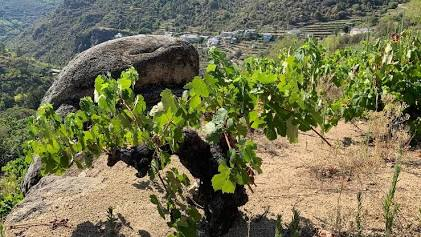
Yet, just forty years ago, this historic appellation was on the absolute brink of extinction. An aggressive phylloxera epidemic in the late 19th century, followed by decades of economic isolation and political upheaval, forced local farmers to abandon their historical terraces. Gnarled, centuries-old vineyards were left to rot, replaced by high-yielding, industrially driven varieties meant for cheap local consumption.
Today, Valdeorras is the setting of one of the greatest comeback stories in modern agrarian history. Driven by a handful of visionary winemakers who refused to let their heritage die, the region has risen to become Spain’s premier outpost for profound, mineral-driven, and structurally elite white wines.
1. The Collision of Two Climates
The secret to the structural tension found inside a bottle from the Valdeorras wine region lies in its precarious position on Spain’s climatic fault line.
Unlike Rías Baixas, which is entirely dominated by the damp, relentless influence of the Atlantic Ocean, Valdeorras sits further inland, trapped inside a protective mountain ring. This topography creates a fascinating hybrid microclimate:
- The Maritime Influx: The region still receives significant rainfall and cool evening currents pushing inward from the western ocean, preserving remarkable freshness and razor-sharp acidity in the grapes.
- The Continental Shift: However, the valley experiences vastly hotter, drier summers and significantly colder winters than its coastal neighbors. This continental edge allows grapes to hit maximum sugar concentrations and aromatic density that coastal regions simply cannot achieve.
The Pure Slate Matrix (Lousa)
While climate dictates the rhythm of the vintage, the soil dictates the architecture of the palate. The finest vineyards in Valdeorras are planted directly into sheer, vertical cliffs of pure, blue-black slate, known locally as lousa.
These dark slate plates absorb the blazing Galician summer sun during the day, radiating heat into the vine clusters through the night to ensure uniform ripening. Furthermore, the slate fractures vertically, forcing the ancient roots of the vines to drill hundreds of feet down into the mountain bedrock to find water. This brutal subterranean struggle imbues the final wine with an unmistakable, smoky, wet-stone mineral signature that rivals the world’s finest dry Rieslings and Chablis.
2. The Royal Varietals: Godello and Mencía
While Valdeorras produces small quantities of brilliant, indigenous reds, it is the white Godello grape that has captured the global spotlight.
The Resurrection of Godello
In the mid-1970s, there were fewer than several hundred verified vines of Godello left in the entire valley. The grape is notoriously finicky, highly susceptible to rot, low-yielding, and demanding intensive hand labor on steep terraces.
Through the pioneering REVIVAL project (Project for the Re-establishment of the Indigenous Vineyards of Valdeorras), viticulturists methodically cataloged old-vine remnants, proving that Godello was capable of producing a white wine of monumental proportions.
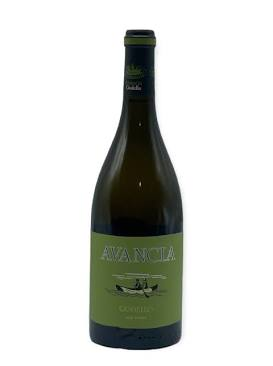
When harvested from old-vine Godello plots, the grape behaves like a chameleon, combining the high-toned, laser-focused acidity of a cool-climate white with the rich, texturally oily weight of a great white Burgundy.
- Aroma: White peach, salted lemon rind, crushed flint, dried wildflowers, and a distinct hint of wild fennel.
- Palate: The entry is piercingly fresh and saline, but it immediately unfolds into a dense, creamy, multi-layered mid-palate driven by extended contact with the yeast cells (lees aging).
The Red Rebel: Mencía
Though white wine commands the headlines, the slate soils of Valdeorras produce an incredibly elegant expression of Mencía. Unlike the heavier, clay-grown styles found in nearby Bierzo, Mencía grown on the sheer slate cliffs of Valdeorras is light on its feet, highly aromatic, and structurally reminiscent of Cru Beaujolais or Northern Rhône Syrah. Expect notes of wild red currants, crushed graphite, white pepper, and a striking floral lift of violets.
3. The Holy Trinity: Standout Valdeorras Bodegas
The modern renaissance of Valdeorras is driven by a small circle of passionate, boutique producers. If you want to experience the absolute pinnacle of what this valley can achieve, these three houses are mandatory additions to your radar.
Rafael Palacios
The name Palacios is synonymous with Spanish wine royalty, but Rafael (brother to the legendary Álvaro Palacios of Priorat) chose to forge his own path in the isolated, high-altitude sub-valley of O Bolo. Arriving in 2004, he began buying tiny, fragmented old-vine Godello plots planted on treacherous granite and slate terraces.
- Why They Are Special: Rafael is widely recognized as the single finest white winemaker in Spain. He practices strict biodynamic farming on vertical terraces that can only be worked by hand or with the help of traditional draft horses. Their wines are a masterclass in mineral tension, power, and aging potential.
- The Wine to Seek: As Sortes. Sourced from six historic plots planted between 1920 and 1980, this wine is fermented in large oak foudres. It is an intellectual, breathtakingly complex bottle packed with structural grip, sea-salt minerality, and layers of lemon curd.
Bodegas Valdesil
The Telón family of Valdesil can rightfully claim to be the guardians of Godello history. In 1885, their ancestor, José Ramón Gayoso, planted the very first dedicated estate vineyard of Godello on a slate hillside in Vilamartín. Miraculously, those original vines survived the century.
- Why They Are Special: Valdesil owns Pezas da Portela, a series of ancient estate parcels (pezas) situated on pure slate bedrock. They focus heavily on preserving clonal diversity and showcasing the raw, mineral focus of unblended, old-vine parcels.
- The Wine to Seek: Pezas da Portela Godello. Fermented with wild yeasts and aged on its fine lees in French oak barrels, this bottle is muscular, smoky, and intensely complex, showing an incredible capability to evolve in a cellar for over a decade.
Quinta da Peza
Situated on the dramatically steep slate slopes surrounding the historic village of A Rua, Quinta da Peza is a boutique estate that balances historical reverence with brilliant precision. The estate takes its name from the local word peza (parcel), referencing the hand-stacked stone wall terraces that keep their valuable soils from washing down into the river basin during heavy winter rainstorms.
- Why They Are Special: They manage to achieve an extraordinary structural purity. By handling their fruit with extreme care, fermenting at tightly controlled temperatures, and completely avoiding heavy, aggressive oak interventions, they let the natural, mineral-laden voice of the Sil Valley speak without distortion.
- The Wine to Seek: Godello Valdeorras DO Quinta da Peza. This wine serves as a brilliant showcase of vintage purity, offering a crystalline golden-yellow hue, a striking floral nose laced with crisp green apple, and a palate that transitions into an intensely long, stony, saline finish.
4. Sensory Comparison: The Galician White Wine Spectrum
To understand where Valdeorras sits in your glass, it helps to map it against the other iconic white wines of Atlantic Galicia.
| Appellation | Primary Grape | Soil Type | Primary Flavor Architecture |
| Rías Baixas | Albariño | Pure Granite | High acid, intense citrus, tropical peach, intense sea-spray brine. |
| Ribeiro | Treixadura Blend | Granite & Alluvial | Floral, soft green orchard fruit, light, easy-drinking. |
| Valdeorras | Godello | Pure Tectonic Slate | Smoky flint, mineral drive, oily weight, laser acidity, age-worthy. |
5. Sourcing Guide: Sourcing the Valley of Gold
Because the premium estates of Valdeorras focus heavily on low-yielding, boutique productions, these bottles can disappear quickly from traditional retail markets. Sourcing them requires utilizing platforms with deep regional roots and authentic logistics.
Decantalo
For direct access to the small-scale, terrace-grown productions of Galicia, Decantalo remains a premier international shipping asset.
- Why Use Them: Their direct physical proximity to Spanish cellars allows them to secure highly allocated, low-production gems from producers like Rafael Palacios or Valdesil that rarely make it to broad commercial export markets. If you are looking to secure highly specific single-vineyard pezas or specific vintage releases, their real-time cataloging from Spanish distribution centers is unmatched.
Colaris
For wine enthusiasts and collectors seeking premium, hand-selected bottles within Europe, Netherlands-based importer Colaris serves as an exceptional sourcing pipeline.
- The Essential Sourcing Target: Look to Colaris specifically to secure the brilliant Godello Valdeorras DO Quinta da Peza. Backed by generations of tasting expertise, Colaris directly imports this standout expression, ensuring perfect bottle provenance and cellaring care straight from the estate.
- The Broader Strategy: While utilizing Decantalo for rare, highly localized single-plot Galician allocations, turn to Colaris to fill out your premium cellar needs. Their selection is tailored beautifully for sourcing classic companion Spanish bottles, such as the oak-aged Tempranillo blends of Rioja or the muscular, concentrated profiles of Ribera del Duero, providing a highly reliable, temperature-controlled European delivery network.
Gastronomy: The Galician Atlantic Feast
Godello’s unique structural framework, possessing the crisp, cutting laser of Atlantic acidity combined with the creamy, rich palate weight of old-vine skin contact, makes it one of the most versatile gastronomic white wines on earth.
The Ultimate Match: Pulpo a la Gallega
If you are opening a premium bottle of Valdeorras, the absolute benchmark pairing is Galicia’s most iconic dish: Pulpo a la Gallega (Galician-style octopus).
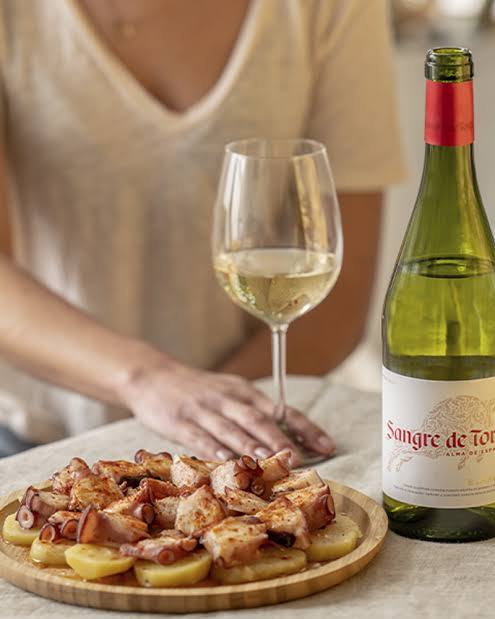
- The Execution: Fresh octopus is tender-boiled, sliced into thick coins, laid over a bed of boiled potatoes, and drenched in premium extra virgin olive oil, coarse sea salt, and a generous dusting of smoked Spanish paprika (pimentón).
- Why It Works: A standard light white wine would get crushed by the texture of the octopus and the oiliness of the dressing. The Quinta da Peza Godello has the rich weight to match the meatiness of the octopus pound-for-pound, while its vibrant slate acidity slices through the olive oil, cleansing your mouth for the next savory bite.
The Final Veracity: The Soul of the Valley
Valdeorras is a beautiful reminder that the world’s most compelling wines are rarely born from easy conditions. They require a landscape of extremes, sheer vertical cliffs, brutal weather shifts, and soils so rocky they look completely inhospitable to life.
By rescuing their ancient, gnarled bush vines from the edge of obscurity, the winemakers of this golden valley have given the world a white wine of unparalleled tension, grip, and soulful beauty. It is an essential taste of Spain’s untamed green north, waiting to be poured.
Enjoyed reading about Valdeorras? Have a look at the other Spanish wine regions here.