The Stones that Speak: A Sensory Journey into Rueda’s Verdejo Renaissance
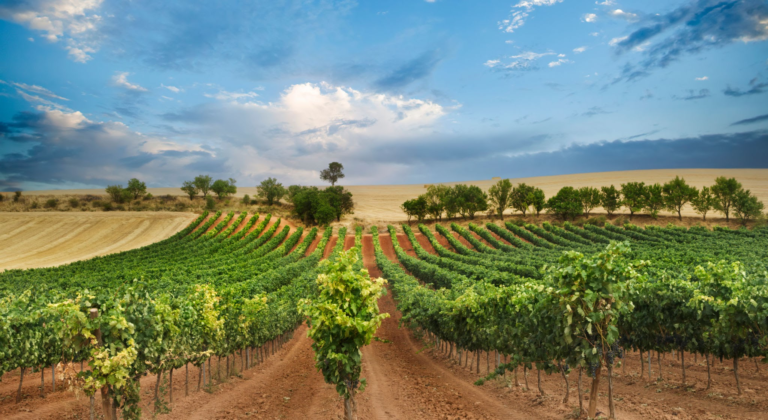
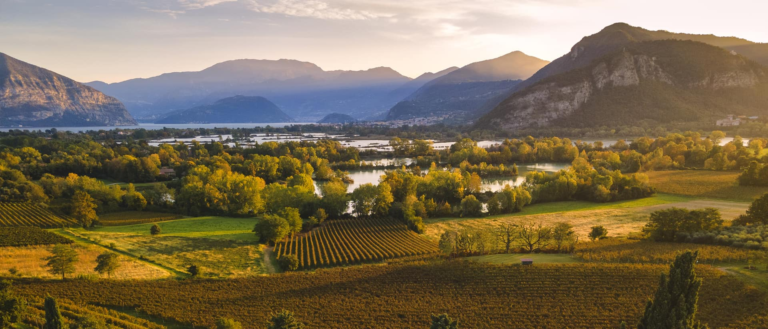
To truly understand the soul of a wine, you must first listen to the ground from which it springs. In the high-altitude plateaus of Castilla y León, roughly two hours northwest of Madrid, the ground does not whisper; it crunches. This is the Denominación de Origen (D.O.) Rueda, a desolate, breathtakingly harsh expanse of the Spanish Meseta Central where the native Verdejo grape does not merely grow, it survives.
For decades, the international wine market fundamentally misunderstood Rueda. Relegated to the category of cheap, cheerful, and simple patio wines, the profound complexity of this region was obscured by a sea of industrially produced, hyper-chilled stainless-steel fermentations. Consumers were taught to expect a pleasant, forgettable alternative to Sauvignon Blanc. But beneath the surface of that commercial success story, a quiet, radical renaissance has been taking place.
Today, a new generation of vignerons, alongside established visionaries who never lost the plot, are returning to the ancient ways. They are embracing the struggle of century-old bush vines, experimenting with concrete eggs and native yeasts, and reviving historic classifications that honor the extreme terroir of the region. This is no longer just a story about a grape; it is a sensory masterclass in geology, climate, and endurance. It is a tale of how a bitter, sun-scorched, stone-littered landscape defies modern white wine rules to produce some of the most textural, age-worthy, and aromatically complex white wines on the planet.
The Geological Crucible: Terroir Forged in Stone
To stand in a premium Rueda vineyard is to stand in an ancient riverbed. The region is defined by the Duero River and its tributaries, which over millions of years have carved out a landscape of undulating terraces. But the true defining feature of Rueda’s best terroirs is not water; it is rock.
The Canto Rodado
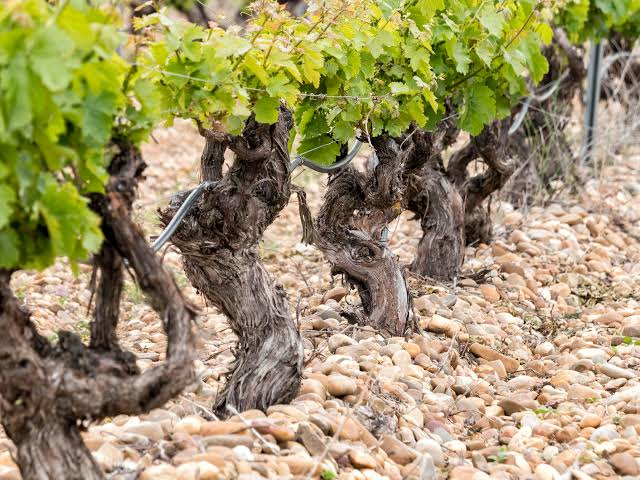
The most prized vineyards, particularly in the heartland around the village of La Seca, are blanketed in canto rodado, smooth, fist-sized alluvial cobblestones that look identical to the famous galets roulés of Châteauneuf-du-Pape in the Rhône Valley. These stones are far more than a scenic backdrop; they are a vital agronomic tool.
During the punishing summer days, when ambient temperatures can easily soar past 38°C, these pale stones reflect the harsh sunlight upward into the canopy, ensuring even ripening. More importantly, as the sun sets and the dramatic diurnal shift plunges the temperature by as much as 40 degrees, the stones radiate their captured heat back into the vines. This thermal regulation prevents the vines from shutting down completely during the cold nights, allowing for a slow, steady physiological development of the grapes.
Furthermore, the dense layer of pebbles acts as a natural mulch. In a region that sees less than 16 inches of rain annually, bordering on a desert climate, water conservation is a matter of life and death. The stones trap whatever scarce moisture remains in the soil below, preventing evaporation under the blistering summer sun.
The Deep Limestone and Clay Subsoils
Beneath the superficial layer of river stones lies a complex matrix of sandy loam, clay, and crucially, limestone. While the surface stones regulate temperature, it is this deep subsoil that dictates the texture and minerality of the final wine.
Because the topsoil is incredibly nutrient-poor and dry, the vines are forced to send their root systems plunging extraordinary depths in search of sustenance. It is not uncommon for old-vine Verdejo roots to travel 20 to 30 feet underground, breaking through microscopic fissures in the limestone bedrock. This deep subterranean struggle is what gives the best Rueda wines their characteristic “wet stone” minerality, a chalky, saline tension that cuts through the rich fruit notes and provides an electric backbone to the wine.
The Rule of the Meseta
Elevation is the final piece of the geological puzzle. Rueda sits on a high plateau ranging from 2,300 to nearly 3,000 feet (700 to 900 meters) above sea level. This altitude is responsible for the extreme continental climate. The winters are brutally cold, often freezing the vines into a deep dormancy, while the summers are short, intensely hot, and dry.
This altitude-driven climate creates the massive diurnal temperature shifts that are the secret weapon of Rueda. The freezing nights preserve the malic acid within the grapes, ensuring that no matter how ripe and rich the fruit becomes during the day, the resulting wine will always possess a mouth-watering, vibrant freshness.
Verdejo: Anatomy of a Native Survivor
While Rueda permits the blending of Sauvignon Blanc, Viura, and occasionally Chardonnay, the undisputed king of the region is Verdejo. Documented in the area since the 11th century, likely brought by Mozarabs migrating from the south of Spain, Verdejo has had a millennium to genetically adapt to the specific tortures of the Meseta Central.
Thick Skins and Phenolic Defense
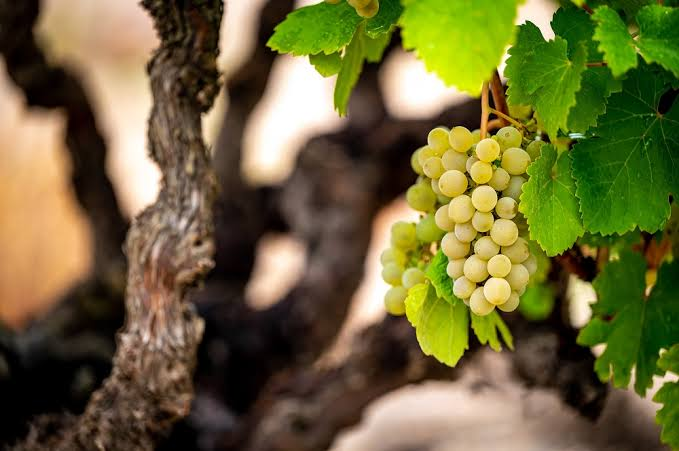
If you were to pluck a Verdejo grape from an old bush vine in August, the first thing you would notice is the thickness of its skin. To survive the relentless solar radiation and the drying, abrasive winds that sweep across the plateau, the grape has evolved a robust, almost leathery epidermis.
For a winemaker, this thick skin is both a challenge and a treasure. It is packed with flavor compounds, specifically phenolics, which give Verdejo its distinct structural weight and a signature hint of bitterness on the finish, often likened to raw almond or grapefruit pith. This subtle bitterness is a hallmark of quality; it cleanses the palate and begs for food, distinguishing authentic Verdejo from the overly confected, sweet-smelling white wines of the international market.
The Aromatic Profile: Thiols and Terpenes
The sensory profile of a high-quality Verdejo is remarkably complex, straddling the line between the herbal greenness of Sauvignon Blanc and the textured stone fruit of a white Rhône blend. This aromatic duality is driven by two specific families of chemical compounds: thiols and terpenes.
Thiols are responsible for the sharp, pungent, and highly volatile aromas of freshly cut grass, passionfruit, boxwood, and Verdejo’s most famous descriptor: wild fennel. Terpenes, on the other hand, provide the sweeter, more floral, and citrus-driven notes of white peach, mandarin orange, and jasmine.
Because thiols are highly susceptible to oxidation, traditional daytime harvesting in the heat of August would often destroy these delicate aromas before the grapes even reached the winery. This is why Rueda pioneered the practice of nocturnal harvesting. Today, almost all premium Verdejo is picked by the light of the moon (or massive tractor headlights) in the freezing early hours of the morning, ensuring the grapes arrive at the crush pad cold, intact, and aromatically pristine.
Acidity and Aging Potential
Unlike many warm-climate white grapes that turn flabby and alcoholic if left on the vine too long, Verdejo holds onto its natural acidity with remarkable tenacity. This low pH and high total acidity act as a natural preservative, meaning that well-made, terroir-driven Verdejo is not a wine you must drink within six months of the vintage. In fact, the finest expressions demand three to five years in the bottle to shed their primary fermentation aromas and develop gorgeous tertiary notes of beeswax, lanolin, roasted nuts, and chamomile.
The 2026 Rueda Classifications: Elevating the Standard
For years, the labeling of Rueda was frustratingly generic. A bottle made from 15-year-old, heavily irrigated, machine-harvested vines shared the exact same DO label as a bottle crafted from 100-year-old, dry-farmed bush vines. In 2020, the Consejo Regulador (the governing body of the DO) fundamentally changed the landscape by introducing a new classification system aimed at highlighting terroir, old vines, and historical winemaking styles. As we look at the landscape in 2026, these categories have firmly taken root, allowing consumers to navigate the region with unprecedented precision.
| Classification | Key Requirements | Style & Purpose |
| Gran Vino de Rueda | Min. 30-year-old vines; yield ≤6,500 kg/ha | Complex, concentrated whites meant for extended bottle aging. |
| Vino de Pueblo | 85% of grapes must originate from the named village | Highlights the specific micro-terroirs (e.g., La Seca, Nieva). |
| Rueda Dorado | Verdejo/Palomino blend; oxidative aging | Fortified, nutty, deep amber wines reminiscent of Oloroso Sherry. |
| Rueda Pálido | Biologically aged under a veil of flor | Bone-dry, saline, yeasty wines aged for a minimum of 3 years. |
| Rueda Blanco | Standard regional blend (Min. 75% Verdejo) | Crisp, fruit-forward, intended for early consumption. |
The introduction of the Gran Vino de Rueda category has been the catalyst for the region’s current critical renaissance. By legally mandating vine age and slashing permitted yields, the DO has forced a focus on quality over quantity. These wines are not just Spanish whites; they are world-class gastronomical wines capable of standing shoulder-to-shoulder with Premier Cru Chablis or top-tier Grüner Veltliner.
Simultaneously, the revival of the Dorado and Pálido fortified wines is a thrilling nod to the region’s pre-industrial past. Long before stainless steel tanks and temperature control were invented, Rueda was famous across the Spanish royal courts for its barrel-aged, oxidized, and flor-affected wines. The resurgence of these complex, umami-rich styles proves that Rueda’s history is just as exciting as its future.
The Evolution of Craft: From Concrete to Flor
The journey of Rueda winemaking over the last fifty years is a perfect pendulum swing. In the 1970s and 80s, pioneering wineries brought temperature-controlled stainless steel to the region. This “cold fermentation revolution” saved Verdejo from oxidation, allowing the world to finally taste the grape’s brilliant, zesty fruit. However, the pendulum swung too far; the obsession with sterile, fruity freshness led to a homogenization of style. Wines became technically flawless but spiritually empty.
Today, the most exciting winemakers in Rueda are utilizing a “third wave” approach: combining the hygienic precision of modern technology with the textural, ancient vessels of the past.
The Return of Concrete and Clay
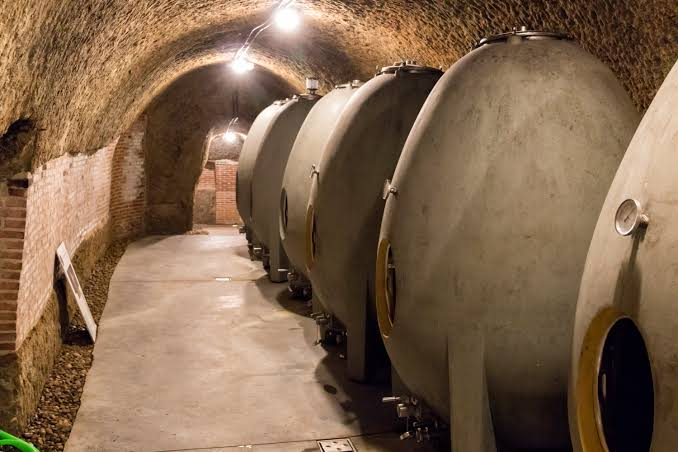
Walk into the cellar of a top Rueda estate today, and you are less likely to see rows of shining steel tanks, and more likely to see a silent army of large, porous vessels: French oak foudres, terracotta amphorae, and specifically, concrete eggs.
Concrete is a magical material for Verdejo. Unlike stainless steel, which is completely inert, concrete is microporous. It allows a microscopic amount of oxygen to interact with the fermenting wine, smoothing out the grape’s natural phenolic bitterness without imparting the heavy flavors of new oak. Furthermore, the ovoid shape of the concrete egg creates natural convection currents during fermentation. The liquid inside is constantly moving in a continuous vortex, keeping the dead yeast cells (the lees) permanently suspended in the wine.
The Art of Lees Aging (Batonnage)
This brings us to the most critical technique in modern premium Rueda: sur lie aging. Once fermentation is complete, the wine is left in contact with the fine lees for anywhere from six to twelve months. Winemakers will periodically stir these lees (a process called batonnage), breaking down the yeast cells and releasing mannoproteins into the wine.
The result is a textural masterpiece. Lees aging dramatically alters the mouthfeel of Verdejo, transforming it from a sharp, linear beverage into a wine with a creamy, almost oily mid-palate weight. This rich texture brilliantly offsets the grape’s high acidity, resulting in a wine of immense tension, balance, and gastronomic versatility.
Exploring the Villages: Micro-Terroirs of the Meseta
Just as Burgundy is defined by the differences between Puligny and Chassagne, Rueda is finally learning to celebrate its distinct villages. The Vino de Pueblo classification allows producers to bottle wines that express the unique geology of specific municipalities. Three villages, in particular, form the holy trinity of Rueda terroir.
La Seca: The Gravel Heartland
Considered the “Grand Cru” of the region, La Seca is the epicenter of the canto rodado (pebble) soils. The vineyards here sit on deep limestone beds. Wines from La Seca are generally considered the most complete and balanced expressions of Verdejo, offering a perfect marriage of high-toned aromatics, massive mid-palate volume, and a driving, mineral-laden finish. They are powerful wines that demand food and time in the cellar.
Nieva: The Sandy Sanctuary
Located in the province of Segovia, at the extreme southern and highest edge of the DO (approaching 3,000 feet), Nieva is an anomaly. The soils here are not gravel, but pure sand and degraded slate. This sandy composition saved Nieva from the phylloxera epidemic of the late 19th century, as the root-destroying aphid cannot tunnel through loose sand. As a result, Nieva is home to incredible plots of pre-phylloxera Verdejo vines, some well over 150 years old, growing on their original rootstocks. The wines of Nieva are sharper, more linear, wildly aromatic, and possess a distinct smoky, slate-like minerality.
Serrada: The Clay-Limestone Core
Situated closer to the Duero River, Serrada features soils with a much higher proportion of clay mixed with the limestone. Clay is a cooler soil type that retains water far better than gravel or sand. Consequently, Verdejo from Serrada ripens more slowly and develops a rounder, softer, and more fruit-forward profile. These wines often exhibit luscious notes of melon, baked apple, and honey, prioritizing richness over the sharp mineral tension found in Nieva.
Exceptional Bottles: A Curated Tasting Guide
Understanding the theory of Rueda is one thing; experiencing it in the glass is another. While you can often find entry-level Rueda at any local supermarket, securing the premium, age-worthy expressions requires seeking out specialized merchants. Fine wine importers like Colaris and the Wijnbeurs occasionally secure small allocations of the more structured, oak-aged examples from top estates, while platforms like Decantalo offer a broad, accessible cross-section of the new Gran Vino de Rueda and Vino de Pueblo categories.
Regardless of where you source them, the focus must remain entirely on the liquid in the glass. Here are the stylistic benchmarks that define the region’s renaissance:
The Classic Benchmark: José Pariente Verdejo
If you want to understand the baseline of high-quality Rueda, start here. While not oak-aged, this wine sees several months of lees contact in stainless steel. It bursts from the glass with a brilliant synthesis of passionfruit, white peach, and the quintessential wild fennel. The palate is electric, with a clean, saline finish and that signature, refreshing hint of bitterness. It is the perfect introduction to the grape’s natural aromatics.
The Textural Masterpiece: Finca Montepedroso
Sourced from high-altitude vineyards in the heart of the plateau, this wine represents the modern approach to unoaked Verdejo. By utilizing extended lees aging in concrete and steel, Montepedroso builds a wine of surprising weight and density. The aromatics lean away from tropical fruit and toward bruised apple, wet stone, and chamomile. On the palate, it has a glycerine-like texture that coats the mouth, perfectly balanced by a razor-sharp spine of acidity.
The Pre-Phylloxera Miracle: Ossian
Hailing from the sandy, high-altitude soils of Nieva in Segovia, Ossian is a monumental wine. Made entirely from ungrafted vines ranging from 100 to 200 years old, the grapes are fermented using native yeasts in French oak barrels and large foudres. The result is a wine of staggering complexity. It smells of struck match (a beautiful, reductive flintiness), roasted hazelnuts, lemon curd, and dried herbs. It has the structural intensity of a top White Burgundy, yet the flavor profile remains undeniably, fiercely Spanish.
The Oaked Pioneer: Belondrade y Lurton
In the mid-1990s, Didier Belondrade applied traditional Burgundian winemaking techniques (barrel fermentation and batonnage) to Verdejo, effectively inventing the modern premium Rueda category. Today, this wine remains a towering icon. Pouring a deep gold, it offers an intoxicating nose of baked brioche, vanilla bean, dried apricot, and white flowers. The oak is seamlessly integrated, acting as a framing device for the massive concentration of old-vine fruit. This is a wine that easily ages for a decade, evolving into a honeyed, nutty elixir.
The Historical Revival: De Alberto Dorado
To taste the history of the region, one must seek out a Dorado. De Alberto maintains a historic solera system, aging the wine in glass demijohns left out in the blazing sun before moving it to underground oak barrels for oxidative aging. Pouring a brilliant amber, the wine smells of dried figs, roasted walnuts, iodine, and old furniture wax. It is bone-dry on the palate, with a soaring, volatile acidity that cuts through the intense umami richness. It is a profound, meditative wine meant for sipping at the end of a long night.
Culinary Synergy: Pairing the Purity of Verdejo
The tragedy of Rueda’s historical marketing is that it pigeonholed the wine as a mere aperitif, something to be mindlessly sipped on a hot patio. In reality, terroir-driven Verdejo, particularly the lees-aged and Gran Vino expressions, is one of the most versatile and powerful food wines on the European continent.
The secret to Verdejo’s pairing prowess lies in its duality: it possesses the sharp, cutting acidity necessary to slice through fat, but it also carries a broad, textural weight and a phenolic bitterness that can stand up to complex, savory proteins.
Beyond Seafood: The Meat Pairings
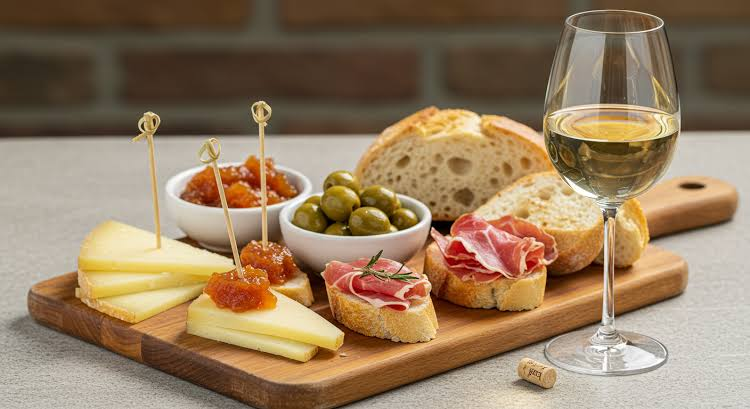
While it is exceptional with grilled turbot, octopus (pulpo a la gallega), or salt cod (bacalao), old-vine Verdejo shines brightest when paired with the local cuisine of Castilla y León. This is pork country. The wine’s vibrant acidity acts as a perfect foil to the rich, melting fat of Jamón Ibérico de Bellota. Furthermore, a barrel-fermented Verdejo has enough body and subtle oak spice to pair beautifully with roasted suckling pig (cochinillo) or milk-fed lamb, dishes normally reserved for heavy red wines.
Mastering Difficult Vegetables
Asparagus and artichokes are notoriously the enemies of wine, containing compounds (like cynarin) that make most wines taste metallic, sweet, or flat. Verdejo is one of the rare exceptions. The grape’s inherent herbal notes (fennel, grass) and natural bitterness act as a bridge, harmonizing perfectly with grilled green asparagus, roasted artichoke hearts, or a rich leek vinaigrette.
The Cheese Course
Skip the mild cow’s milk cheeses and go straight to the intense, aged sheep’s milk cheeses of the region. A robust, mature Manchego or a sharp Zamorano will highlight the nutty, chamomile notes in an aged Verdejo. If you are drinking a historically styled, oxidative Rueda Dorado, pair it with a deeply pungent blue cheese like Cabrales; the intense salt and umami of the cheese will lock into a perfect embrace with the nutty, oxidized profile of the wine.
The Future of Rueda
As the global climate continues to warm, many of the world’s most famous white wine regions are facing an existential crisis, watching their grapes lose acidity and turn flabby in the heat. Rueda, ironically, is perfectly positioned for the future. The Verdejo grape has spent a thousand years adapting to drought, extreme heat, and blinding solar radiation. It is a survivor by design.
By shifting their focus away from mass production and returning to the wisdom of the gravel bed, protecting the ancient, deep-rooted bush vines, utilizing the thermal properties of the Canto Rodado, and embracing the patient craft of lees aging, the winemakers of Rueda are not merely preserving their heritage. They are writing the next great chapter in the history of Spanish wine. The stones of the Meseta Central have always had a voice; finally, the world is quiet enough to listen.