
Drinking the Atlantic: The Complete Manzanilla de Sanlúcar Guide
The Coastal Maverick of the Sherry Triangle
Stand on the edge of the Barrio Bajo in Sanlúcar de Barrameda, look out across the mouth of the Guadalquivir River toward the wild wetlands of Doñana National Park, and breathe in. The air doesn’t just smell like Spain; it smells like raw brine, crushed oyster shells, and cold Atlantic wind.
If you walk inside one of the towering, cathedral-like wine cellars lining the town’s lower streets, you will find that exact same sea breeze trapped inside a wine glass.
This is Manzanilla de Sanlúcar.
For decades, the global wine community lumped Manzanilla into the general category of “Sherry.” While it shares the same raw ingredients and core production zone (Marco de Jerez) as its neighbors in Jerez de la Frontera and El Puerto de Santa María, treating Manzanilla as just another Sherry misses the point entirely. Manzanilla is a radically distinct, terroir-driven white wine that holds its own independent Denominación de Origen (DO Manzanilla – Sanlúcar de Barrameda). It is a liquid shaped entirely by a hyper-local microclimate, a specific biological phenomenon, and a town that refuses to compromise its coastal identity.
For travelers, collectors, and curious palates chasing the most pristine, bone-dry, and deeply savory white wines on Earth, this is the definitive breakdown of Sanlúcar’s maritime masterpiece.
1. The Dynamic Architecture of Sanlúcar’s Microclimate
To understand why a wine grown mere miles from Jerez tastes completely different, you have to look at the geographical horseshoe that cradles Sanlúcar de Barrameda.
The town is bordered by the Atlantic Ocean to the west, the Guadalquivir River to the north, and a vast expanse of wet marshlands (marismas). This unique positioning creates a highly specialized environment characterized by high humidity and remarkably stable, moderated temperatures. When the scorching levante wind blows out of the east, drying out the rest of Andalusia, the cool, moist poniente sea breeze rolls in off the Atlantic to blanket Sanlúcar in damp, ocean air.
The Sacred Soils: Albariza
Before the microclimate can touch the wine, the vine must grapple with the region’s legendary soil: Albariza.
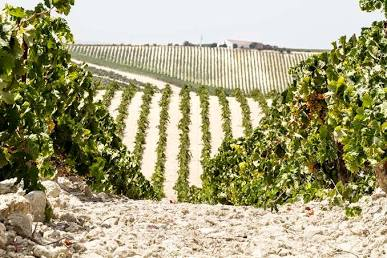
Dating back to the Oligocene epoch, this blindingly white soil is composed of up to 40% pure calcium carbonate, formed by the fossilized remains of ancient marine algae.
- The Winter Sponge: Albariza acts as a brilliant, open-cell sponge. During the rainy winter months, it drinks every drop of water, swelling to trap moisture deep underground.
- The Summer Shield: When the Andalusian summer sun beats down, the upper crust of the soil dries out, forming a hard, reflective white cake. This crust prevents the trapped moisture below from evaporating, while its bright white surface reflects sunlight up into the vine’s leafy canopy, assisting in photosynthesizing sugar while keeping the roots remarkably cool.
2. The Living Veil: Biological Aging and the Power of Flor
Every drop of Manzanilla begins its life as a simple, low-alcohol white wine made from the indigenous Palomino Fino grape. Left to its own devices, Palomino is relatively neutral, showing quiet notes of green apple and chalk. The magic of Manzanilla happens inside the barrel, beneath a living, breathing veil of indigenous yeast known as flor.
Because Sanlúcar’s coastal air remains consistently humid and cool year-round, the local strains of Saccharomyces yeast thrive here with unparalleled vigor. The moment the base wine is fortified to around 15% alcohol and pumped into old oak casks (botas), this yeast floats to the surface and multiplies, forming a thick, waxy, cream-colored blanket that completely covers the top of the liquid.
The Shield and the Sculptor
This process is known as biological aging. The flor serves two critical functions that fundamentally redefine the wine:
- Total Protection: The thick yeast layer acts as a physical barrier against oxygen. Because the wine never touches air during its years in the barrel, it remains pale straw-yellow, avoiding the dark, caramelized oxidative notes found in Oloroso or Amontillado styles.
- Nutrient Metabolism: The living yeast continuously consumes the wine’s residual sugars, glycerol, and volatile acids. In return, it contributes complex chemical compounds, most notably acetaldehydes, which give Manzanilla its distinctive aromas of fresh bread dough, green olives, blanched almonds, and a stark, mouth-watering salinity.
3. The Solera System: A Generational Waterfall
Manzanilla is not defined by vintage years. Instead, it is raised through a dynamic fractional blending process called the Solera and Criadera system.
Imagine rows of 600-liter oak barrels stacked in tiers within a dark, humid cellar. The bottom tier, resting on the floor, is called the Solera itself, containing the oldest, most complex wine. The tiers stacked above it are called Criaderas (nurseries), with the youngest wines resting at the absolute top.
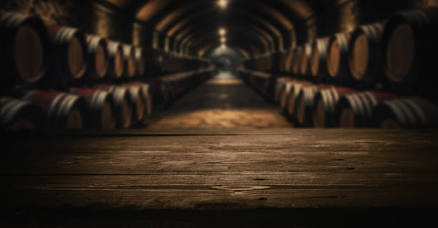
The Mechanics of the Saca
When a bodega prepares to bottle Manzanilla, they perform a saca (extraction), drawing a small fraction of wine (typically less than 30%) exclusively from the bottom Solera barrels.
To replace what was removed, wine from the 1st Criadera directly above is moved down to replenish the bottom barrels. The 1st Criadera is then replenished with younger juice from the 2nd Criadera, and so on down the line.
This constant movement of younger, nutrient-dense wine down through the tiers serves a profound biological purpose: it delivers fresh sugar and nutrients to the aging flor layer at the bottom, keeping the yeast alive, active, and healthy for decades.
4. Architectural Mavericks: Three Standout Sanlúcar Wineries
While massive commercial houses produce millions of liters of standard, highly filtered Manzanilla for local festivals, a handful of exceptional Sanlúcar de Barrameda wineries operate as true architectural and qualitative mavericks. If you are looking to discover the deep, raw, and artisanal side of biological aging, these three names are essential.
Bodegas Alonso
Bodegas Alonso is a premium name that holds some of the oldest, most pristine liquid capital in the entire Sherry Triangle. Founded by two brothers who purchased an old cellar in the heart of Sanlúcar, they committed to an uncompromising philosophy: zero modern filtration, zero rush, and an absolute focus on ultra-premium, aged stock.
- Why They Are Special: They acquired the legendary, historic soleras of deceased master winemakers, including the fabled stocks of Pedro Romero and Gaspar Florido. Rather than blending them away, they nurture these ancient barrels individually.
- The Bottle to Seek: Manzanilla Pasada Velo Flor. A “Pasada” is a Manzanilla that has been aged so long that the flor layer has begun to thin and break up, allowing a tiny hint of structural oxidation to creep in. Alonso’s expression is an absolute titan, intense, nutty, deeply mineral, and shifting into wild balsamic territories.
Bodegas Callejueta
Run by the Blanco brothers, Callejueta is a refreshing, grower-focused anomaly in a region historically dominated by urban blenders. For generations, the family simply grew grapes in the top-tier coastal vineyards (pagos) of Sanlúcar, selling their fruit to large houses. Today, they vinify their own estate fruit with an absolute obsession over vineyard terroir.
- Why They Are Special: They are leading the modern revolution to prove that Sherry isn’t just made in the cellar; it is made in the dirt. They bottle single-vineyard (pago-specific) Manzanillas that allow you to taste the geographic differences between various plots of Albariza soil.
- The Bottle to Seek: Manzanilla Pasada Blanquito. Aged for over eleven years under a fading veil of flor, this bottle is highly concentrated, offering notes of dried chamomile, brine, and toasted walnuts, all driven by intense vineyard energy.
Bodegas Hidalgo La Gitana
While La Gitana is arguably the most famous and widely distributed Manzanilla label in the world, the family-run house remains an absolute benchmark of traditional production. Founded in 1792, they still occupy their historic, ocean-facing cellars located just steps from the Sanlúcar coastline.
- Why They Are Special: Despite their scale, they maintain total control over their historical process. They use their own estate-grown grapes from the prestigious Pago Miraflores, ferment using indigenous yeasts, and maintain their vast soleras using traditional manual methods.
- The Bottle to Seek: Manzanilla La Gitana En Rama. “En Rama” means raw, unfiltered, and drawn straight from the barrel. It skips the heavy carbon clarification processes that strip commercial wines of their character, delivering a cloudy, bright, yellow-green liquid that tastes exactly like standing in the damp aisle of their ancient barrel cellar.
5. Sensory Categories of Manzanilla
Not all Manzanilla is created equal. As the wine travels through the solera system, its profile shifts dramatically based on age, the health of the flor, and the bottling philosophy.
| Category | Average Age | Visual Profile | Taste & Aroma Notes |
| Manzanilla Fina | 3 – 5 Years | Pale straw-yellow, clear | Fresh dough, green apple, crisp sea salt, bright almonds. |
| Manzanilla En Rama | 4 – 6 Years | Hazy gold, unrefined | Deep yeasty breadiness, intense olive brine, chalky grip. |
| Manzanilla Pasada | 7 – 12 Years | Deep amber-gold | Toasted hazelnuts, dried orange peel, intense salinity, structure. |
6. Sourcing Guide: Where to Buy High-End Sherry Online
Tracking down these specialized, artisanal coastal expressions requires stepping outside standard local wine shops. When looking to acquire top-tier bottles, regional specialization and direct-from-origin logistics matter immensely. These are the premier digital platforms for building your collection.
Decantalo
For direct access to the entire Spanish market, Decantalo is an exceptional international digital merchant. Based directly in Spain, their warehouse access to small-scale Andalusian bodegas is unparalleled.
- Why Use Them: Their logistical pipeline from independent Spanish cellars means you can source highly specialized grower-producer bottles, like the terroir-specific single-vineyard expressions from Bodegas Callejueta or raw En Rama seasonal releases, long before they land on traditional export shelves. Their shipping methods use custom molded pulp packaging that protects the delicate, temperature-sensitive flor characters during transport.
Wijbeurs
For collectors searching out rich, concentrated companion pieces to balance the bone-dry salinity of Manzanilla, Wijbeurs provides an excellent European sourcing option, particularly for high-quality, unctuous dessert styles from historic houses.
- The Essential Sourcing Target: Look to them specifically to secure the legendary Emilio Hidalgo Pedro Ximénez (PX) Sherry. Emilio Hidalgo is a magnificent, ultra-traditional house based in Jerez de la Frontera. While your Manzanilla provides the dry, crisp, ocean-fresh overture to a meal, a bottle of Emilio Hidalgo PX serves as the ultimate dark, decadent finale. Made from sun-dried Pedro Ximénez grapes and aged for years in an old solera, it pours like liquid mahogany, coating the glass with rich notes of dried figs, dates, dark chocolate, and roasted molasses.
Coastal Gastronomy: The Art of the Sanlúcar Table
There is an old saying in Andalusia: “If it runs from the sea, it pairs with Manzanilla.” Because the wine is entirely bone-dry, virtually acid-driven, and packed with savory compounds, it acts as an incredible flavor enhancer rather than a heavy coating layer.
The Ultimate Pairing: Seafood and Boiled Prawns
The undisputed king of the local table is seafood, specifically prawns, shrimp, and baby squid landed daily at the local fishing ports.
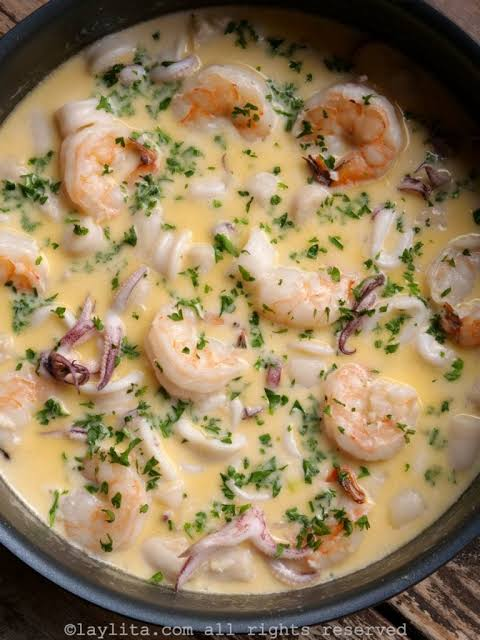
- The Execution: Simply boil fresh prawns in highly salted water or poach them in a light garlic herb broth, chill them briefly, and serve them alongside a bone-dry, ice-cold glass of Manzanilla En Rama. The wine’s intense, mineral salinity matches the sweet, iodine-rich crunch of the shellfish perfectly, cutting through the richness and cleansing the palate after every single bite.
The Final Veracity: Embodying the Coast
Manzanilla de Sanlúcar is more than just an entry point into fortified winemaking. It is a living, breathing testament to the power of a specific place. It refuses to be replicated anywhere else on the planet, because the moment you move those identical oak barrels even ten miles inland, the delicate ocean-loving flor changes its character entirely.
Whether you are uncorking a fresh, vibrant bottle of raw En Rama alongside fresh seafood or exploring the profound, ancient depth of a decades-old Pasada, you are participating in a conversation between the white chalky earth, the living yeast, and the relentless Atlantic breeze.
Did you enjoy reading about Manzanilla de Sanlúcar? Find other Spanish wine regions here or go straight to our blog about the magic of Rioja.
One Comment
Comments are closed.