Uncorking the Valdepeñas Wine Region: A Complete Guide to Spain’s Best-Kept Secret
When most wine lovers think of Spanish reds, their minds immediately drift toward the famous rolling hills of Rioja or the prestigious estates of Ribera del Duero. Yet, sitting quietly on the sun-baked southern plateau of Castilla-La Mancha is a historic powerhouse of Spanish viticulture: the Valdepeñas wine region.
For centuries, Valdepeñas was the engine room of Spanish wine, quenching the thirst of Madrid’s bustling taverns. Today, it is a region undergoing a quiet revolution. Winemakers here are combining ancient traditions with cutting-edge technology to produce structured, deeply complex wines that offer some of the best value-for-money in the world.
Whether you are planning a wine-tasting trip through the heart of Spain or simply looking to expand your cellar with exceptional bottles purchased from trusted merchants like Decantalo or Colaris, this guide will walk you through everything you need to know about Valdepeñas. We will explore the harsh but rewarding terroir, the dominant grape varieties, the historic bodegas waiting for your visit, and the bottles you should be buying right now.
A Journey Through Time: The History of Valdepeñas
To truly understand a wine, you have to understand the history of the land from which it springs. In Valdepeñas, viticulture is not a recent commercial endeavor; it is woven into the very fabric of local existence.
Ancient Roots and the Thirst of Madrid
Winemaking in Valdepeñas stretches back to antiquity. Archaeological evidence suggests that the ancient Iberians cultivated vines here long before the Romans arrived. However, it was during the Roman occupation that viticulture became systematic.
Fast forward to the 16th and 17th centuries, and Valdepeñas became the undisputed wine of choice for the Spanish capital, Madrid. Before the advent of the railway, the journey from Valdepeñas to Madrid was long and arduous. Wine was transported in massive animal skins carried by carts. It was during this era that the region became famous for Aloque or Clarete, a light, highly drinkable wine made by co-fermenting red and white grapes. It was refreshing, cheap, and consumed in vast quantities.
The Phylloxera Exception
In the late 19th and early 20th centuries, the Phylloxera louse devastated the vineyards of Europe, wiping out entire regions in France and northern Spain. Valdepeñas was hit in 1911, but something fascinating happened: the region’s unique sandy soils proved to be a hostile environment for the pest. Because the louse struggles to navigate through sand, a significant portion of Valdepeñas’s oldest vines survived. Today, you can still find ancient, ungrafted vines growing on their original rootstocks, producing tiny yields of incredibly concentrated fruit.
The Era of Tinajas
Before the widespread adoption of French and American oak barrels, Valdepeñas fermented and stored its wine in tinajas, massive clay earthenware jars that could hold thousands of liters. These porous clay vessels allowed for micro-oxygenation, similar to an oak barrel, but without imparting any woody flavors, leaving the pure expression of the fruit intact. While stainless steel and oak dominate today, a few artisanal producers are returning to these historic tinajas to create unique, terroir-driven cuvées.
Understanding the Terroir: Climate, Soil, and Altitude
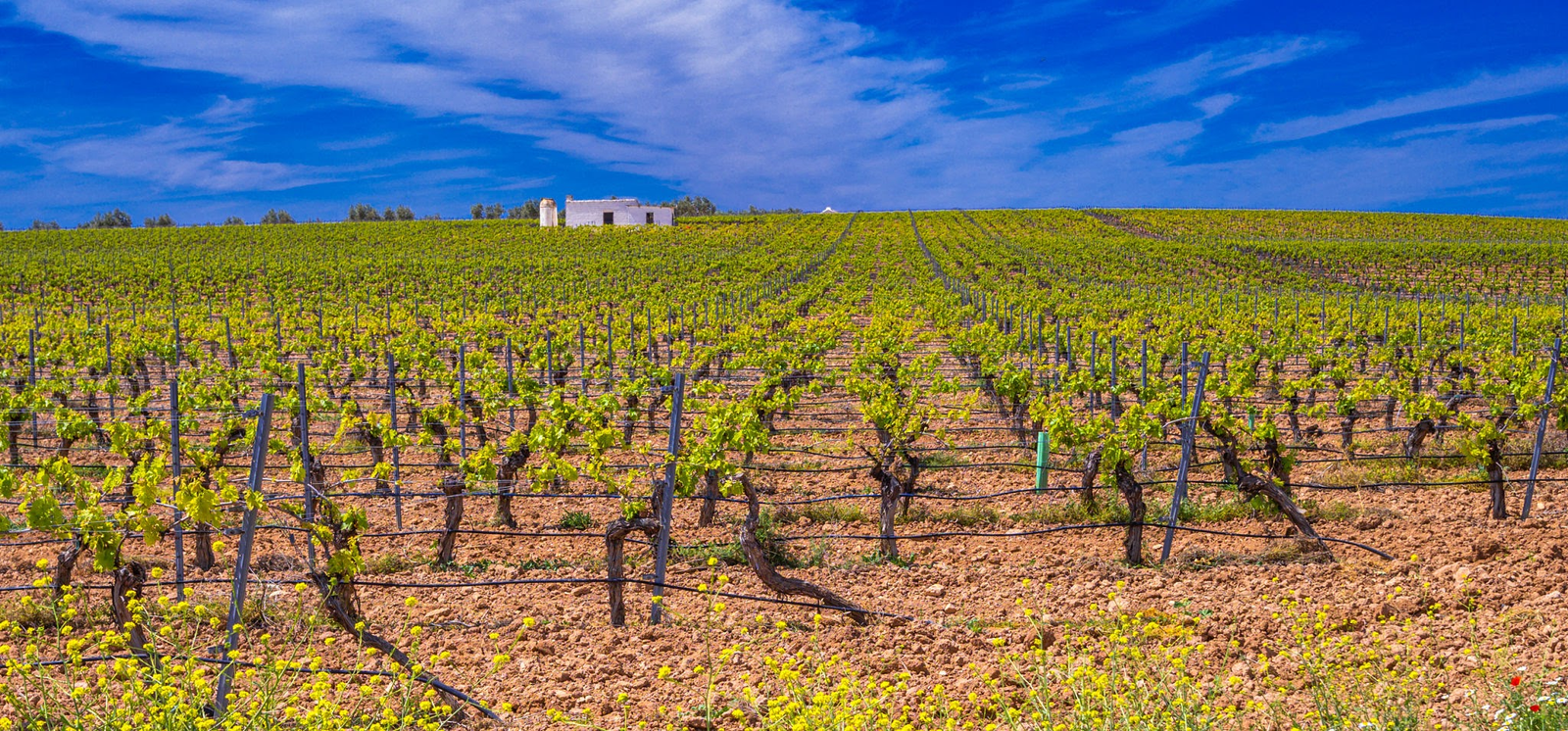
The word “Valdepeñas” translates directly to “Valley of Rocks,” which gives you an immediate clue about the landscape. The terroir here is severe, extreme, and incredibly demanding on the vines. This adversity is exactly what builds character in the grapes.
An Extreme Continental Climate
Valdepeñas sits in a geographical bowl on the southern edge of the Castilian plateau, shielded by the Sierra Morena mountain range to the south. This topography creates a fierce, extreme continental climate. Locals often describe the weather as “nine months of winter and three months of hell”.
During the peak of summer (July and August), the sun beats down relentlessly, with temperatures frequently soaring above 40°C (104°F). With over 2,500 hours of annual sunshine and a meager 200 to 400mm of rainfall, drought is a constant threat.
However, the secret to the region’s success lies in the altitude. Sitting at an elevation of 700 to 820 meters (around 2,300 to 2,690 feet) above sea level, the nights in Valdepeñas are remarkably cold. This massive diurnal temperature shift, a drop of up to 20°C from day to night, acts as a braking system for the vines. It preserves the vital natural acidity in the grapes and locks in complex aromatic compounds, preventing the wines from becoming overly jammy or flabby.
The “Tosca” Soils
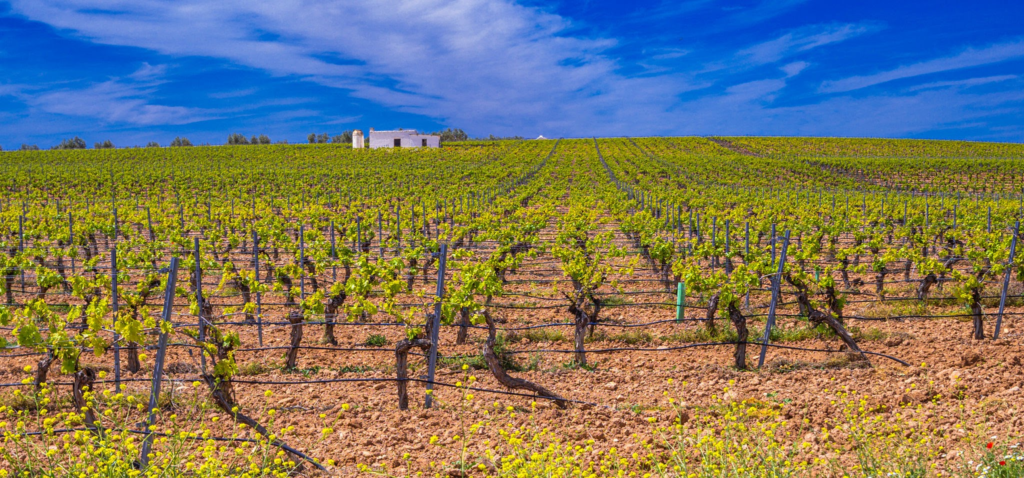
If the climate is the engine of Valdepeñas, the soil is its anchor. The region is defined by its low-fertility soils, heavily laden with limestone, clay, and sand. The surface is often covered in pebbles and stones, which serve a dual purpose: they reflect sunlight back up into the vine canopy during the day to aid ripening, and they retain heat to keep the vines warm during the shockingly cold nights.
Beneath this stony topsoil lies a layer of chalky, calcareous subsoil known locally as Tosca. This limestone-rich layer acts like a natural sponge. It absorbs the scarce winter rainfall and holds it deep underground, forcing the vine roots to dig deep to find hydration during the blistering summer months. This deep rooting system imparts a distinct, stony minerality to the best Valdepeñas wines.
The Grapes of Valdepeñas
While the DO (Denominación de Origen) permits several grape varieties, the identity of Valdepeñas is inextricably linked to two dominant players: one red, and one white.
Cencibel (Tempranillo): The Undisputed King
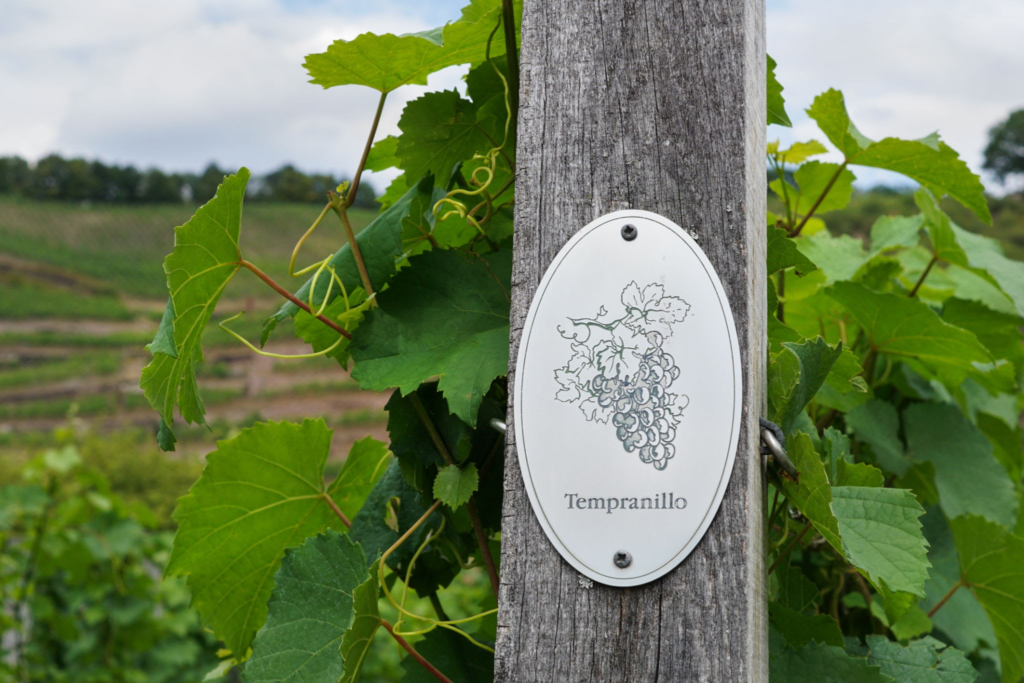
If you buy a red wine labeled Valdepeñas, you are almost certainly drinking Cencibel. This is the local name for Tempranillo, Spain’s most famous red grape. Cencibel accounts for roughly 90% of all red plantings in the region.
However, Cencibel grown in the extreme heat of Valdepeñas tastes remarkably different from Tempranillo grown in the cooler, wetter climates of Rioja. The Valdepeñas iteration develops thicker skins to protect itself from the sun, resulting in deeply colored wines with robust tannins.
Tasting Notes for Valdepeñas Cencibel:
- Fruit: Ripe blackberry, dark plum, and black cherry.
- Earth: Leather, dry tobacco leaf, and a distinct dusty minerality.
- Oak Influence: Traditional styles lean heavily on American oak, imparting sweet vanilla, coconut, and dill. Modern styles blend French and American oak for subtle toast, cedar, and baking spices.
The Supporting Reds
While Cencibel is the star, the region has embraced international varieties to add complexity to their blends.
- Cabernet Sauvignon: Thrives in the heat, adding structural backbone, firm tannins, and dark cassis notes. A blend of 80% Cencibel and 20% Cabernet is highly favored for premium bottlings.
- Syrah: Adds peppery spice and a plush, velvety texture.
- Garnacha (Grenache): Historically used for rosés, but increasingly used in red blends for its juicy red fruit and floral aromatics.
Airén: The Resilient White
White wine production actually accounts for a massive portion of the region’s output, and Airén is the primary grape. Historically, Airén was considered a workhorse grape, used for brandy distillation or blended into red wines to soften them.
It is arguably the most drought-resistant vine in the world, capable of surviving the brutal La Mancha summers. Modern winemaking techniques, including temperature-controlled stainless steel fermentation, have transformed Airén from a neutral bulk wine into a crisp, light-bodied, and highly refreshing white wine bursting with notes of green apple, citrus, and white flowers.
The Wine Classifications of Valdepeñas
Understanding the label on a Spanish wine bottle is crucial to knowing what is inside. Valdepeñas strictly adheres to the traditional Spanish aging classifications, which dictate how long the wine must rest in oak barrels and in the bottle before release.
- Joven (Young): Wines released the year after harvest with zero (or minimal) oak contact. They are all about fresh, primary fruit. Expect bright, crunchy red berries. Serve them slightly chilled.
- Crianza: The sweet spot for value. Red wines must be aged for a minimum of 24 months, with at least 6 of those months spent in oak barrels. They strike a perfect balance between fresh fruit and the vanilla/spice notes of the wood.
- Reserva: A serious step up in complexity. These reds are aged for a minimum of 36 months, with at least 12 months in oak barrels. The fruit notes transition from fresh to dried (figs, prunes), and savory notes of leather and forest floor begin to emerge.
- Gran Reserva: Only made in exceptional vintages. These spend a minimum of 60 months aging, with at least 18 months in oak. These are deeply tertiary, contemplative wines that rival the best of Spain at a fraction of the cost.
Top Bodegas to Visit in Valdepeñas
Wine travel in Valdepeñas is a distinctly different experience than visiting Napa or Bordeaux. It is less polished and far more authentic. Here, you are likely to be guided by the winemaker themselves, exploring cavernous underground cellars that feel like stepping back in time. If you are building a Valdepeñas itinerary, these bodegas are must-visits.
1. Bodegas Los Llanos (Señorío de los Llanos)
If you want to experience the sheer scale and history of Valdepeñas, this is your first stop. Founded in 1875, Bodegas Los Llanos is a pioneer of the region. The highlight of the visit is the breathtaking “Cueva del Arte” (Cave of Art).
This is one of the largest and oldest underground cellars in all of Spain. Descending into the silence and darkness of the caves, you will walk past a staggering 30,000 oak barrels quietly aging the estate’s top wines. The natural hygrothermal conditions of the cave eliminate the need for artificial climate control, making it a masterpiece of sustainable, historical engineering. Their guided tours are renowned for their depth, concluding with a generous tasting of their premium Gran Reservas.
2. Bodegas Real
Located slightly outside the main city near Montiel, Bodegas Real represents the boutique, terroir-driven side of Valdepeñas. Situated in an idyllic rural setting, their focus is on harnessing the true character of the Tosca soils.
Their wine tourism program is highly interactive. Rather than a standard “drink and nod” tasting, their guides (like the beloved Mari) lead visitors through a rigorous sensory analysis—evaluating the look, smell, and taste of the wine to truly understand how the climate and grape interact. It is a highly educational stop that will elevate your palate.
3. Félix Solís (Viña Albali)
You cannot discuss Valdepeñas without discussing Félix Solís. They are the giants of the region, accounting for a massive percentage of the DO’s total production. While massive scale often implies lower quality, Félix Solís has heavily invested in world-class technology to ensure their wines punch well above their price point.
A visit here is a lesson in modern, sustainable winemaking. Their facility utilizes over 500,000 kWh of solar energy, turning the region’s blistering sun into the power source that cools their stainless steel tanks. Their flagship label, Viña Albali, is likely the most recognizable Valdepeñas wine on the global market.
4. Bodegas Navarro López
A phenomenal family-owned winery that has been producing award-winning wines for generations. Navarro López is highly respected for balancing the traditional Cencibel expression with modern techniques. They are a fantastic place to taste the difference between a traditional 100% Cencibel and a modern Cencibel-Cabernet blend.
The Buyer’s Guide: Valdepeñas Wines to Try Today
You don’t have to fly to central Spain to experience the magic of this region. Thanks to excellent online purveyors like Decantalo, Colaris, and Wijnbeurs, sourcing great Valdepeñas wine has never been easier. Because the region doesn’t carry the premium price tag of Rioja, you can routinely find Gran Reserva wines for the price of an entry-level bottle from elsewhere.
Here are the styles you should be adding to your cart:
1. The Classic Value: A Cencibel Reserva
When browsing Decantalo or Colaris, look for a classic Valdepeñas Reserva. Brands like Viña Albali or Señorío de los Llanos produce Reservas that offer unbelievable value.
- What to expect: Five years of total aging softens the tannins into velvet. You’ll get rich dark cherry, toasted vanilla from the American oak, and a hint of clove.
- Pairing: This is tailor-made for roasted lamb, heavily marbled ribeye steaks, or a mature block of Manchego cheese.
2. The Modern Blend: Cencibel & Cabernet Sauvignon
Look for estates experimenting with the authorized international varieties. A blend that incorporates 15% to 20% Cabernet Sauvignon into a Cencibel base provides a fascinating tasting experience.
- What to expect: The Cabernet adds a rigid tannin structure and notes of blackcurrant and cedar, elevating the plush, fruity nature of the Tempranillo.
- Pairing: A hearty beef stew, venison, or a rich mushroom risotto.
3. The Summer Sipper: Fresh Airén
Don’t ignore the whites! Look for young, stainless-steel fermented Airén from the most recent vintage.
- What to expect: Bone dry, highly acidic, and incredibly crisp. It offers delicate notes of green apple, lemon zest, and white peach.
- Pairing: Grilled white fish, calamari, or simply enjoyed ice-cold on a hot patio.
Planning Your Trip: Travel Tips for the Wine Lover
If reading about these wines has inspired you to book a flight, Valdepeñas is wonderfully accessible for wine tourists.
How to Get There
Valdepeñas is located in the province of Ciudad Real in Castilla-La Mancha. It is strategically positioned on the main highway connecting Madrid to Andalusia.
- From Madrid: It is an easy 2-hour drive south straight down the A-4 highway. This makes it a perfect weekend getaway or a strategic stopover if you are driving from Madrid to Seville or Granada.
- By Train: Spain’s excellent rail network (Renfe) connects Madrid to Valdepeñas, making day trips highly feasible.
When to Visit
- The Best Time: September is the undisputed best time to visit. The brutal heat of the summer has broken, and the harvest (vendimia) is in full swing. The energy in the bodegas is electric, and the town hosts various wine festivals.
- The Time to Avoid: Unless you have a remarkably high tolerance for heat, avoid August. Temperatures frequently exceed 40°C, and many locals leave for the coast to escape the sun.
Beyond the Wine: What to Eat
You cannot drink Valdepeñas wine without indulging in the local gastronomy. This is the heartland of Don Quixote, and the food is hearty, rustic, and deeply satisfying.
- Manchego Cheese: You are in La Mancha! The local sheep’s milk cheese, ranging from soft and young (semicurado) to hard and sharp (añejo), is the ultimate pairing for a Cencibel Crianza.
- Migas: A traditional shepherd’s dish made of fried breadcrumbs, garlic, chorizo, and pork belly.
- Pisto Manchego: Spain’s answer to ratatouille, a rich stew of tomatoes, peppers, zucchini, and onions, often topped with a fried egg.
Conclusion
The Valdepeñas wine region is a testament to the resilience of the vine. In a landscape defined by extreme temperatures, scarce water, and rocky soils, winemakers have carved out a legacy of producing deeply characterful, historic wines.
For the modern wine consumer, Valdepeñas represents the ultimate sweet spot: the intersection of centuries-old winemaking tradition, rigorous aging standards, and incredibly accessible pricing. Whether you are walking through the echoing, barrel-lined depths of the Cueva del Arte at Bodegas Los Llanos, or simply opening a beautifully aged Gran Reserva ordered from Decantalo in your own dining room, Valdepeñas is a region that continually over-delivers.
It is time to look beyond the usual suspects. Pour yourself a glass of Cencibel, savor the complexity, and discover why Valdepeñas is truly Spain’s best-kept secret.