Lombardy Wine Region Guide: Alpine Nebbiolo, Lugana Whites, and the Wines Milan Actually Drinks
Lombardy tends to get reduced to a single wine in most people’s minds: Franciacorta, the region’s celebrated sparkling wine and a worthy subject in its own right, covered elsewhere on this site. But Franciacorta is only one corner of a region that stretches from alpine terraces near the Swiss border down to the flat plains south of the Po, and the rest of that territory deserves far more attention than it usually gets. Valtellina grows some of Italy’s most distinctive high-altitude Nebbiolo. Lake Garda’s southern shore produces Lugana, a white wine of genuine depth and aging potential. And Oltrepò Pavese, largely unknown outside Italy despite being one of the country’s largest wine-growing areas, turns out serious Pinot Noir alongside everyday Bonarda that most of Milan drinks without a second thought.
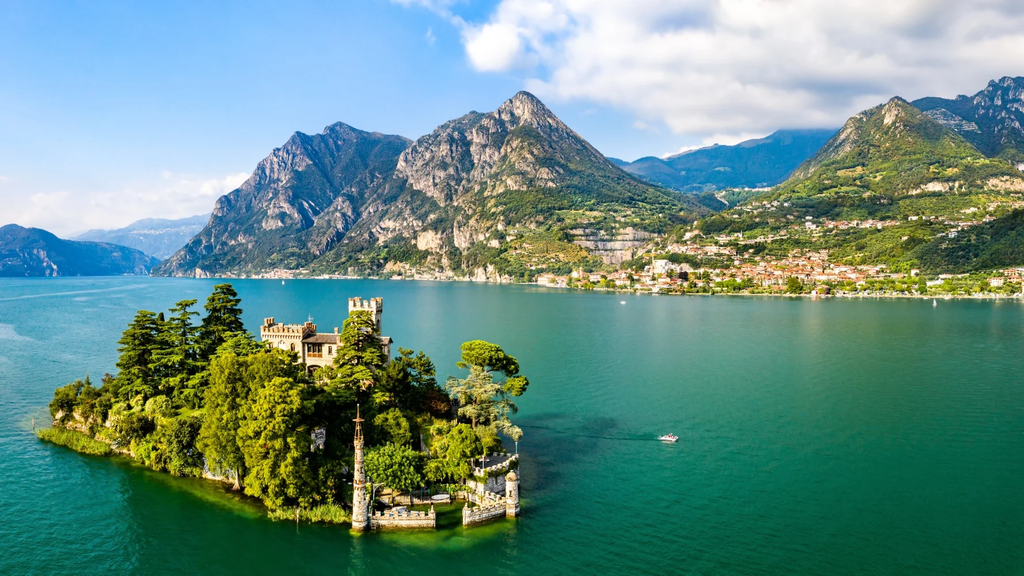
This guide sets Franciacorta aside and focuses on the rest of Lombardy: the appellations, the grapes, four wineries worth visiting, and several bottles currently available through Wijnbeurs, Colaris and Decántalo.
Lombardy Beyond the Bubbles
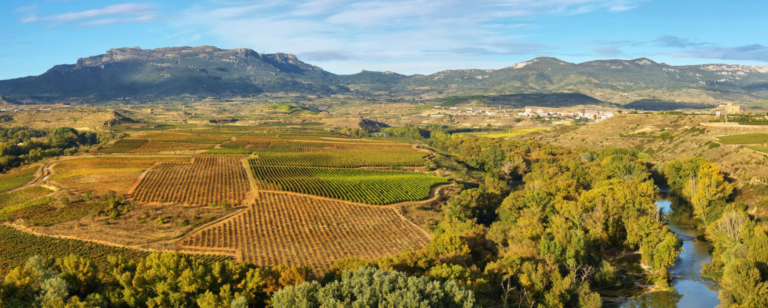
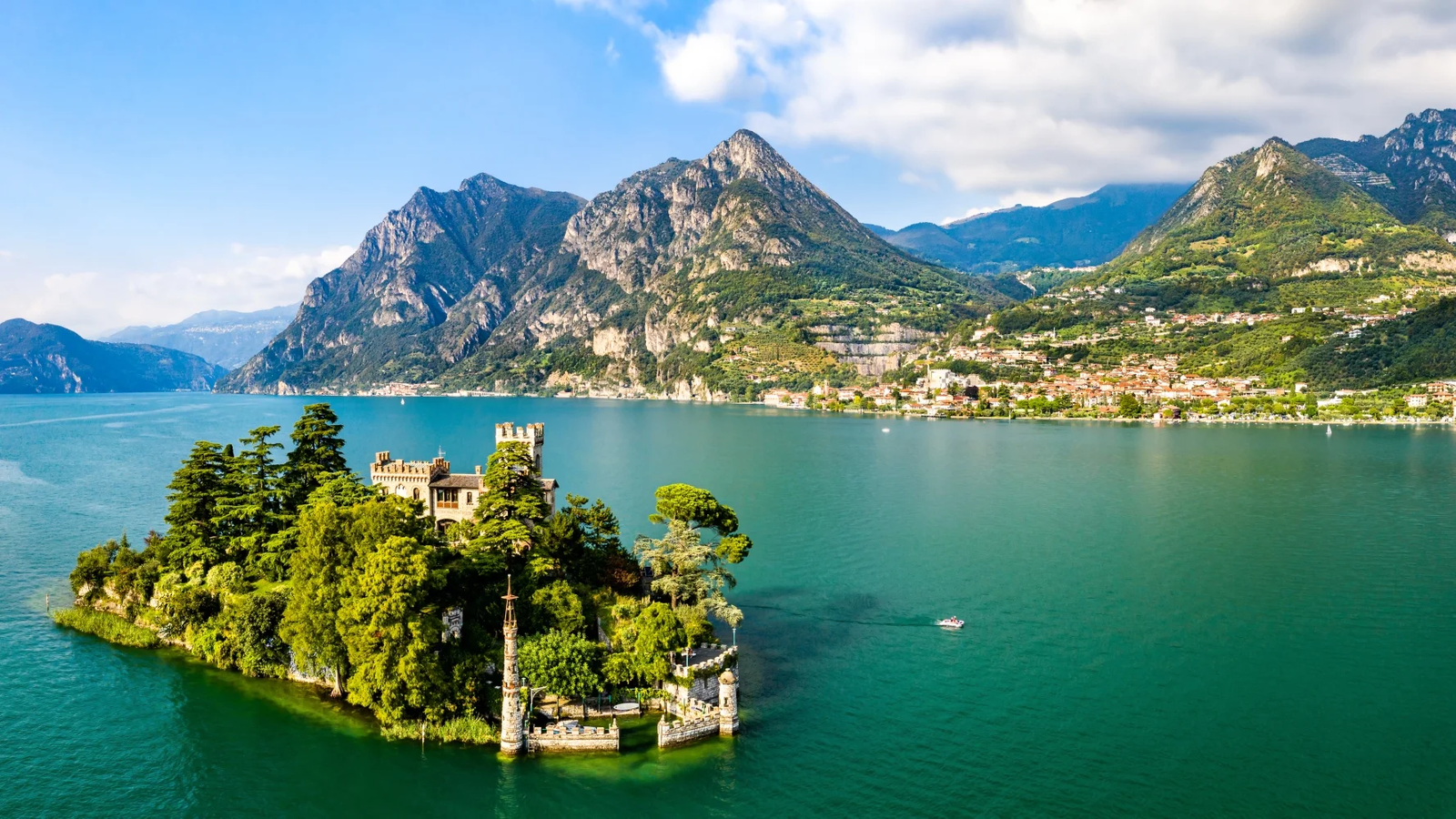
Lombardy is Italy’s most populous region and its financial center, with Milan sitting at the heart of a territory that runs from the high Alps down to the Po River plain. That geographic range gives Lombardy a genuinely unusual spread of wine styles for a single region. The Valtellina valley, tucked against the Swiss border in the province of Sondrio, grows Nebbiolo on some of the steepest terraced vineyards in Italy, at altitudes between roughly 300 and 800 meters, where the grape develops a leaner, more aromatic character than its Piedmontese cousins in Barolo and Barbaresco. Further south, the shores of Lake Garda and Lake Iseo moderate the climate enough to support both Lugana’s crisp whites and Franciacorta’s sparkling wine production. And in the far south of the region, Oltrepò Pavese sprawls across rolling hills that quietly account for a large share of Lombardy’s total wine output, much of it historically sold off in bulk as base wine for sparkling production elsewhere rather than bottled and recognized under its own name.
For a long time, Lombardy’s own wine drinkers preferred bottles from Tuscany and Piedmont over anything made at home, and it has taken decades of quality-focused work by producers across these zones to change that. The results are now serious enough that a wine traveler willing to look past Franciacorta will find some genuinely rewarding, still relatively undiscovered territory.
The Key Wine Zones of Lombardy
Valtellina: Nebbiolo at Altitude
Valtellina sits in the far north of Lombardy, a narrow east-west valley pressed against the Swiss border between the Orobie and Retiche Alps, and it grows Nebbiolo under conditions almost nothing like Piedmont’s. Here the grape is known locally as Chiavennasca, and it is planted on steep, hand-worked terraces held up by dry-stone walls, many too narrow or too steep for any kind of machinery. The valley is divided into distinct subzones, most notably Sassella, Grumello, Inferno and Valgella, each producing Nebbiolo with a slightly different character depending on exposure, altitude and soil.
Wines labeled Valtellina Superiore DOCG must contain at least 90 percent Nebbiolo and typically show a lighter body and higher acidity than Barolo, with aromas of red cherry, rose petal, dried herbs and a distinct mineral, sometimes flinty edge from the valley’s granite and schist soils. The more everyday Rosso di Valtellina DOC offers a fresher, more immediate expression of the same grape, generally meant for earlier drinking.
The valley’s most distinctive wine, though, is Sforzato di Valtellina DOCG, often called Sfursat. Made from a selection of the best Nebbiolo grapes, picked slightly early and then dried on racks or in climate-controlled rooms called fruttai for one to three months before pressing, Sforzato loses a significant portion of its water weight during drying, concentrating sugars and flavor. The result is a dry, full-bodied red with considerably higher alcohol than standard Valtellina wines, often compared to a cross between Barolo’s complexity and Amarone’s richness, with aromas of dried fruit, licorice, baking spices and tar. Sforzato received DOCG status in 2003, notably seven years before Amarone della Valpolicella earned the same recognition, a detail Valtellina producers are understandably proud of.
Lugana: Lake Garda’s Serious White
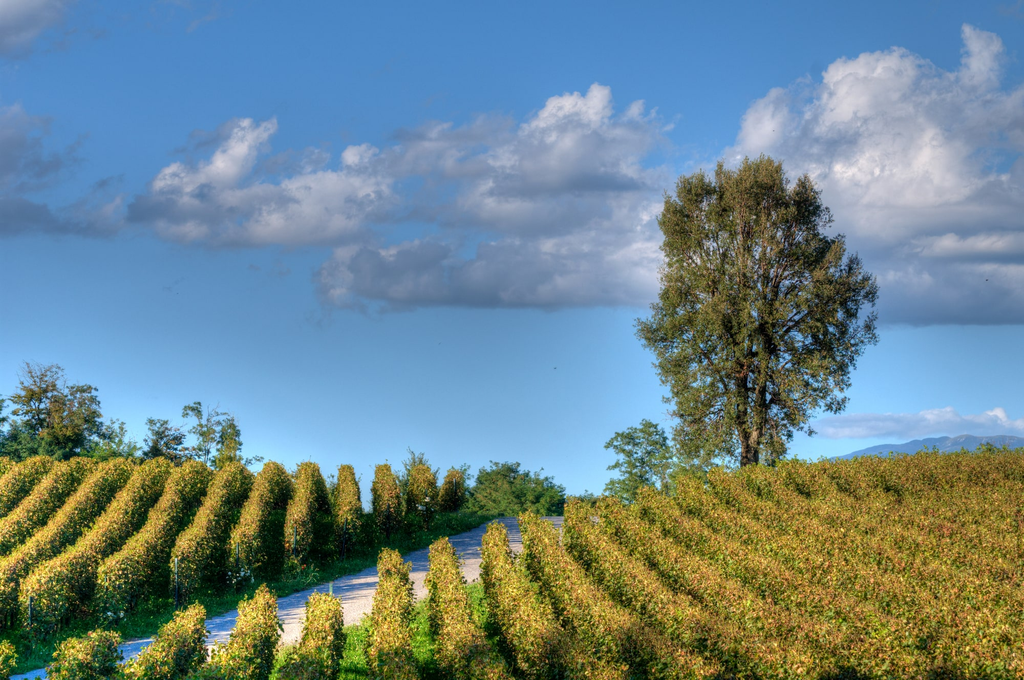
Lugana sits on the southern shore of Lake Garda, straddling the border between Lombardy and Veneto, with vineyards spread across a relatively small, flat zone of calcareous clay soils. The wine is made from Turbiana, a local clone of Trebbiano, and it produces whites considerably more substantial than most Italian Trebbiano-based wines. Young Lugana shows white flowers, ripe apricot and almond, with a full, rounded palate balanced by lively acidity, and the better examples develop real complexity with a few years of bottle age, taking on honeyed, mineral, and occasionally smoky notes that some tasters compare to a good white Burgundy. The lake itself plays a real role in the wine’s character, moderating temperatures and creating a distinct microclimate that sets Lugana apart from other Trebbiano-based whites elsewhere in Italy.
Oltrepò Pavese: Italy’s Underrated Pinot Noir Country
South of Milan and south of the Po River, from which the zone takes its name, Oltrepò Pavese is Lombardy’s largest wine-producing area, and also its least internationally known. For decades, much of what was grown here, particularly Pinot Noir, was sold in bulk to sparkling wine houses elsewhere in Italy and France rather than bottled under the Oltrepò Pavese name, which is part of why the zone never built the same reputation as Franciacorta or Valtellina despite genuinely serious raw material. That is slowly changing as a growing number of estates bottle their own Pinot Noir, both as still wine and as traditional-method sparkling wine under the Oltrepò Pavese Metodo Classico DOCG, granted in 2007.
Alongside Pinot Noir, the zone also produces Bonarda, made from the Croatina grape, a lightly sparkling, dark, fruity red that functions as Milan’s everyday drinking wine rather than an export product, plus a range of Riesling, both Riesling Italico and Riesling Renano, that tends to be underrated even within Italy. Barbera also has a strong presence here, as it does across much of northern Italy.
San Colombano and the Smaller Pockets
Beyond these three main zones, Lombardy has a scattering of smaller, lesser-known DOCs worth knowing about, including San Colombano al Lambro, a tiny appellation southeast of Milan producing red wines from Croatina, Barbera and Uva Rara, notable mainly for being one of the only vineyard areas within easy reach of the city itself. Valcalepio, near Bergamo, and the Garda DOC, which spans both the Lombardy and Veneto shores of the lake, round out a region with considerably more diversity than its reputation for sparkling wine alone would suggest.
Four Wineries Worth Building a Trip Around
Ar.Pe.Pe, Sondrio
Ar.Pe.Pe is widely considered the reference producer for serious Valtellina Nebbiolo, and its history reflects the valley’s own difficult path back to recognition. The estate traces back to the 1860s under the Pelizzatti family name, but financial difficulty forced the family to sell both the winery name and part of its vineyards in the 1970s. Arturo Pelizzatti Perego rebuilt the business from six hectares in 1984 under the acronym Ar.Pe.Pe, and the estate is now run by his three children, Isabella, Emanuele and Guido, representing the fifth generation of the family working with Nebbiolo in Valtellina. The estate farms thirteen hectares of Chiavennasca across the Sassella, Grumello and Inferno subzones, all worked entirely by hand given the steepness and narrowness of the terraces.
The winery itself, rebuilt in 2010 and 2011, is worth the visit on architectural merit alone, with a living roof and a modern tasting room built into the hillside on Via del Buon Consiglio, where Sondrio meets the Montagna district. Visits are by appointment only and the small team does not accept visitors during harvest, so booking well ahead is essential, but the resulting tasting, which can stretch back through vintages to the 1990s, is regularly cited as one of the more memorable experiences in Italian wine.
- Address: Via del Buon Consiglio 4, 23100 Sondrio (SO)
- Booking: By appointment only; contact through the estate’s official website; not available during harvest periods
Nino Negri, Chiuro
Founded in 1897, Nino Negri is one of Valtellina’s oldest and most recognized estates, housed within the fifteenth-century Castello Quadrio in the town of Chiuro. The castle sits above a network of underground cellars that hold thousands of barrels, and the estate controls close to 160 hectares of Chiavennasca vineyard across Valtellina’s main subzones, including the well-regarded Fracia cru, planted since 1995 with an unusual horizontal training system. The winery’s reputation rests heavily on its Sfursat 5 Stelle, one of the most awarded Sforzato bottlings in the valley, made under longtime winemaker Casimiro Maule, who worked at the estate from 1971 and was named Winemaker of the Year by Gambero Rosso in 2007.
Visits and tours can be booked from Tuesday to Saturday and typically combine a walk through the historic underground cellars with a tasting of wines representing Valtellina’s main appellations, with a more in-depth option available that includes barrel samples of wines still aging.
- Address: Via Ghibellini 3, 23030 Chiuro (SO)
- Booking: Tuesday to Saturday by reservation, contact n.negri@giv.it
Ca dei Frati, Lugana di Sirmione
Tracing its roots back to a document from 1782 referring to a house and cellar in Lugana known as the place of the friars, Ca dei Frati is widely regarded as Lugana’s defining producer, farming around 200 hectares and accounting for a meaningful share of the entire appellation’s production. The modern estate took shape from 1939 onward under Felice Dal Cero, whose son Pietro helped establish the Lugana DOC in 1969 and bottled the estate’s first labeled Lugana that same year. The winery is now run by the third generation of the Dal Cero family and remains focused on Turbiana, though it also produces rosé, sparkling wine and a small range of reds from Marzemino, Sangiovese and Cabernet.
The estate offers a standard wine tour with a tasting of four wines, free of charge and requiring no reservation for groups of six or fewer, along with a more elaborate paid experience that pairs a guided cellar tour with a tasting and a meal at one of the family’s restaurants on the lakeshore, a short drive from the winery itself.
- Address: Via Frati 22, 25019 Lugana di Sirmione (BS)
- Booking: Standard tours available without reservation for small groups; groups over six or the full wine and dining experience should book through mattia@cadeifrati.it
Tenuta Travaglino, Calvignano
For a fourth stop in Oltrepò Pavese, Tenuta Travaglino is the oldest winery in the zone, with origins tracing back to a monastery first documented in the year 1111. The estate was purchased by the Comi family in 1868 and remains family-run today, farming around 80 hectares within a 300-hectare property that includes a historic hamlet, an inn and centuries-old cellars carved from the original monastery structure, including a medieval ice cellar once used to preserve food. Travaglino specializes in Pinot Nero, both as still wine and as traditional-method sparkling wine aged on the lees for anywhere from two to nearly six years, alongside a well-regarded Riesling.
The historic cellars and tasting room are open daily by reservation, and the estate’s wine shop, set within the old monastery buildings, is also open without appointment on weekends for tastings and purchases.
- Address: Calvignano (PV)
- Booking: Guided tours and tastings by reservation; contact through the estate’s official website. Weekend wine shop visits do not require booking
Wines to Buy Before You Go
Given how little Valtellina and Oltrepò Pavese wine reaches most international retailers compared to Tuscany or Piedmont, actual confirmed stock matters even more here than usual.
Ar.Pe.Pe Rosso di Valtellina, available through Decántalo, offers a genuinely representative and more accessible introduction to the estate’s style, made from Nebbiolo grown between 350 and 400 meters on granite and schist soils, with the fresh red fruit and fine tannin structure the estate is known for, at a considerably lower price point than its Superiore bottlings.
Ar.Pe.Pe Valtellina Superiore Grumello Rocca de Piro, also available through Decántalo, comes from the estate’s own vineyards in the Grumello subzone, showing the thicker-skinned, more structured expression of Nebbiolo that this particular site produces thanks to its south-facing exposure and rocky, nutrient-poor soils.
La Perla La Mossa Valtellina Superiore DOCG, available through Colaris, is a 100 percent Nebbiolo from a small estate with just over three hectares planted in the Valtellina Superiore zone, aged for three years in large oak barrels followed by further bottle age, showing a more elegant, finesse-driven style with juicy red cherry, cranberry and wild herb character.
For Lugana and Oltrepò Pavese specifically, neither Wijnbeurs nor Colaris currently show a confirmed, specific bottle from Ca dei Frati or Travaglino in stock at the time of writing, so it is worth checking their current catalogs directly before planning a purchase around either producer by name. In the meantime, Vinello and estate webshops, including Ca dei Frati’s own online shop, are reliable fallback options for both Lugana and Oltrepò Pavese wines shipped within the EU.
Food Pairing in Lombardy
Lombard cuisine leans toward hearty, mountain and lake fare rather than the tomato-and-olive-oil cooking of southern Italy, and the region’s wines follow suit. Valtellina Superiore, with its bright acidity and moderate tannin, pairs naturally with bresaola, the air-dried beef that originates in this very valley, as well as pizzoccheri, the valley’s buckwheat pasta dish with cabbage, potato and melted cheese. Sforzato, richer and higher in alcohol, wants aged cheeses, game or braised meats, standing up well to dishes that would overwhelm a standard Valtellina red. Lugana’s fuller-bodied whites suit the freshwater fish pulled from Lake Garda itself, along with risotto and lighter white meats, while a well-aged bottle can handle richer preparations that a simpler Trebbiano would struggle with. Oltrepò Pavese’s Pinot Noir works well with the region’s cured meats and softer cheeses, and the zone’s lightly sparkling Bonarda is the everyday match for cured salami and the rich, buttery cooking found throughout the Po plain.
Getting There and Getting Around
Milan’s two main airports, Malpensa and Linate, serve as the natural entry point for any Lombardy wine trip, though the different zones sit at considerable distances from each other and from the city. Valtellina is the most remote of the three, roughly a two-hour drive or train ride northeast from Milan into the mountains near Sondrio, and a car is close to essential for visiting more than one winery given the valley’s narrow roads and the isolation of individual estates on steep terraces. Lugana, on the southern shore of Lake Garda, sits closer to Verona than to Milan and is an easy stop for anyone already exploring the lake region or traveling between Milan and Venice. Oltrepò Pavese, south of Pavia, is the closest of the three to Milan itself, reachable within roughly an hour by car, making it realistic to combine a morning in the city with an afternoon among the vineyards.
Harvest season, typically September into October depending on the zone and grape, is the most atmospheric time to visit but also the busiest for the region’s smaller estates, so advance booking matters more than usual. Given Valtellina’s alpine setting, late spring through early autumn is generally the most reliable window for road access and pleasant weather in the higher vineyard areas.
Frequently Asked Questions
Is Valtellina Nebbiolo the same as Barolo or Barbaresco? It is the same grape variety, known locally as Chiavennasca, but the growing conditions are quite different. Valtellina’s steep, high-altitude terraces and granite soils tend to produce a leaner, more aromatic, higher-acid style of Nebbiolo than Piedmont’s Barolo and Barbaresco, generally lighter in body though still capable of real aging potential, particularly in Riserva bottlings.
What exactly is Sforzato di Valtellina, and how does it compare to Amarone? Sforzato, or Sfursat, is made from partially dried Nebbiolo grapes, following a process similar in principle to how Amarone della Valpolicella is made from dried Corvina and Rondinella. The drying concentrates sugar and flavor, producing a fuller-bodied, higher-alcohol wine than standard Valtellina reds. Valtellina producers note that Sforzato received DOCG status in 2003, seven years before Amarone, and the style itself likely predates Amarone as a winemaking technique in the region.
Can Lugana age, or is it meant to be drunk young? Well-made Lugana from a serious producer can develop meaningfully over five years or more, gaining honeyed and mineral complexity that simpler Trebbiano-based whites elsewhere in Italy typically do not show. That said, most Lugana on the market is made in a fresher, more immediate style intended for drinking within two to three years, so it is worth seeking out a producer specifically known for age-worthy bottlings if that character is what you are after.
Why is Oltrepò Pavese so unknown compared to Franciacorta or Valtellina? For much of the twentieth century, a large share of the grapes grown in Oltrepò Pavese, particularly Pinot Noir, were sold in bulk to sparkling wine producers elsewhere rather than bottled and sold under the zone’s own name. That pattern is changing as more estates bottle their own wine, but it means the area’s reputation has lagged well behind the quality of what is actually being grown there.
Is it worth visiting Lombardy’s wine regions if I am also planning to see Franciacorta? Yes, though it requires more driving than staying within a single zone. Valtellina, Lugana, and Oltrepò Pavese each sit a meaningful distance from Franciacorta, and from each other, so a trip covering more than one region works best with either several days set aside or a clear focus on just two adjoining areas, such as Franciacorta and Lugana, both near Lake Garda and Lake Iseo, rather than attempting all four zones in a single visit.