Baden Wine Region: Germany’s Pinot Heartland Between the Black Forest and the Rhine
When most people think of German wine, the mind defaults to Riesling from the Mosel, those steep slate slopes plunging toward the river. But Germany has another story to tell, one written further south, warmer, richer, and unmistakably shaped by the Pinot family. Baden is that story.
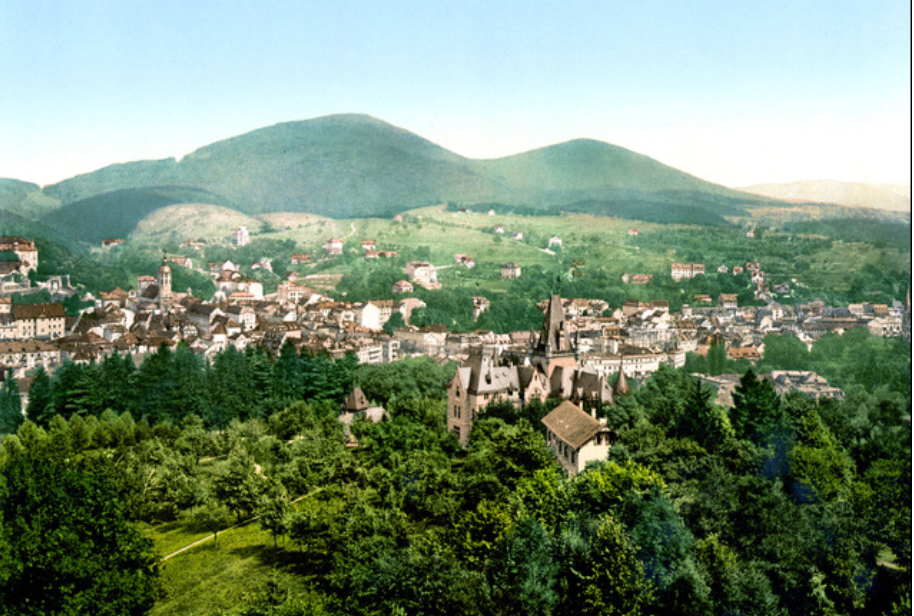
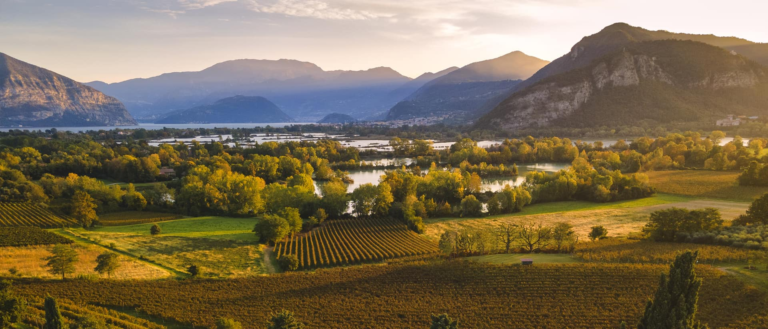
Stretching nearly 400 kilometres from Heidelberg in the north all the way to Lake Constance in the south, Baden runs in an elongated arc along the Rhine, sandwiched between the Black Forest to the east and Alsace across the river to the west. It is Germany’s third-largest wine region by area, covering roughly 15,000 hectares of vineyards, and its warmest. The Kaiserstuhl district, a compact mass of ancient volcanic rock rising from the Rhine plain, is officially the warmest location in the entire country. That heat, combined with soils unlike anything else in Germany, produces wines with a body and character that serious wine enthusiasts are increasingly paying attention to.
This is not a region for casual discovery. The wines here demand engagement, and they reward it generously.
Understanding the Landscape: Baden’s Nine Sub-Regions
Baden is not a single, cohesive wine zone. It is an assembly of nine distinct sub-regions, each with its own soils, microclimates, and winemaking traditions. Understanding this geography is key to navigating the wines.
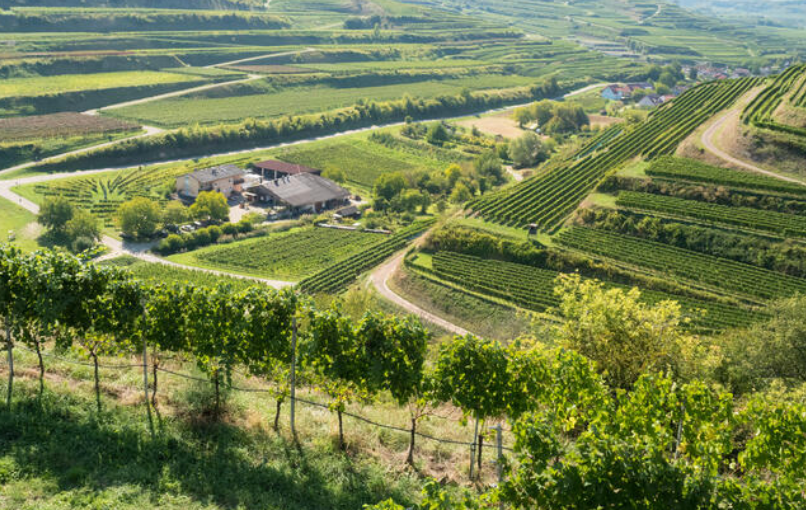
Kaiserstuhl is the one that commands the most attention. This extinct volcano rising from the Rhine plain near Freiburg covers just around 4,000 hectares, yet it accounts for a disproportionate share of Baden’s finest wines. The soils here are volcanic, loess, basalt, and tuff, and they impart a minerality and concentration to the wines that is genuinely distinctive. Spätburgunder, Grauburgunder, and Weißburgunder all thrive here, and at the top level they can hold their own against the best Burgundy has to offer.
Markgräflerland sits at the opposite end of the spectrum in terms of character: further south, bordering both Switzerland and Alsace, this is a gently rolling landscape that produces softer, more open-textured wines. Gutedel (known in Switzerland as Chasselas and in France as Fendant) is grown almost exclusively here within Germany, and Spätburgunder takes on a fruitier, lighter style than in the Kaiserstuhl.
Ortenau, to the north of the Kaiserstuhl, is the other sub-region with serious ambitions. Riesling here, called Klingelberger locally, is more significant than in the south, producing structured wines on granite soils. Spätburgunder also does well, particularly around the village of Durbach.
The other sub-regions, Breisgau, Kraichgau, Tuniberg, Tauberfranken, Bodensee, and Badische Bergstrasse, each have their own appeal, but it is the Kaiserstuhl and Markgräflerland that draw the most dedicated wine travellers.
What Grows in Baden: The Grape Varieties
Baden belongs to EU wine-growing zone B, which places it in the same category as Alsace, the Loire Valley, and Austria rather than with northern Germany’s zone A regions. That classification reflects a climatic reality: this is warm-climate Germany, and the grapes planted here reflect that.
Spätburgunder (Pinot Noir) is the dominant red variety, accounting for nearly a third of all plantings in Baden. Germany is now the world’s third-largest producer of Pinot Noir by area, and Baden leads the country in total Spätburgunder hectarage. The wines at the entry level can be soft and approachable, but at the Grosses Gewächs (Grand Cru equivalent) tier they can be genuinely profound, structured, age-worthy, and capable of expressing site character with remarkable precision.
Grauburgunder (Pinot Gris) is where Baden arguably leads Germany most convincingly. Dry, structured, and often barrel-fermented or aged, top Grauburgunder from the Kaiserstuhl is a different animal entirely from the soft, semi-sweet versions common elsewhere. The volcanic soils lend a smoky, mineral quality, and the best examples age beautifully over a decade or more.
Weißburgunder (Pinot Blanc) occupies the same space in Baden that Pinot Blanc does in neighbouring Alsace, an underrated white of real elegance, showing apple, almond, and a quietly saline finish in good hands. Baden ranks first in Germany for Pinot Blanc plantings.
Gutedel deserves a mention precisely because Baden is where almost all of Germany’s production comes from, 97% of the national total. Light, refreshing, low in alcohol, and historically rooted in the region, it is worth seeking out when visiting Markgräflerland.
Müller-Thurgau and Riesling complete the white picture. Riesling accounts for only around 7% of Baden’s vineyard area, far less than its profile in other German regions, but in Ortenau in particular it can produce wines of real definition.
The Soils That Make Baden Different
The geology of Baden is extraordinarily varied, and any serious wine enthusiast visiting the region should spend time understanding it because the differences between sub-regions are not subtle.
In the Kaiserstuhl, the extinct volcanic origin of the hill means you are walking on soils that no other German wine region can replicate. The loess that coats the lower slopes has a fertility and water-retention quality that allows vines to develop deep roots, while the volcanic basalt and tuff higher up stress the vines in ways that concentrate fruit and elevate mineral character. The terraced vineyards, many of which date back to Roman times, are cut into these hillsides at angles that maximise sun exposure.
Markgräflerland switches to a different palette entirely: calcareous soils and clay-limestone combinations that suit the Gutedel and give Spätburgunder a lighter, more immediately expressive character. The influence of the Rhine and the protection offered by the Black Forest to the east combine to create a particularly mild microclimate.
In Ortenau, it is granitic decomposed rock that dominates on the steeper slopes, and this lends the Rieslings and Pinots grown here a characteristic firm structure and cool-fruit character that contrasts with the riper, more voluminous style of the Kaiserstuhl.
Four Wineries Worth the Journey
Weingut Salwey: Oberrotweil, Kaiserstuhl
If one winery has done more than any other to establish Baden’s credentials for world-class Grauburgunder, it is Salwey. Based in Oberrotweil on the southern slopes of the Kaiserstuhl, the estate has been a member of the VDP (Germany’s association of top wine estates) since 1926 and is now run in the third generation by Konrad Salwey.
The vineyards span around 23 hectares of volcanic soils, with plantings divided between Spätburgunder, Grauburgunder, and Weißburgunder. Konrad Salwey converted the vineyards to organic farming without making a great deal of noise about it, which says something about the estate’s focus: the wines come first.
The Grosses Gewächs Grauburgunder from the Oberrotweiler Henkenberg and Eichberg sites are benchmark bottles, wines that the late Robert Parker described as “noble,” with “remarkably fine and silky texture” and a “lingering salinity.” Even the entry-level Gutswein Grauburgunder is worth seeking out, showing the clean, precise Pinot Gris character of the Kaiserstuhl without requiring a significant financial commitment.
Visits to the winery are possible and recommended; the cellar and the surrounding vineyard landscape offer a thorough immersion in what volcanic terroir looks and smells like under your feet.
Website: www.salwey.de
Weingut Franz Keller (Schwarzer Adler): Vogtsburg-Oberbergen, Kaiserstuhl
Few places in German wine combine history, gastronomy, and viticulture as seamlessly as the Franz Keller estate in Oberbergen. The Schwarzer Adler restaurant has held a Michelin star continuously since 1969, and the winery, now led by Fritz Keller and his son Friedrich, is a VDP member crafting some of the most structurally precise Spätburgunder and Grauburgunder in the region.
The late Franz Keller was a controversial figure who fought actively against the land consolidation programmes of the 1970s that would have destroyed the historic terraced vineyards of the Kaiserstuhl. He argued passionately for the preservation of these unique terroirs, and he was proven right. The estate also adopted barrique ageing and dry vinification decades before they became fashionable, giving the wines a direction that reads as prescient rather than trendy.
Today the estate offers more than a winery visit. Staying at Hotel Schwarzer Adler, occupying the historic rooms of the main building, is one of the more elegant ways to immerse yourself in the Kaiserstuhl. Breakfast, a bike ride through the terraced vineyards, dinner at the starred restaurant with a Keller Schlossberg Spätburgunder: it is a sequence that stays with you.
Small group tastings are available by appointment (up to 4 people), with a nominal fee waived against purchase. It is worth planning well in advance.
Website: www.franz-keller.de
Weingut Bercher: Vogtsburg-Burkheim, Kaiserstuhl
The Bercher family traces its presence in Burkheim back to 1457, making this one of the oldest winemaking families in the Kaiserstuhl. Today the estate farms around 35 hectares of VDP-classified vineyards, with a focus on the Pinot varieties that define the appellation.
What sets Bercher apart is the sheer range of styles the estate navigates successfully. The Feuerberg and Kesselberg vineyard Spätburgunder Grosses Gewächs bottles are age-worthy reds that need time but repay patience generously. The Grauburgunder from the Burkheimer Schlossgarten, by contrast, shows a more bouquet-forward, textured style, loess and volcanic soils working together to produce something genuinely expressive.
The estate also makes a fine Weißburgunder and is worth visiting for the context the village of Burkheim provides: a medieval walled village perched on the edge of the Kaiserstuhl, with views across the Rhine plain toward Alsace that make clear exactly why this strip of volcanic hillside has attracted vine-growers for millennia.
Website: www.weingutbercher.de
Weingut Ziereisen: Efringen-Kirchen, Markgräflerland
Hanspeter and Edel Ziereisen operate their estate in the very south of Baden, in the Dreiländereck, the three-country corner, where Germany, France, and Switzerland meet. Basel is just 15 kilometres south. It is a different world from the volcanic drama of the Kaiserstuhl, and the wines reflect it.
Ziereisen makes what many consider Baden’s most characterful Spätburgunder, and he does it in a way that owes more to the natural wine sensibility of neighbouring Alsace than to conventional German winemaking. Spontaneous fermentation in stainless steel, two years in large Fuder barrels, no filtration. The wines are muscular but precise, with the Tschuppen bottling in particular drawing consistent praise for its combination of depth and elegance.
The estate also produces exceptional Gutedel (Chasselas), crisp, stony, and thoroughly food-friendly, and a small amount of Chardonnay and Pinot Gris. Ziereisen received a Pearl 2 Star Prestige recognition in the Eichelmann guide in 2025, placing it firmly among Baden’s leading estates.
Visits are by appointment only, and the estate is not oriented toward general tourism, but for serious collectors making the trip to this corner of southwest Germany, it is a genuinely compelling experience.
Website: www.ziereisen.de
Recommended Wines to Buy Online
For those who want to explore Baden from home before making the trip, or who want to continue the journey after returning, the following bottles represent the region well and are findable through European wine retailers.
Peter Wagner Oberrotweil Spätburgunder, available at Decantalo
Peter Wagner set up on his own in 2016 after six years as head winemaker at Franz Keller, and the Eichelmann guide recognised him as one of Germany’s most exciting new talents almost immediately. Based in Oberrotweil on volcanic Kaiserstuhl soils, his estate is now certified biodynamic (2023) and farms around 8 hectares of Pinot Noir, Pinot Gris, Müller-Thurgau, and Chardonnay.
The Oberrotweil Spätburgunder is his entry-level red, fermented with native yeasts and aged in stainless steel or small wooden barrels for 12 months before bottling unfiltered. It shows the clean, mineral, cherry-driven character of the Kaiserstuhl without the weight or oak of the top single-vineyard wines, an excellent introduction to the estate and to Baden Pinot at a fair price.
His old-vine Spätburgunder, Alte Reben, from 40-year-old vines on volcanic soils, is the more serious bottle: structured, layered, with violets and dark cherry on the nose and a firm, persistent finish. It has received scores around 90-92 points consistently across vintages. Both wines are listed on Decantalo.
Where to buy: decantalo.com (search: Peter Wagner Oberrotweil Spätburgunder)
Weingut Salwey Grauburgunder, available via specialist importers and direct
The Salwey Grauburgunder range offers multiple entry points. The Gutswein level — the estate’s broadest white- comes from loess vineyards in the Kaiserstuhl and is fermented in stainless steel, keeping the profile clean, pear-driven, and fresh. It is a wine that works as well with roast chicken or pan-fried trout as it does as an aperitif.
Step up to the Oberrotweiler Grauburgunder at village level and the influence of volcanic soils becomes more apparent: more texture, a savoury, slightly smoky note that develops with air, and a finish with genuine persistence. The Grosses Gewächs from Henkenberg is the reference bottle, from 40-year-old vines on volcanic tuff, barrel-fermented and age-worthy for a decade or more.
Salwey wines are distributed across Europe through specialist German wine importers and are listed on platforms such as Wine-Searcher to help locate the nearest retailer.
Where to buy: Check Decantalo, Vineshop24.de, and specialist Dutch importers for current stock
Weingut Bercher Burkheimer Spätburgunder Trocken, available via specialist wine merchants
The Bercher entry-level Spätburgunder from Burkheim is a reliably well-made red that shows the warmth and fruit richness of the Kaiserstuhl without demanding the patience of a Grosses Gewächs. Dark cherry, a hint of dried herbs, and moderate tannins make it versatile at the table — game dishes, duck, mushroom-based pasta.
For something more serious, the Feuerberg Kesselberg Grosses Gewächs Spätburgunder is a wine that rewards a minimum of three to five years of cellaring and reveals genuine complexity over time: mineral underpinning, structured tannins, and a sustained finish. It has been listed on Wine.com and various European specialist merchants.
Where to buy: Check Wine-Searcher for current European listings; the winery ships direct via weingutbercher.de
Weingut Ziereisen Tschuppen Spätburgunder, via specialist natural wine importers
The Tschuppen Spätburgunder is Ziereisen’s flagship red: two years in large Fuder, no fining, no filtration, from loess-over-loam soils. It is not an easy wine in the conventional sense; it needs air, time in the glass, and food, but it is one of the most distinctive Spätburgunders made anywhere in Germany, with a wild, earthy depth that recalls good village Burgundy without copying it.
Due to the estate’s relatively small production and natural winemaking approach, distribution is limited to specialist importers. The wine has been listed in the US through Fass Selections, and in Europe through fine wine merchants who handle German natural wine producers.
Where to buy: Search for specialist natural wine importers in your country; check Wine-Searcher for European merchant listings
When to Visit Baden
The wine region is, frankly, appealing in every season, but the two most rewarding windows for a wine-focused trip are late spring and autumn.
Late April to June brings the asparagus season to the Rhine plain, a combination with local Gutedel or a young Grauburgunder that is one of the great regional food-and-wine pairings in Germany. The vineyards are green and the days are long; tasting rooms are open and not yet overwhelmed by summer visitors.
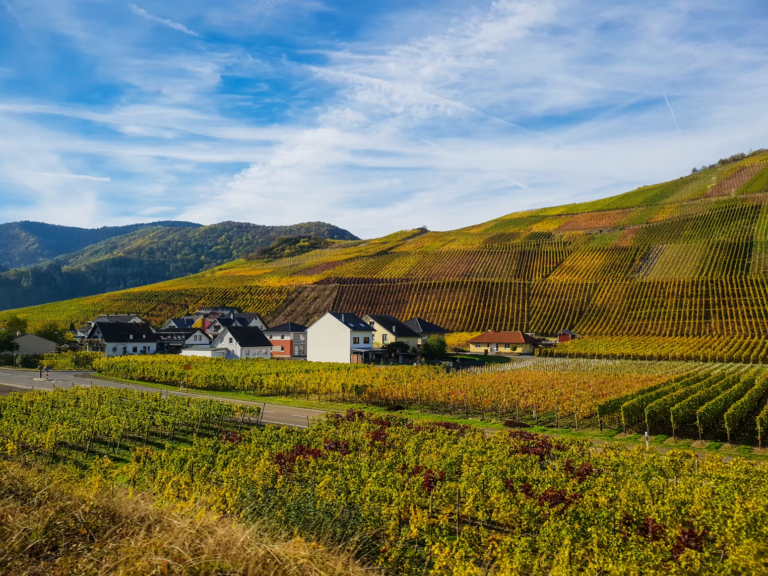
September and October are harvest season, and the landscape takes on a beauty that is hard to overstate. Terraced Kaiserstuhl vineyards glow orange and gold, the air smells of fermenting must, and the local festivals (Weinfeste) offer the chance to taste wines from dozens of producers in relaxed outdoor settings. Many estates hold open days during harvest.
Practical notes: Freiburg is the natural base, with excellent rail connections and a lively food and wine scene of its own. The Kaiserstuhl villages are easily reached by local bus or bicycle. Car hire gives maximum flexibility for visiting estates in both the Kaiserstuhl and Markgräflerland on the same trip.
Baden and the VDP: Understanding Quality Tiers
Understanding the VDP classification system helps when navigating Baden’s top producers. The association’s pyramid works as follows:
VDP.Gutswein is the estate or regional level, wines that express the producer’s house style rather than a specific site. These are usually the most accessible price point and the best introduction to a new producer.
VDP.Ortswein (village level) wines come from a defined village with its own recognised character. The Salwey Oberrotweiler Grauburgunder, for example, is an Ortswein that shows the character of the Oberrotweil village specifically.
VDP.Erste Lage (premier cru equivalent) comes from classified individual vineyards recognised as being of superior quality.
VDP.Grosse Lage / Grosses Gewächs is the top tier, classified vineyards of the highest standing, with dry wines labelled Grosses Gewächs (GG). These are always dry, always from a named Grand Cru site, and always priced accordingly. In the Kaiserstuhl, names like Ihringer Winklerberg, Achkarrer Schlossberg, Oberrotweiler Henkenberg, and Burkheimer Feuerberg appear on the finest GG bottles and represent the apex of what Baden can produce.
Baden at the Table: Food Pairings to Know
Baden sits on the French border, and the cooking reflects it. This is not the sausage-and-sauerkraut Germany of cliché. The regional cuisine draws on Black Forest traditions (game, mushrooms, smoked meats), on the Alpine larder (freshwater fish, cream, cheese), and on direct Alsatian influence (Flammkuchen, choucroute, fine pastry).
This makes it one of Germany’s most interesting wine and food destinations precisely because the local wines are so well suited to the local table.
Grauburgunder is the white to reach for with freshwater fish from the Rhine or the Black Forest streams, trout, pike-perch, and with the creamy mushroom dishes (chanterelles, porcini) that appear throughout the autumn menus. Its inherent textural weight handles the fat in cream-based sauces better than most white wines.
Spätburgunder is the natural match for game, venison, wild boar, as well as for duck breast with red fruit sauces and for the aged regional cheeses. The lighter, fruitier styles from Markgräflerland work beautifully slightly chilled with charcuterie and the local Black Forest ham.
Gutedel and this is the regional insider move, is the go-to for white asparagus during the May-June season. Its low alcohol, gentle fruit, and clean finish make it one of the few wines that genuinely enhances rather than competes with asparagus.
The Rise of Baden on the International Stage
It would be misleading to suggest Baden is still under the radar. The region’s serious producers have been winning international recognition for over a decade. Fritz Wassmer’s Spätburgunder 2009 took the International Pinot Noir Over £10 Trophy at the 2011 Decanter World Wine Awards, and since then the Decanter panel tastings have consistently awarded high scores to Kaiserstuhl Spätburgunder and Grauburgunder.
What has changed more recently is the arrival of a generation of younger winemakers, Peter Wagner and producers associated with the natural wine scene, who are bringing a new precision and conceptual clarity to the wines without abandoning the warmth and richness that the Kaiserstuhl terroir naturally provides. The best new Baden wines are making their way onto the lists of serious European restaurants, and wine buyers in London, Amsterdam, and Zurich are paying attention.
For the advanced wine enthusiast planning a cellar or a travel itinerary, Baden offers something that is simultaneously accessible: the wines are not as expensive as top Burgundy, the logistics of visiting are straightforward, and the food is excellent and genuinely substantive. These are wines that ask to be thought about, returned to, and discussed.
That is, in the end, the mark of a wine region worth knowing properly.
Planning Your Visit: Practical Information
Getting there: Freiburg im Breisgau is the main hub, with direct ICE train connections from Frankfurt (approximately 1 hour 45 minutes) and from Basel Airport (around 30 minutes by regional train). The TGV from Paris reaches Strasbourg, from where Freiburg is a short cross-border connection.
Getting around: The Kaiserstuhl is compact enough to explore by bicycle; rental is widely available in Freiburg and the villages. The Baden Wine Road (Badische Weinstraße) runs for around 500 kilometres from Basel to Heidelberg and is well-signposted for both drivers and cyclists.
Where to stay: Hotel Schwarzer Adler at Weingut Franz Keller in Oberbergen combines estate accommodation with the Michelin-starred restaurant, the obvious choice for a wine-focused stay in the Kaiserstuhl. Freiburg itself offers a wide range of hotels and is a vibrant university city with strong independent restaurants and wine bars.
Wine tasting etiquette: Most estates in the Kaiserstuhl welcome visitors, but appointment-based visits are the norm for serious tastings. Smaller producers, particularly natural wine estates like Ziereisen, do not operate open-door tasting rooms and should be contacted directly in advance.