Burgundy Wine Region: A Guide to the Côte d’Or, Chablis & the Cru System
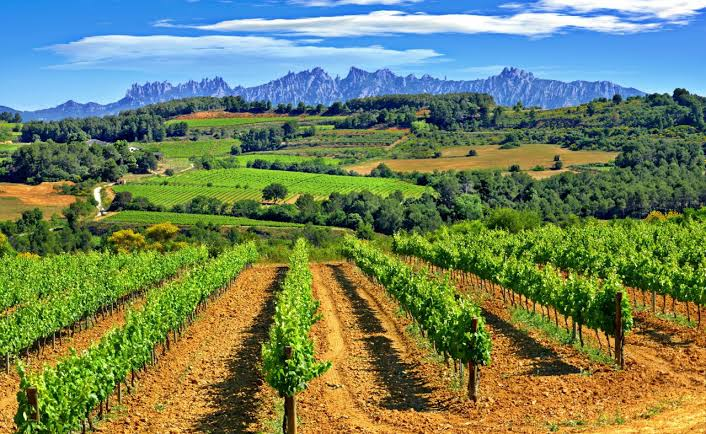
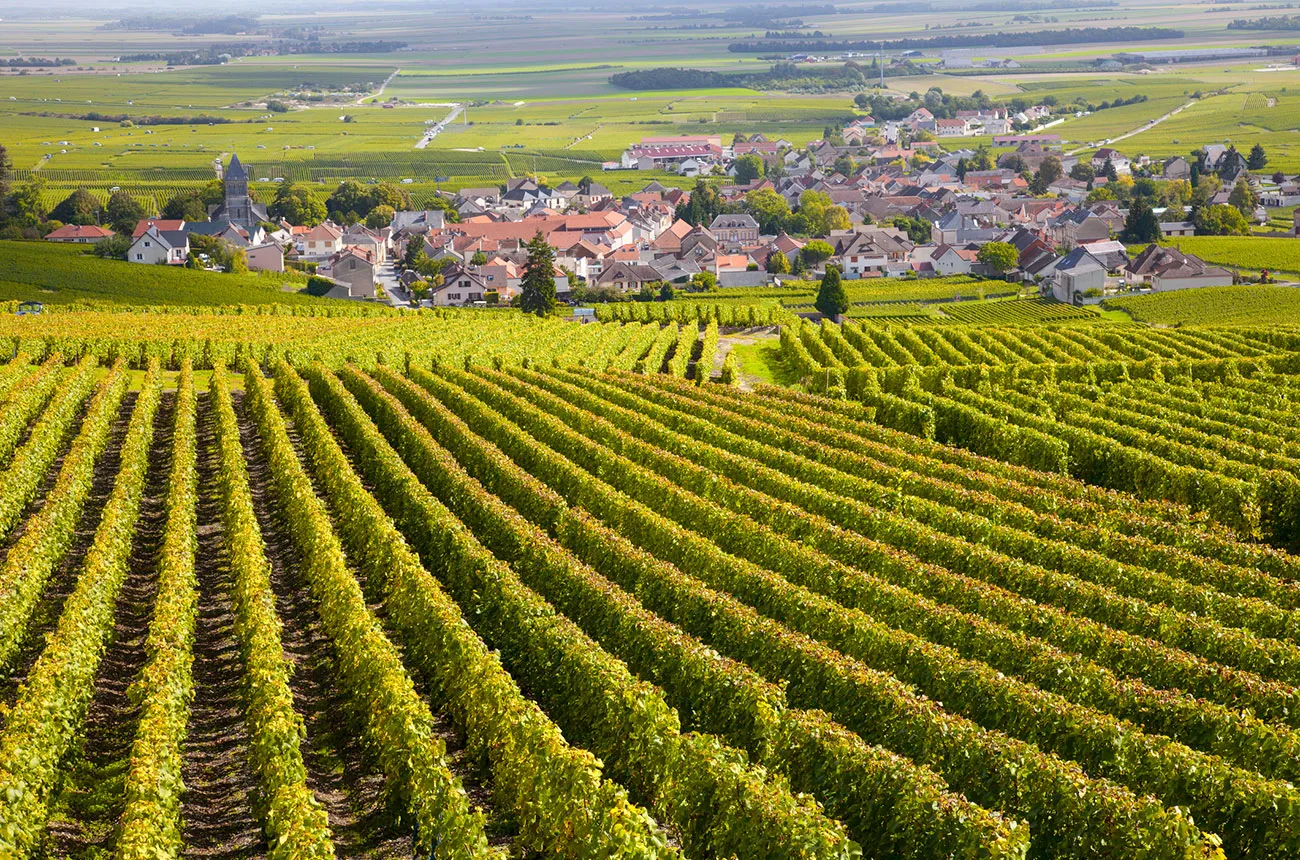
No wine region rewards close attention quite like Burgundy, and none punishes inattention quite as thoroughly either. A narrow strip of vineyard running from Chablis in the north to the Mâconnais in the south, barely a few hundred meters wide at its heart, produces wine whose price and reputation can shift dramatically from one specific plot to the next, sometimes separated by nothing more than a farm track. Two grapes, Chardonnay and Pinot Noir, do almost all of the work here, which sounds simple until you realize that Burgundy has built an entire philosophy, and a notoriously intricate classification system, around the idea that the same grape tastes fundamentally different depending on exactly where its roots sit.
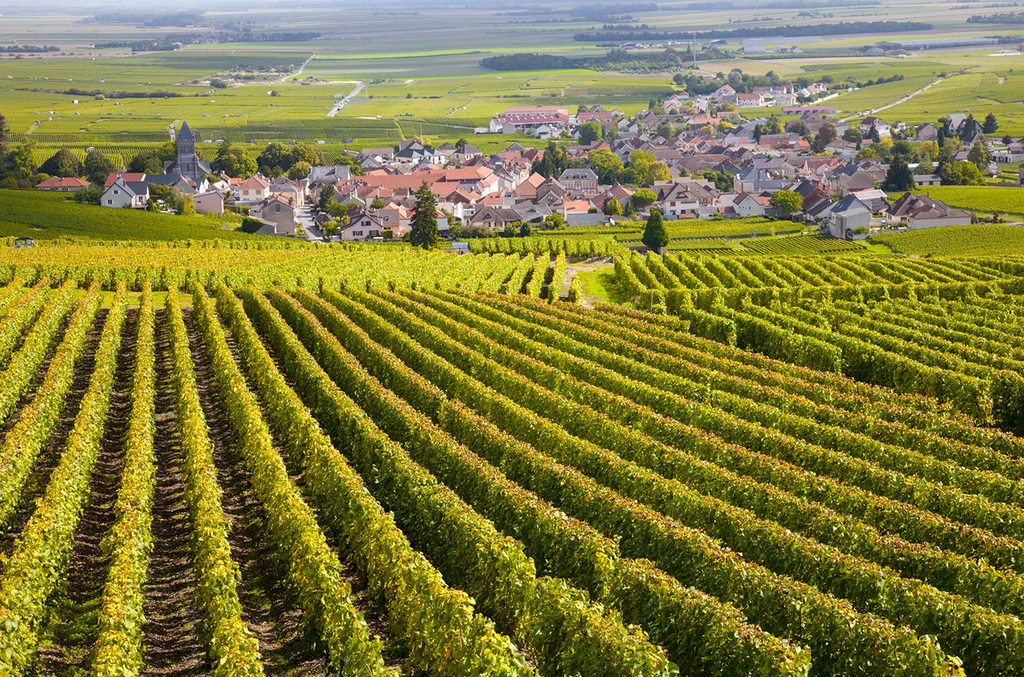
This is the region that gave the wine world the word terroir in its most literal, most consequential sense. Where Bordeaux blends grape varieties to build a house style, Burgundy isolates a single variety and lets the vineyard itself do the talking, plot by plot, sometimes vine row by vine row. The result is a region that can feel intimidating from the outside, with its dense lattice of villages, climats, and cru designations, but which becomes genuinely rewarding once the underlying logic clicks into place.
This guide covers Burgundy’s five sub-regions, its four-tier classification system, four estates spanning Chablis, the Côte de Nuits, the Côte de Beaune, and the Mâconnais, and an honest look at where these wines can be found on Dutch and Spanish retail shelves, since Burgundy’s small production volumes make availability a genuinely different proposition than in Bordeaux.
Geography and the Five Sub-Regions
Burgundy divides into five distinct sub-regions running roughly north to south, each with its own character, even though all fall under the broader Bourgogne appellation umbrella.
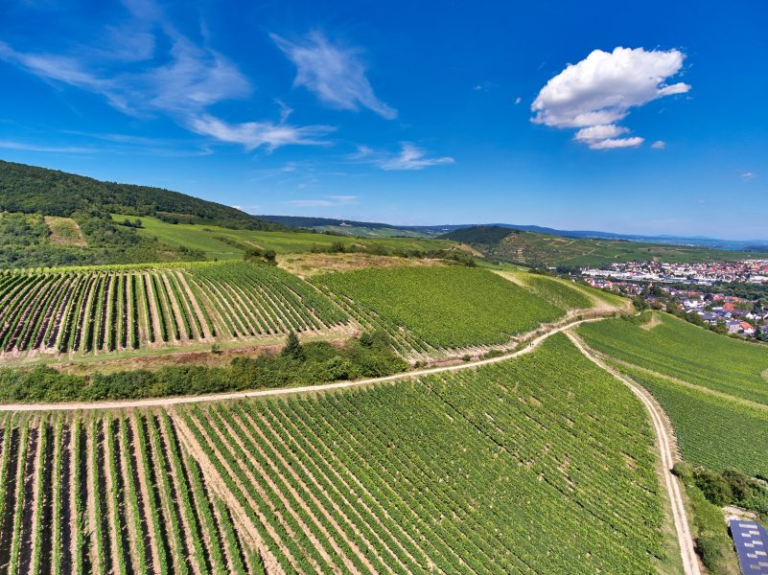
Chablis, isolated well to the north near Champagne’s southern edge, sits on Kimmeridgian limestone and marl, a soil formed from ancient seabed sediment packed with fossilized oyster shells. Only Chardonnay is planted here, and the cool climate combined with that distinctive mineral-rich soil produces some of the most taut, saline white wine made anywhere, a world apart in style from the riper Chardonnay found further south in the Côte de Beaune.
The Côte d’Or, Burgundy’s golden slope and the heart of its reputation, splits into two halves. The Côte de Nuits, running south from Dijon, is overwhelmingly red wine territory, home to Gevrey-Chambertin, Vosne-Romanée, Chambolle-Musigny, and Nuits-Saint-Georges, and to the large majority of Burgundy’s Grand Cru vineyards. The Côte de Beaune, continuing south from Nuits-Saint-Georges through the town of Beaune itself, produces both excellent reds, particularly around Pommard and Volnay, and virtually all of Burgundy’s white Grand Crus, concentrated around Meursault, Puligny-Montrachet, and Chassagne-Montrachet.
The Côte Chalonnaise, south of the Côte d’Or, is a gentler, less-visited stretch producing genuinely excellent value across villages like Mercurey, Rully, Givry, and Montagny, along with Bouzeron, the only appellation in Burgundy dedicated specifically to the Aligoté grape rather than Chardonnay.
The Mâconnais, the largest and southernmost sub-region, borders Beaujolais and produces predominantly white wine in a warmer, sunnier style than its northern counterparts. Pouilly-Fuissé is its most prestigious appellation, having gained its own premier cru designations as recently as 2020.
Underlying all five sub-regions is a shared geological story: this land sits on Jurassic-era limestone and marl, laid down over 150 million years ago when the region was covered by a shallow sea, and the precise mineral composition and drainage of that ancient seabed, varying meter by meter across the slope, is what Burgundian winemakers mean when they talk about terroir with such reverence.
A Short History
Burgundy’s association with fine wine dates back to Roman cultivation, but the region’s defining institutional legacy comes from the medieval Church. Cistercian and Benedictine monks, particularly at the Abbey of Cîteaux, spent centuries meticulously observing which specific parcels of land produced consistently superior wine, walling off individual plots (clos) and documenting their characteristics with a rigor that essentially invented the concept of terroir-based classification. Clos de Vougeot, still one of Burgundy’s most storied Grand Cru vineyards, was established by these monks and remains walled to this day.
The French Revolution reshaped Burgundy permanently. Church and aristocratic vineyard holdings were seized and sold off, then further fragmented over generations by the Napoleonic Code’s inheritance laws, which required estates to be divided equally among heirs rather than passed down intact. This is the root cause of Burgundy’s famously fractured ownership today, where a single Grand Cru vineyard like Clos de Vougeot, at just 50 hectares, can have more than 80 different owners, each farming a few rows of vines according to their own philosophy.
Chablis, geographically isolated from the rest of Burgundy, developed its own separate identity and trading relationships, historically shipping wine down the Seine toward Paris rather than south toward the rest of Burgundy, a pattern that still shapes how the region is perceived as somewhat apart from the Côte d’Or even today.
Grapes and Philosophy
Burgundy’s approach to grape variety is famously narrow by design.
Chardonnay makes all of Burgundy’s white wine essentially, from the mineral, unoaked style of Chablis to the richer, often barrel-fermented wines of Meursault and Puligny-Montrachet, and the riper, sunnier expressions of the Mâconnais.
Pinot Noir makes nearly all of Burgundy’s red wine, a notoriously difficult, thin-skinned grape that transmits differences in soil and microclimate with unusual transparency, which is precisely why Burgundian producers built an entire classification system around vineyard site rather than producer name.
Aligoté, a secondary white grape, has experienced a genuine renaissance in recent years, particularly from the village of Bouzeron in the Côte Chalonnaise, after decades of being treated mainly as a mixer for kir.
Gamay, Beaujolais‘ defining grape, is technically grown within greater Burgundy’s borders too, though it belongs to its own distinct identity and story, covered separately in this series.
Unlike Bordeaux’s blending philosophy, Burgundian wine is almost always a single varietal, unblended even across different plots within the same appellation unless a producer chooses to combine them deliberately. This single-variety, single-site approach is the entire point: the wine is meant to be a transparent expression of exactly where it grew.
The Burgundy Classification System
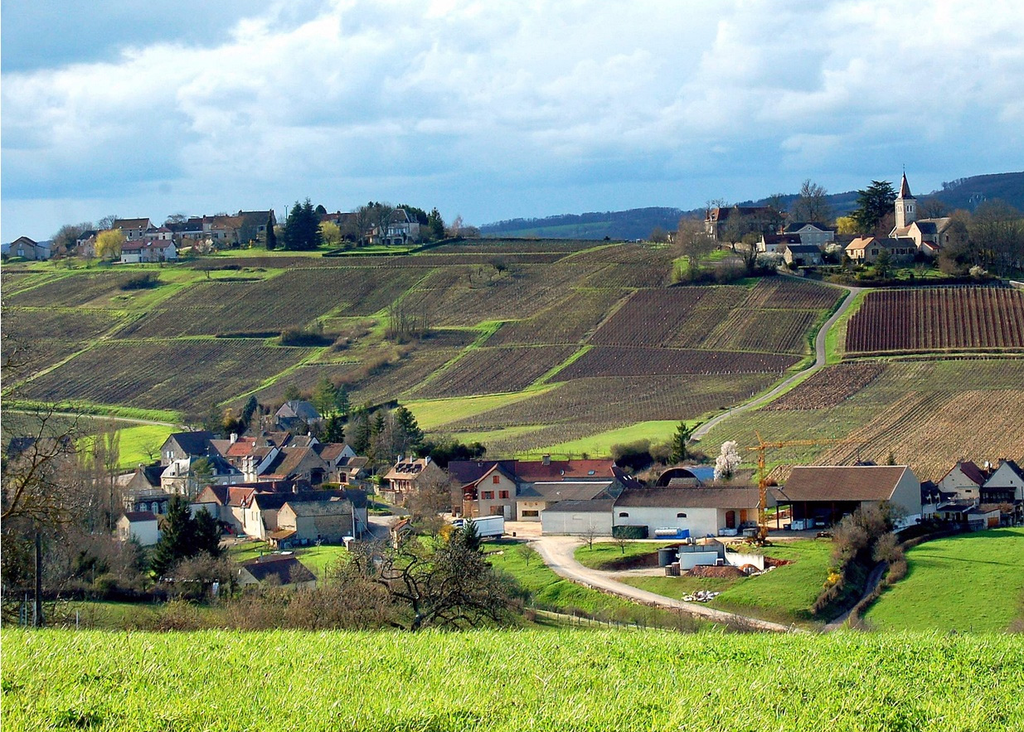
Burgundy organizes its wines into four tiers based entirely on the geographic precision of the vineyard site, a fundamentally different logic from Bordeaux’s estate-based 1855 Classification.
Regional Appellations
The broadest tier, labeled simply Bourgogne Rouge or Bourgogne Blanc, can draw fruit from anywhere within the region’s boundaries. These make up roughly half of all Burgundy production and are often the most accessible entry point, both in price and drinkability, into a producer’s style.
Village Appellations
Wine labeled with a specific village name, such as Nuits-Saint-Georges, Meursault, or Chablis itself, must come from vineyards within that commune’s boundaries. Around 44 villages produce wine at this tier, representing roughly 37% of total production.
Premier Cru
Vineyards recognized as Premier Cru sit within a village but on specifically delineated, historically superior plots. A wine can be labeled either with the village name alone followed by “1er Cru,” or, more specifically, with both the village and the individual climat name, such as Gevrey-Chambertin 1er Cru Clos Saint-Jacques. The Côte de Nuits alone has 135 Premier Cru vineyards, and the Côte de Beaune another 42.
Grand Cru
The apex of the system, Grand Cru vineyards are considered Burgundy’s finest sites and are labeled with only the vineyard name itself, no village name at all, since a wine like Chambertin or Montrachet is considered prestigious enough to stand entirely on its own. There are 33 Grand Cru appellations in total: one in Chablis (Chablis Grand Cru, itself divided into seven named climats), 24 in the Côte de Nuits, and 8 in the Côte de Beaune, together accounting for barely 1 to 2% of Burgundy’s total vineyard area.
This system rewards genuine study. Two wines labeled with the same Grand Cru name can still differ meaningfully depending on the producer, since ownership within a single Grand Cru vineyard is frequently split between a dozen or more growers, each farming their own small parcel with their own methods.
Four Burgundy Estates Worth Visiting
These four estates span Burgundy’s geographic and stylistic range, from Chablis’ mineral whites to the Côte de Nuits’ structured reds, the Côte de Beaune’s historic negociant tradition, and the Mâconnais’ sunnier Chardonnay.
Domaine William Fèvre (Chablis)
Founded in its modern form in 1959 and now the largest owner of Grand Cru vineyards in Chablis, Domaine William Fèvre farms roughly 78 hectares across 90 separate parcels, including significant holdings in prestigious climats like Les Clos, Les Preuses, and Bougros. William Fèvre himself was a vocal defender of Chablis’ identity, campaigning against attempts to expand the appellation’s boundaries and insisting the region’s character belonged specifically to its Kimmeridgian terroir. The estate has farmed organically since 2000 and biodynamically on a significant portion of its vineyards since 2010, and joined the Domaines Barons de Rothschild (Lafite) family in January 2024.
- Address: 21 avenue d’Oberwesel, 89800 Chablis, France
- Contact: +33 (0)3 86 98 98 98, bookable through williamfevre.fr
- Visiting: Open Monday to Saturday 9:30 to 18:30 (closed 12:30 to 13:30 on Thursdays), Sunday 11:00 to 16:00, by appointment. The estate closes annually from mid-December through early January.
Domaine Faiveley (Côte de Nuits)
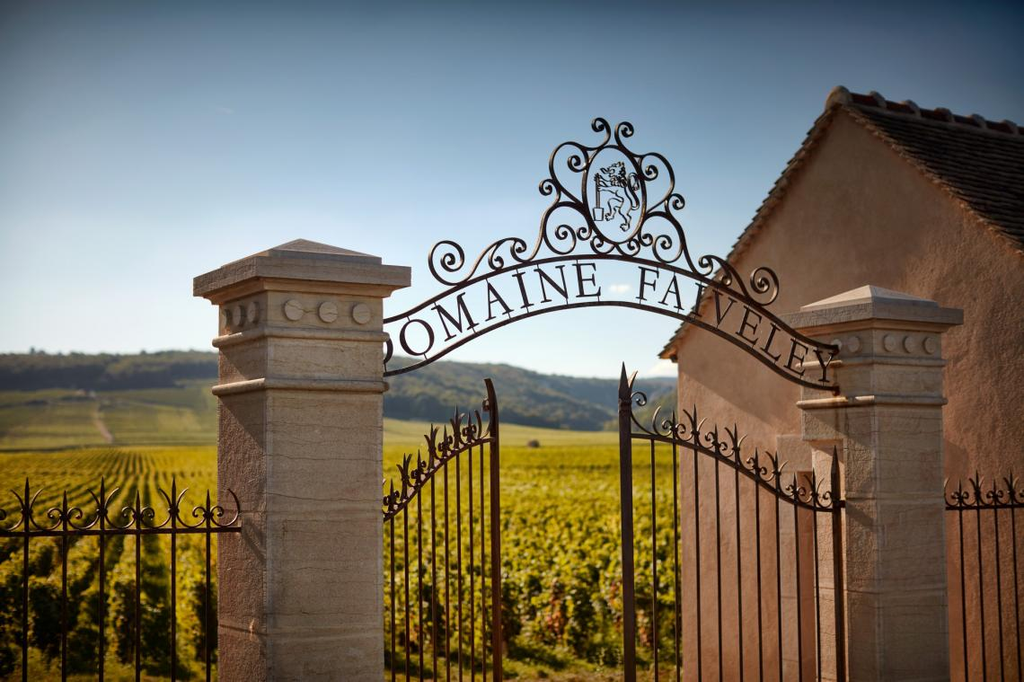
Founded in 1825 and now run by seventh-generation siblings Eve and Erwan Faiveley, Domaine Faiveley holds over 120 hectares across the Côte de Nuits, Côte de Beaune, and Côte Chalonnaise, including 12 Grand Cru and 22 Premier Cru appellations, an unusually broad spread of top-tier holdings for a single estate. The domaine achieved organic certification in July 2025, marking its 200th anniversary. Beyond the wine itself, the Faiveley family has a notable civic legacy in the region: Georges Faiveley co-founded the Confrérie des Chevaliers du Tastevin, Burgundy’s influential wine brotherhood, in 1934, and the family remains closely tied to the restoration of the Château du Clos de Vougeot.
- Address: 8 rue du Tribourg, 21700 Nuits-Saint-Georges, France
- Contact: +33 (0)3 80 61 04 55 (general), boutique@domaine-faiveley.com, bookable through domaine-faiveley.com
- Visiting: Shop open Tuesday to Saturday, 10:00 to 12:30 and 13:30 to 18:00. Guided tastings by appointment only, offered at 10:30 and 15:00 for groups of up to 12; proceeds support the restoration of the Château du Clos de Vougeot and the Rodin Museum.
Bouchard Père et Fils (Côte de Beaune)
One of Burgundy’s oldest wine houses, founded in 1731, Bouchard Père et Fils has been based at the Château de Beaune, a 15th-century fortress built under King Louis XI, since the family purchased it in 1820. Its 105 hectares span more than 80 climats, three quarters of which are Premier or Grand Cru, and its underground cellars, excavated directly into the château’s ramparts, hold a collection of historic bottles dating back to 1846. In 2022 the estate joined Artémis Domaines, the Pinault family’s wine holding company, alongside fellow Burgundy names Domaine d’Eugénie and Clos de Tart. Bouchard should not be confused with the separately owned Bouchard Aîné et Fils, also based in Beaune.
- Address: Château de Beaune, Rue du Château, 21200 Beaune, France
- Contact: Bookable through bouchard-pereetfils.com
- Visiting: Daily cellar visits run Tuesday to Saturday at 14:30 (the “Maestro Rendez-vous”), touring the ageing cellars with a tasting of six wines; booking recommended. A more extensive private reception, including a tasting of eight wines through the 15th-century fortress cellars, is available by reservation only.
Château de Fuissé (Mâconnais)
In the Vincent family since 1862 and now in its fifth generation under Antoine Vincent, Château de Fuissé farms around 40 hectares spread across more than 100 individual parcels, concentrated in Pouilly-Fuissé with additional holdings in Saint-Véran, Mâcon-Villages, and, reflecting the family’s reach into neighboring Beaujolais, small plots in Juliénas and Morgon. The 15th- and 16th-century château itself sits at the heart of the Pouilly-Fuissé appellation, and the estate’s Tête de Cuvée bottling, a blend drawing on the domaine’s finest parcels, is widely regarded as a benchmark for the appellation.
- Address: Château de Fuissé, 71960 Fuissé, France
- Contact: +33 (0)3 85 35 61 44, bookable through chateau-fuisse.fr
- Visiting: Sales and tastings by appointment; contact the estate directly to arrange a visit, as there is no walk-in tasting room.
Where to Buy Burgundy Wine
Burgundy’s retail picture looks different from Bordeaux’s. Small production volumes, tightly divided vineyard ownership, and allocation-based distribution mean that even well-known Burgundy producers are often absent from general retailers, appearing instead through specialist importers with exclusive arrangements.
Decántalo is the strongest of the retailers for this guide specifically, carrying Domaine William Fèvre across multiple bottlings, including village-level Chablis and the Montée de Tonnerre Premier Cru, making it a genuinely reliable source for this estate.
Domaine Faiveley, Bouchard Père et Fils, and Château de Fuissé were not confirmed in stock at Wijnbeurs, Colaris, or Decántalo at the time of writing. This reflects a broader pattern with prestige Burgundy: Bouchard Père et Fils, for instance, is exclusively imported into the Netherlands by Wijnkooperij de Lange, a specialist importer working directly with the estate, rather than being distributed through general retailers. Faiveley and Château de Fuissé are similarly best sourced through their own estate webshops or through Burgundy-focused specialist merchants.
That said, Colaris does carry a genuinely broad general Burgundy selection worth exploring even without these four specific names, including Nuits-Saint-Georges bottlings from producers like Confuron and Hubert Lignier, and a wide range of village-level Côte d’Or wines from smaller growers such as Domaine Tollot-Beaut and Domaine Jean-Philippe Fichet. For readers specifically chasing the four estates profiled here, WirWinzer and Drinks & Co are worth checking periodically, alongside specialist Dutch Burgundy importers, since allocations shift from vintage to vintage in ways that are genuinely difficult to predict.
Food Pairing
Burgundy’s two-grape simplicity extends naturally into food pairing, though the region’s range in weight and structure means the right dish depends heavily on where in Burgundy the bottle comes from.
Chablis’ bright acidity and mineral, almost briny character make it a natural match for oysters and other shellfish, much like Muscadet, and it holds up equally well against goat cheese or a simple roast chicken. Richer white Burgundy from Meursault or Puligny-Montrachet, with more weight and often some oak influence, pairs better with lobster, cream-based sauces, or roasted poultry with butter.
Red Burgundy’s pairing depends heavily on structure. Lighter, more delicate Pinot Noir from villages like Chambolle-Musigny or Volnay suits duck, mushroom-based dishes, or a simply prepared salmon, one of the rare reds that genuinely complements fish. More structured reds from Gevrey-Chambertin or Nuits-Saint-Georges stand up to beef, game, or a well-aged Époisses, the pungent, washed-rind cheese made in the heart of Burgundy itself and traditionally paired with the region’s own red wine rather than white.
Getting There and Planning Your Trip
Beaune functions as Burgundy’s wine capital and the most sensible base for a first visit, sitting roughly equidistant between the Côte de Nuits to the north and the Côte de Beaune’s white wine villages to the south. Dijon, with its own TGV station connecting directly to Paris in under two hours, sits about 45 minutes north of Beaune and works well as an alternative base, particularly for visitors prioritizing the Côte de Nuits. From Amsterdam or Rotterdam, flying into Paris and connecting by train remains the most practical route, typically under five hours door to door.
Chablis sits apart from the rest of Burgundy, roughly 100 kilometers northwest of Beaune, and is more easily combined with a trip toward Paris or Champagne than tacked onto a Côte d’Or itinerary in the same day. The Mâconnais, at the opposite end of the region, is about an hour south of Beaune by car and pairs naturally with a Beaujolais detour given the two regions’ shared border.
A car is genuinely useful for covering the Côte d’Or’s villages, which cluster tightly along the N74 but have limited public transport between them, though Beaune itself is walkable and several tour operators run half-day minibus routes through the most famous villages for visitors without their own transport. Harvest typically runs from early September, and the Hospices de Beaune wine auction, held the third weekend of November, is one of the region’s genuine cultural events, drawing collectors and press from around the world even though the auction itself focuses on barrel futures rather than retail purchases.
Frequently Asked Questions
What’s the difference between Burgundy and Bordeaux wine? Burgundy is built around single-varietal wines, almost always Pinot Noir or Chardonnay, classified primarily by the specific vineyard site rather than the producer. Bordeaux, by contrast, blends multiple grape varieties and classifies wine primarily by estate (château) rather than individual plot.
Why is Grand Cru Burgundy so expensive? Grand Cru vineyards make up only 1 to 2% of Burgundy’s total vineyard area, and ownership within a single Grand Cru site is often split among many small growers due to historical inheritance laws, meaning individual producers may make only a few hundred cases from a given vineyard in any year. That scarcity, combined with high global demand, drives prices well above village or Premier Cru level.
Is all Chablis made the same way as the rest of white Burgundy? No. Chablis is typically aged with little to no new oak, preserving a leaner, more mineral style, while white wine from the Côte de Beaune, particularly Meursault, is more commonly fermented or aged in oak barrels, giving it a richer, rounder character even though both wines are made from the same Chardonnay grape.
Why is Burgundy harder to find at retailers than Bordeaux? Burgundy’s vineyard holdings are far more fragmented than Bordeaux’s, and total production from any single top estate is often a fraction of a comparable Bordeaux château’s output. Many sought-after producers work through exclusive import arrangements or allocation systems rather than broad retail distribution, so availability at any given retailer can vary significantly from vintage to vintage.