The Ultimate Long Weekend Trip to the Barolo Region
Let’s be entirely honest with ourselves: you don’t go to Piedmont to save money, lose weight, or explore ancient ruins. You go because you want your teeth stained purple by world-class Nebbiolo, your hands covered in white truffle dust, and your soul fixed by pasta that contains more egg yolks than seems biologically safe.
But planning a long weekend trip to the Barolo region requires serious tactical precision. The Langhe hills are a dense labyrinth of dizzying switchbacks, tiny hilltop fortresses, and fiercely competitive dinner reservations. If you don’t map out your route perfectly, you will end up stuck behind a slow-moving tractor on a hairpin turn, missing your tasting slot entirely.
To maximize four days in Italy’s premier wine territory, you need to understand the rhythm of the valleys and know when to take a strategic detour away from the crowds.
Mapping the Langhe: The Village Breakdown
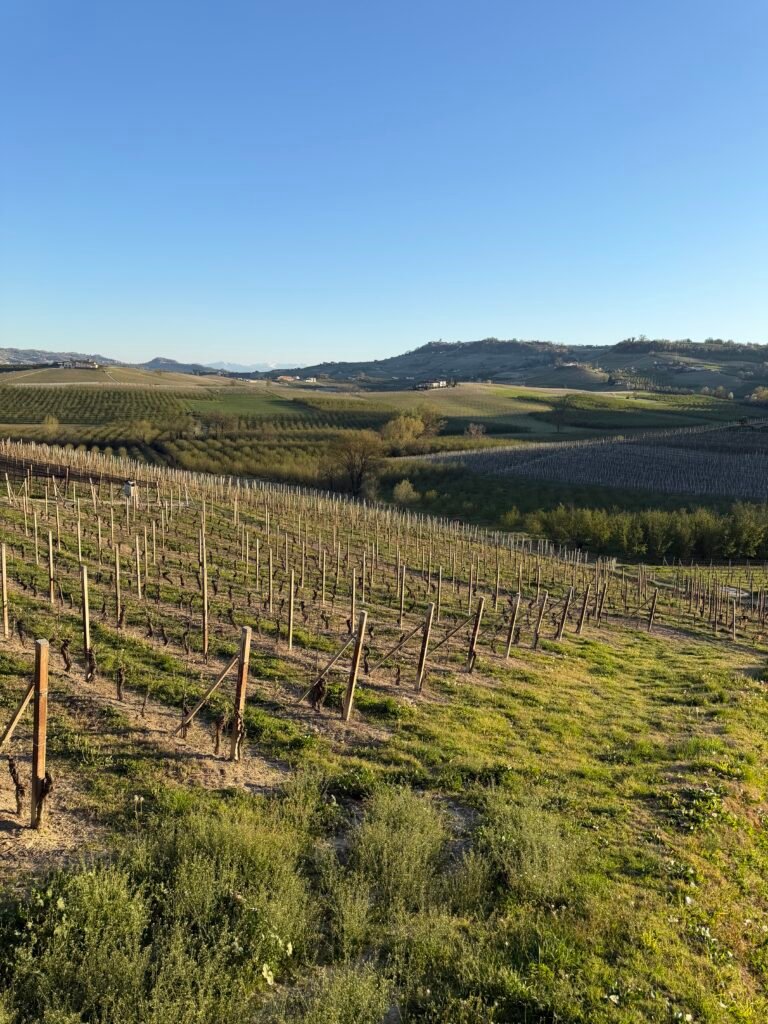
Before you fire up the engine, you need to understand that “Barolo” isn’t just one place, it is an ecosystem of distinct hilltop villages, each sitting on entirely different soil compositions that radically alter the wine in your glass. Here is how our key stops stack up:
| Destination | Atmosphere | Wine Profile | Culinary Specialty |
| La Morra | Dramatic, breezy, panoramic | Elegant, aromatic, softer tannins | High-altitude views & enotecas |
| Castiglione Falletto | Medieval, fortified, intimate | Bold, structured, built to age | Fine dining on cliffside terraces |
| Pinerolo | Alpine, unpretentious, local | Crisp Barbera & Alpine Reds | Hidden gem trattorias |
Day 1: The Great Alpine Detour & The Rental Gatekeepers
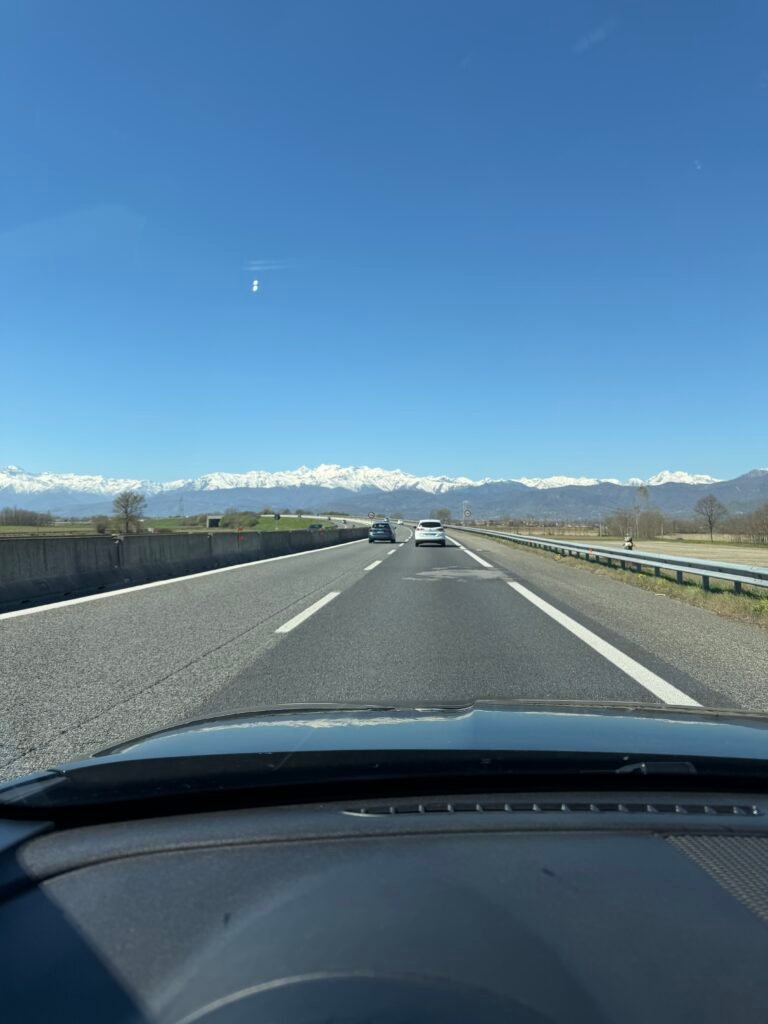
Your journey begins at Turin Airport (TRN), the absolute best gateway for accessing northern Italy’s wine country. Instead of rushing straight south into the vineyard traffic like every other amateur tourist, you are going to execute a brilliant flanking maneuver to the west.
The EasyTerra Strategy
The Italian rental car counter is historically a place where joy goes to die. You are tired, you have luggage, and a smiling man named Marco is trying to convince you that your tiny hatchback won’t survive the hills without a €40-a-day insurance upgrade. To bypass the headache, use EasyTerra to book your wheels before you land. It acts as a completely transparent aggregator that highlights the actual final costs and filters out hidden local fees. Get a manual car with a bit of torque, you will thank me when you’re climbing a 15% incline later.
Escape to Pinerolo
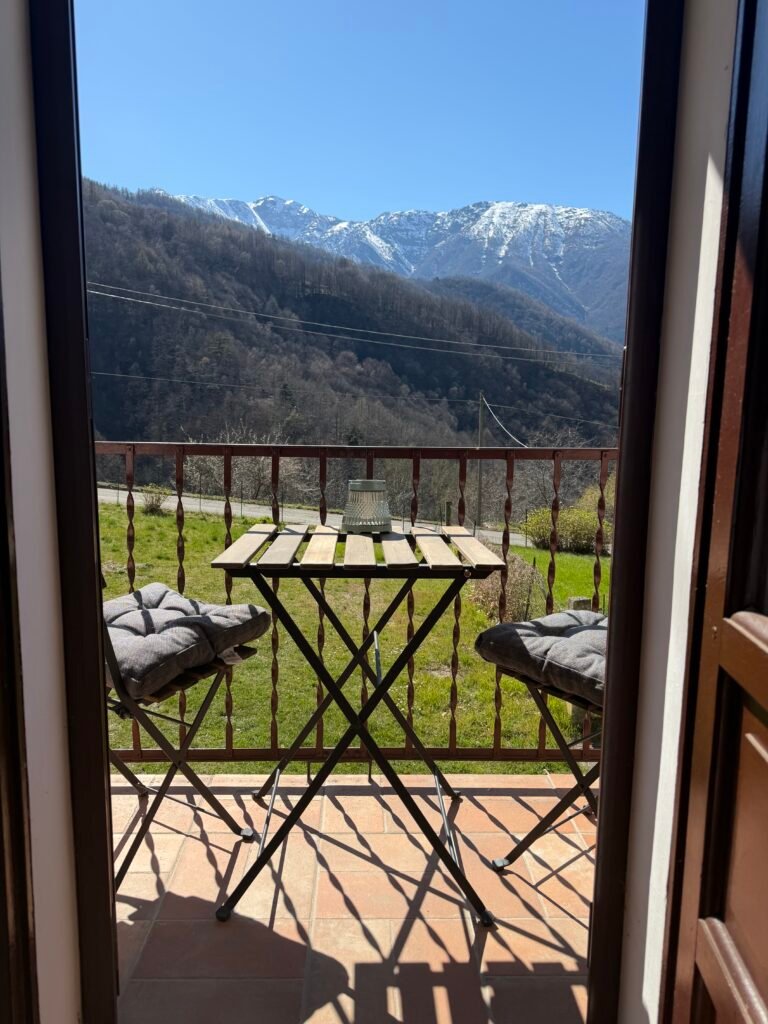
With the keys in hand, steer west toward Pinerolo. It sits a bit further away from the primary wine trail, resting right against the dramatic shadows of the Cottian Alps. Tourists routinely skip this town, which is precisely why you are here. Pinerolo offers a pristine slice of authentic Piedmontese life without the inflated vineyard prices.
Where to Eat
Walk straight into Panilli Vini e Cucina in the center of Pinerolo. This place is a masterclass in neighborhood hospitality. The menu is small, hyper-seasonal, and blissfully free of English translations. Order whatever fresh pasta they rolled out on the wooden counter that morning, ask for a carafe of the local, vibrant Barbera, and enjoy a slow, unhurried lunch while watching the locals argue about football. It is the perfect culinary palate cleanser before entering the high-stakes world of Barolo.
Day 2: High Altitudes & Heavy Hitters in La Morra
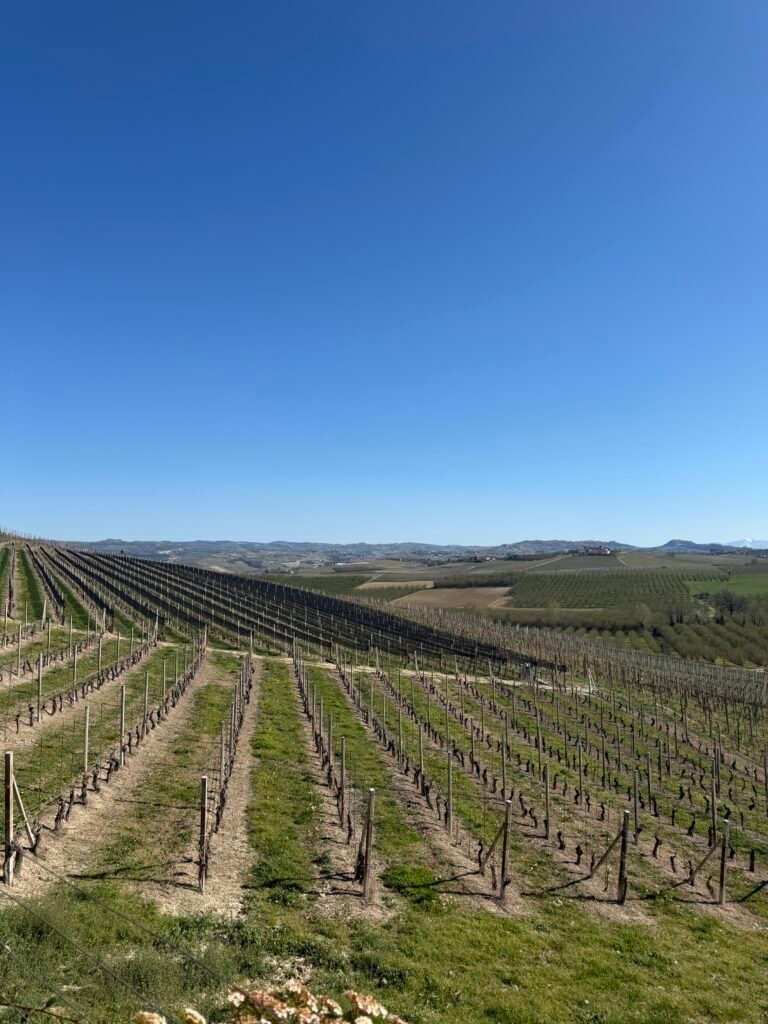
Wake up early, leave the alpine air behind, and drive south into the heart of the Langhe hills. Your target is La Morra, the highest village in the Barolo production zone.
Exploring the Crest
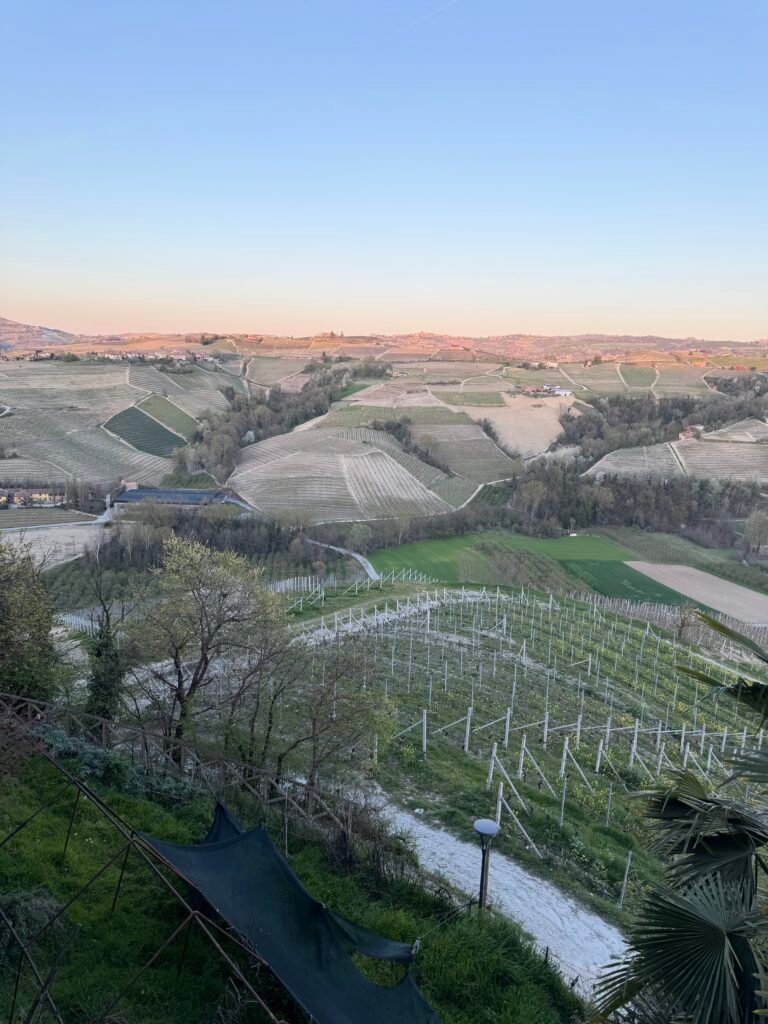
La Morra feels like a living museum. The streets are paved with ancient cobblestones, and every alleyway seems to lead directly to the Piazza Castello, an expansive viewpoint where you can look out across the entire valley. The soil here is heavy with Tortonian marl (a calcareous clay), which yields wines that are remarkably perfumed, elegant, and approachable at a younger age compared to their muscular neighbors down the road.
The Winery Focus: Diego Morra
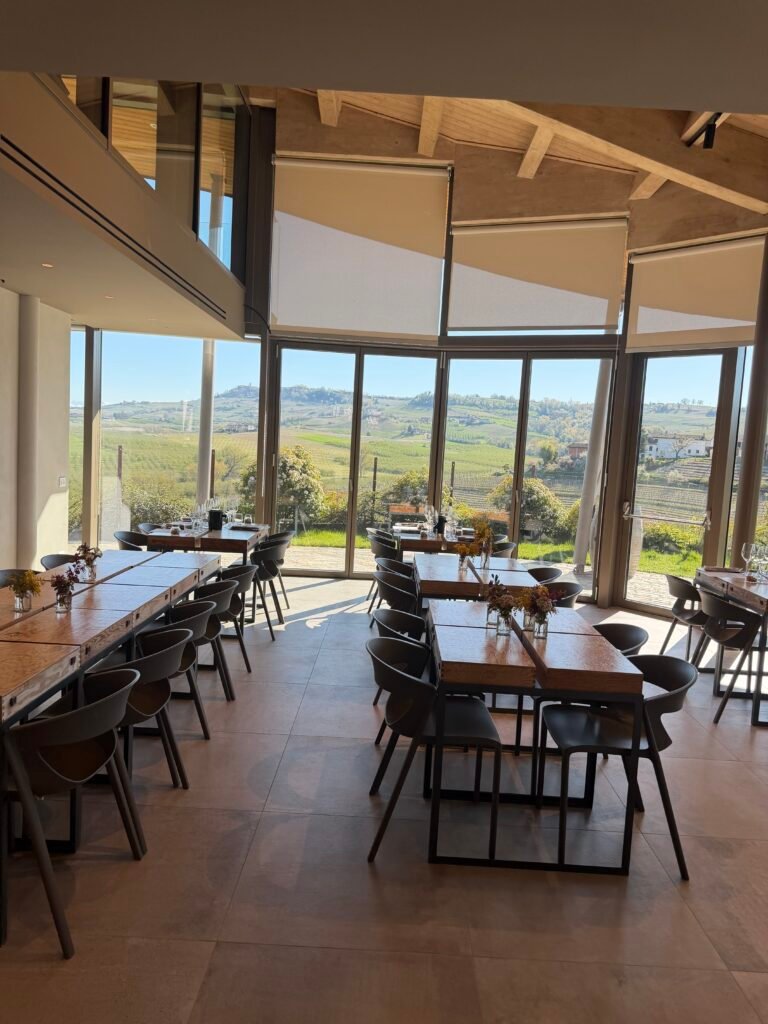
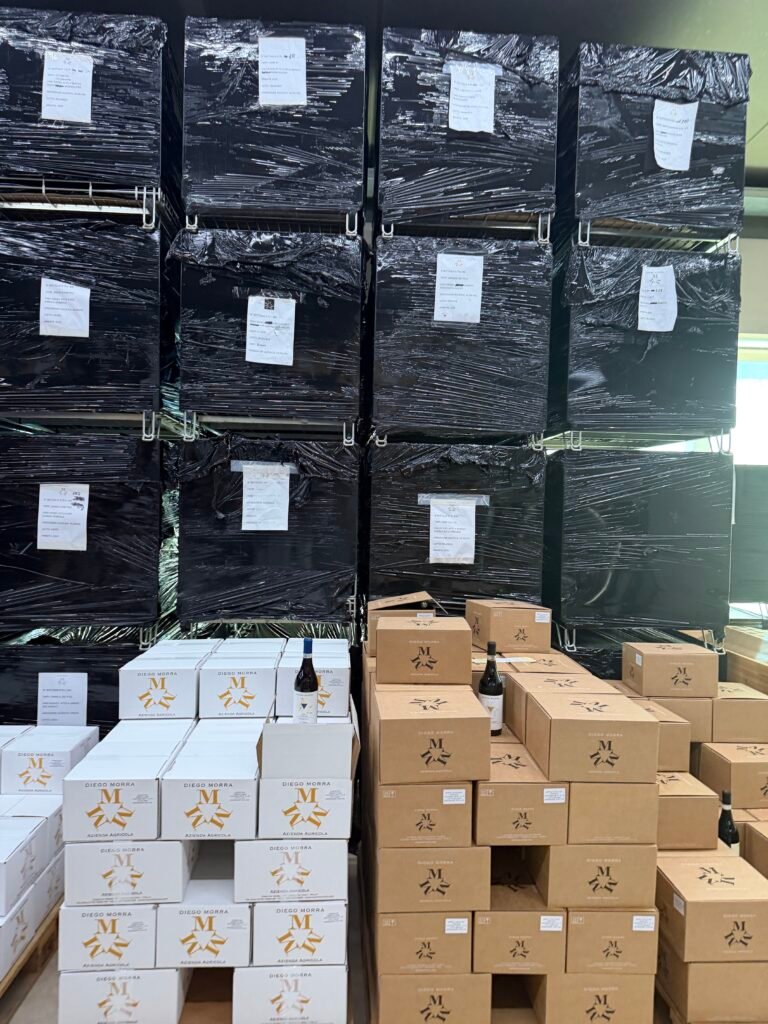
Once you’ve taken in the views, descend the winding ridge to the Diego Morra vineyard, situated right on the border of La Morra and Verduno. This is where you get to experience true, generational terroir stewardship. Diego represents the third generation of his family to farm these soils, holding prime parcels in the legendary Monvigliero cru (a designated top-tier vineyard site).
🍷 The Wine Style: The tastings here are spectacular because they strip away the corporate pretense. You aren’t sitting in a sterile boardroom; you are tasting wines that display an incredible balance of classic rose-petal aromas, bright acidity, and fine, structured tannins. Don’t leave without tasting his Barolo Monvigliero, it is a masterclass in finesse and white-pepper complexity.
Day 3: Fortresses & Feasts in Castiglione Falletto
On your third day, you shift your base camp to Castiglione Falletto. Visually, this town is the absolute crown jewel of the region. It is a tiny, concentrated cluster of stone buildings centered around a massive, round medieval fortress that cuts a dramatic silhouette against the sky.
The soils here are a complex transition zone between the softer clays of La Morra and the ancient, iron-rich sandstone of Serralunga d’Alba. As a result, the wines here are beautifully complete, offering both intense perfume and muscular, long-aging structures. Spend your afternoon wandering the quiet perimeter walls of the castle before preparing for the culinary highlight of the trip.
The Dinner Ritual at Le Torri
When evening falls, walk over to Ristorante Le Torri. Secure a table out on their panoramic terrace, which hangs directly over a sea of Nebbiolo vines. This restaurant does classic Piedmontese fine dining flawlessly, elevating regional staples without losing their rustic soul.
The Four-Course Dinner Ritual at Le Torri
Course 1: The Antiphonal Start (Vitello Tonnato)
Begin with cold, thinly sliced veal topped with a creamy, velvety tuna and caper sauce. It sounds like an unusual flavor combination on paper, but the rich, savory sauce highlights the bright acidity of your opening glass of Langhe Arneis or young Nebbiolo.
Course 2: The Yolk Ritual (Tajarin with Sage and Butter)
Next comes the main event: tajarin pasta. This ultra-thin, hand-cut ribbon pasta is made with up to forty egg yolks per kilo of flour, giving it a rich golden hue and a luxurious, silken bite. Tossed simply in local mountain butter and fresh sage, it is absolute perfection.
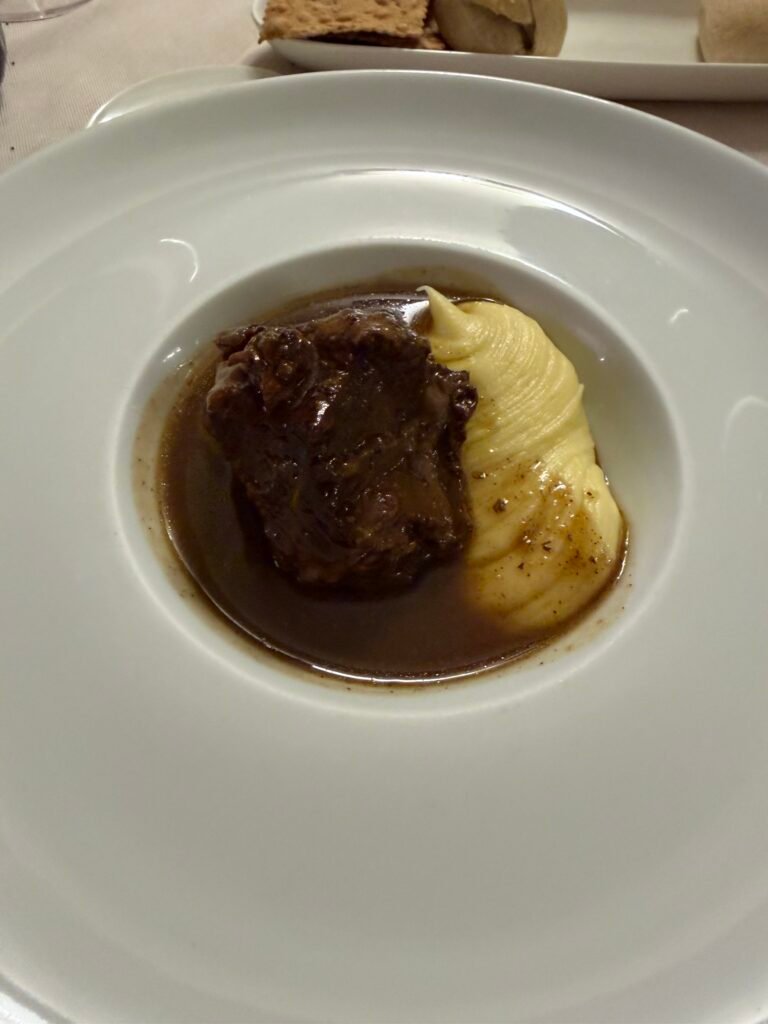
Course 3: The Braised Masterclass (Guancia al Barolo)
For the main course, transition to veal cheek that has been slowly braised in Barolo wine for hours until it can be eaten with a spoon. Pair this dish with an older, structured single-vineyard Barolo; the intense fats and proteins of the meat will beautifully soften the wine’s powerful tannins.
Course 4: The Hazelnut Finale (Bunet)
Conclude the evening with Bunet, a traditional regional pudding made with cocoa, amaretti biscuits, and local Piedmontese hazelnuts, served alongside a small glass of cold, aromatic Moscato d’Asti.
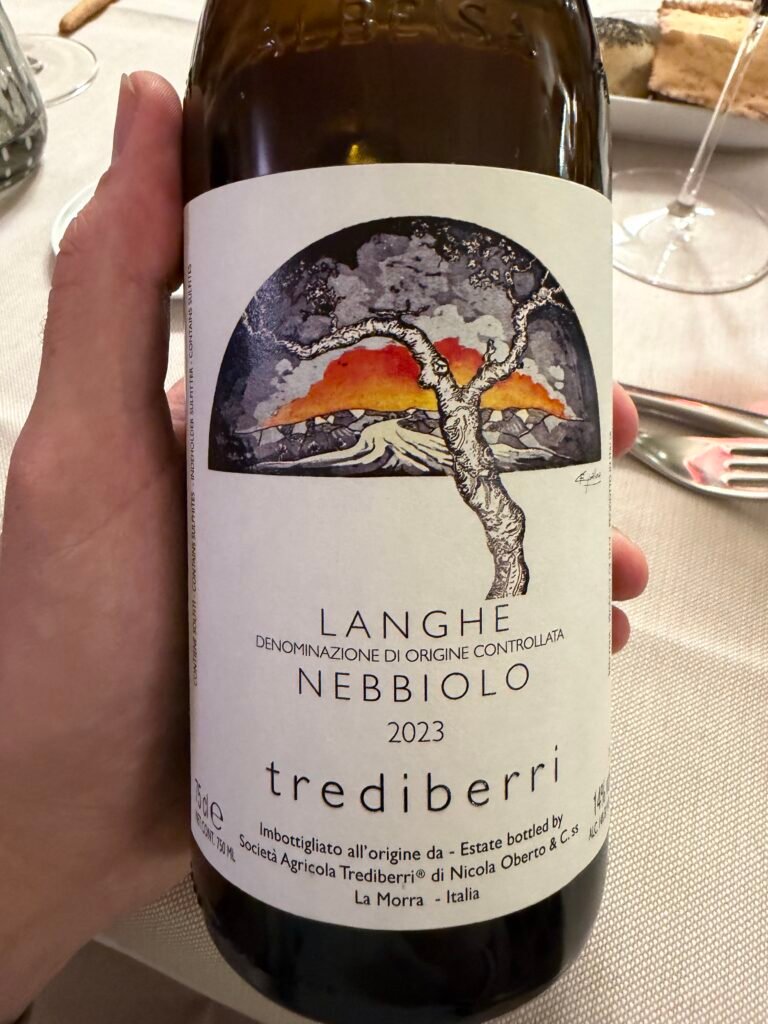
Pro-wine tip at Le Torri is the Nebbiolo Trediberri or the Barolo Vietti, which is made next door to the restaurant.
Day 4: The Final Cellar Run & Departure
Before heading back north to Turin Airport to return your rental car, spend your final morning doing a “cellar sweep.” Most small family estates don’t have large distribution networks, meaning there are incredible bottles available at cellar-door prices that you will simply never find back home. Wrap your purchases securely in your luggage, grab one final espresso at a local café, and enjoy the smooth, downhill cruise back to the terminal.
If Piedmont has caught your interest, please look at other Italian wine regions here, or continue reading about another gorgeous northern Italian region, The Dolomites.
4 Comments
Comments are closed.