The Belgian Ardennes Road Trip Itinerary: A 4-Day Slow Travel Guide
When most travelers plan a driving holiday from Amsterdam, their minds naturally drift toward the classic paths: the flat coastal routes of Zeeland, the romantic windmill clusters of North Holland, or perhaps a long, multi-lane haul toward the black forests of Germany. Yet, sitting just a few hours south is one of Europe’s most dramatically underrated, geologically stunning driving territories: the Belgian Ardennes.
Moving from the sea-level, geometric precision of the Netherlands into the undulating limestone hills, deep river canyons, and thick deciduous forests of Wallonia is a sensory shock to the system. It is a landscape shaped by the winding paths of the Meuse and Ourthe rivers, punctuated by cliffside fortresses, hidden artisanal vineyards, and medieval stone villages that feel completely frozen in time.
If you want a driving holiday that values flavor as much as geography, this masterfully structured Belgian Ardennes road trip itinerary takes you on a 4-day, epicurean journey across the border. We will trade flat highways for winding switchbacks, mass-produced lager for artisanal gnome-brewed ales, and generic roadside stops for world-class dining destinations. Grab your keys, here is exactly how to execute the perfect cross-border culinary road trip.
The Master Route at a Glance
| Route Segment | Drive Time & Key Highway | Curated Culinary Stops | Must-See Experiences | Hand-Picked Hotel Stay |
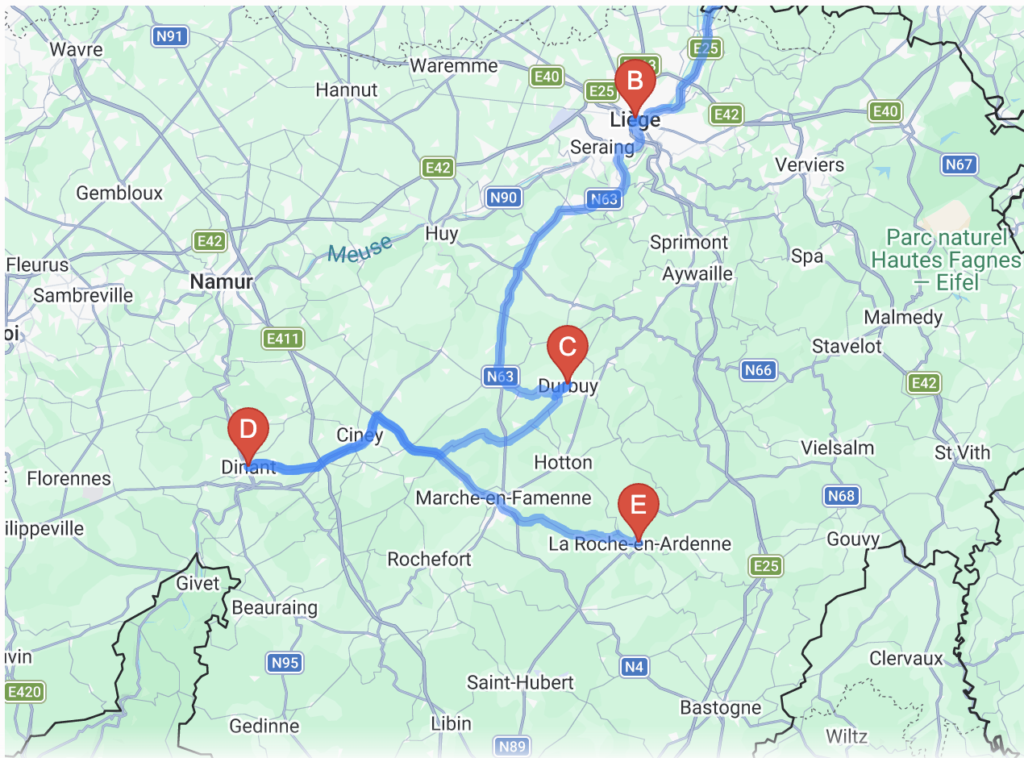
| Day 1: Amsterdam to Durbuy | ~3.5 Hours Total (A2 & E25) | • Une Gaufrette Saperlipopette (Caramelized Liège Waffles) • Le Clos des Récollets (Gastronic dinner in 17th-century stone setting) | Lounging on the lively medieval cobblestone terraces of Earth’s smallest city. | Hotel Victoria (Boutique design meets medieval charm) |
| Day 2: Durbuy to Dinant | ~1 Hour 15 Mins (Scenic N-Roads) | • Château Bon Baron (Incredible cool-climate wine tasting; request the premium 2017 Pinot Noir) | Conquering the 408-step cliffside fortress of the Citadel of Dinant via cable car for sweeping valley views. | Le Merveilleuse by Infinity (Atmospheric converted neo-Gothic convent overlooking the river) |
| Day 3 & 4: Dinant to La Roche-en-Ardenne | ~1 Hour (Deep Forest B-Roads) | • Brasserie d’Achouffe (Fresh taproom flight of gnome-brewed La Chouffe blondes) • La Claire Fontaine Restaurant (Market-fresh riverside tasting menu) | Exploring the dark, haunting ruins of the 9th-century Château Féodal and kayaking the Ourthe River loop. | Hostellerie La Claire Fontaine (A peaceful, luxury riverside sanctuary estate) |
Day 1: The Sweet Gateway to the Smallest Town in the World
The journey begins with an early morning departure from Amsterdam. Heading south along the A2 highway, the landscape evolves gradually. The wide, low-lying polders and modern Dutch architectural lines eventually give way to the rolling topography of Dutch Limburg before you cross seamlessly into the French-speaking Walloon region of Belgium.
Your first major waypoint is Liège, a city with an industrial exterior that hides a deeply historic, fiercely passionate culinary heart. You aren’t here for a standard city tour; you are here to resolve a monumental pastry debate.
The Gourmet Pitstop: The Living Legend of Une Gaufrette Saperlipopette
Many travelers are only familiar with the light, rectangular Brussels waffle, which is typically dusted with powdered sugar. However, the true connoisseur’s choice is the Liège waffle. This variation is made from a dense, brioche-like yeast dough packed with large pearls of beet sugar that caramelize on the heavy cast-iron plates, creating a crunchy, golden exterior and a rich, chewy center.
To experience the absolute zenith of this craft, navigate your car toward the historic Rue des Mineurs and look for the long, aromatic queue winding down the sidewalk outside Une Gaufrette Saperlipopette.
This bakery functions like a beautiful time machine. The bakers use entirely traditional, artisanal methods without a single shortcut. While you wait in line, staff members frequently pass out warm, freshly baked chouquettes or small biscuits to waiting guests. When you finally reach the counter, order the classic plain Liège waffle. It is served warm, wrapped in simple paper. As you bite through the crackling, glassy coat of caramelized pearl sugar into the buttery, vanilla-scented interior, you will instantly understand why this small shop is considered a culinary pilgrimage site.
Arriving in Durbuy: Terraces and Ancient Cobblestones
With a warm waffle providing the perfect fuel, steer your vehicle south into the Ourthe River Valley. Within an hour, the horizon rises sharply into rugged gray limestone topography, signaling your arrival in Durbuy.
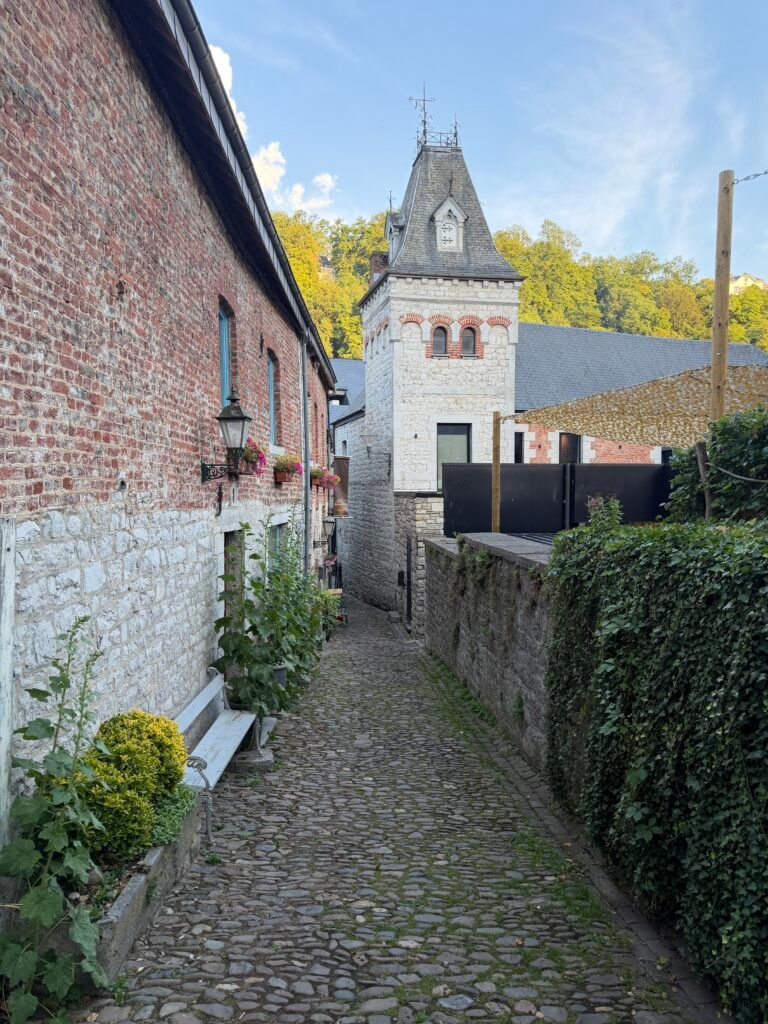
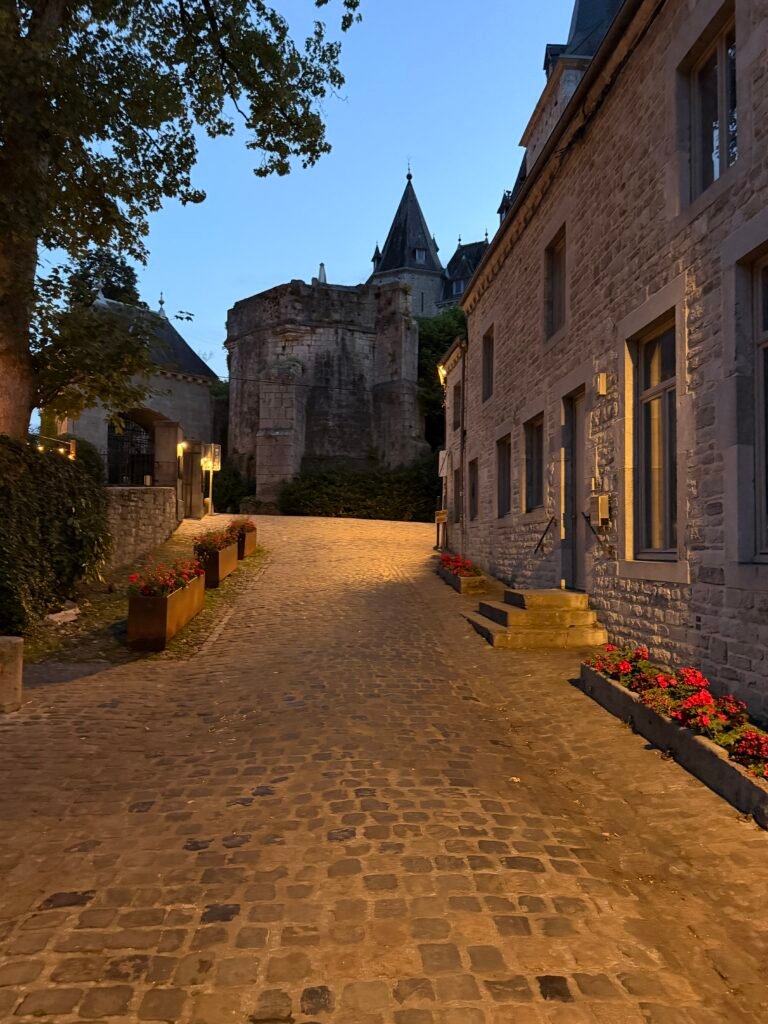
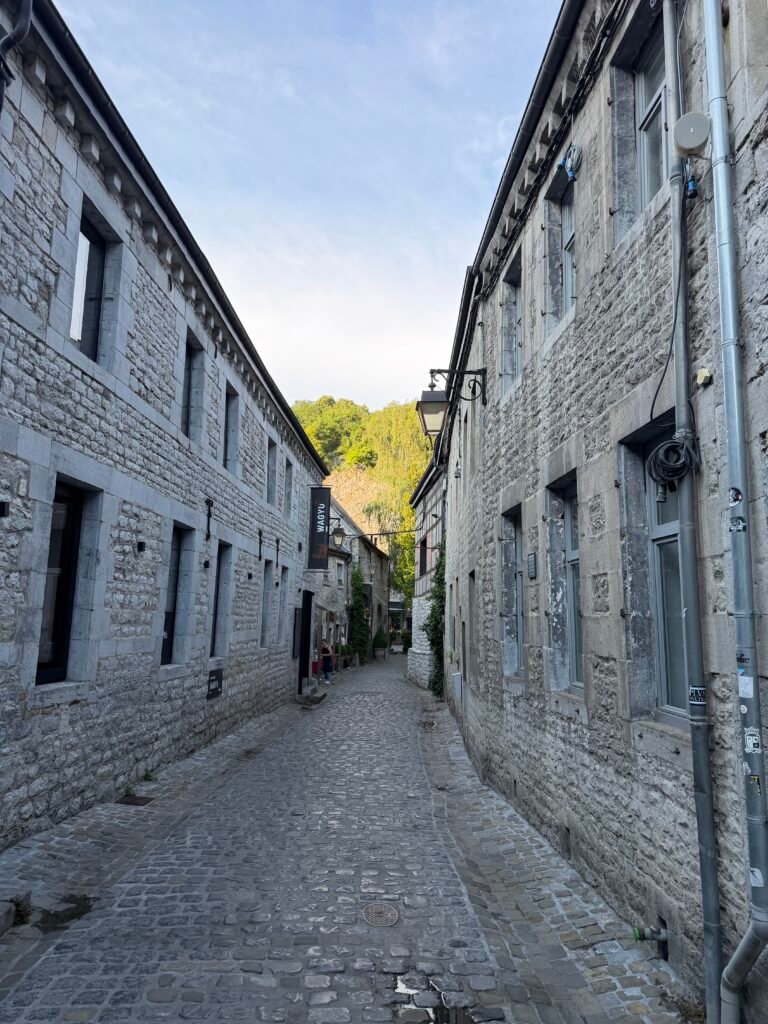
Durbuy famously claims the title of “the smallest city in the world,” a status granted by royal charter back in 1331 when it was a vital defensive and judicial center for the Duchy of Luxembourg. Today, it is an architectural gem crafted from local limestone, featuring narrow alleys, timber-framed houses, and dynamic plazas that are completely closed to vehicle traffic.
Spend your afternoon engaging in the finest of local traditions: terrace lounging. Find an open table at one of the lively stone cafés on the Place aux Foires, order a crisp regional blonde ale or a glass of local white wine, and watch the afternoon sun illuminate the turrets of the 17th-century Château de Durbuy overlooking the water.
Dinner: Gastronomic Poetry at Le Clos des Récollets
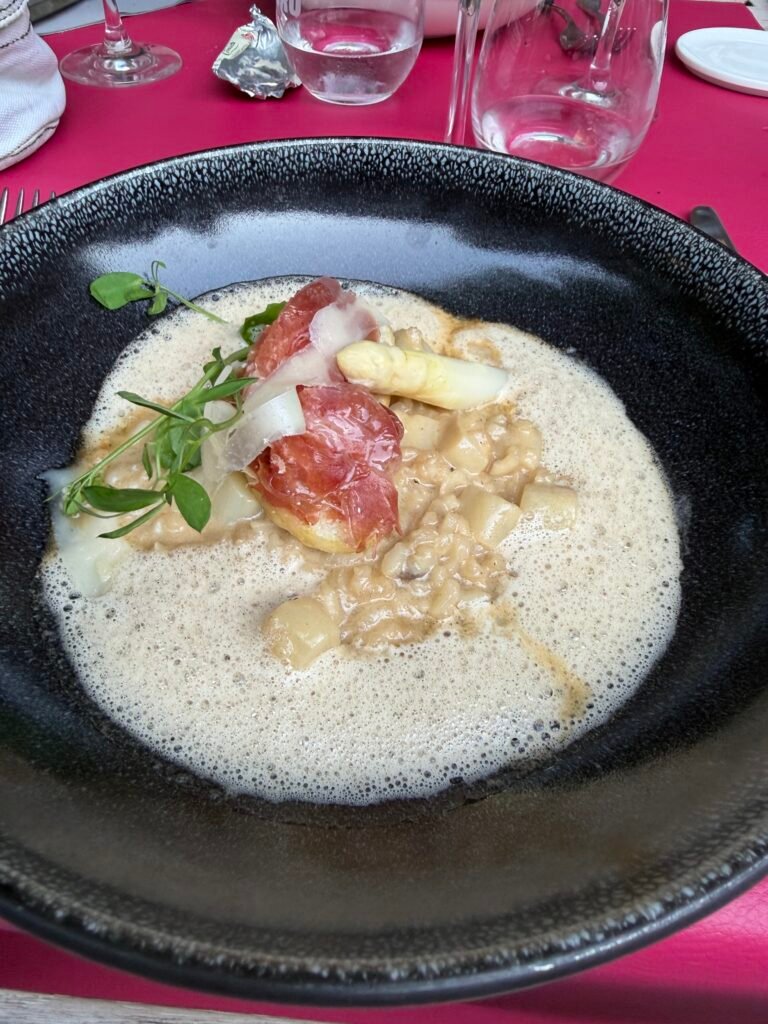
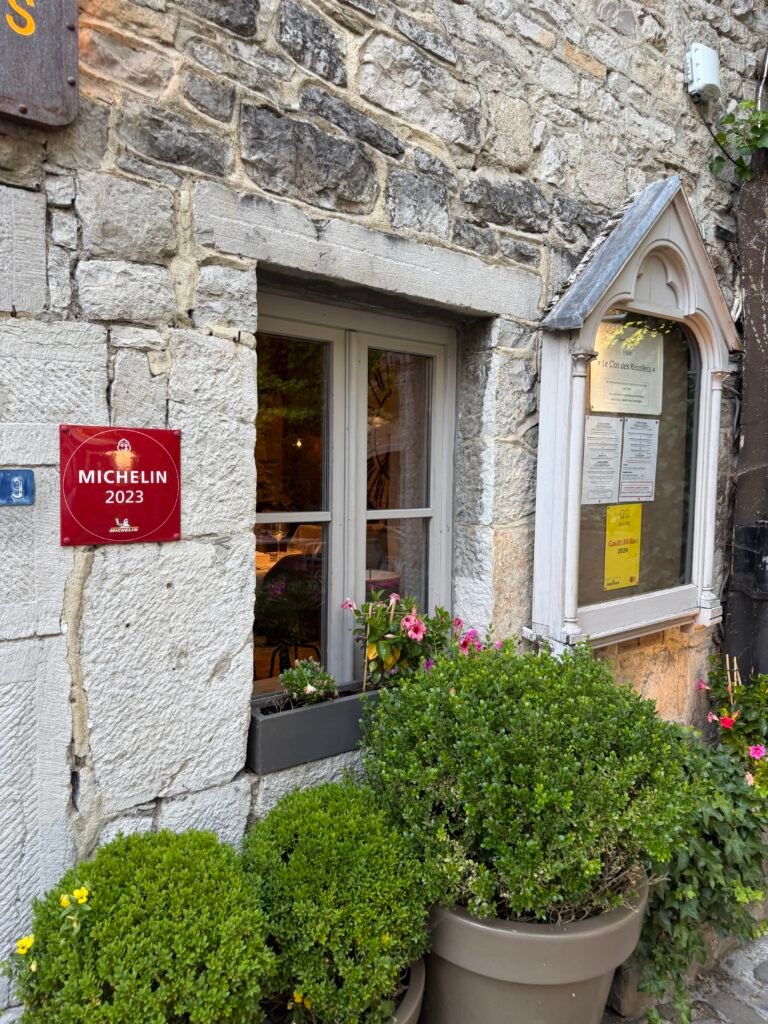
When night falls over the old town, escape the busier tourist thoroughfares and head down the narrow Rue de la Prévôté to dine at Le Clos des Récollets. Located inside an impeccably restored 17th-century stone structure, this restaurant is a showcase for fine dining that honors the rich culinary heritage of the Ardennes.
Chef Frédéric Bruneel leads a kitchen that balances rustic local flavors with contemporary French techniques. The dining room feels incredibly cozy and intimate, defined by exposed stone walls, soft lighting, and an elegant but unpretentious atmosphere.
- The Seasonal Menu Philosophy: The kitchen changes its menu structure frequently to honor seasonal ingredients. In the autumn and winter months, expect a focus on wild Ardennes game, local mushrooms, and rich reductions. In the spring and summer, the plates focus on wild river trout, fresh herbs, and bright, local produce.
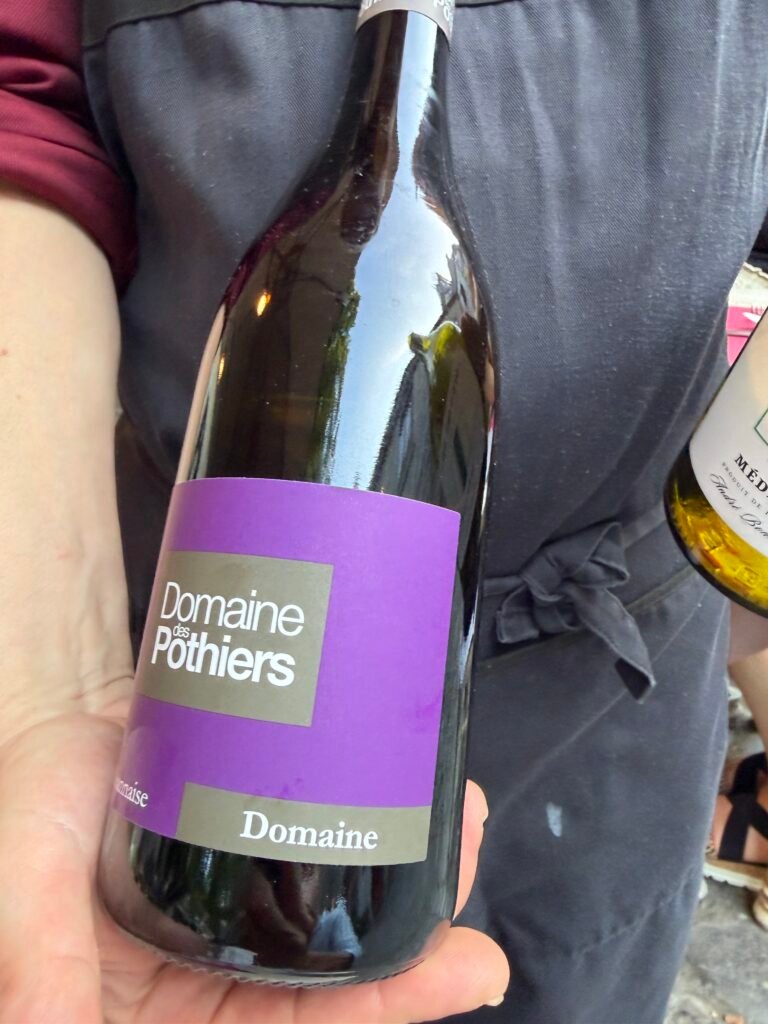
- The Sommelier’s Touch: The wine list here is exceptionally curated, featuring hidden gems from independent European growers that complement the complex, savory sauces of the kitchen.
Where to Stay: The Boutique Warmth of Hotel Victoria
After an exceptional meal, take a short, peaceful stroll through the quiet cobblestone streets to your home for the night: Hotel Victoria.
Perfectly situated within the historic core of Durbuy, Hotel Victoria effortlessly blends contemporary comfort with authentic medieval charm. The rooms are designed with clean, minimalist timber accents and plush furnishings, offering a quiet sanctuary away from the daytime crowds. Waking up to the smell of fresh croissants from their excellent breakfast spread is the perfect start to day two of your journey.
Day 2: Cool-Climate Viticulture and the Cliffs of Dinant
Day two of your Belgian Ardennes road trip itinerary features one of the most visually stunning driving routes in Northern Europe. You will leave the Ourthe Valley and head westward toward the dramatic Meuse River, tracing a path carved through sheer limestone cliffs and rolling green plateaus.
While Belgium is globally famous for its secular brewing traditions, the valley slopes along the Meuse hold a fascinating, rapidly evolving secret: world-class cool-climate wine production.
The Wine Stop: The Extraordinary Renaissance and Terroir of Château Bon Baron
Just north of Dinant, where the limestone cliffs drop sharply toward the water, sits Château Bon Baron. For centuries, the idea of premium estate-grown red wine in Belgium was treated as an impossibility. While Wallonia’s wine history actually dates all the way back to the year 1018, a brutal mini ice age in the 17th century, a decree by Napoleon to uproot vines to protect French markets, and the late 19th-century phylloxera blight completely wiped out the region’s viticultural landscape.
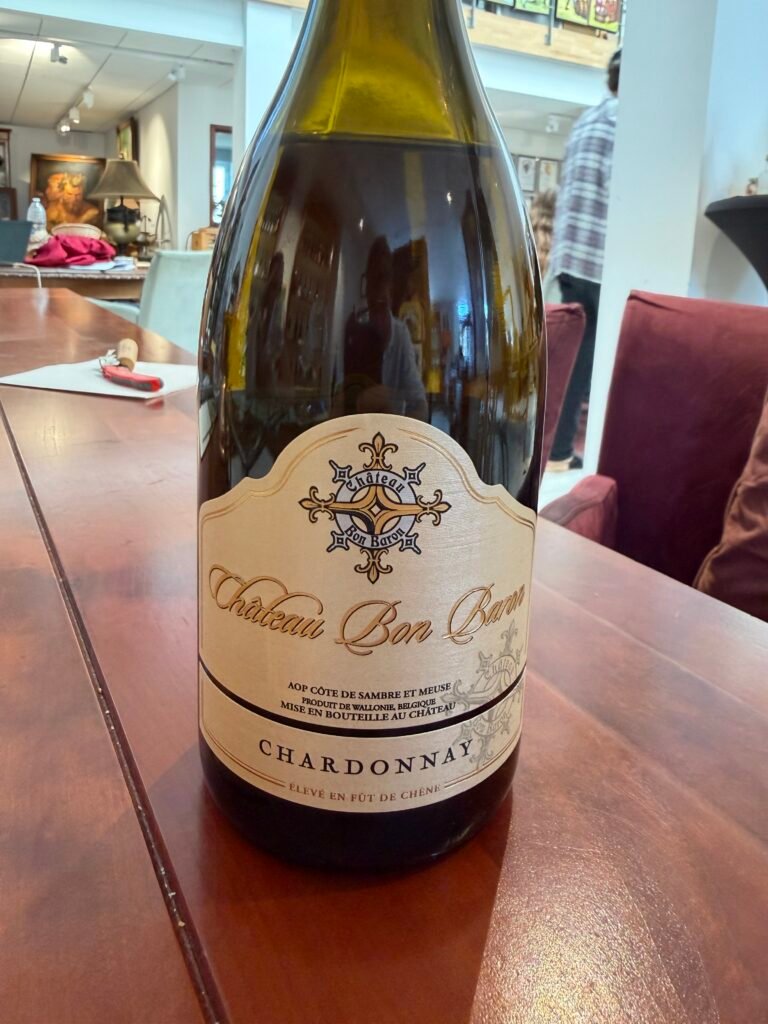
Enter Jeannette van der Steen and her husband Piotr. In 2003, this passionate Dutch couple moved to the French-speaking banks of the Meuse with a daring dream: to prove that Belgium’s unique microclimates could produce cool-climate wines capable of standing shoulder-to-shoulder with Europe’s historic wine capitals. Starting with just two hectares, they have single-handedly ignited a modern Belgian wine renaissance. Today, their estate spans 17 hectares across four meticulously managed vineyard plots, cultivating 14 distinct grape varieties under the prestigious AOP Côtes de Sambre et Meuse designation.
The Secret of the Meuse and the “No-Bruise” Cellar
Jeannette approaches viticulture like an elite, high-performance sport. The exceptional complexity of her bottles relies on two core pillars: a highly unusual river ecosystem and an almost obsessive level of manual care in the cellar.
- The Solar Reverb: The primary vineyard slope, Terrasse de Valburnot, faces directly south and is shielded by ancient stone walls that trap the daytime heat. More importantly, the massive surface of the nearby Meuse River acts as a giant mirror, reflecting intense UV rays back up onto the vines. This natural amplification allows delicate, slow-ripening grapes like Pinot Noir to reach perfect phenolic ripeness in a cool northern climate.
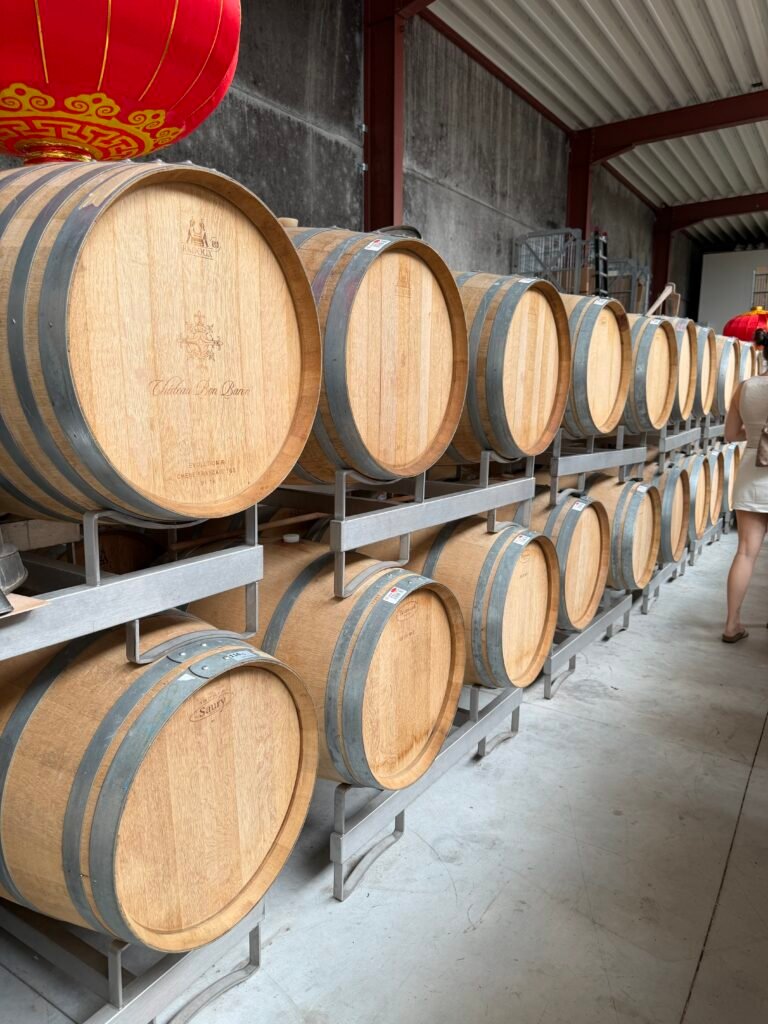
- The “No-Bruise” Cellar Philosophy: Certified by Fair’n Green for sustainable viticulture, the estate uses absolutely no herbicides, insecticides, added enzymes, or chemical stabilizers. But their most fascinating secret happens during barrel maturation. Jeannette believes that traditional mechanical stirring (bâtonnage) is too violent and structural for delicate cool-climate juices. Instead, every single oak barrel in her cellar is turned a precise quarter-turn by hand every single day. This gentle, rolling motion moves the lees effortlessly through the wine without ever bruising or shocking the liquid.
Acclaimed Awards and Michelin Pedigree
You do not have to take a sommelier’s word for it; the international wine stage has repeatedly validated Château Bon Baron’s craftsmanship. The estate has consistently brought home major hardware from rigorous blind-tasting competitions:
- Gold Medal (Pinot Noir): Awarded at the prestigious Élection des Meilleurs Vins Belges (Best Belgian Wine Competition).
- Gold Medal (Muscat): Won at the highly competitive international Muscats du Monde showcase.
- Silver Medal (Chardonnay): Conquered at the global Chardonnay du Monde finals.
- Multiple Gold & Silver Medals (Acolon): Dominated back-to-back years at the world-renowned Concours Mondial de Bruxelles.
Because of this impeccable quality track record, you will no longer find these bottles relegated to local boutique shelves. Château Bon Baron has become a darling of the fine-dining world, proudly poured by head sommeliers at legendary multi-starred Michelin icons like De Karmeliet, L’Eau-Vive, and Bon Bon, as well as being selected exclusively for the international Business Class cabins of Brussels Airlines.
To get a closer look at Jeannette’s pristine vineyards and watch her explain this unique cool-climate winemaking philosophy firsthand, you can explore this beautifully captured Château Bon Baron video profile. This short visual documentary offers a wonderful glimpse into the estate’s sprawling riverbanks and cellars, showing exactly why their bottles have captured the attention of Michelin-starred restaurants across Europe.
Tasting Note Focus: The Pinot Noir 2017 Vintage
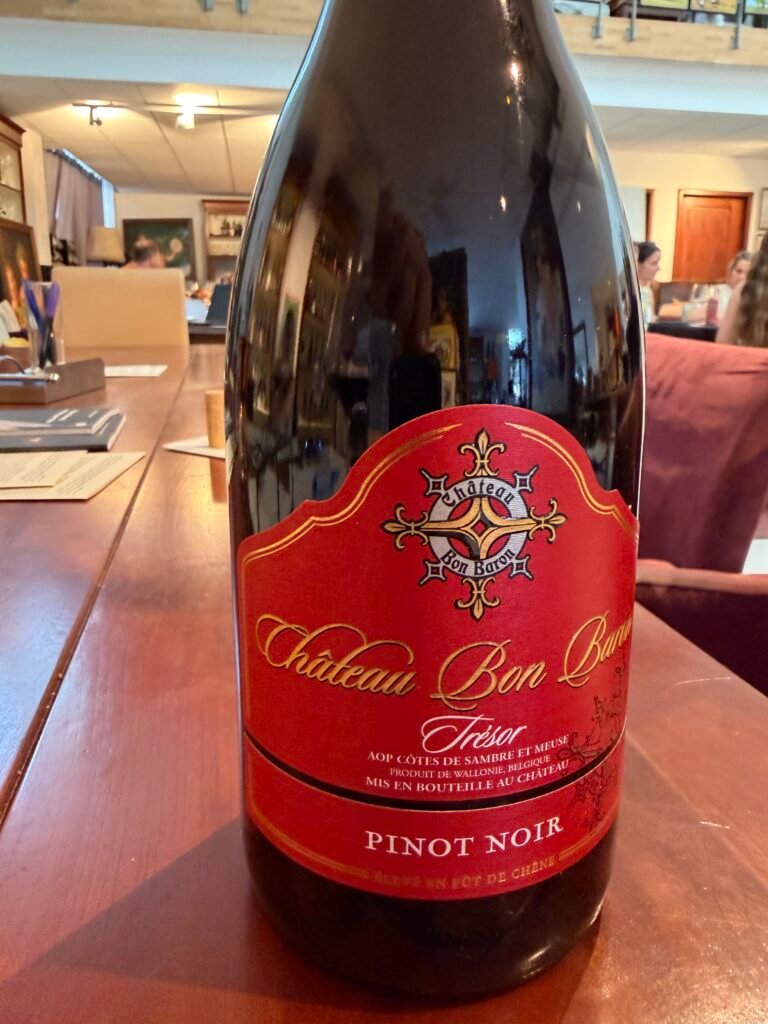
While Château Bon Baron produces brilliant, aromatic white wines (like Pinot Gris and Auxerrois), their aged red wines are a revelation. The Château Bon Baron Pinot Noir 2017 vintage is an absolute masterpiece. At nine years old, this wine displays a stunning, translucent ruby hue with brick-orange edges. The nose opens with a complex bouquet of dried cherries, forest floor, wild truffles, and a faint hint of sweet vanilla oak. On the palate, the tannins are silky and perfectly integrated, framed by a vibrant, energetic acidity that cuts beautifully through rich meats. It easily rivals premium bottles from the Côte de Nuits in Burgundy.
Arriving in Dinant: Saxophones and Striking Geology
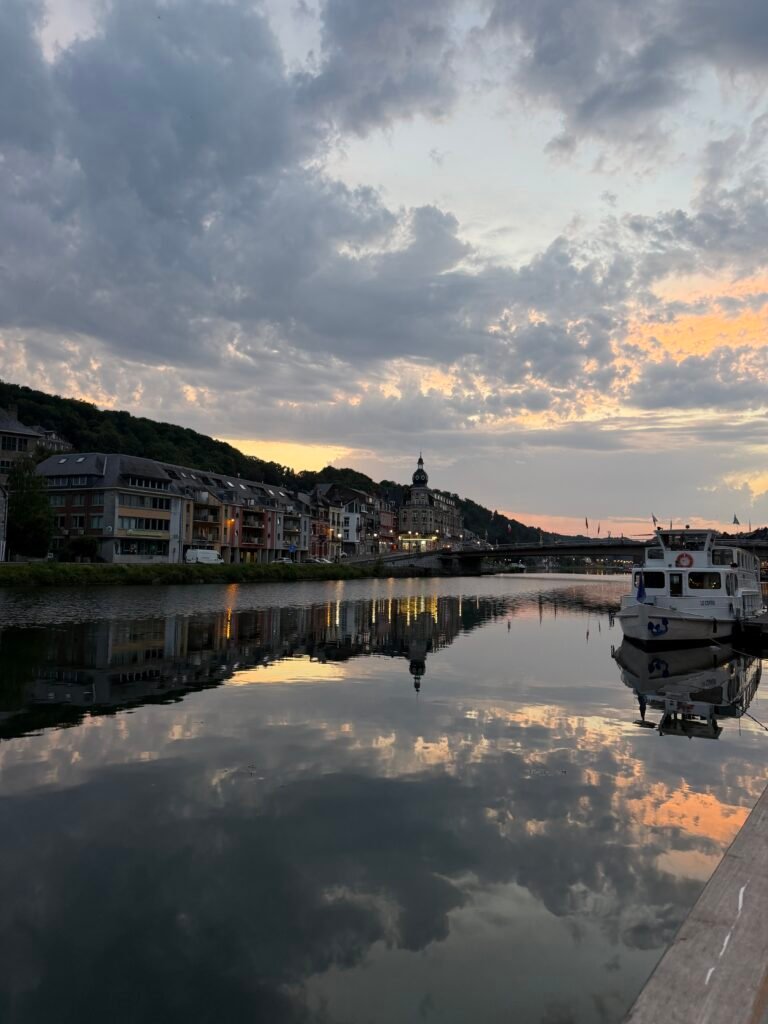
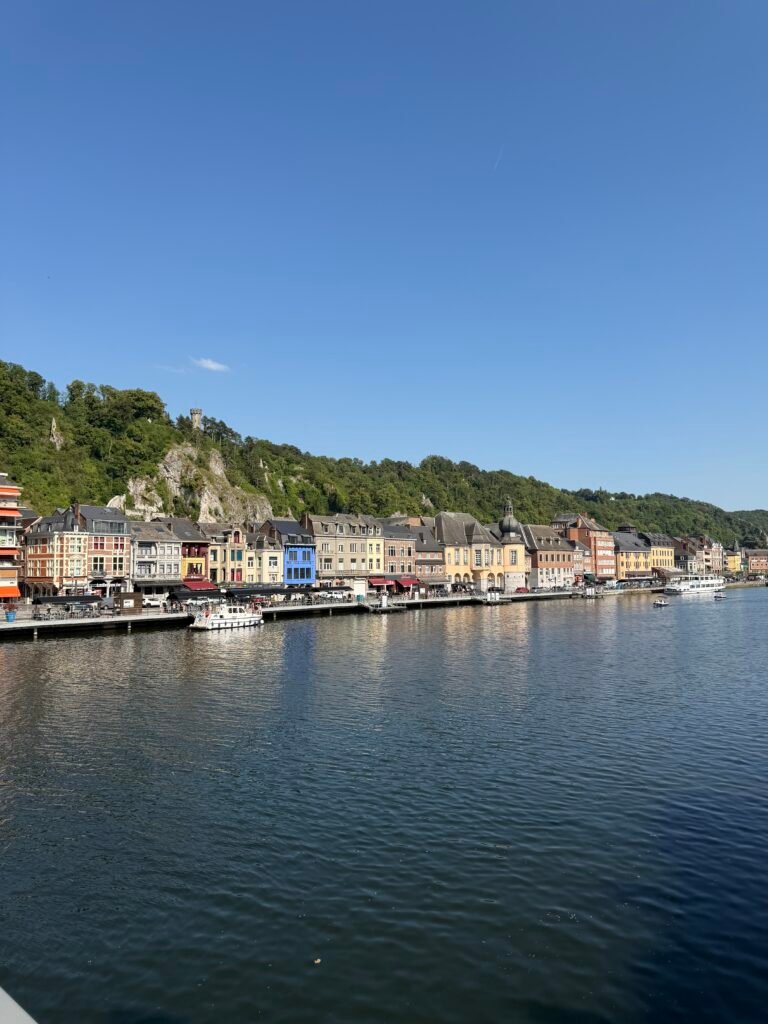
Following your wine tasting, follow the river road directly into Dinant. The entrance to this town is unforgettable: a narrow ribbon of colorful, historic buildings squeezed tightly between the wide, reflective waters of the Meuse River and a towering, 100-meter-high vertical limestone cliff face.
Dinant is universally celebrated as the birthplace of Adolphe Sax, the inventor of the saxophone. As you walk across the main bridge, you will see a colorful display of giant, artistically painted saxophone sculptures lining the pedestrian paths, paying tribute to this musical heritage.
Conquering the Citadel of Dinant
Your primary cultural mission here is to visit the mighty Citadel of Dinant, which sits like a stone crown on top of the limestone cliff overlooking the town. To reach the summit, you can choose to conquer the historic 408-step staircase built in the 16th century, or opt for a scenic, effortless ride on the modern cable car system.
| Citadel Historical Eras | Main Defensive Function & Architectural Changes |
| 11th Century (Origins) | Built by the Prince-Bishopric of Liège to control traffic along the strategic Meuse Valley. |
| 15th Century (Destruction) | Extensively damaged and sacked during conflicts with the House of Burgundy. |
| 19th Century (The Dutch Era) | Rebuilt into its current, heavy fortress layout by the Kingdom of the Netherlands between 1818 and 1821. |
| 20th Century (WWI Legacy) | Site of a ferocious, tragic battle between French and German forces in August 1914. |
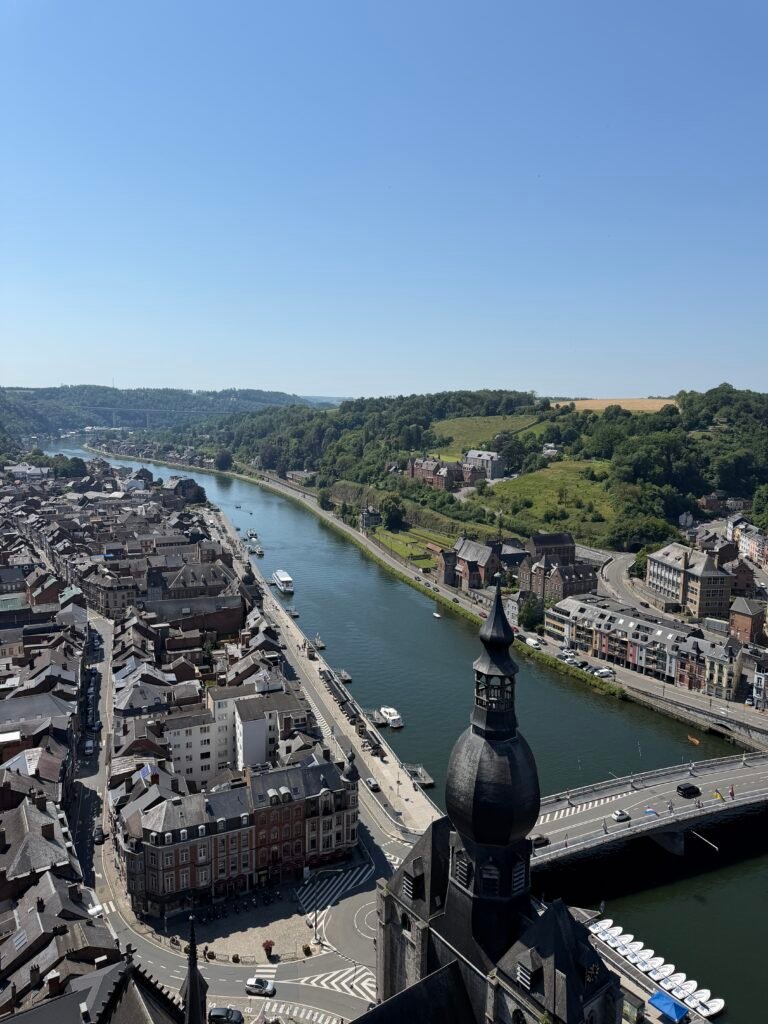
Inside the fortress walls, you can explore detailed museum exhibitions, walk through dark defensive trenches, and step into an incredible, disorienting “bunker room” that was tilted by an artillery blast during the World Wars. The absolute highlight, however, is walking out onto the parapets to enjoy a breathtaking, panoramic view of the entire Meuse Valley twisting through the green Walloon landscape far below.
Where to Stay: Historic Immersion at Le Merveilleuse by Infinity
For your second night, cross the river to check into Le Merveilleuse by Infinity (often styled La Merveilleuse). This hotel is a beautifully restored, historic neo-Gothic convent that sits proudly on the hills overlooking Dinant.
Le Merveilleuse manages to preserve its sacred architectural heritage- think vaulted stone corridors, tall arched windows, and beautiful exposed woodwork- while integrating sleek, high-end contemporary comforts. It is an incredibly peaceful, atmospheric location that offers stunning views of the valley lights reflecting off the river at night.
Day 3: Gnomes, Elixirs, and the Heart of the Forest
On day three, your Belgian Ardennes road trip itinerary dives directly into the deep, mysterious heart of the Ardennes high country. You will leave the wide river valleys behind and navigate through dense pine forests, misty valleys, and remote mountain villages toward the legendary province of Luxembourg.
This section of the drive feels wonderfully remote, offering pristine ribbons of asphalt that hug the contours of the rolling hills, a paradise for anyone who truly loves the tactile feedback of a good driving road.
A Mystical Pint: The Farmhouse Charm of Brasserie d’Achouffe
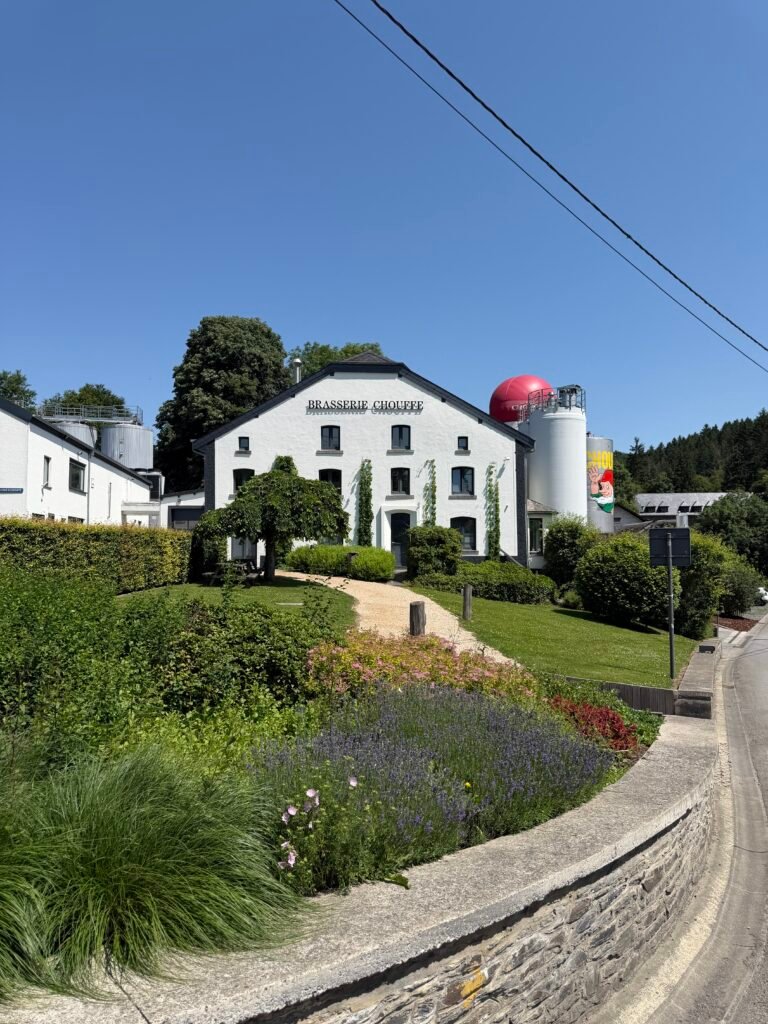
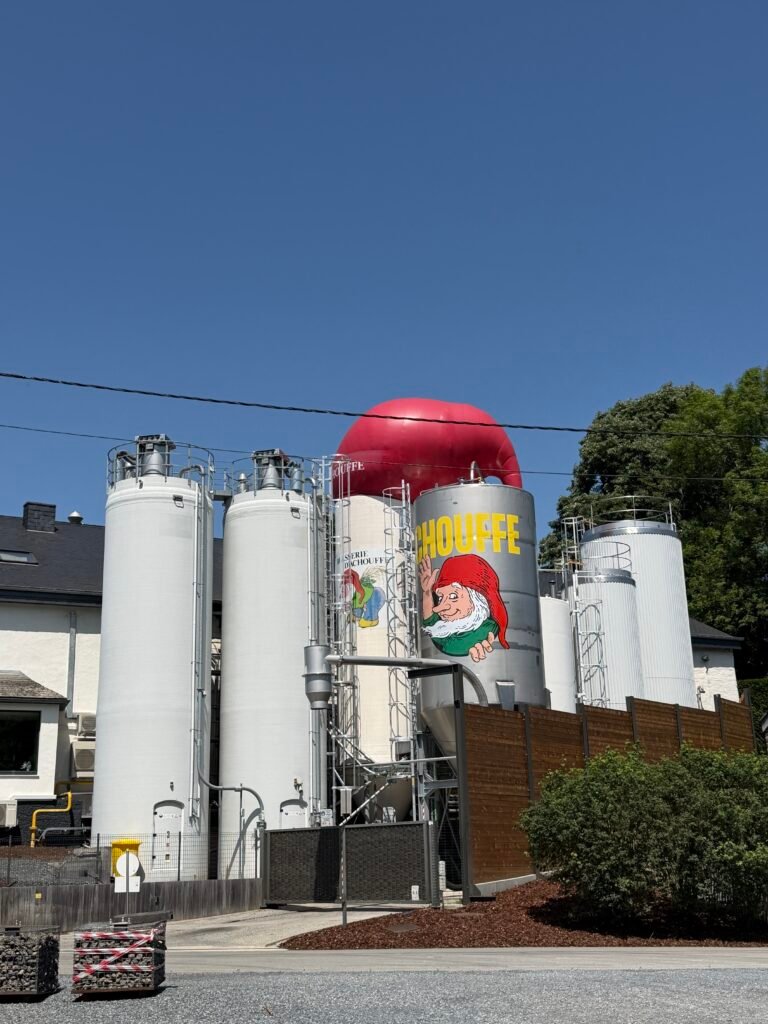
Before reaching your final overnight destination, take a scenic detour through the quiet valley of Fairon toward the tiny hamlet of Achouffe. Tucked away in a lush, green ravine is Brasserie d’Achouffe, one of the most beloved and whimsical independent breweries in the entire world.
Founded in the late 1970s by two brothers-in-law inside a small farmhouse, the brewery became famous for its incredible beers and its mischievous mascot: Marcel, the friendly Ardennes gnome (lutin). According to local folklore, the secret recipes for their incredibly smooth, spiced ales were whispered to the founders by the gnomes who live in the surrounding woods.
- The Taproom Experience: Park your car and step into the cozy Taverne de la Chouffe located right next to the historic copper brewhouse.
- The Tasting Flight: Sample a fresh, draft pour of the iconic La Chouffe, an unfiltered, bottle-conditioned blonde ale coming in at 8% ABV. It is beautifully effervescent, bursting with bright coriander notes, fruit esters, and a smooth, warming malt finish. If you want something darker, try the Mc Chouffe, a rich Scotch-style ale featuring deep tones of brown sugar, dark raisins, and roasted nuts.
Arriving in La Roche-en-Ardenne: The Haunted Valley
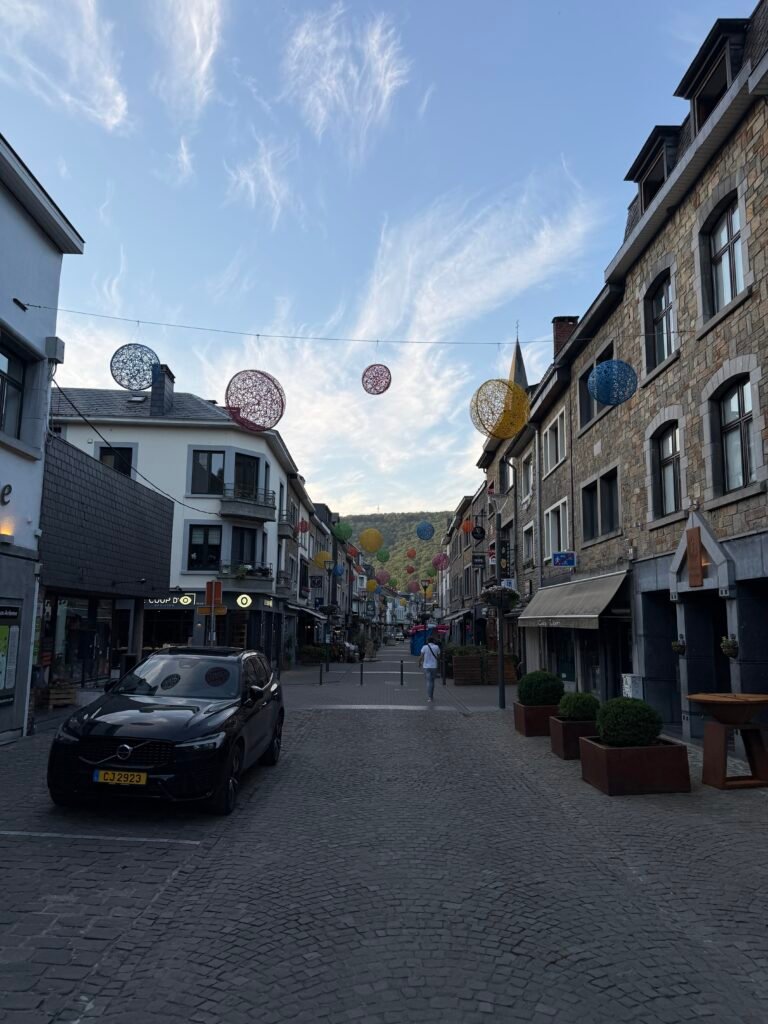
From Achouffe, complete your afternoon drive by descending into the steep, amphitheater-like valley of La Roche-en-Ardenne. Sweeping around a sharp bend in the Ourthe River, the town appears before you, dominated by the dramatic, dark ruins of the Château Féodal de La Roche, a 9th-century medieval fortress that clings to a rocky promontory overlooking the town center.
Spend some time walking through the quiet streets, exploring the local charcuterie shops specializing in traditional smoked Ardennes ham, or renting a small kayak to glide along the peaceful waters of the river loop.
Where to Stay: The Riverside Sanctuary of Hostellerie La Claire Fontaine
To conclude your road trip on the highest possible note, drive just a few minutes outside the town center along the forested river banks to check into Hostellerie La Claire Fontaine.
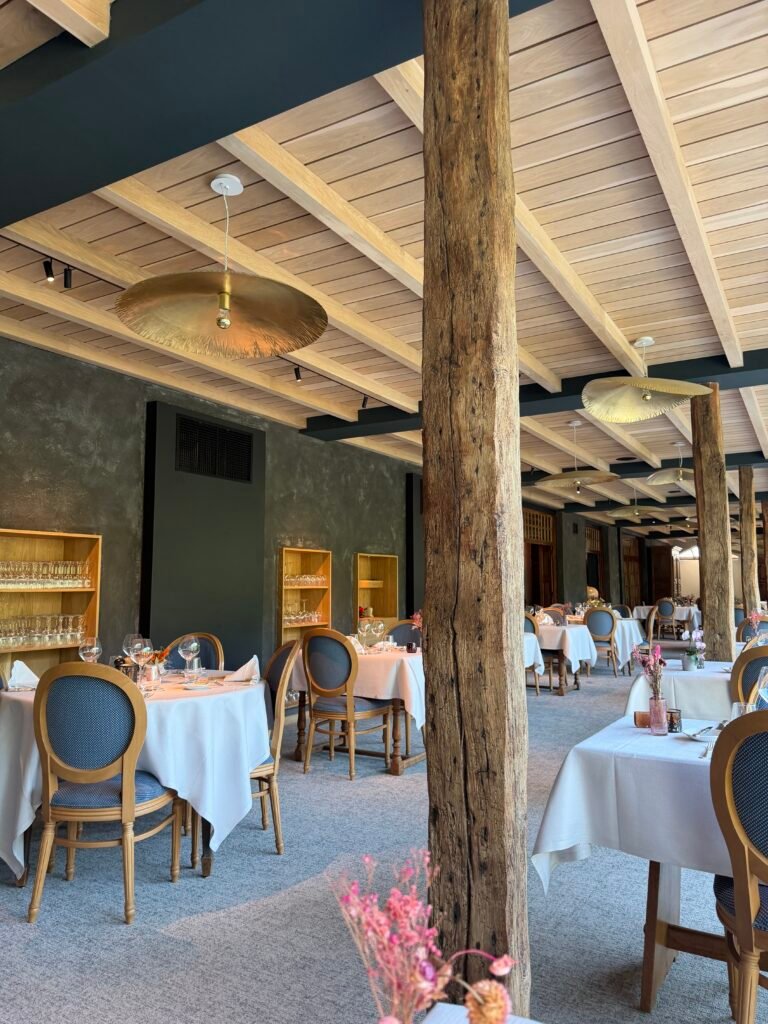
This property is a magnificent, upscale country estate nestled within a lush, manicured park along the edge of the Ourthe River. Managed with impeccable care, it offers a tranquil, deeply rejuvenating escape where the only sound you hear is the gentle rustle of leaves and the soft murmur of flowing water.
- The Accommodations: The rooms are spacious, elegantly appointed, and offer beautiful views of either the outdoor pool gardens or the river landscape.
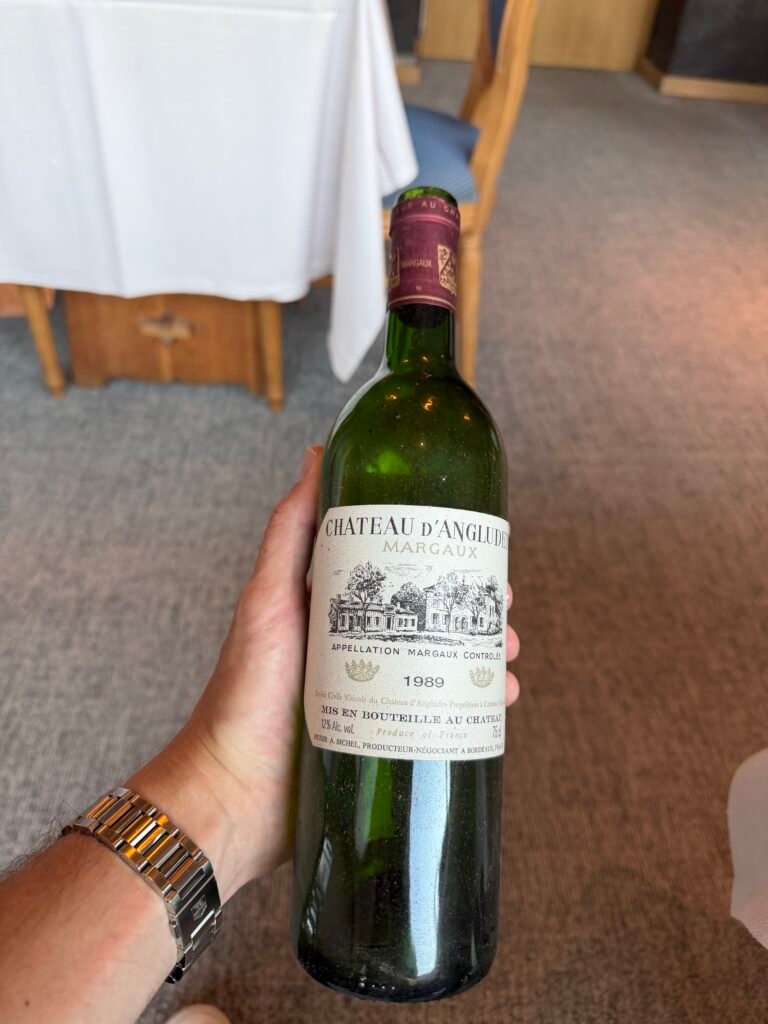
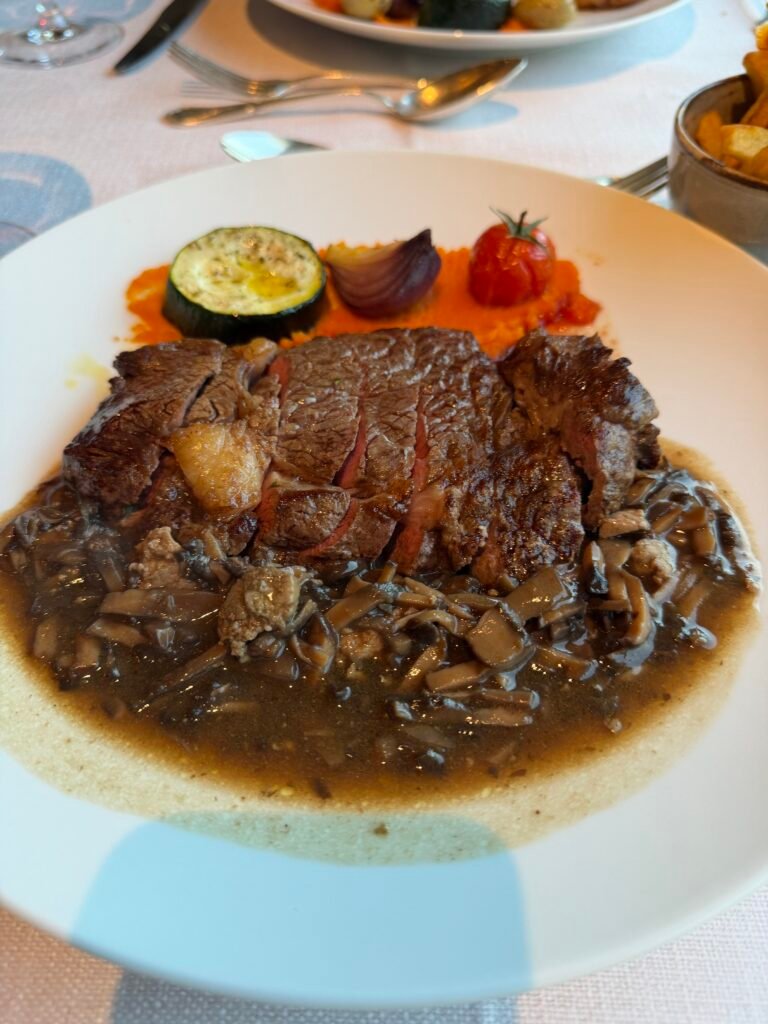
- The Gastronomic Restaurant: Do not dream of heading into town for dinner. The hotel’s fine-dining restaurant is one of the most respected culinary tables in the region, focusing on sophisticated, market-fresh cuisine. Enjoy a long, multi-course tasting menu paired with an exceptional selection of wines, ending your evening with a digestif on their torch-lit terrace directly over the water. The absolute highlight was a 1989 vintage of the Château d’Angludet Margaux.
Day 4: Morning Mist and the Return to Amsterdam
On your final morning, wake up early to witness the spectacular Ardennes morning mist rolling across the surface of the Ourthe River right outside your window at La Claire Fontaine. After a long, leisurely breakfast featuring fresh local cheeses, artisanal honey, and perfectly brewed coffee, it is time to pack your bags and prepare for the journey back north.
The drive back to Amsterdam is efficient and direct, taking you past Liège and Maastricht before linking up with the main A2 highway corridor. To help you plan your journey flawlessly, keep these essential road trip tips in mind
- Fuel and Charging Strategy: Fuel and electric vehicle charging rates are generally slightly cheaper across the border in Belgium compared to the Netherlands. Fill up your tank or top off your battery before crossing the border back into the Dutch highway system.
- Navigation and Speed Controls: While the winding country roads through Durbuy, Dinant, and La Roche are a joy to drive, pay close attention to local speed limits. Wallonia utilizes automated speed cameras (radars) extensively, particularly at the entrance to small rural villages.
- Packing for Wine and Beer: Make sure to leave ample space in your trunk before leaving Amsterdam. Between the exceptional cases of Pinot Noir from Château Bon Baron and fresh specialty bottles from Achouffe, you will absolutely want to bring a piece of the Ardennes home to your own cellar.
The Ultimate Ardennes Road Trip Planning Checklist
To ensure your journey satisfies both your palate and your peace of mind, use this quick-reference summary to verify your reservations before departing:
| Day / Destination | Curated Gourmet Stop | Vetted Hotel Recommendation | Key Experience Checklist |
| Day 1: Liège & Durbuy | Une Gaufrette Saperlipopette (Waffles) & Le Clos des Récollets (Fine Dining) | Hotel Victoria (Durbuy) | Lounging on medieval cobblestone terraces; exploring the historic old quarters. |
| Day 2: Dinant | Château Bon Baron (Premium Cool-Climate Pinot Noir Tasting) | Le Merveilleuse by Infinity (Converted Convent Stay) | Riding the cable car to conquer the historic Citadel cliff fortress. |
| Day 3: La Roche | Brasserie d’Achouffe (Gnome-brewed Farmhouse Ales) | Hostellerie La Claire Fontaine (Riverside Sanctuary) | Exploring the dark feudal ruins; enjoying a quiet riverside fine dining menu. |
The Slow Travel Rule: The true beauty of the Ardennes lies in its small details, the crisp snap of caramelized sugar on a morning waffle, the complex aroma of an aged local Pinot Noir, or the way the morning fog hangs low over a winding river valley. Do not rush the driving stretches. Turn off your highway navigation, embrace the country bypass roads, and let Wallonia reveal its secrets at its own magnificent, historic pace.
Interested in learning more about our other European food and wine trips? Have a look here and start planning your next trip.