Pop, Pour, Repeat: Uncorking the Real Character of Spain’s Cava Region
Let’s address the sparkling elephant in the room. For way too long, Cava has been treated as Champagne’s louder, cheaper, slightly less refined cousin. It’s the bottle you grab when you need to make mimosas for twelve people and don’t want to check your bank balance afterward. But treating all Spanish sparkling wine like glorified orange juice mixer is a massive disservice to one of the most fascinating, terroir-driven wine regions in the world.
If you are willing to look past the bottom shelf at the supermarket, the Cava wine region offers world-class traditional method sparkling wines that rival the best of France, often at a fraction of the price. The landscapes are stunning, the soil is complex, and the winemakers are fiercely passionate about their craft.
Where Exactly is the Cava Wine Region? (Spoiler: It’s Complicated)
Unlike Champagne or Prosecco, which are strictly tied to specific geographical borders, the Denominación de Origen (DO) Cava is a bit of a geographical anomaly. It’s not just one continuous patch of land. In fact, you can legally make DO Cava in several different parts of Spain, including parts of Rioja, Valencia, and Extremadura.
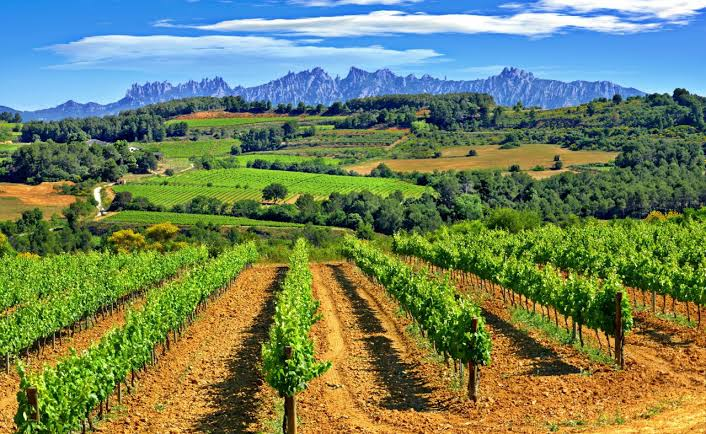
However, let’s be real. The undisputed spiritual and production heartland of Cava is Catalonia, specifically the Penedès region, located just a short drive south of Barcelona. Upwards of 95% of all Cava is produced here.
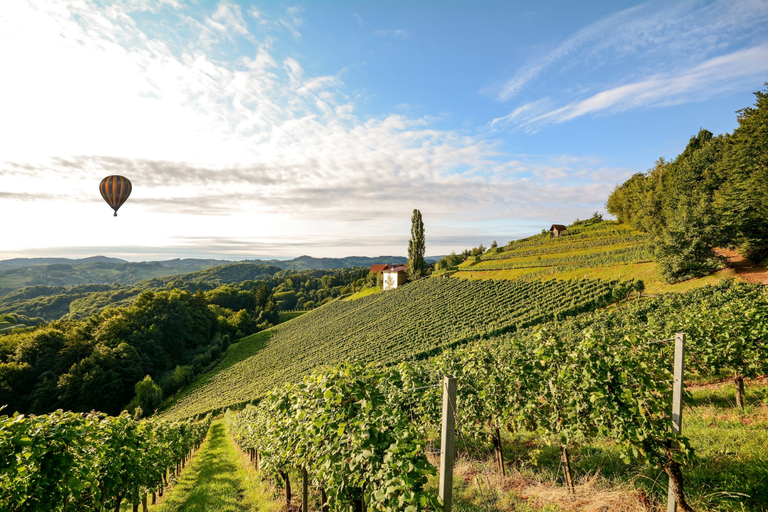
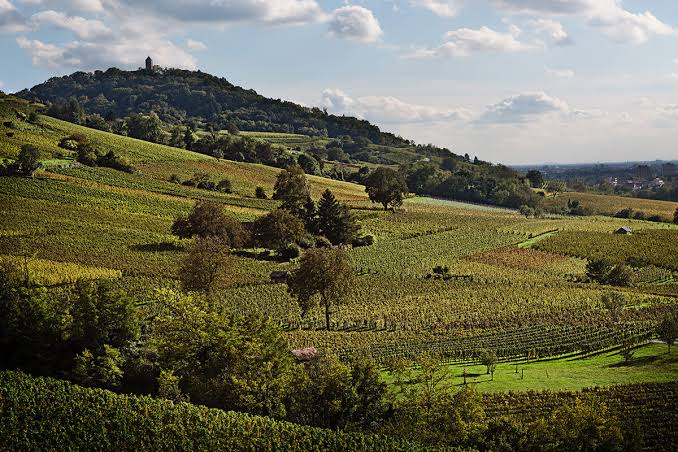
The Penedès is framed by the warm Mediterranean Sea on one side and the jagged, dramatic peaks of the Montserrat mountains on the other. This geography is crucial. The mountains block the harsh, freezing winds from the north, while the sea provides a moderating, cooling influence during the scorching Spanish summers. This microclimate allows the grapes to ripen fully, giving Cava its signature rich, baked-apple fruitiness, while retaining enough acidity to keep the wine crisp and age-worthy.
The Three Zones of Penedès
To really geek out on the terroir, you have to understand that Penedès isn’t just one flat field. It’s divided into three distinct elevation zones, each bringing something different to the blending table:
- Baix Penedès (Low Penedès): The coastal, low-altitude vineyards. It’s hot here. This is where you’ll find fuller-bodied white grapes and the red varieties used for Cava Rosado (rosé).
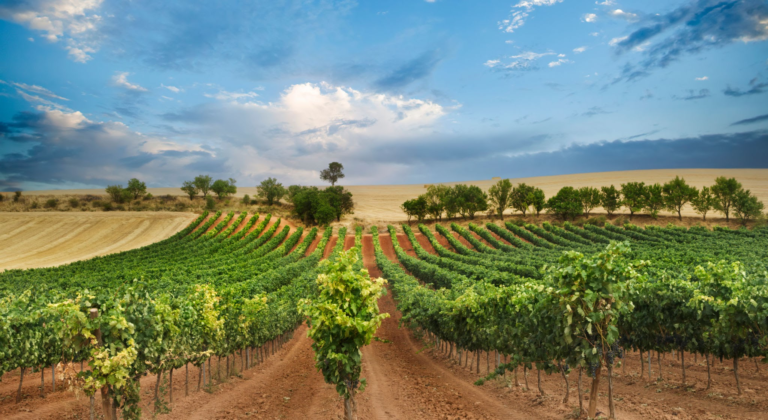
- Mitja Penedès (Middle Penedès): Sitting between 250 and 500 meters above sea level, this is the sweet spot. The vast majority of the region’s star grapes are grown in these rolling hills, benefiting from a perfect balance of sunshine and cool evening breezes.
- Alt Penedès (High Penedès): Reaching up to 800 meters, this is where the climate gets marginal. It’s much cooler, making it the perfect home for the Parellada grape, which needs high altitudes to maintain its delicate floral aromas and zippy acidity.
The Holy Trinity of Cava Grapes
While some producers use international varieties like Chardonnay and Pinot Noir (a controversial topic among Cava purists), the true soul of Spanish sparkling wine lies in its indigenous white grapes. The classic Cava blend relies on a “Holy Trinity,” with each grape playing a highly specific role.
- Macabeo (Viura): This is the workhorse grape, usually making up the largest percentage of the blend. It provides the wine with its base structure, offering mild, crowd-pleasing flavors of green apple, pear, and sometimes a hint of bitter almond. It’s reliable, yields well, and forms the perfect blank canvas for the secondary fermentation.
- Xarel·lo (pronounced shah-rell-lo): If Macabeo is the body, Xarel·lo is the backbone and the attitude. It is highly acidic, incredibly robust, and brings deep, earthy, herbal notes to the wine (think fennel, chamomile, and wet stone). More importantly, Xarel·lo is packed with antioxidants, which gives the wine the structure it needs to age for years, or even decades, in the cellar without oxidizing.
- Parellada (pronounced pah-rey-yah-dah): Grown high in the Alt Penedès, this grape is all about elegance. It brings finesse, bright citrus notes, and delicate white blossom aromas. If a Cava blend is a perfectly tailored suit, Parellada is the silk pocket square.
For rosé lovers, Cava Rosado is primarily crafted from Trepat (a local red grape that brings vibrant strawberry notes and zippy acidity) and Garnacha (Grenache), which adds ripe red berry fruit and weight.
The Magic is in the Method
You can’t write a comprehensive guide to Cava without talking about how the bubbles get into the bottle. Cava is made using the Método Tradicional (Traditional Method). This is the exact same, highly labor-intensive process used in Champagne.
It works like this: The winemaker creates a still base wine from the harvested grapes. This wine is bottled, and a mixture of sugar and yeast (the liqueur de tirage) is added before the bottle is sealed with a crown cap. The yeast eats the sugar, creating alcohol and carbon dioxide. Because the bottle is sealed, the CO2 has nowhere to go, so it dissolves into the wine, creating those tiny, elegant bubbles.
The Art of Autolysis (Why Aging Matters)
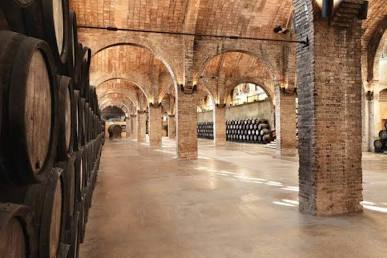
Once the yeast finishes its job, it dies and settles at the bottom of the bottle as “lees.” This is where the magic happens. As the wine rests on these dead yeast cells (a process called autolysis), it transforms. The simple, fruity wine takes on complex, savory aromas of freshly baked bread, toasted brioche, almond pastry, and smoke.
This is exactly why you need to pay attention to the aging tiers on a Cava label. The longer it sits in those dark, underground cellars, the better it gets.
| Classification | Minimum Aging on Lees | Tasting Profile |
| Cava de Guarda | 9 Months | Fresh, zesty, heavy on the green apple and citrus. Perfect for casual sipping or tapas. |
| Reserva | 18 Months | Noticeable nutty and baked bread aromas. More complex, with a richer mouthfeel. |
| Gran Reserva | 30 Months | Deeply complex, toasty, honeyed, with an incredibly fine, creamy mousse. Often vintage-dated. |
| Paraje Calificado | 36+ Months (often much longer) | The absolute pinnacle. Single-estate, hand-harvested grapes. Rivals prestige Champagne. |
3 Cava Houses That Will Ruin You for Anything Else
If you are planning a trip, perhaps scouting the perfect southern European lifestyle or looking for boutique hospitality inspiration, visiting the producers is mandatory. While the massive, historic houses like Codorníu and Freixenet are architectural marvels and worth a tour, the real excitement lies with the producers pushing the boundaries of terroir and organic farming.
Here are three estates that completely redefine what Spanish sparkling wine can be.
1. Alta Alella (The Coastal Maverick)
We have to start with Alta Alella, an absolute non-negotiable visit if you are anywhere near Barcelona. Located just 20 minutes north of the city in the Serralada de Marina Natural Park, this estate feels like a well-kept secret.
Unlike the clay and limestone of Penedès, Alta Alella’s vines are planted on sauló, an acidic, sandy soil derived from decomposing granite. Furthermore, the vineyards sit on steep slopes overlooking the Mediterranean Sea. This unique coastal terroir gives their wines an unbelievable saline minerality; you can practically taste the ocean breeze in the glass.
They are fiercely dedicated to organic farming. Their flagship Mirgin line is exceptional, but if you want to experience something wild, try their Celler de les Aus project. These are radical, natural sparkling wines made without any added sulfites, bottled in opaque, amphora-inspired glass. It’s Cava, but completely unchained.
2. Recaredo (The Biodynamic Royalty)
If you want to understand the absolute ceiling of Spanish sparkling wine quality, you look to Recaredo. Located in Sant Sadurní d’Anoia (the undisputed capital of the region), this family-owned estate does not mess around.
First, they only make vintage-dated, brutalist, zero-dosage wines (meaning absolutely no sugar is added after disgorgement). Second, they only produce Gran Reserva wines or higher. Every single bottle they release has spent a minimum of 30 months aging on the lees, with their top cuvées aging for a staggering 10 to 15 years.
Recaredo is also a pioneer in biodynamic agriculture. They use horses to plow the vineyards instead of tractors to avoid compacting the soil, and they allow indigenous cover crops to grow wild between the vines. The resulting wines are intensely savory, deeply structured, and profoundly intellectual. Note: Recaredo actually left the DO Cava a few years ago to form the ultra-strict “Corpinnat” breakaway group, but they remain historically and culturally essential to understanding the region’s sparkling wine heritage.
3. Juvé & Camps (The Elegant Standard-Bearer)
While Alta Alella brings the coastal edge and Recaredo brings the extreme aging, Juvé & Camps is the house you turn to for flawless, aristocratic elegance. They are arguably the most respected name inside Spain itself; this is the sparkling wine that Spanish families serve at weddings, major holidays, and celebrations.
Their Reserva de la Familia is a benchmark. Traditionally a Gran Reserva made entirely from free-run juice (the highest quality juice that flows from the grapes before they are even pressed), it is consistently magnificent. Walking through their cavernous, dimly lit underground cellars, which stretch for miles beneath the town, feels like stepping back in time. They perfectly balance scale with artisanal quality, proving that you don’t have to be a micro-boutique to make world-class wine.
Sourcing Your Cellar: Where to Buy the Good Stuff
The biggest tragedy of Cava is that the absolute best bottles rarely make it to international supermarket shelves. The mass-market importers tend to prioritize the cheap, 9-month-aged bottles because they sell quickly.
If you want to get your hands on a serious Gran Reserva or a single-vineyard Paraje Calificado without having to pack a secondary suitcase for a flight out of El Prat, you need to rely on specialized merchants.
For European buyers, two platforms stand out as absolute lifesavers:
- Decantalo: This is arguably the best online portal for Spanish wine. Because they are based in Spain, their access to small allocations of premium Catalan sparkling wine is unmatched. You can filter by aging requirements, grape varieties, and even specific soil types. It’s where you go when you want to track down an obscure, long-aged bottle of Xarel·lo-dominant fizz.
- Wijnbeurs: For a highly curated, reliably excellent selection, Wijnbeurs is fantastic. They do the heavy lifting of tasting and filtering out the mediocre stuff, meaning if a Cava makes it onto their roster, it has already passed a rigorous quality check. They are particularly great for finding those “sweet spot” Reserva bottles that offer massive value for the price.
What’s on the Plate? The Art of the Pairing
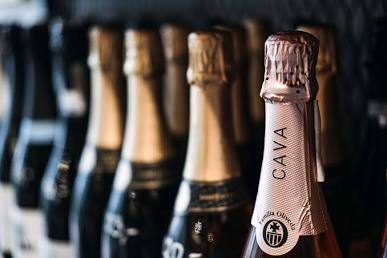
Because Cava generally has lower acidity than Champagne (thanks to the warmer Mediterranean sun) and a distinctly earthy profile from the Xarel·lo grape, it is arguably the most versatile food wine on the planet. The Spanish don’t relegate sparkling wine to toasts and appetizers; they drink it straight through a multi-course meal.
- Jamon Ibérico: This is the ultimate pairing. The crisp bubbles and sharp citrus notes of a Brut Nature (zero sugar) slice right through the rich, melting, acorn-fed fat of the cured ham.
- Fried Tapas: Anything deep-fried, calamari, croquetas de pollo, patatas bravas, begs for Cava. The carbonation acts as a palate cleanser, scrubbing the oil from your tongue and leaving you ready for the next bite.
- Oysters and Seafood: A young, fresh Cava de Guarda is a beautiful match for raw oysters, while a richer, fuller-bodied Gran Reserva can stand up to heavier dishes like garlic prawns (gambas al ajillo) or even a rich seafood paella.
- Aged Cheeses: Skip the red wine and pair a 5-year-aged Cava with Manchego. The nutty, brioche notes of the aged wine perfectly mirror the savory, crystalline texture of the sheep’s milk cheese.
Beyond the Glass: The Future of the Region
The Cava region is currently undergoing a massive renaissance. For a long time, the volume-driven giants dictated the reputation of the region. But today, a new generation of winemakers—armed with degrees in enology and a fierce pride in their local terroir—are demanding better.
They are isolating single vineyards, extending aging times dramatically, and converting to organic and biodynamic farming at a rapid pace (the DO Cava has mandated that all Reserva and Gran Reserva wines must be 100% organic by 2025).
So, the next time you are staring at a wine list or browsing online, skip the entry-level Champagne. Look for a Cava Gran Reserva. Look for the names Alta Alella or Recaredo. You’ll be getting a wine with a distinct sense of place, a rich history, and the kind of depth that demands your full attention, and inevitably, a second glass.
You can read more about another famous Catalan wine region: Priorat, or find an overview about all Spanish wine here.
One Comment
Comments are closed.