The Atlantic Coast in a Glass: A Deep Dive into Rías Baixas and the World of Albariño
Few wine regions evoke a sense of place as vividly as Rías Baixas. Tucked away in the green, rain-swept northwestern corner of Spain known as Galicia, this coastal paradise flips the script on classic Spanish viticulture. Forget the sun-baked, dusty plains of Rioja or the scorching valleys of Ribera del Duero. Rías Baixas is a landscape of dramatic, jagged Atlantic inlets (rías), ancient granite soils, emerald forests, and vineyards so close to the ocean that you can literally taste the sea spray on the grapes.
This is the spiritual home of Albariño, a white grape variety that produces some of the most dynamic, aromatically expressive, and mineral-driven white wines in the world. Once a regional secret paired only with local Galician seafood, Rías Baixas Albariño has exploded onto the international wine map, captivating sommeliers and casual drinkers alike.
Whether you are planning an unforgettable food and wine travel itinerary through Galicia or simply looking to bring the taste of the Atlantic coast into your dining room, this comprehensive guide covers everything you need to know about the sub-regions, the unique terroir, the top vineyards to visit (and buy), and how to pair these coastal masterpieces.
1. Terroir and Climate: The Anatomy of Atlantic Wine
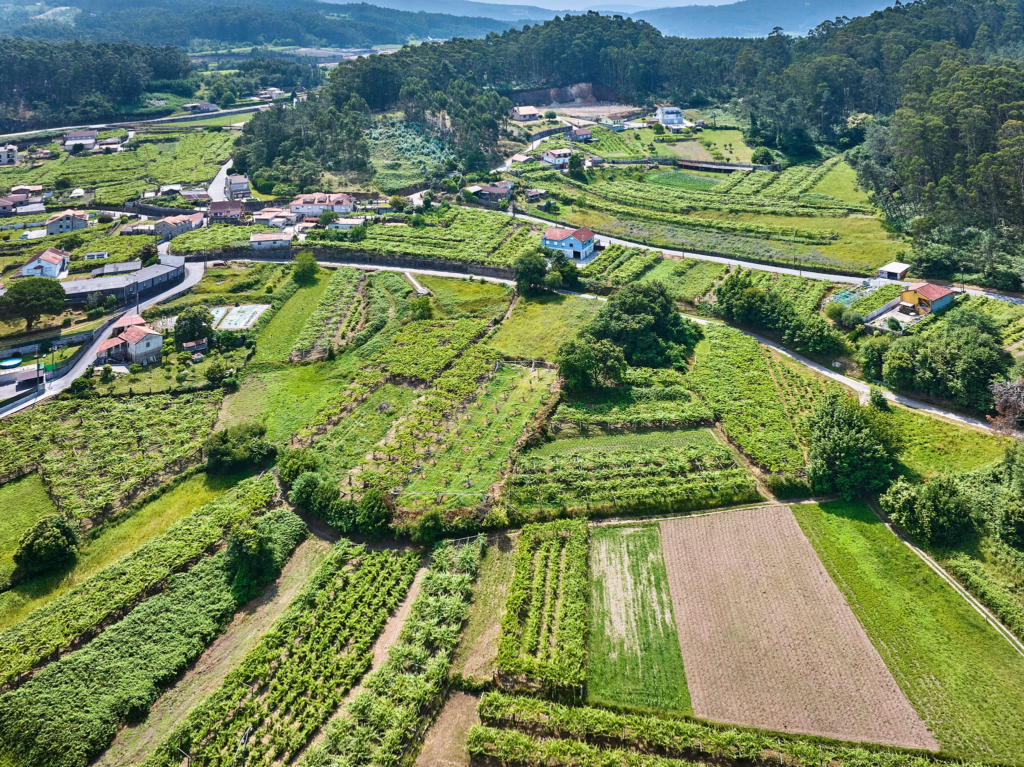
To understand the wine of Rías Baixas, you must understand its geography. The name Rías Baixas translates from Galician to “Lower Inlets,” referencing four large, glacial-like coastal estuaries, Ría de Muros e Noia, Ría de Arousa, Ría de Pontevedra, and Ría de Vigo, that reach like fingers from the Atlantic Ocean deep into the mainland.
The Climate: Wet, Wild, and Maritime
Galicia is known affectionately as España Verde (Green Spain). It receives an immense amount of rainfall, frequently exceeding 1,300 to 1,500 millimeters per year. This heavy Atlantic influence creates an ongoing battle for winegrowers: intense moisture triggers high humidity, which makes the vineyards incredibly susceptible to mildew and rot.
However, the Atlantic also acts as a crucial thermal regulator. The ocean breezes prevent the region from experiencing extreme heat during the summer months, preserving the naturally high, vibrant acidity of the Albariño grape. Mild winters and warm, sun-drenched summers allow for a slow, gentle ripening process that coaxes out intense aromatic compounds without skyrocketing the sugar levels (and subsequent alcohol contents).
The Soils: The Power of Granite
Beneath the lush green grass of Rías Baixas lies its true secret weapon: granite.
The vast majority of the region features poor, decomposed granite bedrock mixed with sandy loam and alluvial topsoils. Granite is highly acidic and doesn’t hold onto nutrients or water easily, forcing the vine roots to dig deep into the rock fractures to find sustenance. This unique geological makeup translates directly into the glass, imbuing the wines with a distinct, stony minerality, structural tension, and a signature salty finish that mirrors the nearby ocean.
2. The Art of the Pergola: Vine Training in Galicia
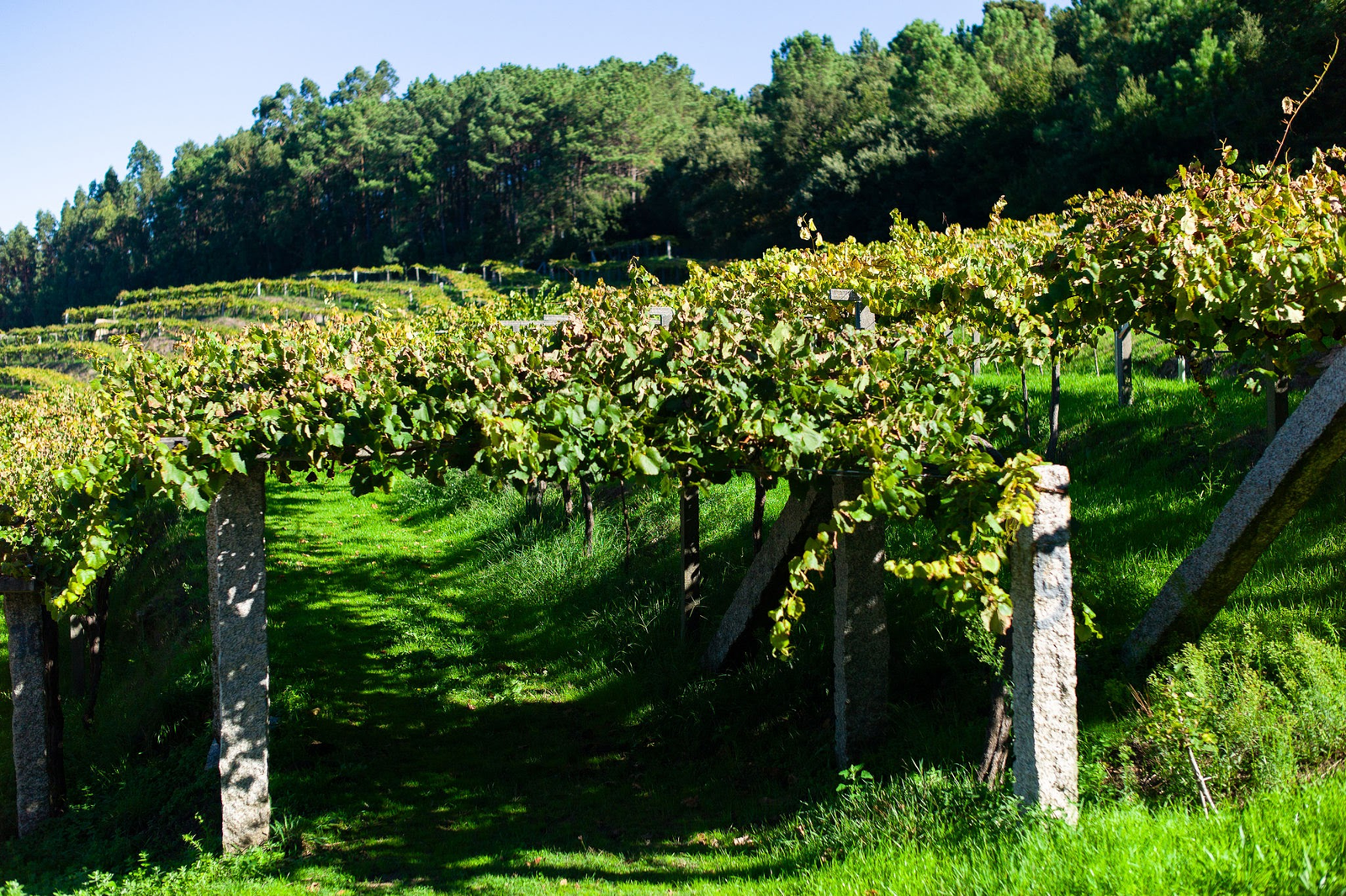
If you drive through the countryside of Rías Baixas, you will notice a vineyard architecture that looks entirely different from the low-lying bush vines of central Spain. Instead, the vines here are hoisted high into the air on massive stone pillars made of local granite.
This traditional vine-training system is called the parra (or pergola system).
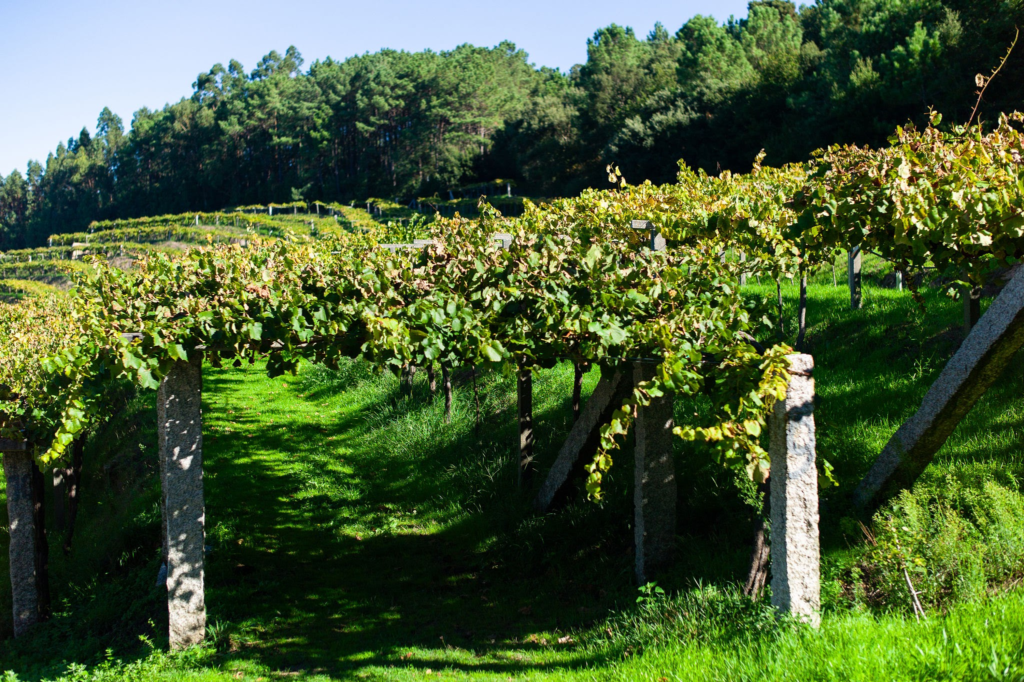
By lifting the vine canopy roughly five to seven feet off the damp ground, growers maximize air circulation underneath the leaves and fruit. The constant coastal breezes dry out the grapes after a rainfall, preventing rot and fungal diseases. Furthermore, the elevated canopy allows for maximum sun exposure across the leaves in a region where cloudy days are common.
Because the fruit hangs high overhead, everything in these vineyards must be done by hand. Pruning, canopy management, and harvesting require workers to reach above their heads or stand on specialized benches, transforming the harvest into a highly labor-intensive, artisanal endeavor.
3. The 5 Distinct Sub-Regions of Rías Baixas
Though Albariño rules the entire D.O. (Denominación de Origen), Rías Baixas is not a single, uniform landscape. It is officially divided into five distinct sub-regions, each boasting its own unique microclimate, soil variation, and stylistic nuances.
1. Val do Salnés
- The Vibe: The historic heartland and the coolest, wettest sub-region.
- Location: Situated directly on the Atlantic coast, wrapped around the historic town of Cambados.
- The Wine Style: This is the most iconic style of Albariño. Because it sits right on the ocean, Val do Salnés produces wines with searing, electric acidity, intense citrus notes (lemon zest, lime), and an unmistakable, briny salinity. It contains the highest concentration of vineyards and wineries in the D.O.
2. O Rosal
- The Vibe: A warmer, terraced river valley bordering Portugal.
- Location: Located along the banks of the Miño River at the very southern edge of Galicia.
- The Wine Style: Because it is further south and protected by mountains, O Rosal is noticeably warmer than Salnés. Albariño here ripens more easily, yielding softer, rounder wines with stone fruit characteristics (peach, apricot). Uniquely, winemakers here frequently blend Albariño with other indigenous white varieties like Loureiro and Treixadura to add floral and aromatic complexity.
3. Condado do Tea
- The Vibe: The warm, inland frontier.
- Location: Situated further inland along the Miño River, named after the River Tea.
- The Wine Style: Being removed from the immediate cooling influence of the ocean, this sub-region experiences hotter summers and colder winters. Soils contain more clay alongside the granite. The resulting wines are richer, fleshier, and less intensely acidic, highlighting ripe tropical fruits (pineapple, mango) and mineral undercurrents.
4. Soutomaior
- The Vibe: The micro-appellation.
- Location: The smallest of the five sub-regions, tucked away at the head of the Ría de Vigo.
- The Wine Style: This tiny zone focuses exclusively on 100% Albariño grown on steep, terraced hillside soils of pure granite. The production is incredibly limited, offering highly focused wines with intense white floral aromas, crisp green apple flavors, and deep mineral drive.
5. Ribeira do Ulla
- The Vibe: The newest, northernmost frontier.
- Location: Located inland along the Ulla River, just south of Santiago de Compostela.
- The Wine Style: Officially recognized in 2000, this sub-region is primarily an alluvial valley. It produces incredibly bright, vibrant, and approachable Albariños dominated by crisp pomaceous fruits (green apple, pear) and a slightly softer structural profile.
4. Spotlight on Iconic Vineyards and Wineries
To truly appreciate the diversity and caliber of Rías Baixas, you should seek out producers who respect the tradition of the region while pushing the boundaries of what Albariño can achieve. Here are four exceptional wineries that capture the essence of Galicia.
Mar de Frades: The Modern Pioneer
No discussion of contemporary Rías Baixas is complete without highlighting Mar de Frades. Perched on a hillside in the Val do Salnés overlooking the Ría de Arousa, this winery is an architectural marvel of granite and glass that blends seamlessly into the Galician landscape.
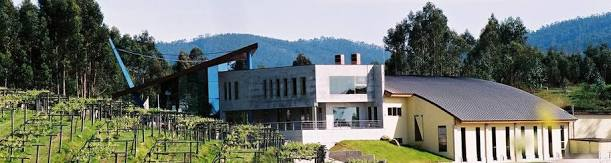
Mar de Frades is famous for its iconic, custom-designed blue glass bottles, but what is inside is even more impressive. Their estate vineyard, Finca Valiñas, sits on steep terraces of decomposed granite and features old, pergola-trained vines.
- The Wine to Try: Mar de Frades Albariño Atlántico.
- The Profile: This wine is a masterclass in coastal tension. It pours a pale lemon color with bright greenish reflections. On the nose, it explodes with aromas of green apple, wild herbs, white peach, and wet slate. On the palate, it is crisp, vibrant, and incredibly refreshing, finishing with an intense, tongue-tingling briny note that begs for raw oysters.
- The Tech Touch: Look closely at the front label. Mar de Frades uses thermochromic ink: when the bottle is chilled to the ideal serving temperature (around 8–10°C), a tiny blue sailing ship appears on the label amidst the waves.
Bodegas Terras Gauda: The Master Blenders
Located in the southern O Rosal sub-region, Terras Gauda is a legendary estate that champions the art of blending indigenous Galician grapes. While most global consumers look for 100% Albariño, Terras Gauda demonstrates the magic that happens when you integrate ancestral varieties.
- The Wine to Try: Terras Gauda O Rosal.
- The Profile: A blend of roughly 70% Albariño, 20% Loureiro, and 10% Caiño Blanco. The Albariño brings structure and citrus core; the Loureiro provides intense floral aromas of orange blossom and jasmine; the rare Caiño Blanco adds exotic fruit notes and an incredible velvety texture. It is a rounder, more complex, and deeply aromatic expression of the region.
Granbazán: The Heritage Icon
Also located in the Val do Salnés, Granbazán is instantly recognizable by its grand, blue-tiled, French-château-style winery surrounded by old, sprawling pergolas. Granbazán was one of the foundational estates that helped transition Rías Baixas away from homemade table wine and into a world-class, technically precise wine region during the late 20th century.
- The Wine to Try: Granbazán Etiqueta Ámbar (Amber Label).
- The Profile: Made from free-run juice of estate-grown grapes and aged on its fine lees (the leftover yeast cells) for several months. This skin-contact and lees contact gives the wine a rich, creamy mouthfeel, balancing out the sharp Atlantic acidity. It features gorgeous notes of ripe yellow plum, dried herbs, and complex baked bread undertones.
Pazo Señorans: The Long-Aging Legend
If you think white wines should always be drunk young, Pazo Señorans will completely shatter your perspective. Operating out of a magnificent, historic 14th-century ancestral manor home (pazo), this family-owned estate produces some of the most age-worthy white wines on the planet.
- The Wine to Try: Pazo Señorans Selección de Añada.
- The Profile: This extraordinary 100% Albariño is kept on its fine lees in stainless steel tanks for an incredible 36 months minimum before release. The result is a wine of staggering depth, structure, and elegance. It sheds its simple primary citrus flavors, trading them for tertiary notes of beeswax, preserved lemon, petrol, toasted almonds, and deep, profound minerality while retaining an unbelievable core of fresh acidity.
5. Where to Buy Rías Baixas Albariño
Because Rías Baixas is now highly sought after worldwide, finding these bottles is relatively straightforward if you know where to look. Expect to spend anywhere from €18 to €30 for an excellent regional bottle (like the classic Mar de Frades), while premium, lees-aged expressions can range from €40 to €70+.
For North American Buyers
- Local Independent Wine Shops: Your best bet for finding specific, small-producer sub-regional bottles (like Pazo Señorans or older vintages). Ask the shop curator for “Coastal Spanish Whites.”
- Total Wine & More: Regularly stocks mainstream favorites like Mar de Frades, Martin Códax, and Burgáns at highly competitive price points.
- Online Repositories (Wine.com / Astrowines): Excellent platforms to track down specific bottlings, especially the hard-to-find blends from Terras Gauda or aged Selección de Añada.
For European Buyers
- Specialized Wine Merchants: In the UK, look to merchants like Berry Bros. & Rudd or The Wine Society. In continental northern Europe (such as the Netherlands or Germany), check premium boutique shops or online portals like Wijnvoordeel & Decantalo.
- El Corte Inglés (Club del Gourmet): If you are traveling through Spain, the gourmet department of this national department store features an unparalleled selection of ultra-premium Rías Baixas bottles that are rarely exported.
6. The Ultimate Culinary Match: Food Pairing Guide
In the culinary world, there is an old golden rule: “What grows together, goes together.” Nowhere is this aphorism more accurate than in Galicia. The local diet relies heavily on the cold, nutrient-rich waters of the Atlantic, which yield some of the finest seafood on earth.
Albariño’s combination of soaring acidity, lower alcohol, and saline minerality acts like a fresh squeeze of lemon over food, cutting through fat, cleaning the palate, and elevating delicate ocean flavors.
Classic Galician Pairings
- Pulpo a la Gallega (Galician Octopus): Tender boiled octopus sliced thinly, drizzled with premium olive oil, and dusted with coarse sea salt and smoky pimentón (Spanish paprika). The acidity of a Val do Salnés Albariño slices right through the richness of the olive oil.
- Zamburiñas (Variegated Scallops): Small, sweet local scallops pan-seared with a touch of garlic and onion. Pair this with a slightly rounder O Rosal blend to complement the natural sweetness of the shellfish.
- Percebes (Goose Barnacles): The ultimate Galician delicacy. Harvested by hand from treacherous, wave-battered coastal rocks, they taste like pure, concentrated ocean water. A crisp, salty Albariño creates a seamless harmony with this rare treat.
Global Fusion Pairings
You don’t need to cook Spanish food to enjoy these bottles. Albariño is an incredibly versatile chameleon on the international dining table:
- Sushi and Sashimi: The clean, mineral drive of Albariño underlines the delicate sweetness of raw fish (particularly yellowtail, sea bass, and scallop) without overpowering it, while easily cutting through rich wasabi and soy sauce profiles.
- Fresh Thai Salads: A slightly tropical Condado do Tea bottle pairs beautifully with the lime juice, lemongrass, coriander, and light chili heat of a classic green papaya salad (Som Tum).
- Fresh Goat Cheese (Chèvre): The bright citrus characteristics of a young Albariño mirror the tangy, earthy elements of fresh goat cheese, cleaning your palate after every single bite.
7. Structuring Your Rías Baixas Buying Guide
When heading out to purchase your first bottles or building out an online shopping cart, use this structural cheat sheet to ensure you get exactly the style of Albariño you are craving:
| Producer | Sub-Region | Primary Style Profile | Best Food Match |
| Mar de Frades | Val do Salnés | Electric acidity, pure brine, citrus zest, wet stone | Raw oysters, ceviche, steamed mussels |
| Terras Gauda | O Rosal | Richly aromatic, white flowers, stone fruits, soft texture | Seared scallops, grilled fish, herbal poultry |
| Granbazán (Ámbar) | Val do Salnés | Textured, creamy, yellow plum, subtle leesy weight | Garlic shrimp, paella, baked cod |
| Pazo Señorans | Val do Salnés | Complex, evolved, honeyed lemon, almond, deep mineral | Dressed crab, lobster, aged hard cheeses |
The Last Sip
Rías Baixas is more than just another white wine region; it is a direct liquid translation of the wild Atlantic coast. Every bottle of Albariño tells the story of dedicated hand-harvesting on towering granite pergolas, of rain-soaked soils, and of seafaring traditions.
The next time you uncork a bottle, especially one from a benchmark producer like Mar de Frades, take a moment before you sip. Close your eyes, inhale the saline, mineral aromas, and let yourself be transported to the dramatic, wave-swept shores of Galicia. ¡Salud!
For more Spanish wine regions, have a look here, or go straight to the article about Priorat.
3 Comments
Comments are closed.