Toro Wine Region Masterclass: Taming Spain’s Boldest Black Reds
Pour a glass of traditional wine from the Toro wine region, hold it up to the light, and you will quickly notice something striking: light doesn’t really pass through it. This isn’t your translucent, delicate Pinot Noir or your bright, ruby-colored Rioja. This is liquid ink. It is dense, opaque, and holds a deep purple rim that coats the glass like velvet.
For decades, this fierce corner of Castile and León was known as the wild west of Spanish viticulture. It produced high-proof, muscular, tongue-coating blockbusters that could easily clock in at 16% or 17% alcohol. Local legends joke that back in the day, you didn’t drink Toro wine, you chewed it.
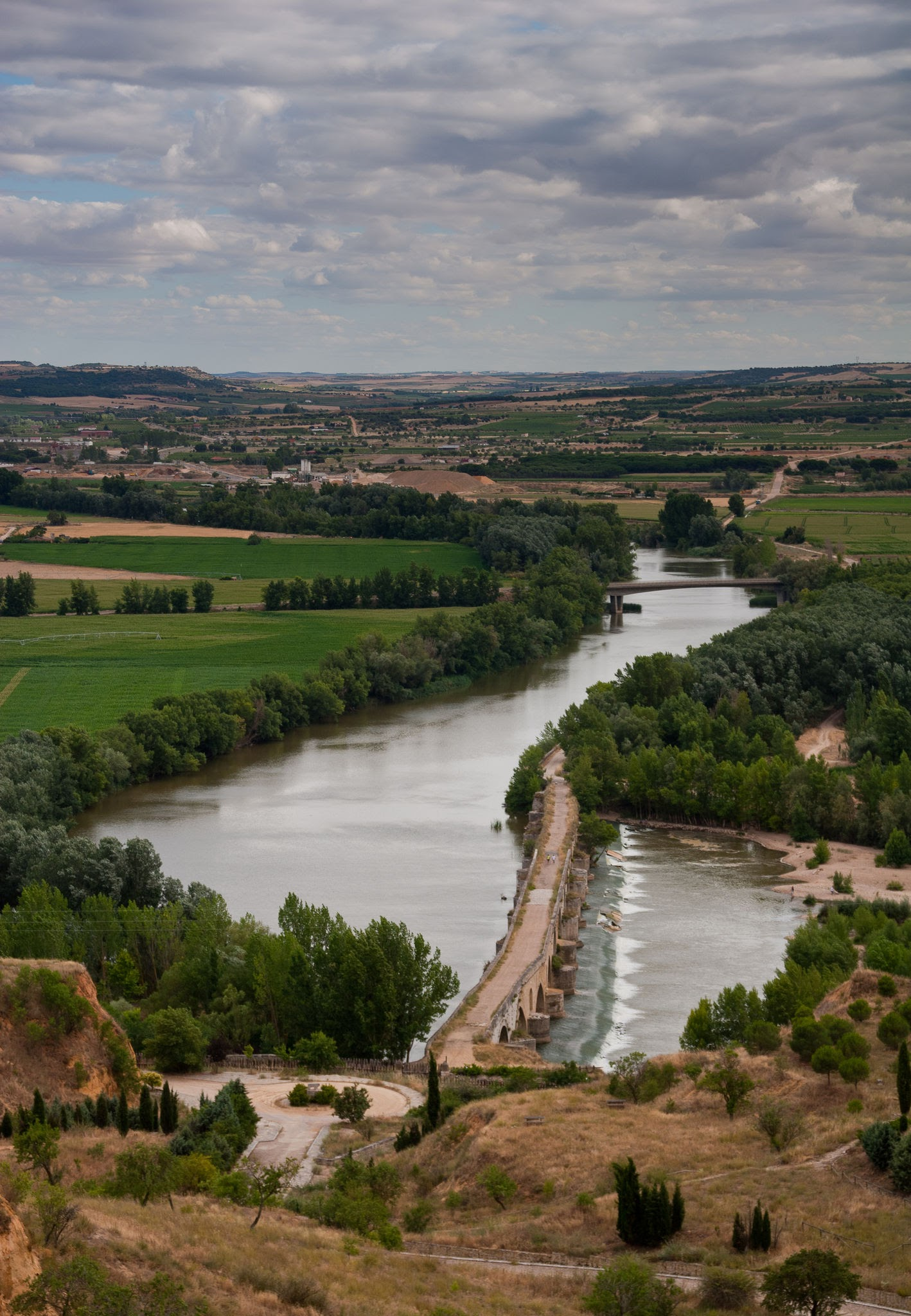
But over the last twenty-five years, a quiet revolution has completely reshaped the landscape along the banks of the Duero River. Elite winemakers from Ribera del Duero, Rioja, and even Bordeaux have arrived with a singular mission: to tame the beast. By applying precise canopy management, night harvesting, and sophisticated French oak aging, they have transformed Toro into one of the most exciting, critically acclaimed fine-wine frontiers in Europe.
The result? Massive, structurally jaw-dropping red wines that somehow manage to deliver exquisite balance, striking acidity, and a sense of ancient history that money simply cannot buy anywhere else in the world.
Grab a glass, settle in, and let’s explore the sun-baked, sand-driven terroir of Spain’s ultimate collector secret.
1. The Terroir of Extremes: Sun, Sand, and Survival
To understand why a wine from Toro tastes so monumentally concentrated, you have to look at the environment where these grapevines fight for survival. Located in the far west of Spain’s northern plateau, just an hour’s drive from the Portuguese border, the Toro wine region defines the phrase “extreme continental climate.”
The locals have an old saying about their weather:
“Nueve meses de invierno y tres de infierno” — Nine months of winter, three months of hell.
Winters are brutally freezing, swept by icy winds coming down from the Cantabrian Mountains. Summers are searingly hot, with daytime temperatures regularly climbing past 40°C. Compounding this thermal stress is a chronic lack of water; the region receives a meager 350- 400 mm of rainfall per year, pushing it right to the edge of semi-arid desert conditions.
Yet, it is precisely this environmental hostility that forces the grapevines to produce such profound fruit. To survive the blazing summer heat, the vines naturally limit their yields, channeling every ounce of moisture, energy, and soil nutrients into a tiny handful of incredibly small, thick-skinned grape bunches.
The Secret Weapon: Why Phylloxera Hates Toro
The true crown jewel of Toro’s terroir isn’t visible from the road; it lies deep beneath your boots. The soils here are a stark mixture of loose, coarse sand, gravelly alluvial stones left behind by ancient movements of the Duero River, and deep sub-layers of iron-rich clay and limestone.
In the late 19th century, the catastrophic Phylloxera epidemic swept across Europe. This microscopic root-eating aphid systematically destroyed millions of hectares of prime vineyards from Bordeaux to Rioja. Winemakers were forced to tear up their native vines and graft them onto pest-resistant American rootstocks just to keep their industries alive.
But when the bugs marched toward Toro, they hit a brick wall.
Phylloxera aphids require stable, compact clay or loam soils to burrow down and access a tree or vine’s root system. In loose, shifty sand, their tiny tunnels collapse instantly. The insect literally suffocates before it can ever reach the vine’s roots. Because of this geological fluke, huge swaths of the Toro wine region were completely untouched by the plague.
The Magic of Pie Franco (Ungrafted Vines)
Because the region was naturally immune to the epidemic, Toro is home to one of the highest concentrations of ancient, centenarian, ungrafted vineyards (pie franco) on earth.
Walking through these historic plots feels less like visiting a standard vineyard and more like wandering through a surreal orchard of ancient, twisted bonsai trees. These thick, gnarled bush vines – many planted in the late 1800s and early 1900s – do not use modern wire trellises. They stand completely unsupported, their woody trunks blackened by decades of intense Castilian sun.
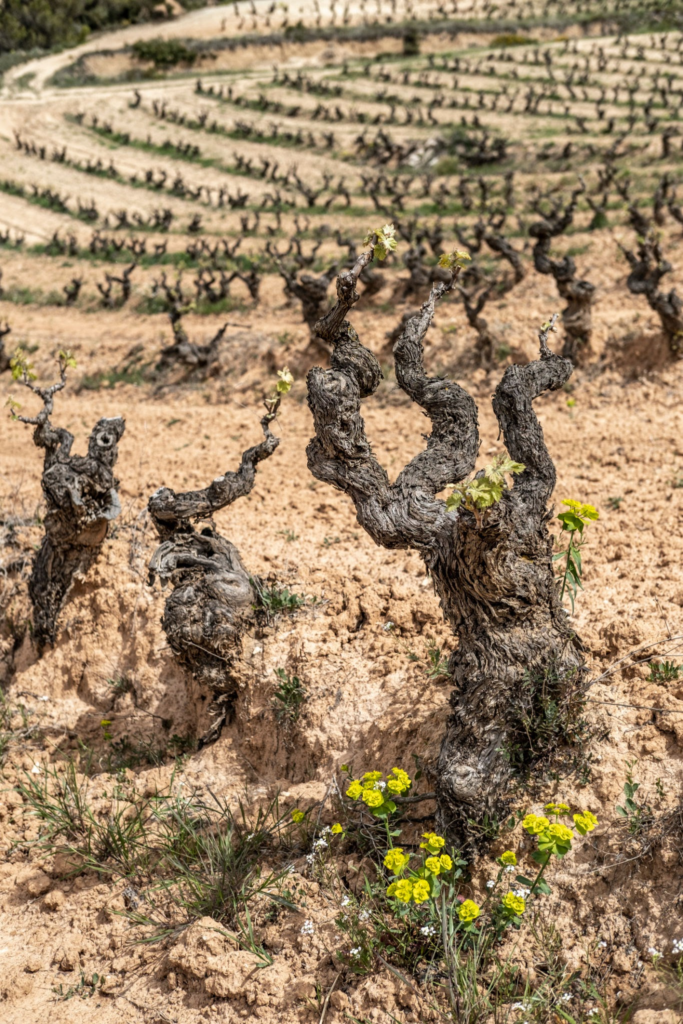
These ancient vines produce very low yields, sometimes less than one kilogram of fruit per vine, but the complexity of their juice is unparalleled. While young vines have shallow roots that fluctuate wildly with every rain shower or heatwave, these centenarian giants have spent over a century driving their root systems up to ten meters deep into the earth, cutting through sand and gravel to tap into underground limestone water tables. This deep connection gives the final wine a striking structural freshness and mineral drive that balances out the intense fruit weight.
2. The Grape: Meet Tinta de Toro
While Spain is famous for Tempranillo, the grape that rules Toro is technically a distinct, highly evolved local variant known formally as Tinta de Toro.
Grown in this harsh, sun-drenched environment for over a thousand years, the variety has undergone a fascinating evolutionary divergence from its cousin in Rioja. To protect itself from the relentless solar radiation and dry winds of the high plains, Tinta de Toro developed several unique botanical traits:
- Thicker Skins: The grape skins are significantly thicker and darker than standard Tempranillo. Because the skin is where a red wine gets its color, tannin, and flavor compounds, this translates directly into deep color extraction and powerful, structural tannins.
- Smaller Berries: The individual grapes are exceptionally small. This creates a very high skin-to-juice ratio during fermentation, yielding an explosion of dark fruit extract and natural phenolics.
- Lower Malic Acid: The intense heat during the summer ripening period quickly burns off the grape’s malic acid, leaving behind stable tartaric acidity. This creates a dense, rich mid-palate feel.
Taming the Beast in the Cellar
In the past, working with Tinta de Toro was simple: winemakers crushed the grapes, let them ferment at high temperatures, and left the juice on the skins for weeks. This heavy-handed approach yielded pitch-black wines with aggressive, drying wood-like tannins and high alcohol levels that completely overwhelmed any sense of elegance or place.
Modern Toro winemaking is all about precision and restraint. Today, elite estates use advanced techniques to preserve freshness:
- Night Harvesting: Picking the grapes by hand in the dead of night (between 2:00 AM and 7:00 AM) ensures the fruit arrives at the winery ice-cold, preventing premature oxidation and preserving delicate aromas.
- Cold Maceration: Before fermentation even begins, the crushed grapes are held at low temperatures for several days. This pulls out bright fruit flavors and deep color without extracting the harsh, bitter seed tannins.
- The French Oak Shift: The traditional use of highly aromatic, sweet American oak barrels has largely been phased out in favor of fine-grained, gently toasted French oak. This provides the wine with structural support, hints of baking spice, and smooth integration without masking the grape’s natural voice.
3. The Pilgrim’s Itinerary: Top 4 Bodegas to Visit in Toro
If you are planning a Toro wine tour, you are in for an authentic, wonderfully uncommercialized experience. Unlike busier wine regions where visitors are ushered through slick, corporate tasting centers on a tight schedule, Toro retains its rustic, warm Spanish hospitality. Here, you are highly likely to find the head winemaker or the estate owner leading your tour, showing you their historic underground cellars with genuine pride.
Here are four essential estates that represent the absolute pinnacle of Toro’s past, present, and future.
Bodegas Fariña: The Modern Pioneer
You cannot discuss the modern history of Toro without starting with Bodegas Fariña. Founded in 1942, this family-run estate single-handedly saved the region from obscurity.
In the 1970s, it was Manuel Fariña who looked at the region’s heavy, high-alcohol bulk wines and realized that if Toro didn’t modernize, it would die. He changed everything: he was the first to implement temperature-controlled stainless steel fermentation tanks, he advanced the harvest date by weeks to preserve acidity, and he proved that Toro could produce elegant, world-class fine wines. His tireless work was the driving force behind the creation of the official Toro D.O. (Denominación de Origen) status in 1987.
- The Experience: A visit to Fariña is a masterclass in regional history. Located in Camino de la Seca, the winery features a beautiful, sprawling barrel cellar alongside an impressive private art gallery. Every year, they run a national painting competition, and the winning artwork becomes the label for their famous Primero wine.
- What You’ll Taste: You’ll experience the full spectrum of Toro’s evolution, from their bright, fruit-forward young red wines made via carbonic maceration to their iconic, beautifully integrated Gran Fariña.
Bodega Numanthia: The Icon of Heritage
If Fariña proved that Toro could be modern, Bodega Numanthia proved that Toro could be an ultra-premium, luxury collector’s item. Named after the ancient Spanish city of Numantia, whose citizens famously chose to burn their own town to the ground rather than surrender to the invading Roman legions, this estate celebrates resilience.
Numanthia is unique because its entire production relies exclusively on a collection of over one hundred distinct vineyard parcels filled with ancient, ungrafted bush vines ranging from 70 to over 140 years old. In 2008, the sheer quality of this terroir caught the attention of luxury group LVMH (Moët Hennessy Louis Vuitton), who acquired the estate and elevated it to a global icon.
- The Experience: This is an exclusive, deeply atmospheric tour that takes you directly into the heart of their ancient vineyards. You will stand face-to-face with prehistoric-looking vines growing out of pure sand and gravel, followed by a walk through a pristine cellar where every parcel is vinified separately in small, customized vats.
- What You’ll Taste: The tasting lineup is monumental. You will try Termes (their vibrant, energetic entry point), Numanthia (their flagship expression of deep concentration), and if you are lucky, Termanthia, a legendary cult wine made from a single, 4.8-hectare pre-phylloxera vineyard planted in 1870, where the grapes are still traditionally trodden by foot.
Teso La Monja: The Masters of Elegance
When the Eguren family, famous for their world-class Rioja estates like Sierra Cantabria, originally arrived in Toro in the late 1990s, they founded Bodegas Numanthia. After selling it to LVMH, they weren’t done with the region. They took their profound knowledge of Toro’s soils and founded Teso La Monja, a project aimed at achieving something many thought impossible: absolute elegance, minerality, and silkiness from Tinta de Toro.
They achieved this by sourcing fruit from cooler, north-facing vineyards that feature a higher percentage of limestone beneath the sand. This specific micro-terroir shields the grapes from the blistering afternoon heat, allowing for a slower, more balanced ripening cycle.
- The Experience: The winery itself is a stunning piece of modern, minimalist architecture that blends seamlessly into the rolling hills of Valdefinjas. The tour focuses heavily on biodynamic viticulture, soil geology, and their ultra-gentle, non-interventionist gravity-flow cellar work.
- What You’ll Taste: Teso La Monja produces some of the most sought-after wines in Spain. You will taste Almirez, the powerfully structured Victorino, and their ethereal, single-vineyard Alabaster. The estate also produces Teso La Monja, an incredibly rare, limited-run bottling that regularly commands over €1,000 per bottle.
Bodegas Pintia: The Aristocratic Vision
When Vega Sicilia, the undisputed royalty of Spanish wine, decides to buy land in a region, the rest of the wine world stops and takes notes. The Alvarez family spent years quietly analyzing the soils along the Duero River before purchasing land in Toro in 1997. They spent an entire decade experimenting with micro-vinifications before they ever released a single bottle to the public.
Their goal was to apply the same obsessive quality control, aristocratic restraint, and long, patient barrel-aging regimes used for their multi-hundred-euro Ribera del Duero icon Unico, but apply it to the powerful raw material of Toro.
- The Experience: This is an impeccably professional, high-end winery tour. The facility is a flawless marriage of rustic stone architecture and cutting-edge technical design. You will walk through their state-of-the-art cold-stabilization rooms and their spectacular, silent barrel rooms where wines age in selected French and American oak.
- What You’ll Taste: Unlike most wineries that produce a large portfolio of different tiers, Pintia produces exactly one wine each year. A tour here allows you to taste a current vintage alongside rare, perfectly matured library vintages, showing you exactly how these massive wines evolve into complex, silky masterpieces over ten to fifteen years in the cellar.
The Collector’s Shopping List: What to Buy & Where to Find It
If you want to experience the power and evolution of the Toro wine region from the comfort of your own tasting table, you need to know exactly what to look for. Because these top-tier estates produce limited quantities from low-yielding old vines, general supermarkets are a dead end. Instead, you need to utilize specialized, curated portfolios.
To help you build the perfect home tasting flight, we have selected five stellar bottles across various styles and price brackets that are readily available across Europe through your core networks: Wijnbeurs, Colaris, and direct-from-Spain via Decantalo.
| Bottle Name | Producer | Sourcing Pipeline | Style & Flavor Profile | Ideal Food Pairing |
| Primero | Bodegas Fariña | Wijnbeurs / Decantalo | Bright, vibrant, fruit-forward. Explodes with fresh blackberries, red plums, and violets. Very low tannin, juicy, and highly approachable. | Grilled lamb chops or dynamic tapas. |
| Termes | Bodega Numanthia | Wijnbeurs / Decantalo | The perfect bridge style. Rich black fruit, hints of dark cocoa, roasted coffee beans, and vibrant, balancing acidity. | Slow-cooked beef brisket or wild boar stew. |
| Almirez | Teso La Monja | Colaris / Decantalo | Strikingly elegant and intensely complex. Ripe blueberries, licorice, sweet Asian spices, and integrated, velvety tannins. | Roasted suckling pig (Lechazo). |
| Pintia | Bodegas Pintia | Colaris | Aristocratic, muscular, and built for the cellar. Layers of black currants, graphite, cedar wood, leather, and a long, mineral-driven finish. | Prime, dry-aged ribeye steak (Chuletón). |
| Victorino | Teso La Monja | Colaris / Decantalo | A monumental blockbuster from 100+ year-old pre-phylloxera vines. Massively concentrated, featuring crushed stones, black truffles, espresso, and monumental structure. | Decant and serve alongside roasted venison or rich stews. |
Deep-Dive Sourcing Strategy
To get the most out of this list, consider dividing your purchasing strategy across your sourcing channels based on what each retailer does best:
- The Local Benelux Route (Colaris & Wijnbeurs): Use Colaris to secure your pristine, temperature-controlled allocations of elite collector pieces like Pintia, Almirez, and Victorino. Their direct relationships with Spain’s top wine families ensure perfect bottle provenance. Turn to Wijnbeurs to source excellent value-driven allocations like Termes or small-batch parcels of aged Toro Gran Reservas that are ready to enjoy immediately.
- The Direct-From-Source Specialist (Decantalo): Use Decantalo if you want to explore the wider, experimental world of Toro. Beyond the major icons, they carry small-production garage wines and low-intervention expressions (like the organic old-vine projects from Matsu or Bodegas Triton) shipped directly from Spain.
5. The Gastronomic Perfect Match: What to Eat with Toro
Make no mistake: a serious, old-vine Toro is not a casual “sipping wine” to open while you are watching television or making a light salad. Its massive phenolic structure, thick fruit weight, and firm tannins require heavy protein and fat to open up and perform at their best.
When the proteins in red meat come into contact with the aggressive tannins of a young Tinta de Toro, a beautiful chemical reaction occurs. The fat and protein instantly bind with the tannins, softening the wine’s grip on your palate and unleashing an explosion of hidden sweet fruit, mineral complexity, and floral notes.
If you want to eat like a true Castilian, pair your Toro with these three local culinary staples:
1. Chuletón de Buey (Dry-Aged Bone-In Ribeye)
This is the ultimate match. A thick, well-marbled prime ribeye steak, heavily salted and seared over screaming-hot oak charcoal until rare to medium-rare. The intense, charred crust of the steak mirrors the smoky, dark-roasted oak notes of a young Numanthia or Pintia, while the rich, rendered fat easily cuts through the wine’s powerful tannic backbone.
2. Lechazo Asado (Slow-Roasted Suckling Lamb)
A true specialty of Castile and León. A young suckling lamb is placed in a traditional wood-fired clay oven and roasted slowly for hours with nothing but water, salt, and a little lard until the meat is tender enough to fall off the bone and the skin is paper-thin and perfectly crispy. The natural, delicate sweetness of the lamb flesh creates a beautiful contrast against the intense blackberry, licorice, and mineral profile of an elegant Toro like Almirez.
3. Queso Zamorano (Aged Sheep’s Milk Cheese)
If you are finishing your evening with a cheese course, bypass the creamy, soft cheeses entirely, they will turn completely chalky and bitter when paired with a big Toro red. Instead, source a block of authentic Queso Zamorano. Made from the raw milk of native Churra sheep in the neighboring province of Zamora, this hard, crumbly cheese is aged for up to a year. It features a rich, nutty, buttery, and slightly piquant flavor profile that stands tall against an aged Toro Gran Reserva or a bottle of Victorino.
How to Serve Toro Like a Pro
Because Toro wines are so dense and structurally concentrated, how you handle the bottle before serving can make or break your tasting experience. A few simple steps ensure your wine shows its full aromatic potential rather than remaining closed, tight, and aggressively alcoholic.
Step 1: Chill to the Sweet Spot (16°C to 17°C)
Never serve a premium Toro at warm room temperature (which in modern heated homes is often 21°C or higher). At that temperature, the wine’s high alcohol volatilizes rapidly, creating a hot, burning sensation on the nose that masks the beautiful fruit. Chill the bottle down to a crisp 16°C to 17°C. This keeps the alcohol tightly integrated, allowing the fresh dark fruit and floral notes to take center stage.
Step 2: Stand It Upright (24 Hours Ahead)
Because many high-end Toro wines are produced from old vines with minimal fining or filtration, they naturally throw a significant amount of fine crystalline sediment as they age. Stand your bottle upright a full day before serving so all the sediment settles quietly to the absolute bottom of the bottle.
Step 3: Decant Aggressively (1 to 2 Hours)
If you are opening a young, premium vintage (less than 7–8 years old), it needs oxygen to wake up. Pour the wine into a wide-bottomed decanter at least 1 to 2 hours before serving. The massive injection of oxygen will break open the tightly wound tannins and unleash gorgeous secondary aromas of cocoa, leather, and baking spice.
Step 4: Choose a Bold Bordeaux Glass
Avoid narrow, small wine glasses. Choose large, deep Bordeaux glasses with a wide bowl and a tall chimney. This physical shape provides the wine with plenty of surface area to continue breathing while directing the intense fruit aromas straight to your nose, keeping any alcohol heat safely away from your face.
Pro Tip for Older Vintages: If you are lucky enough to be opening a mature Toro with more than 10–12 years of bottle age, reduce the decanting time to just 20 to 30 minutes. Older wines are fragile; too much oxygen exposure can cause their delicate, evolved aromas of truffle, dried fruit, and old leather to fade away rapidly.
7. The Final Verdict: Why Toro Deserves a Place in Your Cellar
In a world where the prices of top-tier Bordeaux, Burgundy, and even premium Rioja have skyrocketed to astronomical heights, the Toro wine region remains one of the last true havens for savvy wine collectors.
Where else on earth can you buy an iconic, estate-bottled fine wine made from 100-year-old, pre-phylloxera, ungrafted vineyards, aged for years in premium French oak, for under €40 to €80? If you were buying an equivalent wine from a cult estate in Napa Valley or a Grand Cru site in the Rhône Valley, you would easily add an extra zero to that price tag.
Toro is no longer the unrefined, rustic block of wood it used to be. Today, it stands proud as a monument to survival, a place where ancient vines, deep sand, and a generation of brilliant, visionary winemakers have come together to produce some of the most profound, intellectually thrilling, and age-worthy red wines on the planet.
It’s time to stock your cellar, fire up the grill, and experience the tamed beast of Castile for yourself.