
Discovering Rome Through Food and Wine
Navigating Rome can sometimes feel like a beautiful, chaotic dance. It is a city where monumental history rubs shoulders with modern scooters, and where the layers of time are matched only by the layers of flavor on your plate. To truly understand Rome, you have to sit down, pour a glass of regional wine, and dive into a culinary tradition that values simplicity, bold ingredients, and unwavering rules.
“In Rome, the chaotic traffic laws are treated merely as polite suggestions, but the rules regarding which pasta shape pairs with which specific sauce are enforced with judicial severity.”
While modern global food trends come and go, Rome remains fiercely loyal to its roots. The local cuisine is a masterclass in making minimal ingredients sing, relying on pristine sheep’s milk cheese, cured pork jowl, and seasonal vegetables. Paired with the vibrant, volcanic white wines grown just outside the ancient city walls, a culinary exploration of Rome reveals a delicious, living history.
This is why we came up with our “discovering Rome through food and wine guide”. Pour yourself a glass of red while discovering the hidden gems in the Italian capital.
The Fabric of Roman Gastronomy: The Core Classics
Before diving into your daily route, it is vital to familiarize yourself with the heavy hitters of the Roman kitchen. These dishes form the foundation of almost every traditional menu across the city.
| Regional Specialty | Key Ingredients | What Makes It Unique |
| Rigatoni alla Carbonara | Guanciale, egg yolks, Pecorino Romano, black pepper | Rich, creamy, and velvety without using a single drop of heavy cream. |
| Tonnarelli Cacio e Pepe | Thick egg pasta, Pecorino Romano, toasted black pepper | A culinary magic trick using starchy pasta water to emulsify cheese into a sleek sauce. |
| Bucatini all’Amatriciana | Guanciale, San Marzano tomatoes, Pecorino Romano, chili | A savory, tangy masterpiece originating from the mountainous town of Amatrice. |
| Pasta alla Gricia | Guanciale, Pecorino Romano, black pepper | Often called “white Amatriciana”, the historic ancestor to the modern tomato variation. |
| Carciofi alla Giudia | Romanesco artichokes, olive oil, lemon juice | Seasoned artichokes flattened and deep-fried twice until they look like crisp, golden sunflowers. |
Day 1: The Historic Core & The Four Pillars of Roman Pasta
Morning: Coffee Culture Near the Pantheon
Begin your first morning by diving straight into Rome’s high-energy coffee culture. Walk to Sant’Eustachio il Caffè or Tazza d’Oro, both located a stone’s throw from the ancient dome of the Pantheon.
Stand at the marble bar alongside locals rather than sitting at an outdoor table; not only is it significantly cheaper, but it also allows you to witness the rhythmic, lightning-fast choreography of the baristas.
Order a classic espresso or a cappuccino paired with a cornetto (the Italian cousin to the croissant, often scented with orange zest). Remember a fundamental local custom: ordering a milk-heavy coffee anytime after 11:00 AM is widely viewed as a culinary eccentric behavior by Romans, who believe hot milk disrupts afternoon digestion.
Afternoon: Campo de’ Fiori and Pizza al Taglio
Stroll toward Campo de’ Fiori, a vibrant square that hosts a bustling open-air market every morning. While the market features some tourist-centric souvenir stalls, you can still find beautiful displays of local Romanesco broccoli, wild chicory (puntarelle), and fresh herbs.
For lunch, bypass the sit-down tourist menus lining the square and step directly into Forno Campo de’ Fiori. This historic bakery is famous for pizza al taggilo (pizza baked in long rectangular pans and sold by weight).
Ask for a slice of Pizza Bianca, a simple, airy flatbread dimpled with olive oil and sea salt, served warm. For a truly Roman experience, try it split open and stuffed with thin ribbons of savory mortadella. Take your pizza to go and enjoy it while admiring the fountains of nearby Piazza Navona.
Evening: Dining Atop History at Pancrazio dal 1922
As twilight settles over the city, make your way to Piazza del Biscione, just a few paces from the edge of Campo de’ Fiori, for a dinner that offers an unmatched architectural backdrop. Secure a reservation at Ristorante Pancrazio dal 1922.
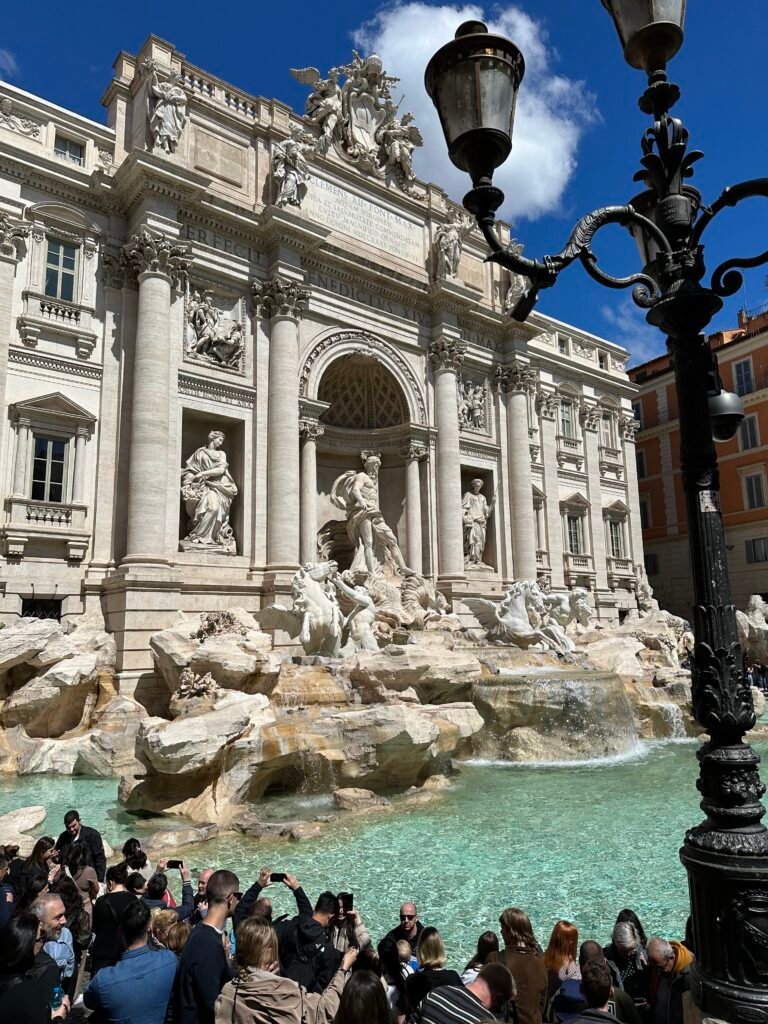
While the street-level dining rooms are charming, specifically request a table downstairs in the subterranean cellars. Here, you are dining directly within the beautifully preserved brick vaults and stone arches of the 1st-century B.C. Theatre of Pompey, the massive ancient complex where Julius Caesar was infamously assassinated in 44 B.C.
There is something uniquely Roman about casually twisting carbonara around your fork in the exact spot where western history swung on a dagger.
Pancrazio has been operated by the same family for generations, keeping the culinary focus strictly on time-honored Roman execution. Order their Mezzemaniche alla Carbonara or the deeply traditional Tonnarelli Cacio e Pepe.
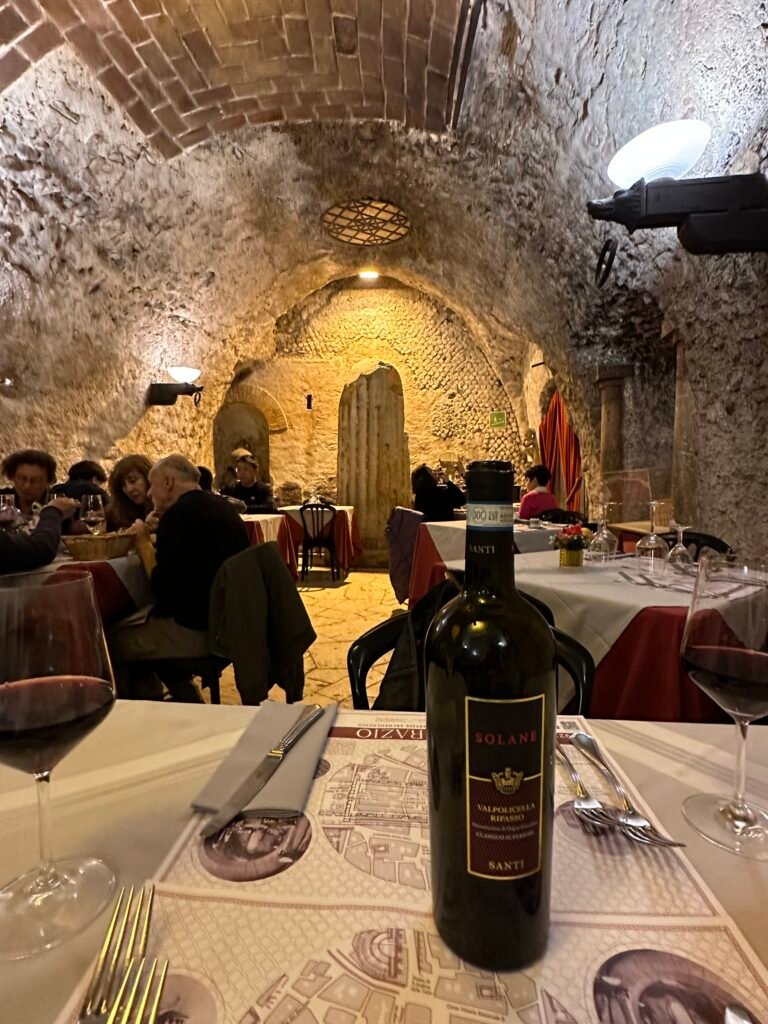
The kitchen relies entirely on the classic standard: sharp, salty Pecorino Romano, rendered guanciale, and cracked black pepper, using starchy pasta water to emulsify the cheese into a sleek, glossy coating. Pair this rich meal with a structured glass of local red Cesanese, and toast to a city where two millennia of history double as restaurant walls.
Day 2: Trastevere’s Bohemian Alleys & Natural Wine Bars
Morning: The Quiet Side of the Tiber
Cross the historic Ponte Sisto footbridge into Trastevere, one of Rome’s most beloved neighborhoods. In the morning, this area is wonderfully peaceful, stripped of the heavy crowds that arrive after dark.
Wander the quiet, vine-draped alleys and head to the Basilica of Santa Maria in Trastevere to marvel at its dazzling 12th-century golden mosaics.
Stop by a local pasticceria, such as Biscottificio Innocenti, where a vintage 1950s oven still bakes delicate almond biscuits and seasonal fruit tarts.
Afternoon: Porchetta and Craft Beer
For a casual, high-flavor lunch, track down Antica Caciara, a historic cheese and cured meat shop that has operated in Trastevere since 1900. Order a sandwich filled with fresh porchetta, a savory, deboned pork roast stuffed with rosemary, garlic, and wild fennel, roasted until the skin turns into a glass-like crackling.
Take your sandwich to a nearby piazza and pair it with an Italian craft beer from Ma Che Siete Venuti a Fà, a legendary pub that helped spark Italy’s modern microbrewery movement.
Evening: Candlelight, Cobblestones, and Enotecas
When night falls, Trastevere transforms into a lively playground of outdoor dining and animated conversations.
“Rome is a city where you can admire an ancient structure that has stood for two thousand years, right before witnessing a parking argument that feels like it has been going on just as long.”
For dinner, settle into a traditional outdoor table along one of the neighborhood’s narrow stone corridors.
Seek out Da Enzo al 29 or Checco er Carettiere for a robust bowl of Cacio e Pepe or Pasta alla Gricia.
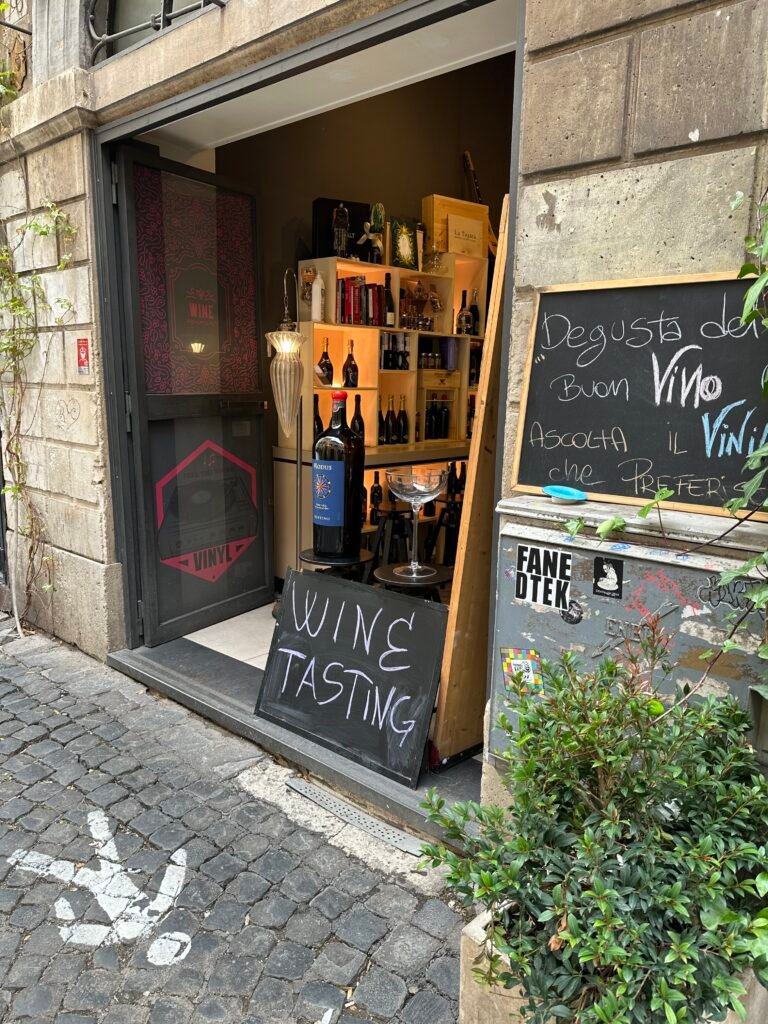
After your meal, transition from the lively trattoria scene to a refined wine environment at Enoteca l’Antidoto or Rimessa Roscioli. These venues specialize in low-intervention natural wines from artisanal producers across Lazio and the surrounding regions. Ask the sommelier for a glass of unfiltered Trebbiano Spoletino or a skin-contact orange wine to round out your evening.
Day 3: The Ancient Jewish Ghetto & Testaccio’s Street Food Roots
Morning: Golden Artichokes in the Ghetto
Spend your third morning exploring the historic Jewish Quarter (Quartiere Ebraico), a peaceful, architecturally unique neighborhood with deep culinary ties. The Roman-Jewish kitchen is responsible for some of the city’s most iconic dishes.
Walk through the atmospheric streets and find a table at Nonna Betta or Ba’Ghetto.
Order the famous Carciofi alla Giudia. These seasonal globe artichokes are trimmed down to their tender hearts, seasoned simply, and deep-fried twice in deep vats of olive oil. The result is a texturally striking dish where the inner leaves remain melt-in-your-mouth tender while the outer petals shatter like potato chips.
Afternoon: The Working-Class Heart of Testaccio
Take a short walk south along the river to Testaccio, a historic working-class district widely considered the true cradle of Roman home cooking. The neighborhood grew around the city’s massive 19th-century slaughterhouse, which birthed quinto quarto (fifth quarter) cuisine, creative preparations utilizing offal and lesser-known cuts of meat.
Head directly inside the covered Mercato di Testaccio. This modern market hall houses dozens of traditional produce stalls alongside exceptional street food concepts.
Stop by stall number 15, Mordi & Vai, where a retired butcher simmers classic Roman stews and serves them inside crusty, hollowed-out bread rolls. Try the Allesso di Scottona (tender simmered beef with a savory chicory relish) or the Trippa alla Romana (tripe braised in a rich tomato sauce with fresh mint and Pecorino).
Evening: The Grand Tomato Standard
For dinner, book a table at Flavio al Velaveatio, a classic trattoria built directly into the side of Monte Testaccio, an ancient mound composed entirely of discarded Roman terra-cotta olive oil amphorae.
Order the Bucatini all’Amatriciana. The thick, hollow strands of bucatini pasta are ideal for catching the chunky, savory sauce made from sweet San Marzano tomatoes, crispy guanciale, and a generous dusting of sharp Pecorino.
Complement the vibrant tomato acidity with a bottle of Frascati Superiore DOCG, a complex white blend that balances freshness with a structured mineral depth.
Day 4: A Wine Escape into the Castelli Romani
Morning: Journey to the Volcanic Hills
Escape the urban hum of central Rome for a refreshing day trip into the Castelli Romani, a collection of historic hilltop towns perched over volcanic lakes just 15 miles southeast of the city. Catch a regional train from Roma Termini for the scenic 30-minute journey up to Frascati.
The air here is noticeably cooler and crisper, which is exactly why Roman aristocrats built sweeping summer villas across these green slopes centuries ago.
Stroll through the town’s elegant piazza and take in views that stretch all the way back to the Mediterranean coastline.
Afternoon: Tasting the Minerals of the Soil
Spend your afternoon touring a family-run vineyard rooted in the region’s rich, black volcanic earth, such as Principe Pallavicini or Casale Marchese.
The unique soil profile imparts a distinct, smoky minerality and vibrant salinity to the grapes, making the local white wines a perfect match for savory food.
During your cellar tasting, enjoy a flight of Frascati Superiore alongside local extra virgin olive oil and fresh bread.
You will discover how these modern wines have evolved far beyond the simple, watery carafes found in old tourist bars. A quality Frascati offers layers of green apple, white peach, and a long, nutty almond finish that coats the palate beautifully.
Evening: A Farewell Porchetta Feast
Before catching your evening train back to the capital, stop by a traditional fraschetta, a rustic, informal tavern unique to these hills. These lively spots feature long wooden tables, casual paper plates, and carafes of fresh house wine.
Order a massive wooden board piled high with warm, hand-carved porchetta, local olives, and grilled vegetables. It is an unpretentious, joyous way to conclude your culinary journey through the Lazio region.
Accommodations Guide: Where to Stay
Selecting the right neighborhood can make all the difference in how easily you can navigate Rome’s historic culinary core.
Boutique Historic Charm
- Hotel Santa Maria (Trastevere): Set inside a beautifully converted 16th-century convent built around an orange tree courtyard. Offers an incredibly peaceful sanctuary right in the center of Rome’s most energetic nightlife district.
- G-Rough (Navona): A bold, design-forward boutique property featuring exposed centuries-old wooden ceilings, distressed plaster walls, and luxurious contemporary Italian furniture. Located steps from Piazza Navona.
- Hotel Locarno (Popolo): An elegant historic property boasting stunning Art Deco interiors, a beautiful hidden garden patio, and a legendary cocktail bar perfect for an evening aperitivo.
Neighborhood Foodie Bases
- Testaccio: Ideal for travelers seeking an authentic, less-touristic neighborhood feel. Staying here puts you within walking distance of incredible daily markets and old-school Roman trattorias.
- The Jewish Ghetto: A compact, pedestrian-friendly zone that serves as an excellent central base, allowing you to walk to both historic ruins and top-tier dining spots with ease.
Tactical Travel Logistics
- Getting Around: Rome is a remarkably walkable city, and navigating on foot is often the best way to work off a large pasta lunch. For longer distances, the city’s Metro system (Lines A and B) is efficient for reaching major hubs like Termini, the Vatican, or the Colosseum.
- Taxis and Ridesharing: Download the FreeNow app to easily call official white Roman city taxis, which run on standard metered rates. Avoid accepting rides from drivers offering unmarked services near major transit hubs.
- Restaurant Reservations: Top-tier traditional trattorias in Rome have limited seating and fill up quickly. Secure your dinner reservations at least 2 to 4 weeks in advance, particularly for popular spots in Trastevere and Testaccio.
If you are exploring northern culinary capitals after your time in Rome, view our detailed wine and dine guide through Bologna and Modena.
2 Comments
Comments are closed.