Chiang Mai: A Slower, Deeper Side of Thailand
Where Bangkok moves fast, Chiang Mai asks you to slow down. The two cities sit only an hour apart by plane, but they feel like they belong to different countries. Bangkok is density, heat, and constant motion. Chiang Mai is mountains, temples, and a pace that lets you actually taste what you are eating rather than rushing between courses in traffic. After spending time in both, Chiang Mai has become the trip I recommend to anyone who wants to understand Thailand beyond its capital.
This guide covers what made the trip: an ethical elephant sanctuary that genuinely lives up to its reputation, two markets worth building an evening around, a traditional Lanna restaurant, a cooking class that turned out to be one of the highlights of the whole trip, and a case for staying just outside the old city walls rather than inside them.
A Few Fun Facts About Chiang Mai
A little context helps explain why the city feels the way it does.
- Chiang Mai means new city, and it earned the name in 1296, when it was founded as the new capital of the Lanna kingdom, replacing the earlier capital at Chiang Rai. The old city walls and moat that still define the historic center date back to that founding.
- The city sits roughly 300 meters above sea level, in a valley surrounded by mountains, which gives it a noticeably cooler climate than Bangkok for most of the year, especially in the early mornings.
- Chiang Mai has more than 300 Buddhist temples within the city and its surrounding area, more per capita than almost anywhere else in Thailand, a legacy of its centuries as the religious and cultural center of the Lanna kingdom.
- The region’s cuisine, often called Lanna or Northern Thai food, is meaningfully different from central Thai cooking, built around herbs, fermented pork sausage, sticky rice instead of jasmine rice, and dishes like khao soi that barely appear on menus further south.
- Chiang Mai has become one of Southeast Asia’s most significant hubs for ethical elephant tourism, largely as a reaction against the riding camps that dominated the industry for decades. Sanctuaries built around observation and rehabilitation rather than performance have multiplied in the hills around the city over the past fifteen years.
Elephant Nature Park: The One Must-Do Experience
If there is a single reason to build a Chiang Mai trip around, it is a day at Elephant Nature Park. This is not a riding camp, and that distinction matters enormously in a region where elephant tourism has historically been built around exactly the kind of practices that cause lasting physical and psychological harm to the animals.
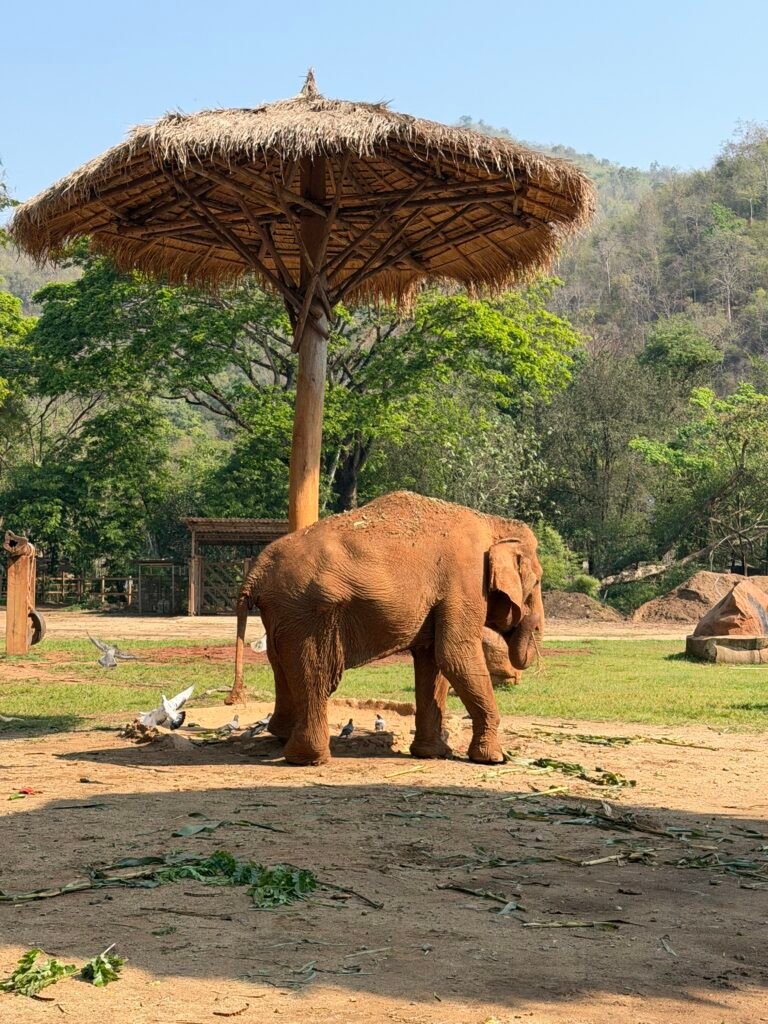
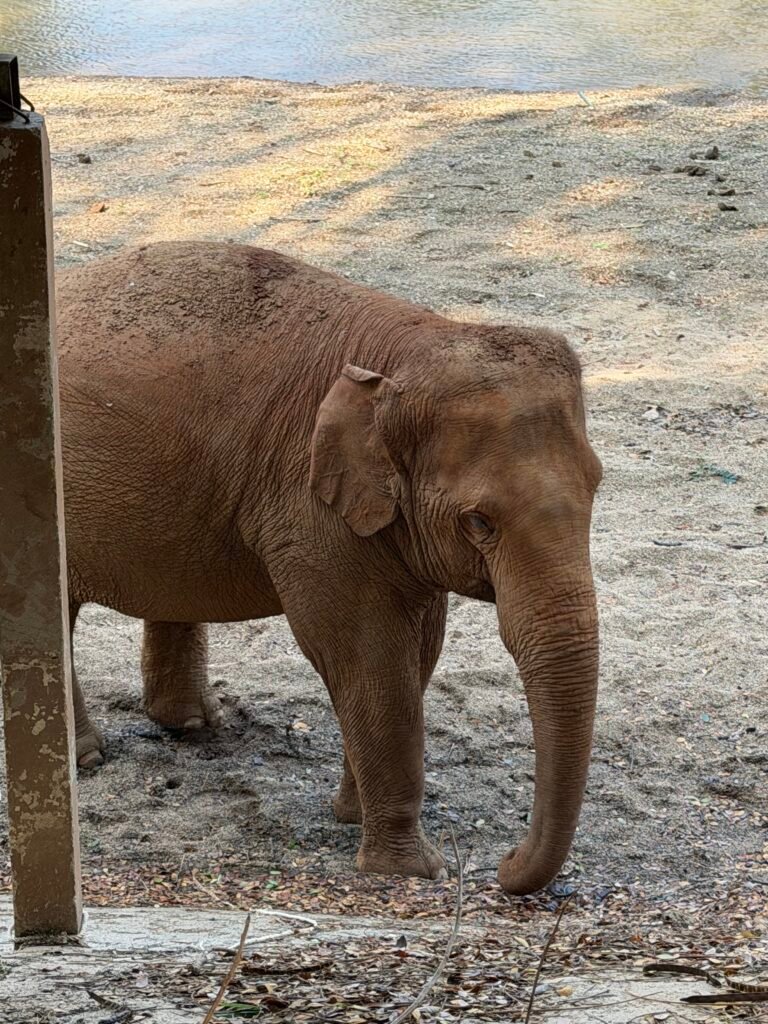
Elephant Nature Park was founded by Lek Chailert, a figure widely credited with reshaping how elephant tourism operates in northern Thailand, and it now cares for more than 120 elephants, most of them rescued from logging camps, riding operations, or street begging, where the physical toll on an elephant’s joints and spine can be severe and permanent. What sets the park apart is not just the scale of the operation but the quality of the care behind it. Every elephant has a name, a documented history, and, in many cases, visible physical evidence of what they went through before arriving, from damaged legs to blindness caused by mistreatment.
The guides know every elephant individually, not as a generic fact for the tour but genuinely: their personalities, their friendships within the herd, which elephants prefer to keep their distance and which ones will walk straight up to a group of visitors looking for bananas. That level of familiarity comes through in how the day is run. Visitors observe and feed, but the emphasis throughout is on the elephants’ comfort rather than the visitor’s photo opportunity. There is no riding, no forced performance, and no chains in the areas open to guests.
A day here runs long, typically a full day trip out of Chiang Mai with transport included, and it is worth every hour. It is also, unavoidably, an emotional experience. Hearing an individual elephant’s history, and then watching that same elephant interacting calmly and safely with a herd for the first time in years, is the kind of thing that reframes an entire trip. If you only do one organized activity in Chiang Mai, this should be it.
What separates a good sanctuary visit from a mediocre one is usually the structure of the day, and Elephant Nature Park gets this right. Groups stay small enough that the visit does not feel like a production line, and the schedule leaves real unstructured time simply sitting near the herd, watching the elephants interact with each other rather than with visitors. Feeding happens with fruit prepared on site, and the guides are quick to explain which elephants can be approached and which prefer more distance that day, a reminder that these are individual animals with individual moods rather than a uniform attraction. Lunch is typically a vegetarian Thai buffet included as part of the day, eaten within sight of the river where the elephants bathe in the afternoon.
The park also runs a rescue and rehabilitation program that extends well beyond the elephants themselves, including dogs, cats, water buffalo, and other animals taken in from difficult situations across the region, and a walk through the wider grounds gives a sense of the scale of that operation. None of it feels performative. The organization has been doing this work since the 1990s, long before ethical elephant tourism became a marketing category, and that history shows in how unhurried and unpolished the whole experience feels, in the best possible sense.
A practical note: demand for ethical experiences like this has grown quickly, and so has the number of operations claiming the same label without the same standards behind it. Elephant Nature Park has built its reputation over more than two decades and remains the benchmark against which newer sanctuaries in the region are usually measured. Booking ahead is essential, particularly during the high season months.
Chiang Mai’s Food Markets
Chiang Mai’s night markets are where the city’s food culture is easiest to access in one place, and two in particular stood out on this trip.
Pratu Chiang Mai Market
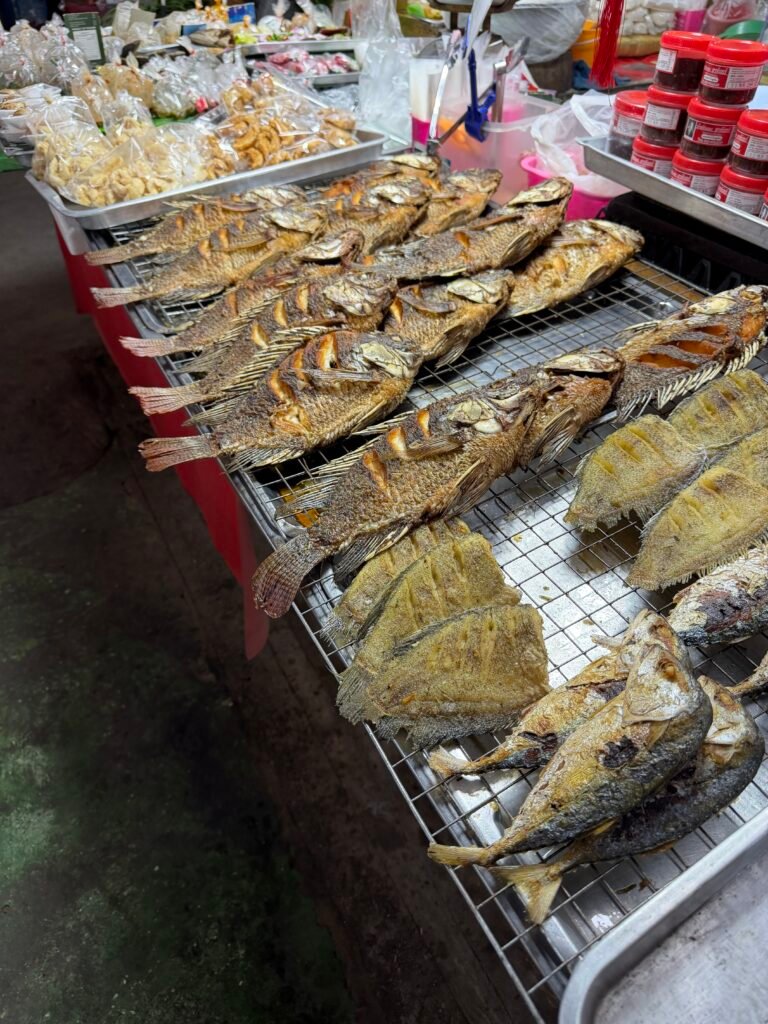
Pratu Chiang Mai, the market at the southern gate of the old city, is a proper local night market rather than a tourist-oriented one, and the difference shows in what is actually on offer. Stalls here rotate through a genuinely wide range of Northern Thai dishes, sausages grilled over charcoal, curries ladled over rice, fresh fruit cut to order, alongside the kind of unexpected small stalls that make a market worth returning to more than once. Prices stay low, turnover is fast, and the crowd is a good mix of locals grabbing dinner and travelers who have found their way past the more heavily promoted markets closer to the moat.
The best approach here is to arrive hungry and order in small quantities from several different stalls rather than committing to one large meal at a single vendor. Half the fun is discovering something unfamiliar from a stall with no English signage and no obvious explanation of what is on the grill.
San Pa Khoi Market
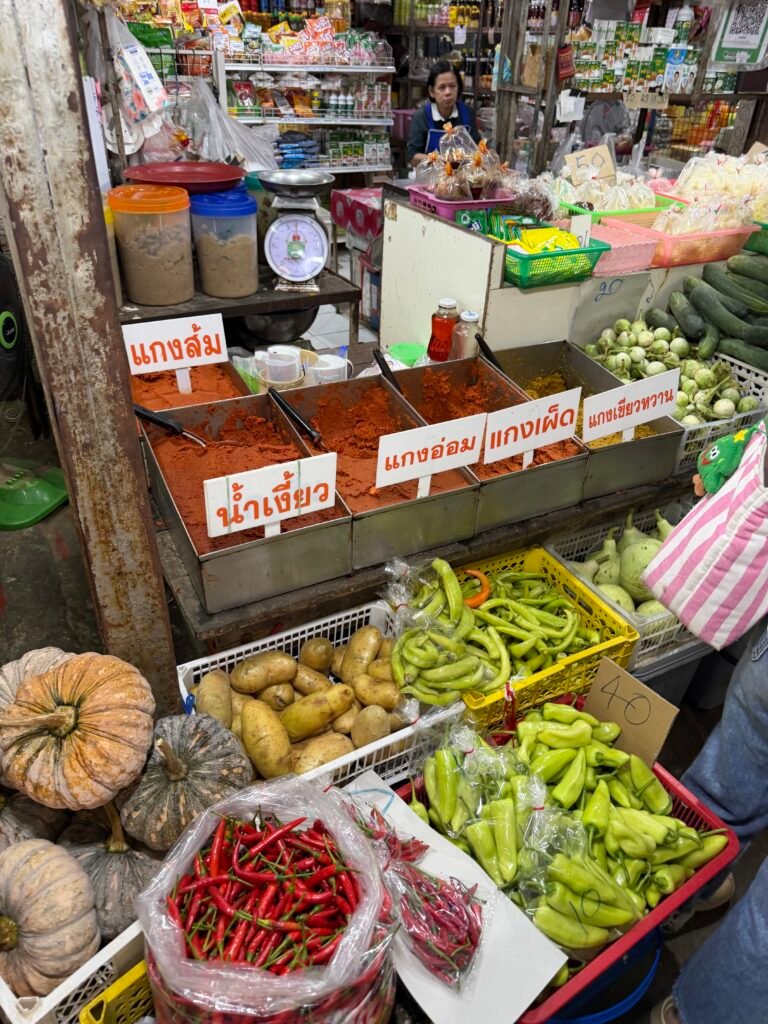
San Pa Khoi Market operates on a different rhythm, functioning more as a genuine local produce and food market than a purely evening street food destination, and it gives a much clearer picture of how Chiang Mai actually shops and eats day to day. Fresh produce, herbs central to Northern Thai cooking, and prepared food stalls sit alongside each other, and it is a useful counterpoint to the more curated night market experience closer to the old city.
Together, these two markets cover both ends of Chiang Mai’s food culture: the evening street food scene built for grazing and discovery, and the daytime market rhythm that actually feeds the city. Neither requires much planning beyond showing up hungry, and both are easy to fold into an evening that also includes a temple visit or a walk along the old city moat, since the distances between them and the historic center stay short and walkable.
Huen Muan Jai: A Proper Lanna Meal
For a sit-down meal that captures Northern Thai cooking properly, Huen Muan Jai was a standout. It is set in a traditional teak house, the kind of setting that immediately signals a restaurant more interested in representing Lanna culinary heritage than chasing a purely tourist crowd, and the menu backs that up.
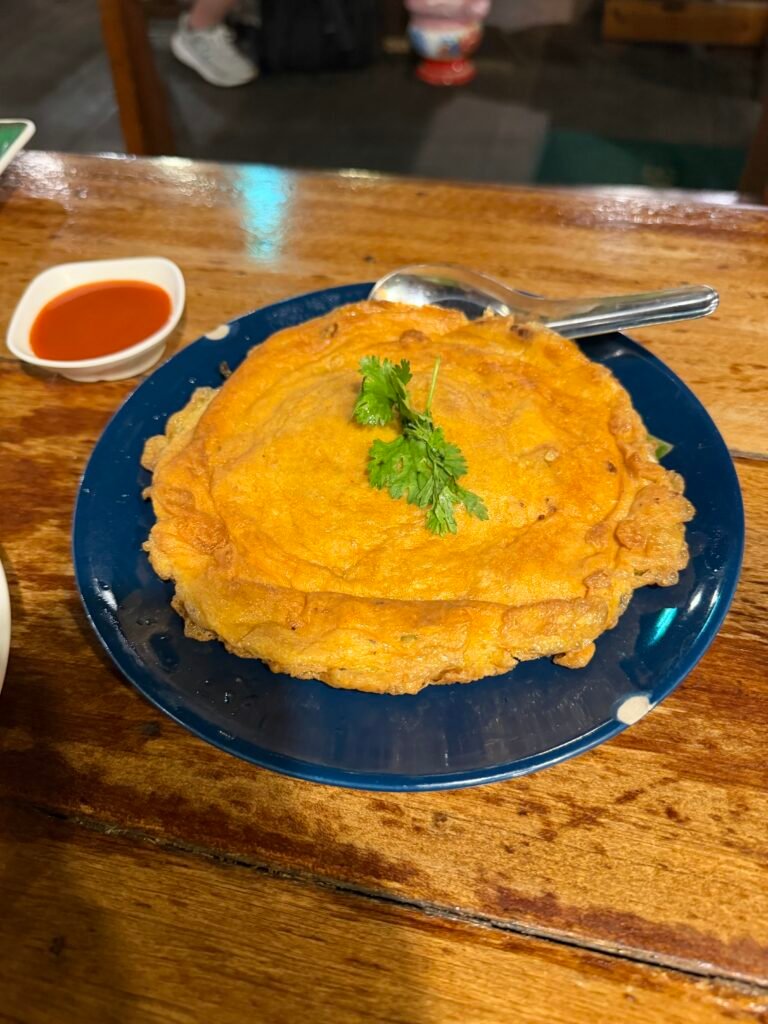
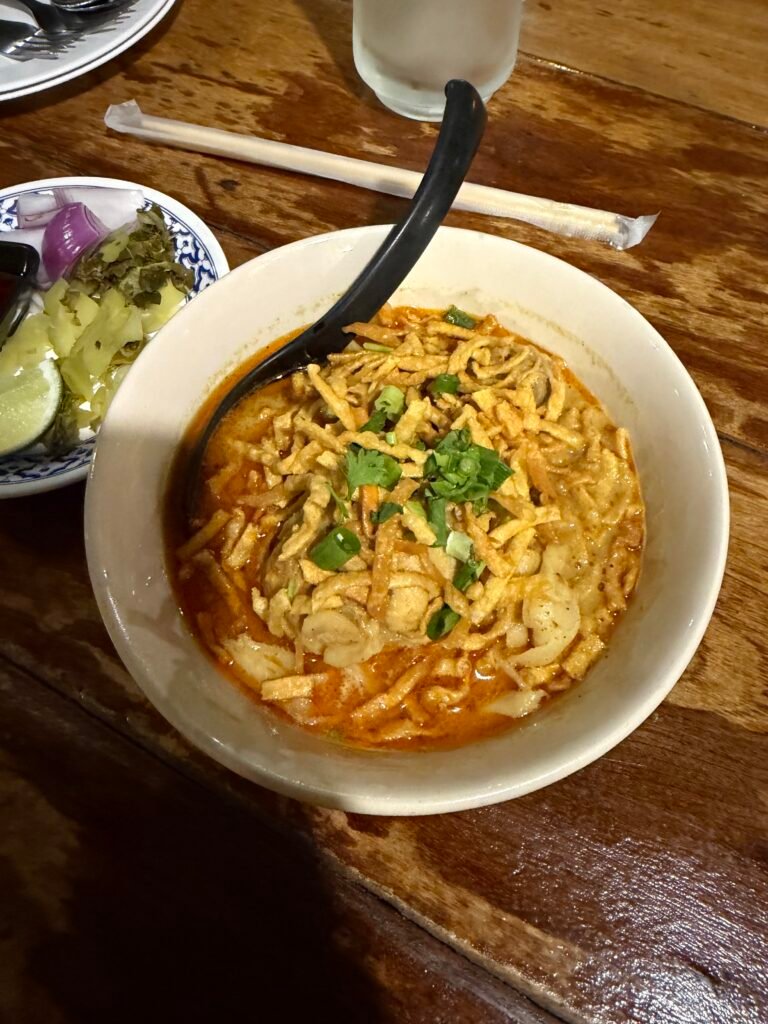
Dishes here lean into the region’s defining flavors: fermented pork sausage, herb-heavy curries, and the kind of slow-cooked, deeply savory dishes that central Thai menus rarely attempt. Sticky rice replaces jasmine rice as the default accompaniment, in keeping with Northern Thai tradition, and it is worth ordering a spread of smaller dishes rather than a single main course to get a proper sense of the range on offer. The atmosphere, all dark wood and open-air seating, adds to the sense that this is a restaurant rooted in a specific regional identity rather than a generic Thai restaurant built for a broad audience.
Learning to Cook: Zabb E Lee Thai Cooking School and Organic Farm
Of everything on this trip, the cooking class at Zabb E Lee turned out to be one of the genuine highlights, and not the kind of thing I expected to say about a half-day activity booked somewhat as an afterthought.
Zabb E Lee is built around an organic farm just outside the city, and the class starts there rather than in a kitchen, walking through the herbs, vegetables, and aromatics that define Northern Thai cooking before any actual cooking begins. That grounding matters. Understanding where galangal, lemongrass, and the specific chilies used in Northern curries actually come from, and how they are grown, changes how the dishes taste once you are cooking them yourself.
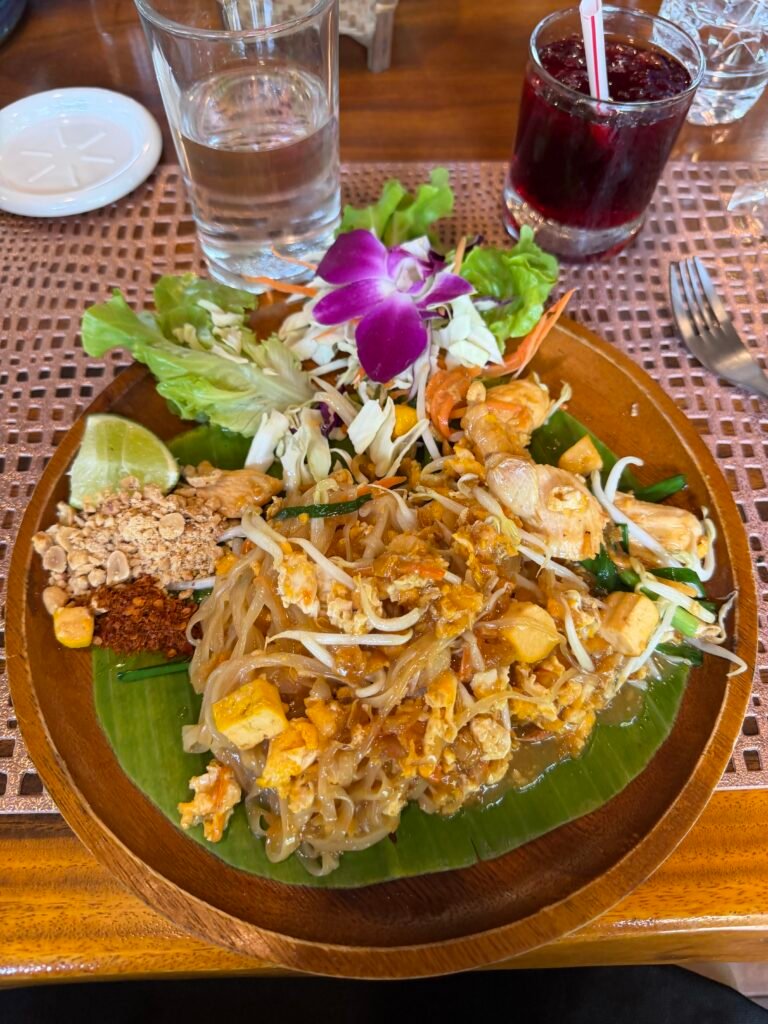
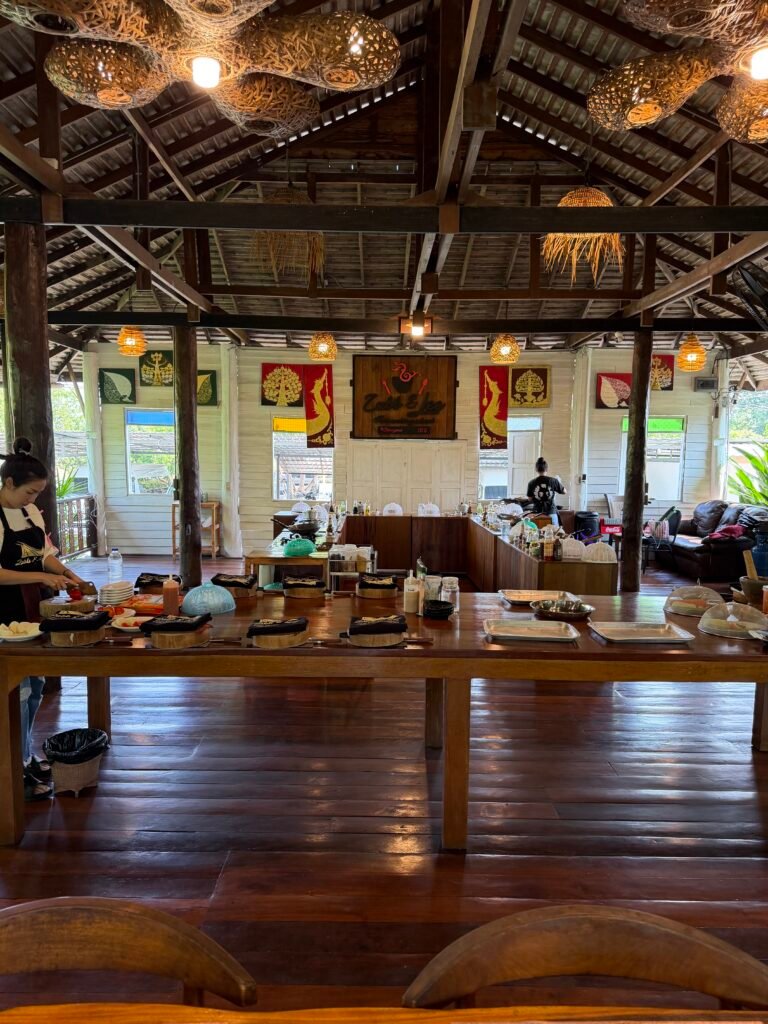
The cooks and guides here were excellent, patient with a group of visitors who had varying levels of kitchen experience, and genuinely knowledgeable about the reasoning behind each step rather than simply demonstrating a recipe by rote. The class moved through a full set of classic dishes, curries built from scratch paste rather than a jar, a proper pad thai, and a Northern Thai-style dip eaten with sticky rice and fresh vegetables, with enough hands-on cooking time that everyone left having actually made the food rather than watched someone else make it.
This is the kind of activity that pays off well beyond the day itself. Months later, the techniques and the flavor logic behind Northern Thai cooking- the balance of sour, salty, spicy, and herbal- are far easier to recreate at home after having gone through the process once with people who genuinely knew what they were doing. If a Chiang Mai itinerary has room for one hands-on activity beyond Elephant Nature Park, this is the one worth prioritizing.
The format of the day also makes it easy for a mixed group to enjoy, since each cook works their own set of dishes at their own station rather than watching a single demonstration from a distance. Pounding a curry paste by hand in a mortar and pestle, rather than starting from a food processor, turns out to be one of the more physically involved parts of the class and one of the more useful lessons in why the texture of a proper curry paste differs so much from a store-bought version. Guides moved between stations, correcting technique as needed, adjusting a knife grip here or a wok temperature there, without ever making the correction feel like a criticism.
By the end of the class, the group sits down together to eat everything that has been cooked, which turns what could have been a purely instructional morning into a genuinely social one. Recipe cards to take home are a nice bonus, but the real value is the physical memory of having done each step yourself, from grinding the paste to balancing the final seasoning by taste rather than by measurement.
Where to Stay: Outside the Old City Walls
Chiang Mai’s old city, defined by its square moat and remaining wall sections, is the obvious place to base a trip, and plenty of good guesthouses and boutique hotels sit within it. On this trip, though, staying just outside the walls in one of the area’s many well-appointed Airbnb condos turned out to be the better call.
The condo developments in the areas surrounding the old city have become genuinely impressive over the past several years, often coming with rooftop infinity pools, proper gyms, and the kind of space and quiet that a guesthouse inside the moat generally cannot offer. Prices remain reasonable relative to what similar amenities would cost in most other Southeast Asian cities, and the areas just outside the walls are close enough that a short songthaew ride, Chiang Mai’s shared red truck taxis, or even a twenty-minute walk gets you back into the old city for temples, markets, and restaurants.
For a longer stay, or for anyone traveling with a partner or in a small group, this kind of condo setup offers a level of comfort and space that is hard to match at a similar price point closer to the center. A rooftop pool at the end of a hot day, particularly after a full day out at Elephant Nature Park, is not a small thing.
Several of the newer developments cluster around the Nimmanhaemin area, a neighborhood that has grown into Chiang Mai’s more design-forward district, with a concentration of specialty coffee shops, independent boutiques and restaurants that sit somewhere between the traditional Lanna cooking found inside the old city and a more contemporary, internationally influenced food scene. Basing a stay near Nimmanhaemin gives easy access to both worlds: the historic center a short ride in one direction and a more modern, café-driven neighborhood a short walk in the other.
Temples Worth Building Time Around
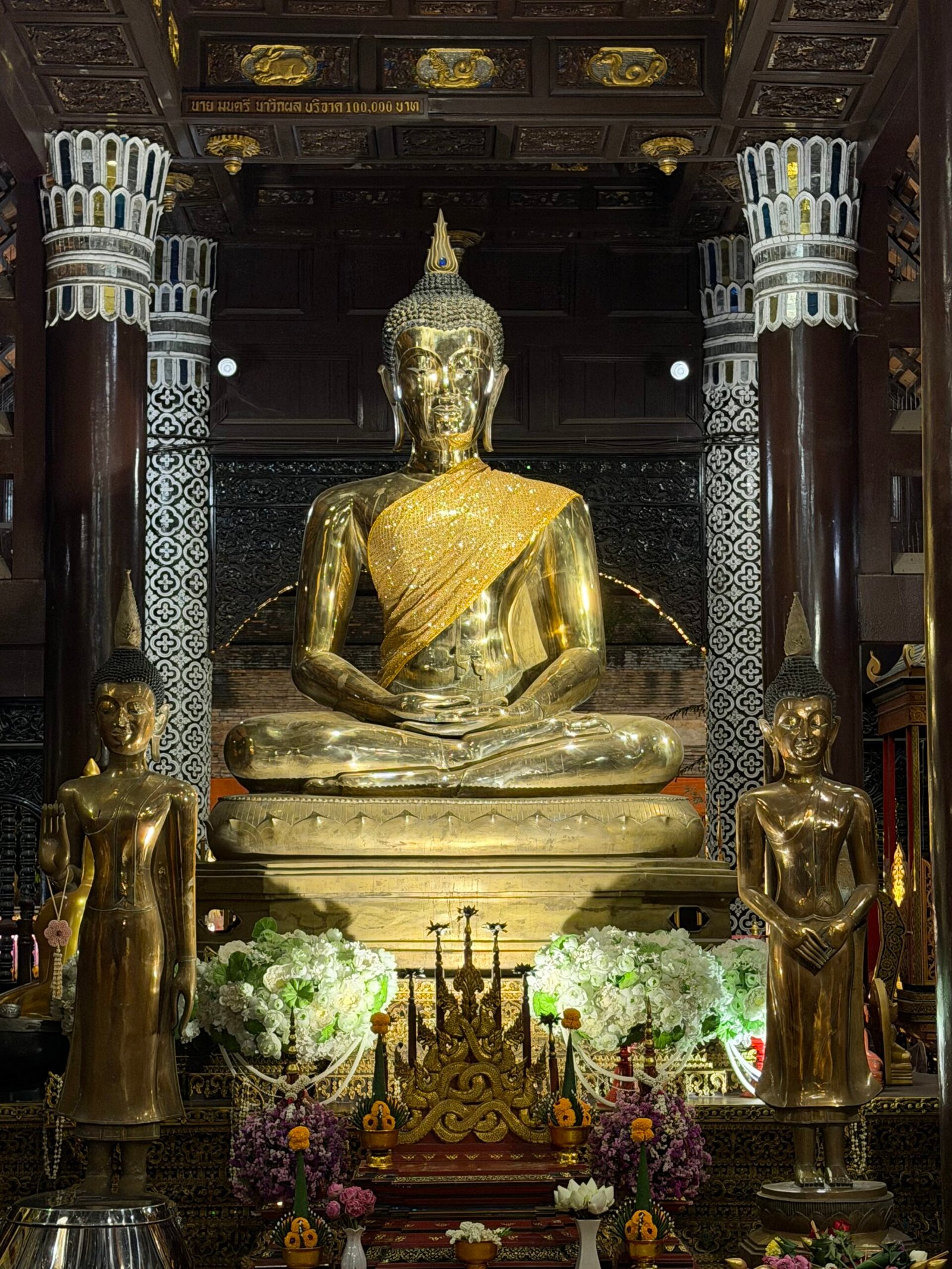
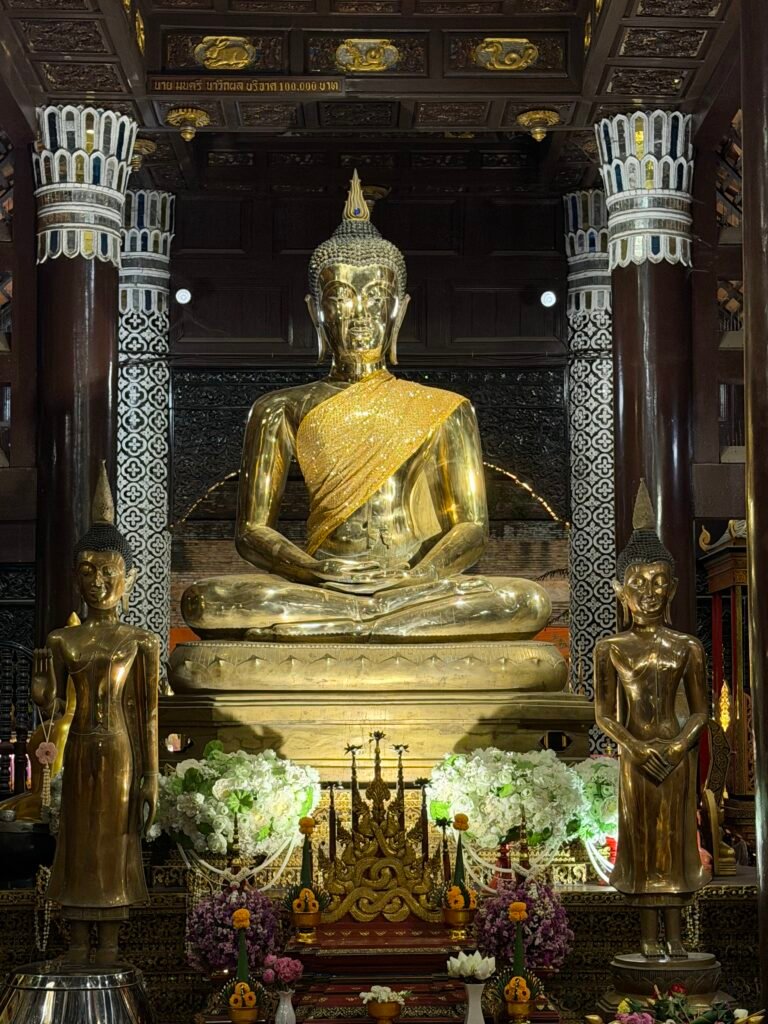
With more than 300 temples in and around the city, choosing where to spend limited time matters. Wat Phra Singh, inside the old city, is one of the more significant, home to the revered Phra Buddha Sihing image and a viharn with some of the finest surviving Lanna-style woodcarving and murals in the city. Wat Chedi Luang, a short walk away, centers on a massive, partially ruined chedi that once stood among the tallest structures in the region before a sixteenth-century earthquake and later renovations left it in its current, still striking, partial state.
For a longer outing, Wat Phra That Doi Suthep sits on a mountain above the city and remains one of the most important pilgrimage sites in Northern Thailand. The climb up the naga staircase to the temple platform, and the views back over Chiang Mai from that height, make it worth the half-day trip even for travelers who have already seen several temples closer to the center. Early morning visits avoid both the heat and the larger tour groups that arrive later in the day.
Practical Notes for Planning Your Own Trip
- Chiang Mai’s high season runs from roughly November through February, when temperatures are cooler and more comfortable for both temple visits and full day activities like Elephant Nature Park. March through May brings burning season, when agricultural burning in the surrounding region can significantly affect air quality.
- Songthaews, the shared red trucks that circulate through the city, remain the cheapest and most flexible way to get around for short distances, alongside ride-hailing apps like Grab for longer or more specific routes.
- Book Elephant Nature Park and the Zabb E Lee cooking class well ahead of arrival, particularly during high season, since both operate with capped group sizes to protect the quality of the experience.
- The old city is walkable in a way that rewards simply wandering between temples without a fixed plan, but pair it with at least one full day trip outside the walls, whether to Elephant Nature Park or into the surrounding mountains, to get a sense of the region beyond the moat.
Final Thoughts
Chiang Mai rewards a trip built around a handful of substantial experiences rather than a packed sightseeing list. A day at Elephant Nature Park, an evening working through the stalls at Pratu Chiang Mai and San Pa Khoi, a proper Lanna meal at Huen Muan Jai, a morning spent learning to cook at Zabb E Lee, and a comfortable base just outside the old city walls together give a far better sense of the region than trying to see everything at once.
Where Bangkok is a city that rewards curiosity and a willingness to move fast between extremes, Chiang Mai rewards the opposite instinct: slowing down, staying longer in fewer places, and letting the mountains and the pace of the north set the tone for the trip.