Sicily Wine Region Guide: Etna, Nero d’Avola and the Island’s Volcanic Renaissance
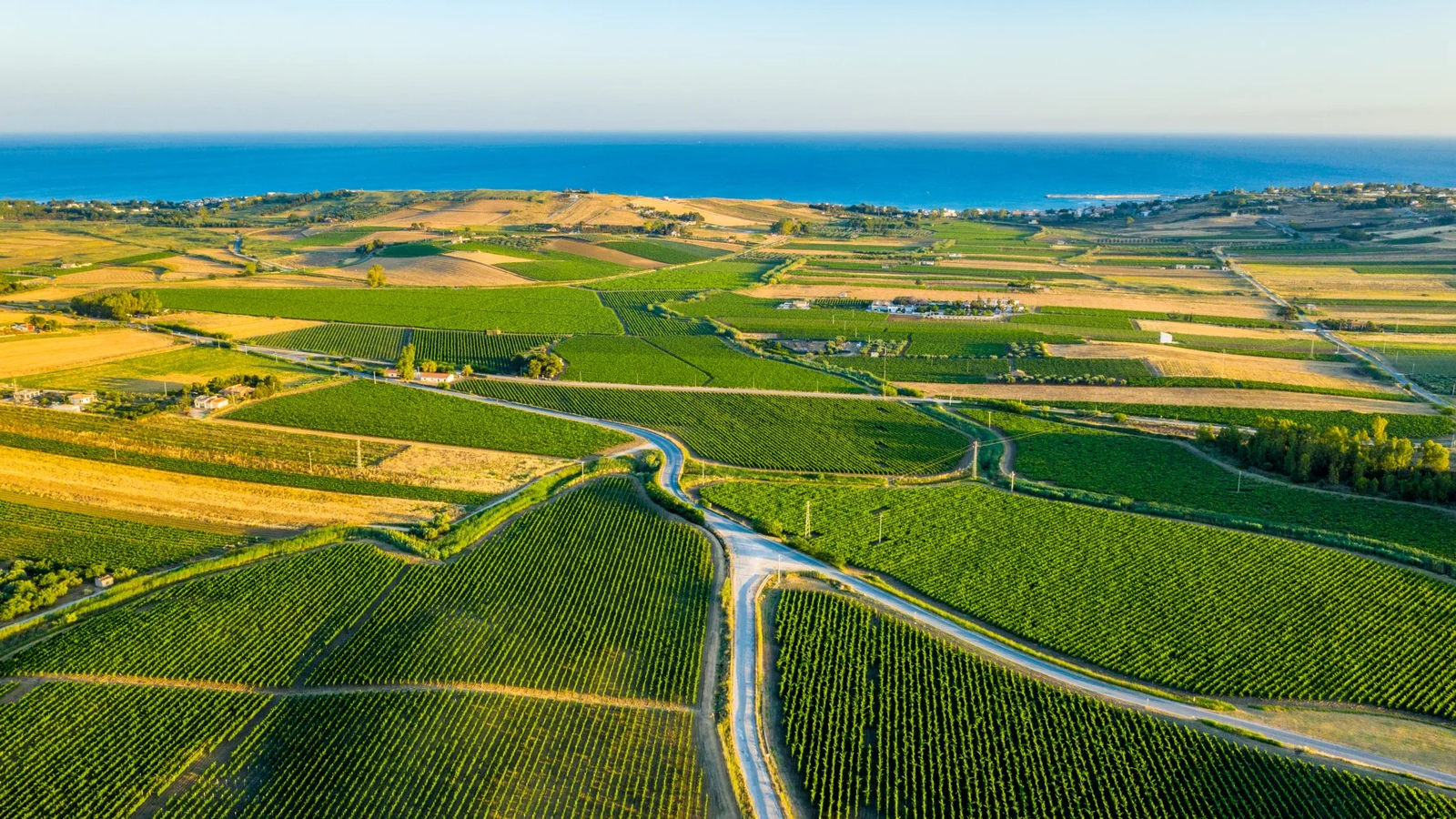
Sicily has spent the last thirty years quietly becoming one of Italy’s more interesting wine islands, and most travelers still arrive expecting sunshine, granita and cannoli rather than serious wine. That gap is exactly what makes it rewarding to explore. Mount Etna alone produces some of the most distinctive volcanic wines in Europe, grown on lava terraces at altitudes that rival parts of the Alps, while the rest of the island turns out everything from powerful Nero d’Avola reds to crisp Grillo whites and the fortified wines of Marsala. This is not a region riding on a single grape or a single appellation. It is a large, climatically varied island with dozens of native varieties still in the ground, and a new generation of producers determined to show what they can do.
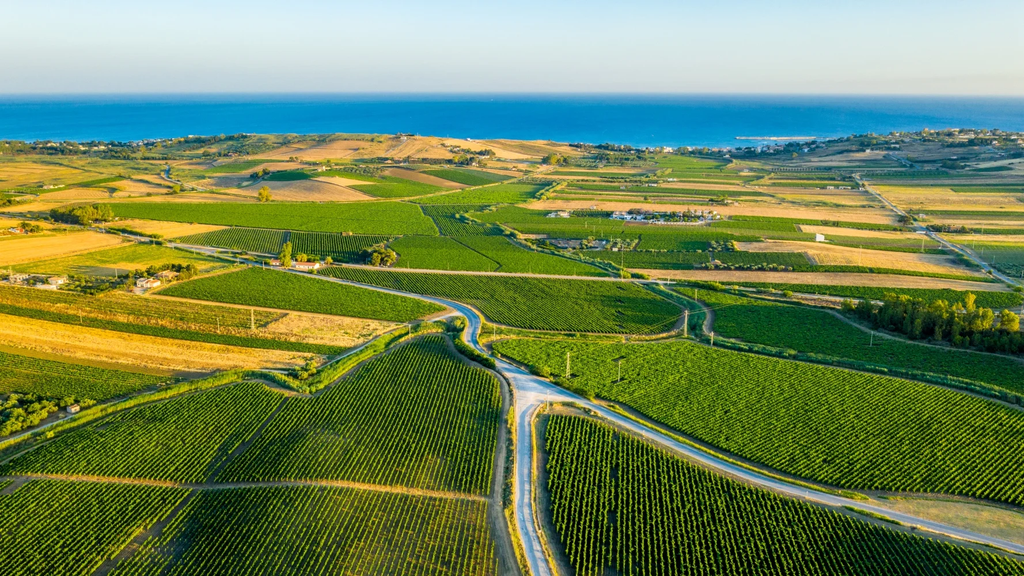
This guide walks through Sicily’s key wine zones, the grapes that define them, four wineries worth planning a trip around, and several bottles currently available through Wijnbeurs, Colaris, and Decántalo.
Why Sicily Has Become One of Italy’s Most Exciting Wine Islands
For most of the twentieth century, Sicily was Italy’s bulk wine engine, producing enormous volumes of undistinguished wine that was shipped north for blending or distilled into other products. That began changing in the 1980s and accelerated through the 1990s and 2000s, as producers like Tasca d’Almerita, Planeta and Benanti started treating the island’s native grapes and volcanic terroir as assets worth investing in rather than liabilities to overcome. The results have been striking. Etna, in particular, has gone from a curiosity to a genuine benchmark region for volcanic wine, discussed in the same breath as parts of the Canary Islands or Campania’s own Vesuvius vineyards.
What makes Sicily different from most Italian regions is sheer scale and diversity. It is the largest wine-growing region in Italy by planted area, with dramatically different growing conditions depending on where you stand. The slopes of Etna, rising to over a thousand meters in places, sit in a completely different climate from the hot, dry plains around Marsala or the coastal vineyards near Noto. That range gives Sicily a genuine claim to variety that few other Italian regions can match, from structured volcanic reds and whites to sun-soaked, fruit-forward reds and historic fortified wines.
The Key Wine Zones of Sicily
Etna DOC: Europe’s Volcanic Frontier
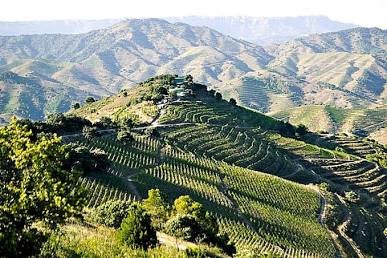
Etna DOC, established in 1968 as Sicily’s first DOC, sits on the northeastern side of the island around Europe’s largest and most active volcano. Vineyards here are planted on old lava flows at elevations from roughly 350 up to 1,000 meters, some of the highest vineyard sites in Europe, and many of the oldest vines are still trained in the traditional bush-vine, or alberello, method on their own roots, since Etna’s volcanic soils have historically resisted phylloxera. The region is further divided into distinct contrade, or crus, each with its own soil composition, exposure, and microclimate, and serious producers increasingly bottle single-contrada wines to show off those differences.
Etna Rosso is built primarily around Nerello Mascalese, which must make up at least 80 percent of the blend, with the remainder typically Nerello Cappuccio. Nerello Mascalese is a late-ripening, thin-skinned red grape that produces wines often compared to Pinot Noir or Nebbiolo for their pale color, high acidity, and perfumed aromatics, though the volcanic terroir gives them a distinctly smoky, mineral edge that sets them apart from either. Expect red cherry, wild strawberry, dried herbs, and a saline, ashy finish, with tannins that are present but rarely aggressive.
Etna Bianco, made primarily from Carricante, is a less internationally known but equally serious wine. Grown mostly on the eastern slopes around the village of Milo, where cooler, wetter conditions suit the grape, Carricante produces taut, high-acid whites with citrus, green apple, and a distinct mineral, occasionally flinty character that can develop complexity with several years of bottle age, not unlike a good Chablis.
Cerasuolo di Vittoria DOCG: Sicily’s Only DOCG
Located in the southeastern corner of the island around the town of Vittoria, Cerasuolo di Vittoria is Sicily’s sole DOCG and a genuinely distinctive wine, made from a blend of Nero d’Avola and Frappato, with Frappato typically making up 30 to 50 percent of the mix. The combination works because the two grapes complement each other well: Nero d’Avola brings structure, dark fruit, and body, while Frappato adds brightness, red fruit, and a lighter, more floral character. The result is a red that is fuller than most Frappato on its own but considerably lighter and more approachable than pure Nero d’Avola, making it one of the more food-friendly reds on the island.
Nero d’Avola: The Island’s Signature Red Grape
Named after the town of Avola in the southeastern province of Syracuse, Nero d’Avola is grown across most of Sicily except directly around Etna, and it remains the grape most associated with the island internationally. It produces deep ruby to purple wines with black cherry, plum, pepper and, in oak-aged versions, notes of coffee, tobacco and chocolate. For much of the twentieth century it was used mainly to add color and body to blends, but today plenty of producers bottle it as a serious varietal wine, and the best examples, particularly from the Noto and Pachino areas, show real structure and aging potential alongside their approachable, sun-warmed fruit.
White Sicily: Grillo, Catarratto and Insolia
Sicily’s white wine production is enormous, accounting for the majority of the island’s total output, and Grillo has emerged as the grape most likely to be bottled as a serious single-varietal white. Historically the backbone of Marsala production, Grillo produces dry, aromatic wines with citrus, white flowers, and a saline finish when made as a still wine, and it has become something of a calling card for producers looking to show Sicily’s white wine potential beyond Etna’s Carricante. Catarratto and Insolia, or Inzolia, remain the island’s most widely planted white grapes overall, typically used in easy-drinking, fresh blends, though increasingly also bottled solo by quality-focused producers.
Marsala DOC: The Historic Fortified Wine
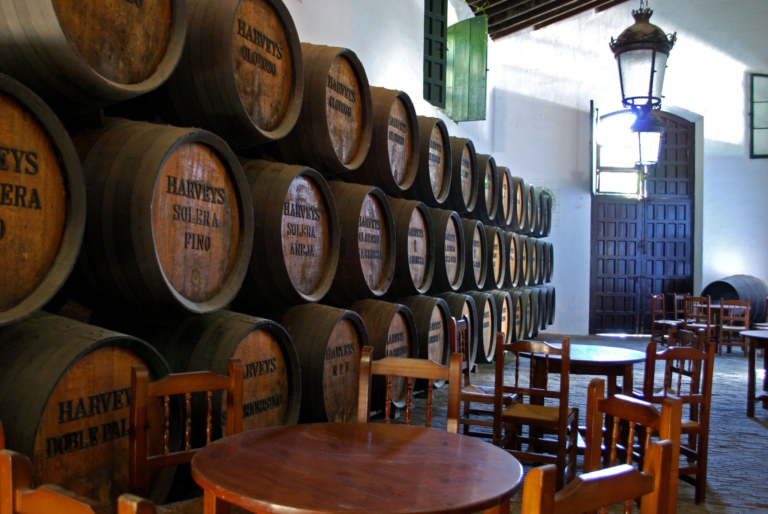
No serious look at Sicily’s wine history skips Marsala, the fortified wine that made the island famous in British and international markets centuries before Etna wines existed as a category. Made primarily from white grapes including Grillo, Catarratto and Insolia, and aged in a solera-style system, Marsala ranges from dry Vergine styles suited to aperitivo through to sweet versions traditionally used in cooking and dessert pairing. Production has declined significantly from its historic peak, but a handful of serious producers still make Marsala worth seeking out on its own terms, rather than only as a kitchen ingredient.
Four Wineries Worth Building a Trip Around
Benanti Viticoltori, Viagrande
Founded in 1988 by Giuseppe Benanti, this estate is widely credited as one of the founding forces behind Etna’s modern reputation, having pushed to demonstrate the aging potential of Carricante and the terroir-driven character of Nerello Mascalese long before most of the wine world was paying attention. The winery is now run by Giuseppe’s sons Antonio and Salvino and remains one of the only Etna producers working exclusively with native grapes, using its own proprietary yeast strains isolated from vineyards across all four slopes of the volcano. The estate sits at the foot of Monte Serra, an extinct volcanic cone, on a nineteenth-century property that still includes a historic palmento, the traditional stone structure once used for treading grapes.
Visits typically combine a walk through the Monte Serra vineyard with a tour of the old palmento and barrel room, finishing with a guided tasting that can include several single-contrada wines side by side, a rare opportunity to taste how dramatically Etna’s terroir shifts from one slope to the next.
- Address: Via Giuseppe Garibaldi 361, 95029 Viagrande (CT)
- Booking: Open daily except Mondays; reservation recommended; email info@benanti.it or call +39 095 789 09 28
Planeta, Menfi and Etna estates
Planeta is arguably the winery most responsible for putting modern Sicilian wine on the international map. Founded in the 1990s by cousins Alessio and Santi Planeta together with their uncle Diego, a figure already well known in Sicilian wine circles for his work at the Settesoli cooperative, the family built its reputation first with Chardonnay from the hills around Menfi before expanding across the island. Planeta now operates estates in five distinct Sicilian territories: Menfi, Vittoria, Noto, Etna and Capo Milazzo, giving the family a genuinely comparative view of the island’s range of terroirs that few other producers can match. On Etna, Planeta makes both Etna Rosso from Nerello Mascalese and Etna Bianco from Carricante from vineyards at over a thousand meters of elevation.
The estate at Ulmo, near Sambuca di Sicilia in the Menfi zone, is a natural base for a first visit, with tours pairing a walk through the vineyards with a guided tasting of wines from across Planeta’s different territories. The Etna estate near Passopisciaro offers a more focused, single-territory experience for anyone specifically chasing volcanic terroir.
- Address (Menfi estate): Contrada Dispensa, 92013 Menfi (AG)
- Booking: Reservation required through Planeta’s official experiences page, available for both the Menfi and Etna estates
Tasca d’Almerita, Regaleali and Tenuta Tascante
Tasca d’Almerita’s roots go back to 1830, making it one of the oldest continuously operating wine estates on the island, and the family, now in its eighth generation, has been central to Sicily’s shift toward quality winemaking since Lucio Tasca d’Almerita founded the modern Regaleali estate in 1961 and later helped establish Assovini Sicilia, the island’s producers’ association. The family now farms five separate estates across Sicily’s varied terroirs, from the historic Regaleali property in the island’s hilly interior to Tenuta Tascante, their dedicated Etna project launched in 2007 on the volcano’s northern slopes after early experiments on the southern side proved too vulnerable to hail.
Tascante’s Etna Rosso and Etna Bianco wines, made respectively from Nerello Mascalese and Carricante, are worth tasting specifically because they show a more restrained, precise house style compared to some of Etna’s bolder producers, a deliberate choice the family has described as a reaction against the heavier, more muscular Sicilian reds of previous decades. Regaleali itself, in the island’s interior southeast of Palermo, remains the estate most connected to Tasca’s founding history and produces both native-variety and international wines from its own subclimate.
- Address (Regaleali estate): Contrada Regaleali, 90020 Sclafani Bagni (PA)
- Booking: Tours and tastings by reservation; contact through the estate’s official website
I Custodi delle Vigne dell’Etna, Castiglione di Sicilia
For a smaller-scale counterpoint to the three larger estates above, I Custodi delle Vigne dell’Etna is worth seeking out. Led by oenologist Salvo Foti, one of the most respected figures in Etna winemaking, the project draws on the Maestranza dei Vigneri, an association of vine growers founded in 1435 dedicated to preserving traditional Etna viticulture and passing on its techniques to a new generation. The wines here are made in a deliberately traditional style, aiming to recreate the character of the reds Sicilian peasant farmers once made on the mountain, and the project has become a reference point for anyone interested in Etna’s history rather than only its modern commercial success. Visits tend to be smaller and more personal than at the larger estates, and are best arranged well in advance directly with the winery given its size.
- Location: Etna DOC zone, Castiglione di Sicilia area (CT)
- Booking: Contact directly through the winery for a private appointment; availability is limited given the estate’s small scale
Wines to Buy Before You Go
As with any regional guide, actual retailer stock matters more than repeating famous producer names, so here are bottles currently confirmed available through the retailers this site works with.
Masseria Setteporte Nerello Mascalese Etna Rosso, available through Decántalo, is a single-varietal Etna Rosso from an estate on the southwestern slopes near Biancavilla, sourced from terraced vineyards between 650 and 800 meters of altitude. It offers a genuinely representative introduction to what Nerello Mascalese does on volcanic soil at this altitude, without the premium price tag of some of Etna’s more famous single-contrada bottlings.
I Custodi delle Vigne dell’Etna Pistus, also available through Decántalo, is a red blend of Nerello Mascalese and Nerello Cappuccio from Salvo Foti’s traditionalist project, made under the Etna Rosso DOC designation and worth trying specifically as a contrast to more modern, polished interpretations of the same grapes.
Podere la Fonte Nero d’Avola Appassimento, available through Wijnbeurs, uses the appassimento method of partially drying the grapes before pressing, producing a concentrated, velvety style with dark fruit, vanilla, and warm spice that suits colder-weather drinking and richer food better than a straightforward young Nero d’Avola.
For Tasca d’Almerita and Planeta bottles specifically, both producers appear within Colaris’s Italian wine catalog, including Etna-designated wines, though exact vintages and specific labels in stock shift regularly, so it is worth checking current availability directly before finalizing an order rather than assuming a particular bottling is on hand.
For anything from smaller Etna producers not currently confirmed at these three retailers, WirWinzer or Vinello are sensible fallback options, and several estates, including Benanti and Planeta, ship within the EU directly from their own webshops.
Food Pairing in Sicily
Sicilian cuisine leans heavily on seafood, citrus, eggplant, capers, and rich tomato-based dishes, along with a strong Arab and Norman culinary influence that sets it apart from mainland Italian cooking. Etna Rosso, with its bright acidity and moderate tannin, is a natural match for grilled tuna, swordfish involtini, or roasted lamb with wild herbs, playing much the same role that lighter Burgundy or Pinot Noir might elsewhere. Etna Bianco and Carricante’s mineral, saline character pairs beautifully with raw seafood, grilled octopus or pasta with sea urchin. Nero d’Avola, fuller and darker in fruit, wants richer fare: pasta alla Norma with its eggplant and salted ricotta, braised meats or aged pecorino. Cerasuolo di Vittoria, lighter and more versatile thanks to its Frappato component, works across a wider range of dishes, from grilled vegetables to lighter meat courses, making it a smart choice for a table where everyone is ordering something different.
Getting There and Getting Around
Catania Fontanarossa Airport, on the eastern side of the island, sits closest to Etna’s wineries, with estates like Benanti reachable within thirty to forty minutes by car. Palermo’s airport serves the western and interior parts of the island better, making it the natural starting point for visits to Regaleali or Planeta’s Menfi estate. As with most wine regions built around hill towns and rural estates, a rental car is essentially required for a multi-winery day, since public transport across Sicily’s interior and volcanic slopes is limited.
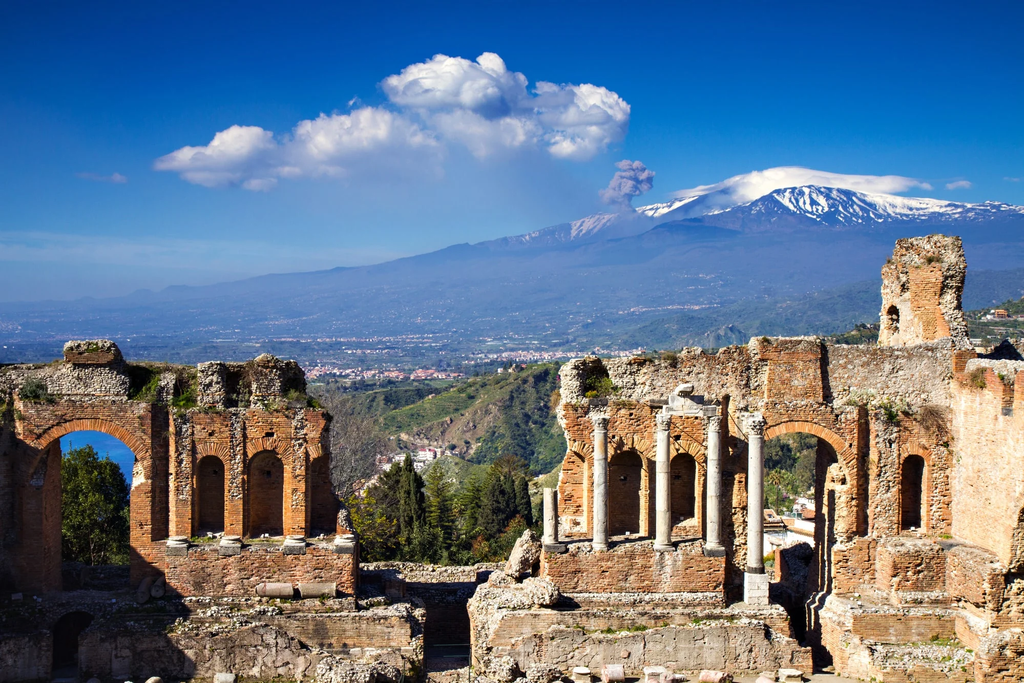
Etna in particular rewards careful planning around altitude and access roads, since some contrada vineyards sit on narrow, winding roads that climb significantly in elevation over short distances. Harvest season, generally September through October depending on the specific grape and altitude, is the most atmospheric time to visit but also the busiest for wineries, so book tours well ahead. Spring and early summer offer easier scheduling and a genuinely spectacular landscape, with wildflowers covering much of the volcano’s lower slopes.
Frequently Asked Questions
What is the best introduction to Sicilian wine for someone who has never tried it? Etna Rosso is the most approachable entry point for wine drinkers coming from Burgundy or Barolo backgrounds, since its structure and aromatics will feel familiar even though the volcanic terroir gives it a distinct character. For something more purely Sicilian in style, a well-made Nero d’Avola from Noto or Pachino offers the fuller, sun-driven fruit the island is best known for internationally.
Is Etna wine the same as Sicilian wine generally? No. Etna is one specific DOC zone on the northeastern side of the island, with its own volcanic soils, high altitude, and distinct grape varieties, primarily Nerello Mascalese and Carricante. The rest of Sicily grows different grapes under very different conditions, most notably Nero d’Avola, Grillo, Catarratto and Frappato, so Etna wines should be treated as a specific subcategory rather than representative of Sicilian wine as a whole.
How does Nerello Mascalese compare to Pinot Noir? The comparison gets made often because both are relatively pale, aromatic, high-acid reds with moderate tannin, but the resemblance is more about structure than flavor. Nerello Mascalese carries a distinctly smoky, mineral, volcanic character from Etna’s lava soils that Pinot Noir simply does not have, along with different fruit tones, typically wild strawberry and dried herbs rather than Pinot’s more classic red cherry and earth.
Can Sicilian white wines age, or should they be drunk young? It depends heavily on the grape and zone. Etna Bianco made from Carricante, particularly from the Milo subzone, can develop meaningfully over five years or more, gaining complexity similar to a good white Burgundy. Most Grillo, Catarratto and Insolia-based wines from elsewhere on the island are made in a fresher, more immediate style and are best enjoyed within two to three years of the vintage.
Is it possible to visit multiple Etna wineries in a single day? Yes, since several established producers, including Benanti and smaller contrada-focused estates, sit within a reasonable driving distance of each other on the volcano’s lower slopes. Two wineries in a day is realistic, particularly if lunch is built into one of the tastings rather than treated separately, though the winding mountain roads mean travel times can run longer than the straight-line distance suggests.