Bilbao: Why This, Not San Sebastián, Is the Basque Country’s Real Food Capital
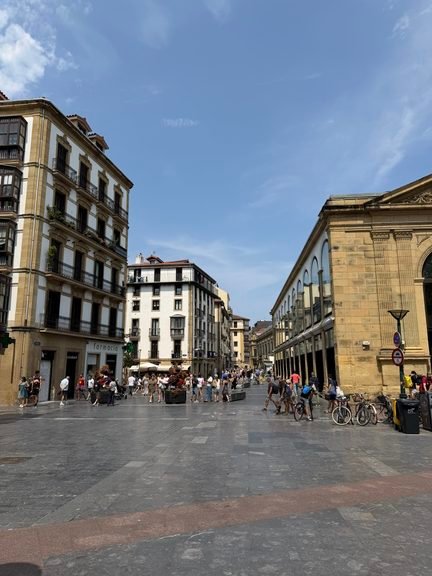
I need to say something upfront that might be a little controversial to anyone who has just read a glowing guide to San Sebastian on this site: Bilbao is the better food city. That is a personal opinion, not an objective ranking, and San Sebastian’s pintxos bars and Michelin density are not going anywhere. But something about Bilbao’s food scene feels less curated for visitors and more genuinely woven into daily life. The city spent decades known primarily for its industrial, working port economy, and the transformation since then, both architecturally and culinarily, has produced a place that eats extremely well without ever feeling like it is performing for an audience.
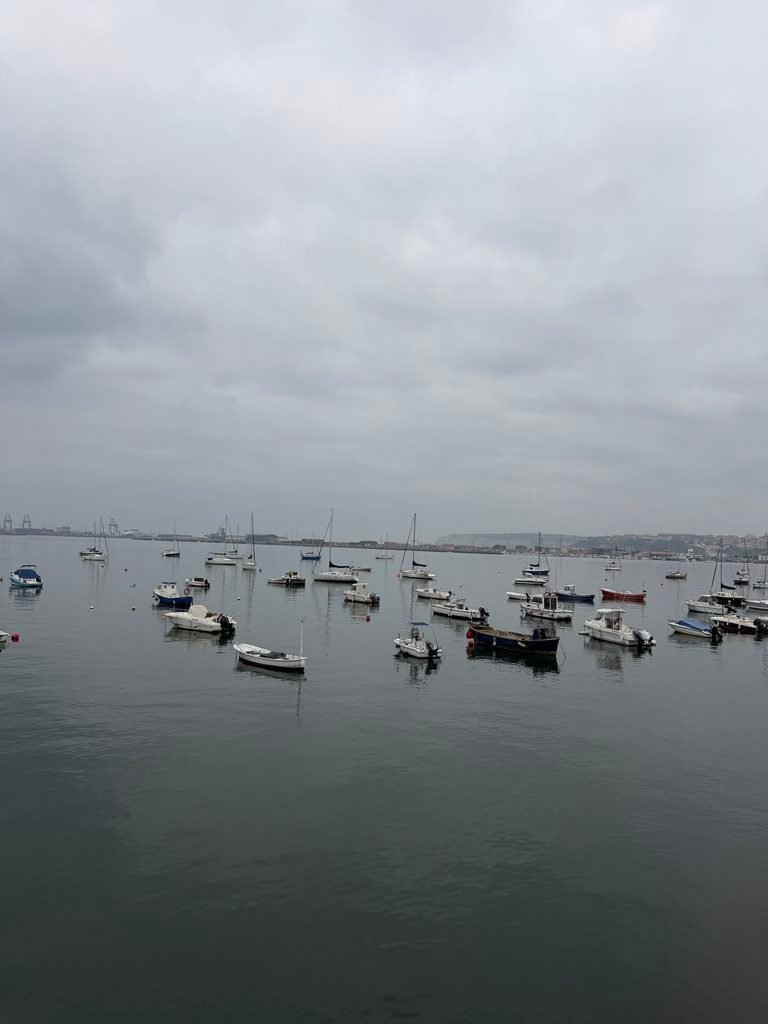
Bilbao also has the advantage of being a full destination in its own right rather than a single neighborhood or a day trip. Between the old town, the Guggenheim, a proper metro system that reaches all the way to the coast, and a genuinely world-class wine region sitting an hour and a half away by car, Bilbao gives you a complete trip, not just a meal.
This guide covers where to eat in the city, what to actually do with your days, and the single day trip that belongs on every itinerary regardless of how tight your schedule is: a drive into La Rioja to visit Haro and Elciego.
A Few Fun Facts About Bilbao
- Bilbao spent much of the twentieth century as a heavily industrial port city, and the economic decline that followed the collapse of its shipbuilding and steel industries in the 1980s left the city searching for a new identity. The opening of the Guggenheim Museum in 1997 is widely credited with kickstarting that reinvention, a phenomenon now commonly referred to in urban planning circles as the Bilbao Effect.
- The historic old town, Casco Viejo, is built around seven original medieval streets, Las Siete Calles, which still form the core of the neighborhood’s layout today, centuries after they were first laid out.
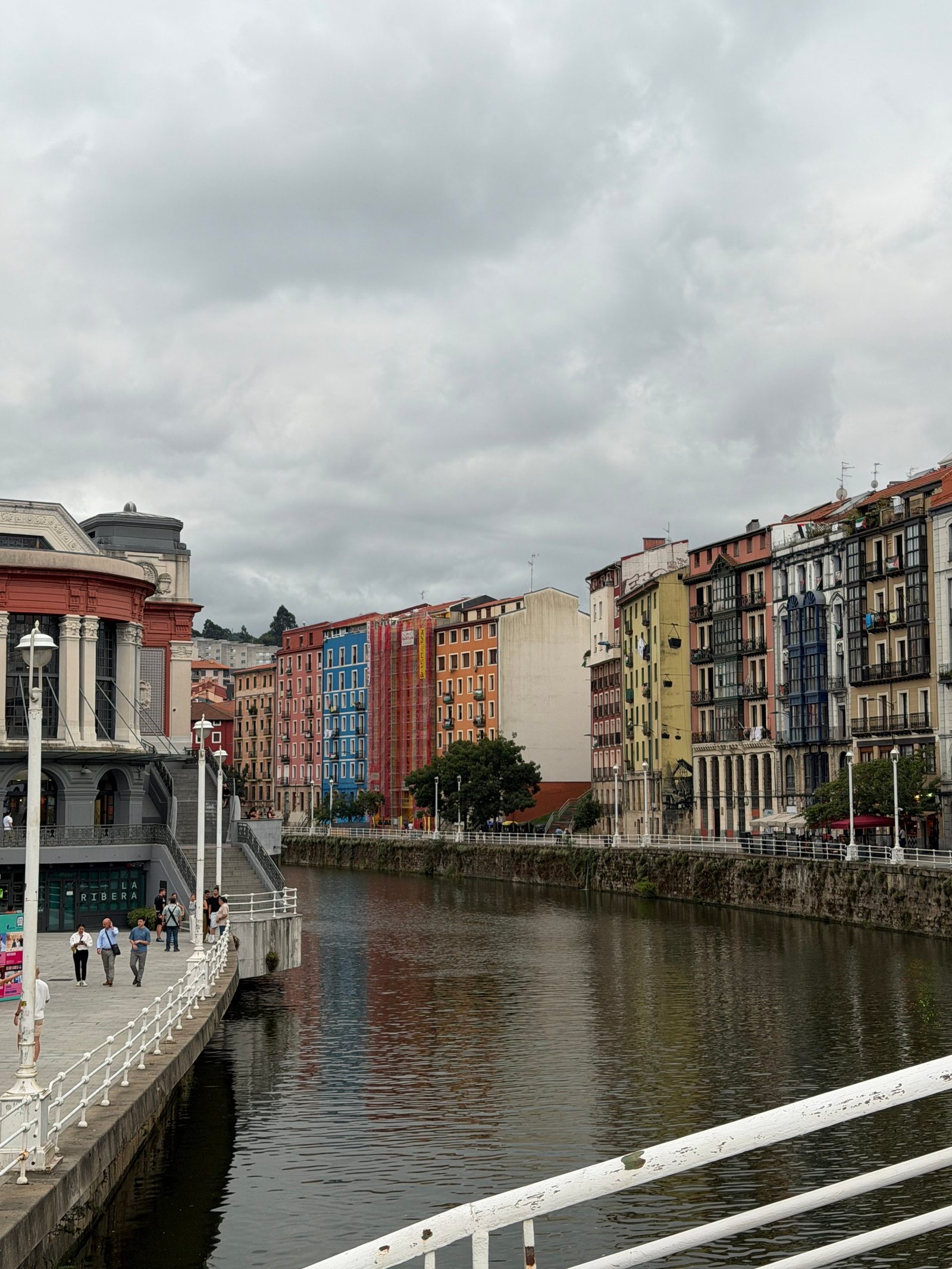
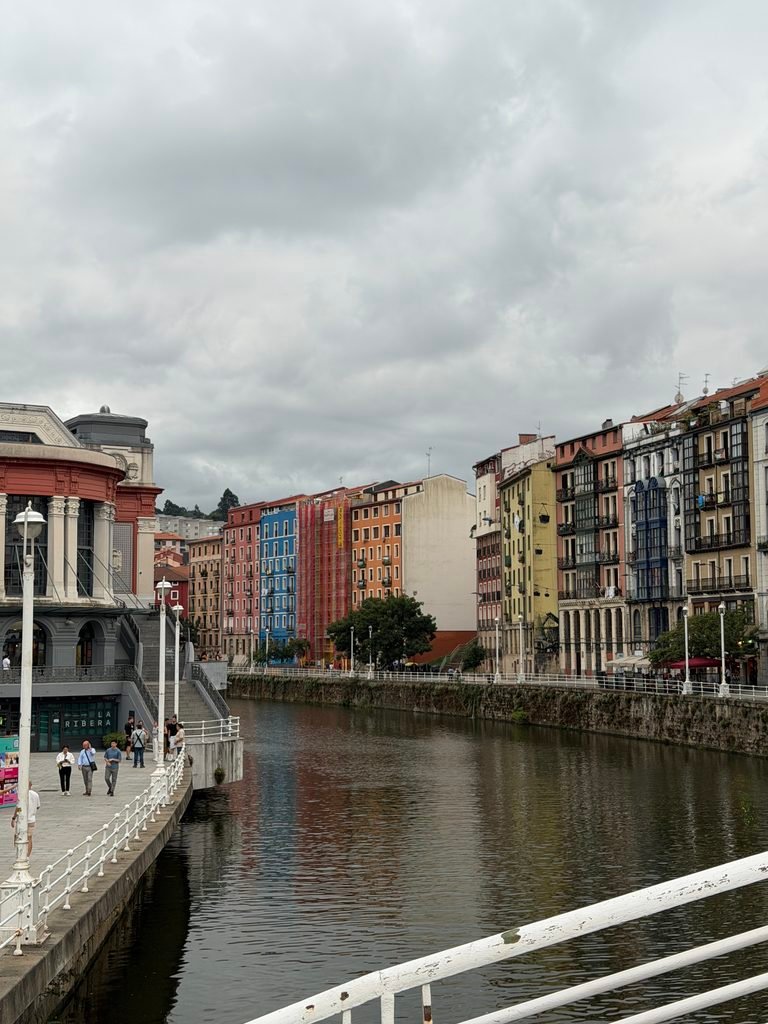
- Bilbao sits along the Nervión River, which runs directly through the city center and out toward the Bay of Biscay, a geography that shaped the city’s entire industrial and shipping history and still defines its layout today.
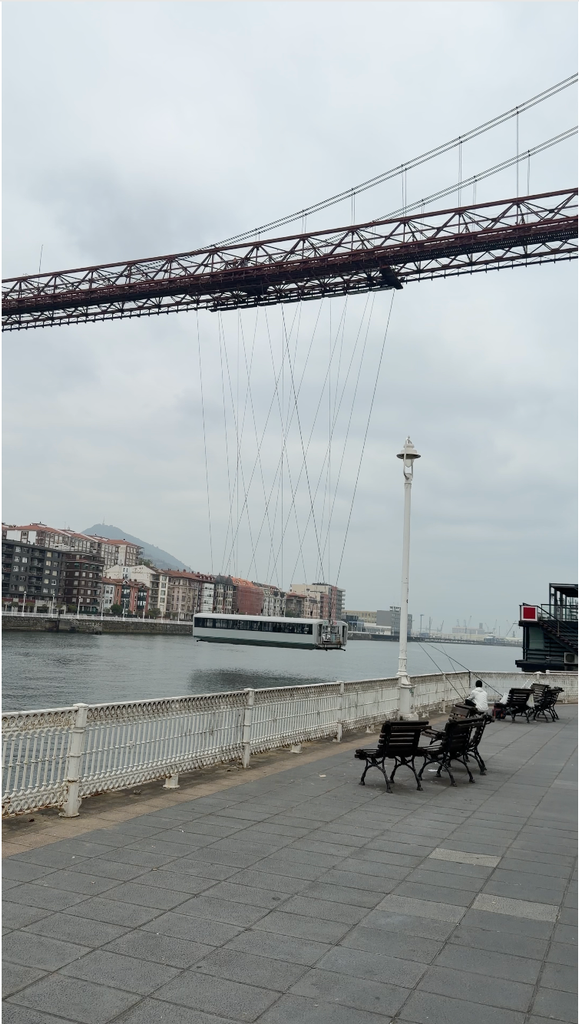
- The Transbordador de Vizcaya, the transporter bridge connecting Portugalete and Getxo at the mouth of the river, was completed in 1893 and is recognized as a UNESCO World Heritage Site, one of the oldest working transporter bridges anywhere in the world.
- La Rioja, Spain’s most internationally recognized wine region, sits close enough to Bilbao that a full day trip covering multiple wineries is genuinely feasible, something not every major wine region near a big city can claim.
Where to Eat in Bilbao
Tolon Tolon: Carnivore Paradise
If you eat one meat-focused meal in Bilbao, make it Tolon Tolon. This is a restaurant built entirely around the quality of what comes off the grill, and it delivers on that promise as thoroughly as anywhere I have eaten in northern Spain. The Basque Country has a deep, serious relationship with beef, and Tolon Tolon channels that tradition into a menu that does not need embellishment: simple preparations of exceptional cuts, cooked with precision over an open flame and served with minimal distraction from sides or sauces.
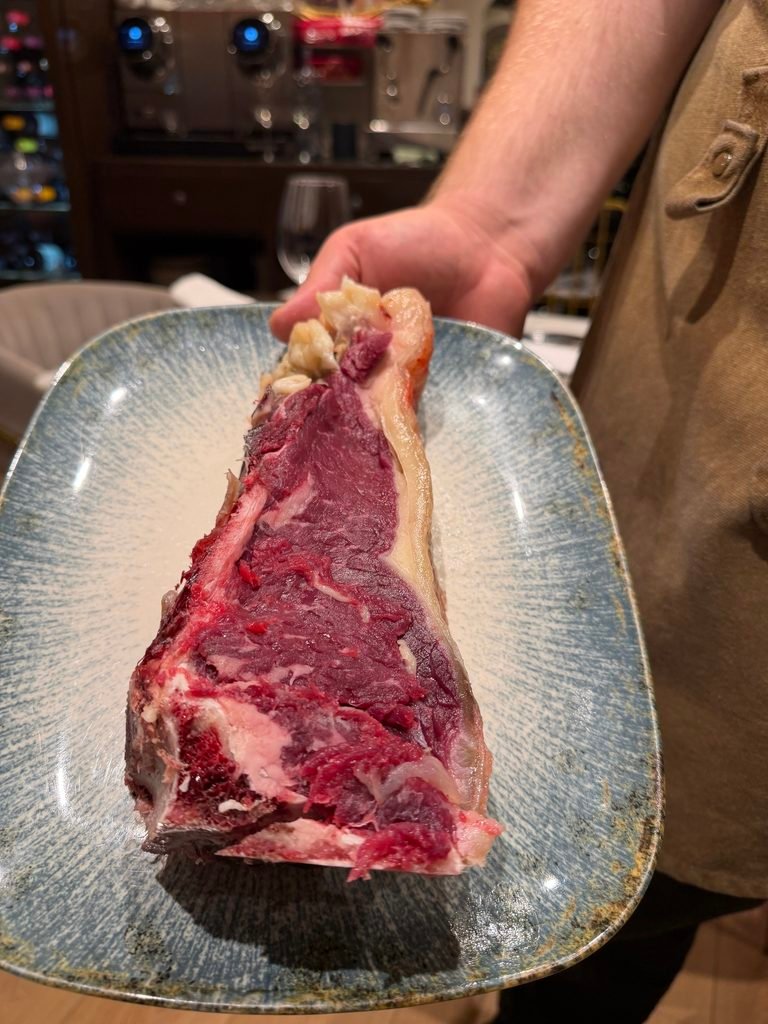
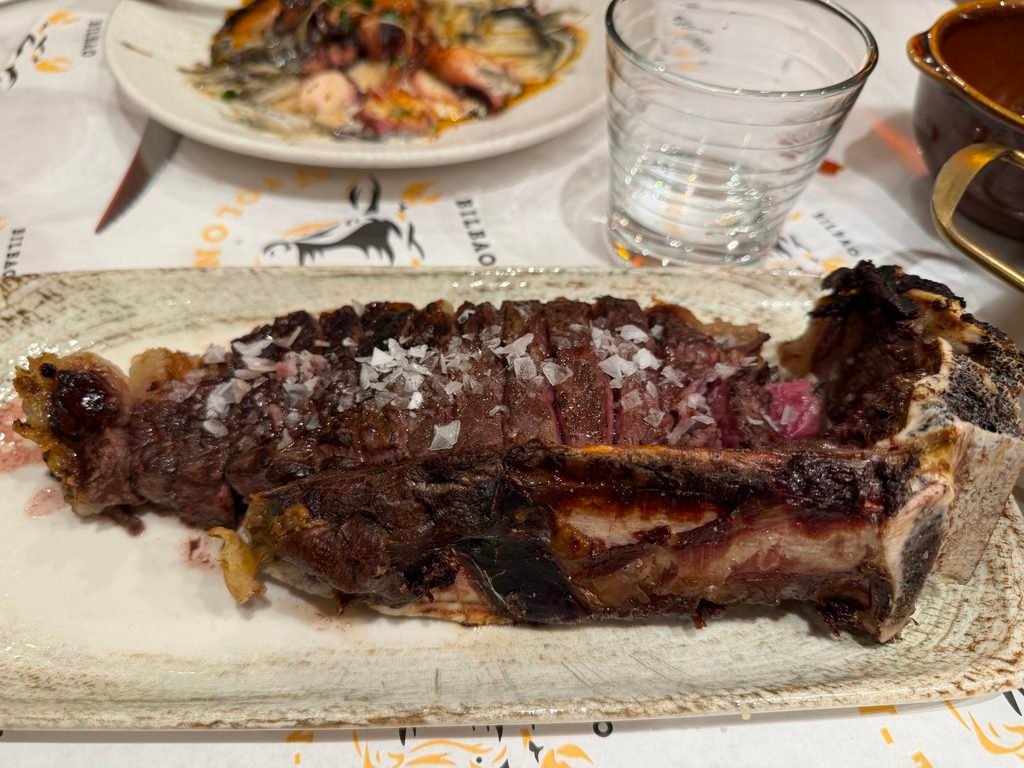
This is the kind of restaurant to book ahead for and to arrive at genuinely hungry. Order more than you think you need, share everything across the table, and let the quality of the meat itself carry the meal. For anyone who considers themselves a serious carnivore, this single restaurant justifies a trip to Bilbao on its own.
The Pintxos Bars of Plaza Nueva
Plaza Nueva, the elegant, arcaded square at the heart of Casco Viejo, is the natural center of gravity for an evening of pintxos in Bilbao, and the density of excellent bars packed into and around this one square is remarkable even by Basque Country standards. The right approach here is the same one that works in San Sebastian’s Old Town: move in short bursts, one or two pintxos and a drink per stop, and treat the evening as a slow crawl rather than a single sit-down meal.
El Globo
El Globo has grown into something of a small local institution, with multiple locations across Bilbao at this point, a sign of just how consistently well regarded the format has become. The pintxos here lean toward generous, well-composed bites rather than minimalist single-bite creations, and the txaka, a rich crab and prawn salad piled onto toasted bread, is a standout worth seeking out specifically. Having more than one location around the city is genuinely useful for visitors, since it means a reliably good stop is rarely far away, no matter which neighborhood you happen to be exploring.
Gure Toki
Gure Toki sits right on Plaza Nueva itself and has built a reputation for a more refined, kitchen-driven approach to pintxos than some of its neighbors, closer in spirit to small plates from a proper kitchen than the classic cold counter format. The bar has picked up recognition in regional pintxos competitions over the years, and the quality on the plate reflects that level of ambition. It is a good stop for anyone who wants their pintxos crawl to include at least one genuinely composed, thoughtfully plated dish rather than exclusively grab-and-go bites.
Café Bar Bilbao
I will admit some natural skepticism toward any restaurant named directly after the city it operates in. It usually signals a place built for tourists rather than locals. Cafe Bar Bilbao, right on Plaza Nueva, is the exception that undercuts my own bias. Despite the name, the pintxos here hold their own against anything else on the square, and the bar has clearly earned its position through quality rather than through its convenient, easy-to-remember name. Worth a stop even for a skeptic.
Bar Udrina
Bar Udrina rounds out the Plaza Nueva recommendations, a slightly less flashy option than some of its neighbors but a consistently solid stop for a quick pintxo and a glass of wine between the more elaborate bars around it. Part of what makes a Plaza Nueva pintxos crawl work so well is having a mix of ambitious kitchens and simpler, reliable stops in the same small area, and Bar Udrina fills that second role nicely.
Perita: Come for the Gambas
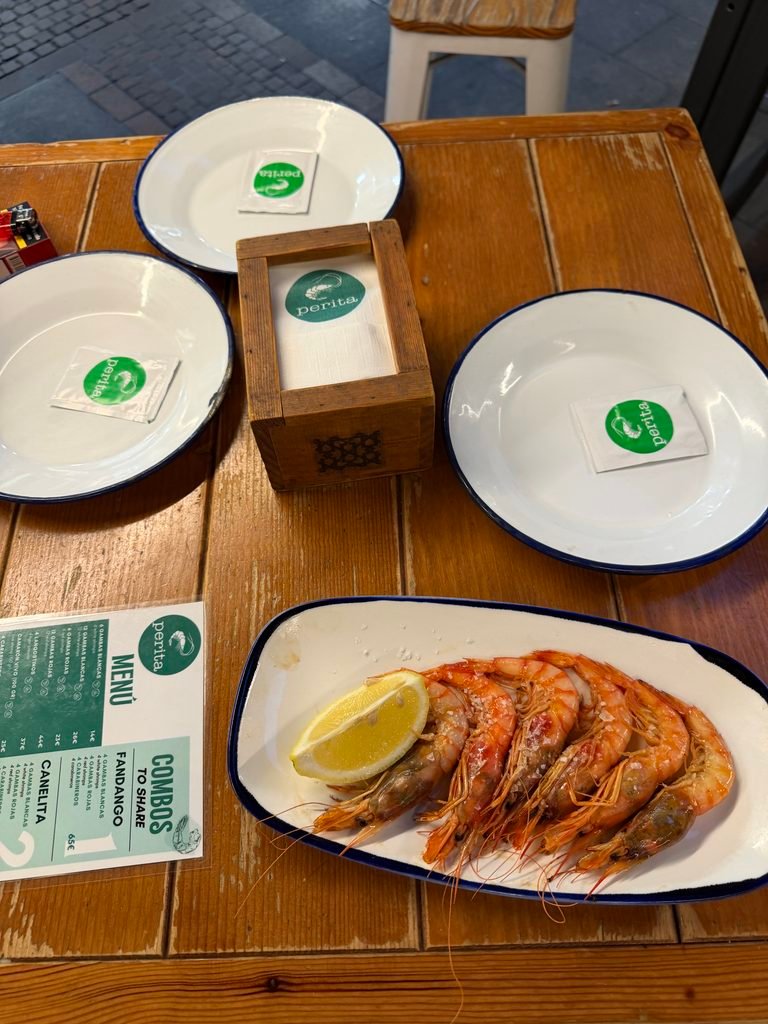
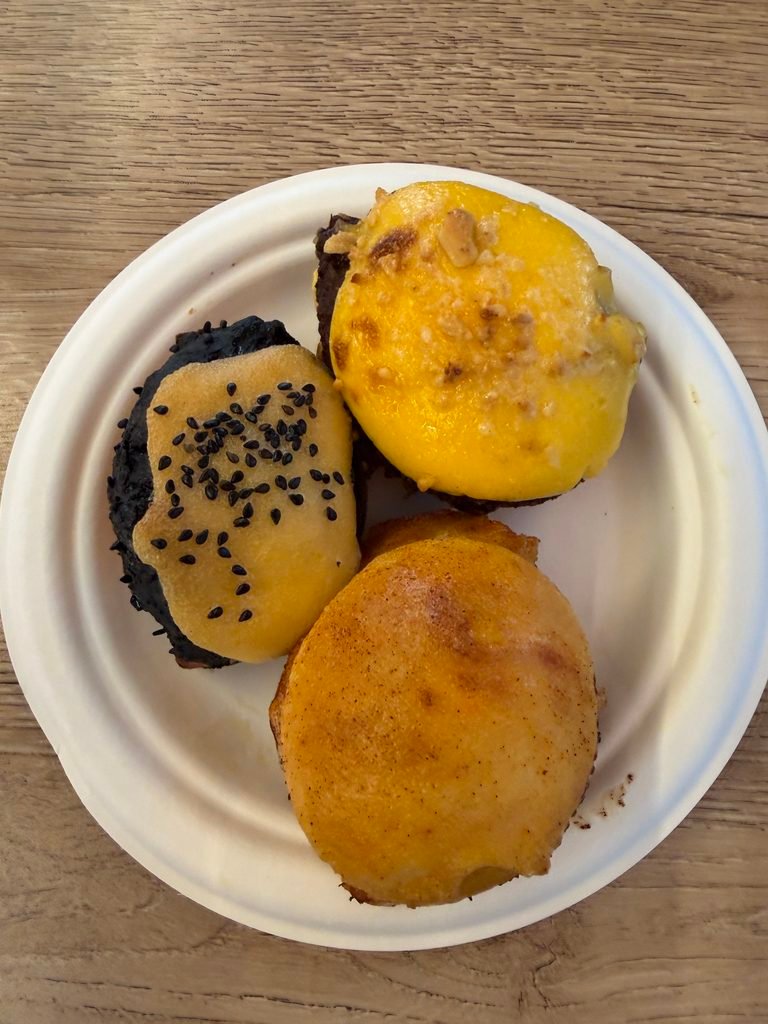
A short walk from the main pintxos circuit, Perita is worth a dedicated stop for one thing in particular: the gambas. Prawns cooked simply, with garlic and good olive oil, done well, are one of the purest tests of a kitchen’s judgment, since there is nowhere to hide a mediocre ingredient behind a heavy preparation. Perita passes that test comfortably, and the gambas here are sweet, perfectly cooked, and served with enough good bread to properly mop up the garlicky oil left behind. A simple, focused dish, executed exactly the way it should be.
What to Do in Bilbao
Wandering Las Siete Calles
The seven original medieval streets that make up the historic core of Casco Viejo reward exactly the kind of aimless wandering that a rigid itinerary tends to discourage. This is a compact, walkable neighborhood, easy to cover on foot in a couple of hours, but it holds up to a much longer, slower exploration if you let it. Small shops, old churches, and the kind of architecture that survived the city’s industrial decline sit alongside newer bars and boutiques, and the neighborhood’s layout still clearly traces back to its medieval origins even as the businesses inside it have modernized. Plaza Nueva itself sits at the edge of this network of streets, making it easy to combine an afternoon of wandering with an evening pintxos crawl without much extra walking.
The Transbordador de Vizcaya and the Walk to Getxo
This is, without question, one of the best half days you can spend in the greater Bilbao area, and it is criminally underused by visitors who stick purely to the city center. Take the metro out toward the coast, get off near the Transbordador de Vizcaya, and take a moment to actually appreciate the structure before crossing it. The transporter bridge design, a gondola suspended from a high steel frame that ferries pedestrians and vehicles across the river rather than a conventional deck, is genuinely unusual, and its UNESCO status is well earned given both its age and its continued daily use.
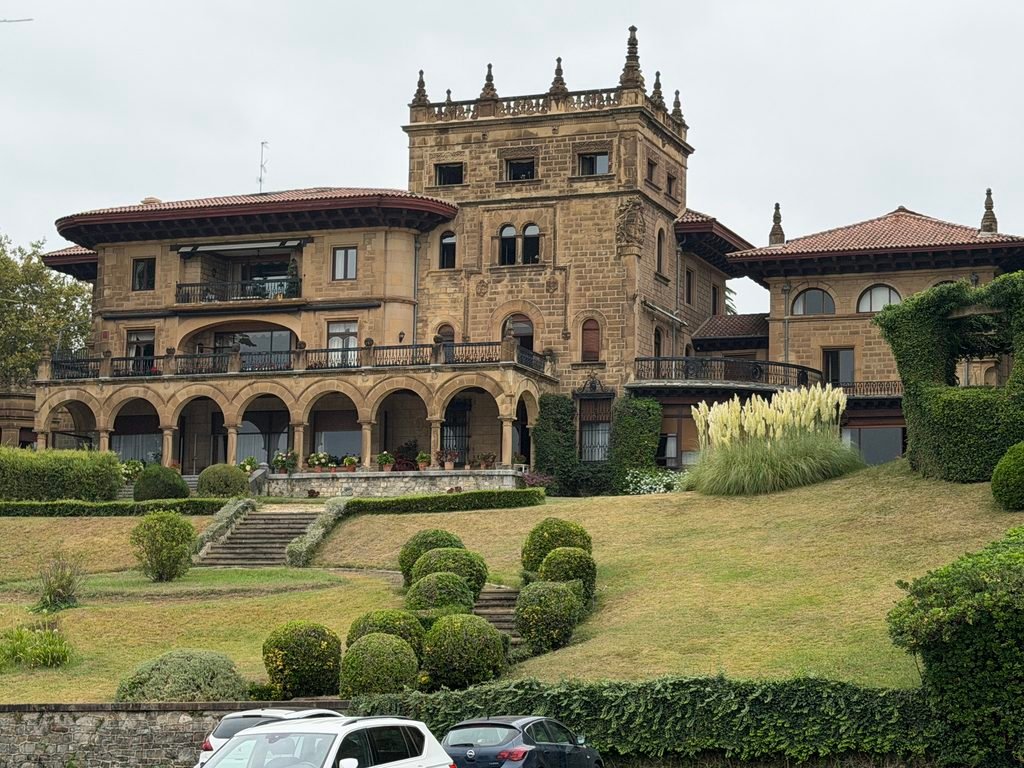
From there, the walk along the coast toward Getxo is one of the more scenic urban walks in northern Spain. The route passes through Las Arenas, an elegant seaside district with grand old villas that speak to the wealth the industrial era brought to this part of the river mouth, before continuing along the coast past Playa de la Bolla and eventually into Getxo proper. The walk mixes Belle Époque architecture, open coastal views, and a series of beaches worth stopping at along the way, and the whole route can be done at a relaxed pace over a few hours without feeling rushed. It is the kind of afternoon that gives you a completely different picture of the Bilbao area than the city center alone: industrial history, coastal wealth, and open water views, all within a single, easy metro ride from downtown.
The Guggenheim: Come for the Building
The Guggenheim Bilbao is, without exaggeration, one of the most architecturally significant buildings completed anywhere in the past thirty years. Frank Gehry’s curved, titanium-clad structure along the Nervion River genuinely reshaped how the world thought about what a museum building could look like, and the Bilbao Effect it kicked off has been studied and referenced by urban planners and architects ever since. Walking around the exterior, watching how the panels catch the light differently depending on the angle and the time of day, is worth doing on its own even without stepping inside.
That said, in the interest of being honest rather than simply repeating the conventional wisdom that a Bilbao trip is incomplete without a full visit, the collections and exhibitions inside were not really to my personal taste on this visit. That is a subjective reaction rather than a statement about the museum’s quality or significance; contemporary art programming varies considerably by what happens to be on display at any given time, and plenty of visitors have had excellent experiences with the exhibitions themselves. But if forced to choose how to spend limited time, I would prioritize a proper walk around the building’s exterior and along the riverside promenade over rushing through the interior, and treat a full gallery visit as optional depending on what is currently showing and your own taste in contemporary art.
Bilbao vs San Sebastian: Making the Case
This is worth unpacking a little further, since it is a genuinely contrarian position within Basque Country travel circles. San Sebastian’s culinary reputation is not undeserved. Its Michelin density is real, its pintxos culture is foundational to the entire region, and its natural setting around La Concha Bay is genuinely spectacular. None of that is in dispute.
What tips the balance toward Bilbao, in my experience, comes down to texture rather than any single metric. San Sebastian’s food scene, particularly in the Old Town, has become sufficiently famous that a meaningful share of the customers filling those bars on any given evening are visitors rather than locals, and that shift changes the atmosphere even when the food itself stays excellent. Bilbao’s pintxos bars around Plaza Nueva still feel, on balance, like they are run for the people who live in the surrounding streets rather than for the people passing through. The city’s broader identity, still shaped heavily by its industrial past and its ongoing architectural reinvention, gives the food scene a grounding that a purely food-tourism destination can lack.
There is also the matter of range. San Sebastian does one thing, pintxos and elevated Basque cooking, at an extraordinarily high level. Bilbao does that too, but adds a serious meat and grill tradition at places like Tolon Tolon, a genuinely major piece of modern architecture in the Guggenheim, an underrated coastal walk out to Getxo, and direct, practical access to one of the world’s most significant wine regions in a single day trip. A city that can offer that much breadth without sacrificing depth in any single category earns the title of food capital in my book, even if the counterargument for San Sebastian remains entirely reasonable.
None of this is meant to discourage a San Sebastian visit. If anything, the two cities complement each other well enough that visiting both on the same trip, an hour apart by car or bus, gives a far more complete picture of Basque food culture than either city alone. But if forced to choose only one, Bilbao is where my vote lands.
If there is one thing every Bilbao itinerary needs, regardless of how many other stops compete for your time, it is a full day trip into La Rioja. Renting a car makes this significantly easier than trying to coordinate the trip by public transport, and the drive itself, roughly an hour and a half each way, is straightforward enough that it barely eats into the day. The plan that worked best on this trip combined two very different wine experiences in a single day: a small, artisanal producer in Haro in the morning, and the scale and spectacle of Marques de Riscal in Elciego in the afternoon.
Morning in Haro: A Small Producer with a Direct Connection to the Muga Family
Haro sits at the heart of Rioja Alta and functions as the unofficial wine capital of the region, a compact town built almost entirely around its wineries, many of them clustered within walking distance of the train station in the historic Barrio de la Estación. We visited Tihom, a smaller, artisanal producer founded by a member of the Muga family, one of Rioja’s most respected and historically significant winemaking dynasties. There is something particularly compelling about visiting a smaller offshoot project connected to a major wine family name, seeing how the founder’s individual philosophy diverges from, or builds on, the larger family operation.
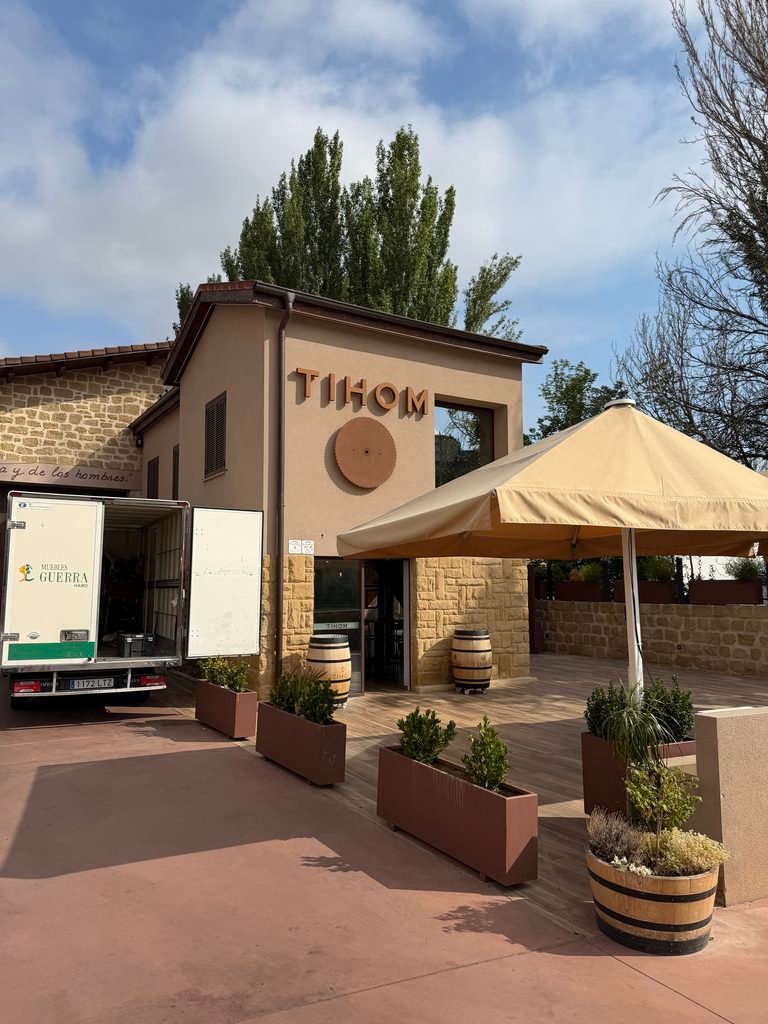
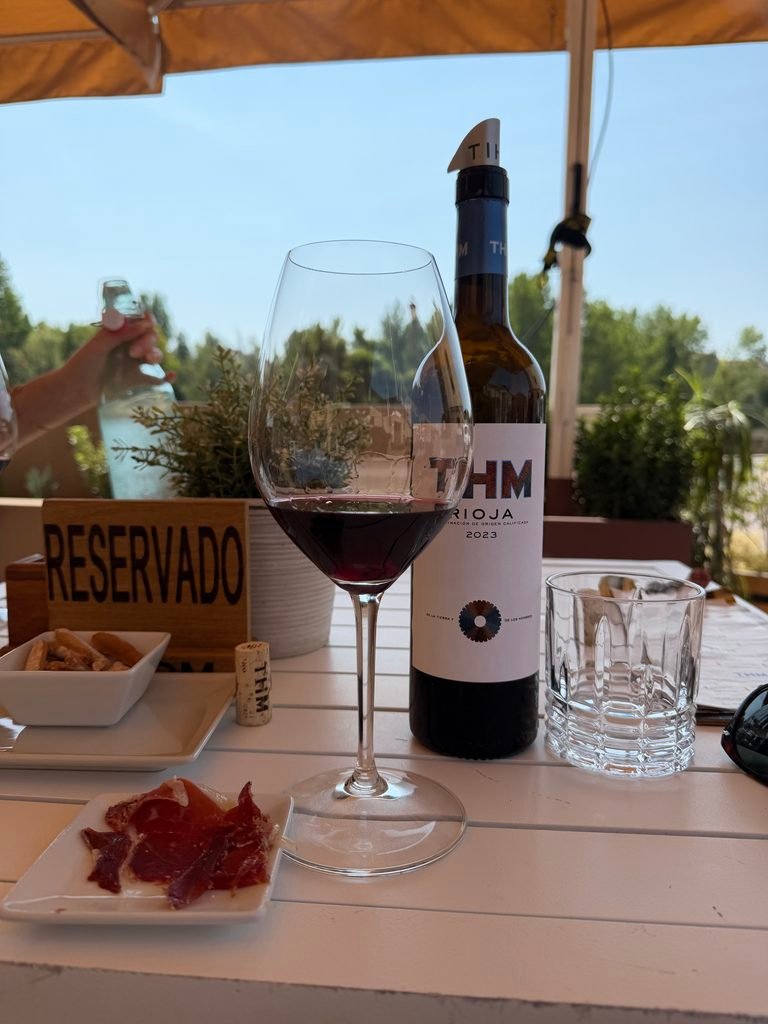
Our guide for the tour, Matteo, delivered one of the better winery experiences I have had anywhere, not just in Rioja. He walked us through the vineyards they use, explained the specific soil composition and microclimate that shapes fruit in this part of Haro, and took real time in the cellar explaining the reasoning behind barrel choices and aging decisions rather than reciting a generic script. That level of genuine engagement, a guide who clearly loves the wine and the place rather than simply running through a rehearsed tour, made all the difference. The tasting that followed felt earned rather than transactional, each wine introduced with real context about how it had been made and why.
For anyone who has spent time at larger, more commercially oriented wineries, a stop like this is a useful reminder of what a smaller, family-driven operation can offer that scale generally cannot: direct access to the people actually making the decisions, and a tour that moves at the pace of genuine curiosity rather than a fixed script designed to move large groups through efficiently.
Afternoon in Elciego: Marques de Riscal and the City of Wine
The drive from Haro to Elciego takes you deeper into Rioja Alavesa, and the contrast on arrival is immediate. Marques de Riscal is anchored by its Frank Gehry-designed hotel, part of the broader City of Wine complex, a building that in its own way echoes the Guggenheim’s approach to architecture as a destination in itself, all sweeping, ribbon-like titanium in the winery’s signature pink, purple and gold tones set against the vineyard-covered hills around the town.
This is a considerably more touristic experience than the morning at Tihom, and it is worth going in with that expectation set correctly. Group sizes are larger, the operation runs with the polish and predictability of a winery accustomed to hosting international visitors at scale, and the tour itself covers more structured ground. But that scale comes with its own advantages. Marques de Riscal’s history stretches back to the mid-nineteenth century, making it one of the oldest wineries in Rioja, and the tour includes access to genuinely old underground cellars, including areas with bottles dating back decades, alongside a tasting that benefits from the winery’s long institutional experience refining exactly this kind of visitor experience.
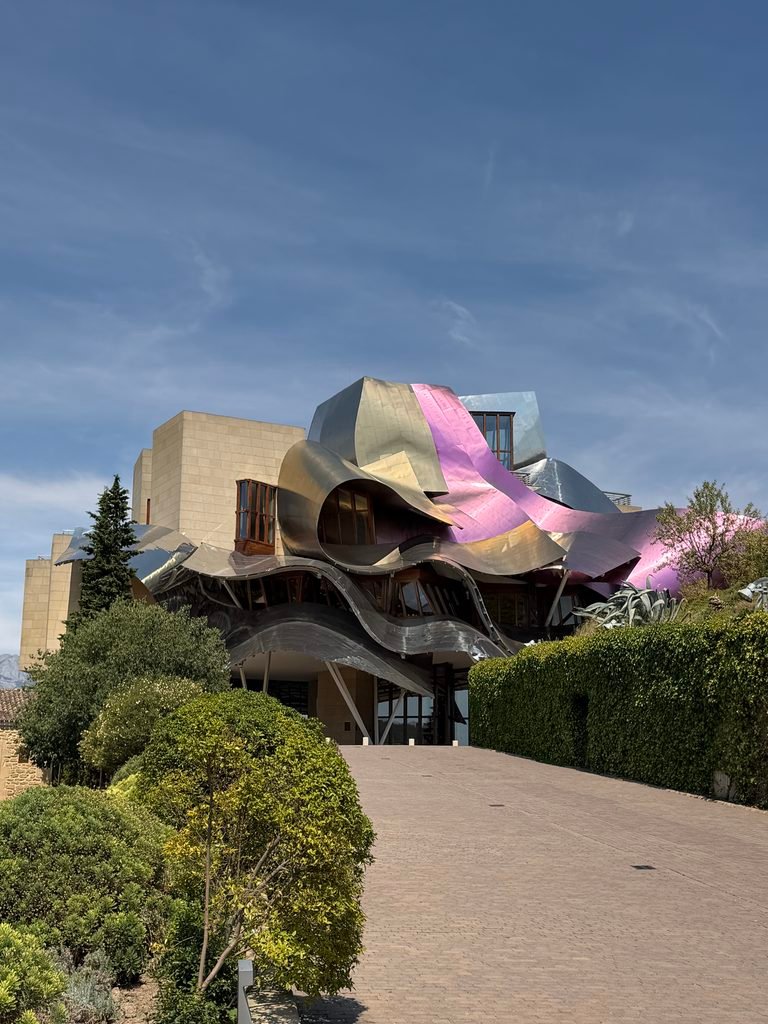
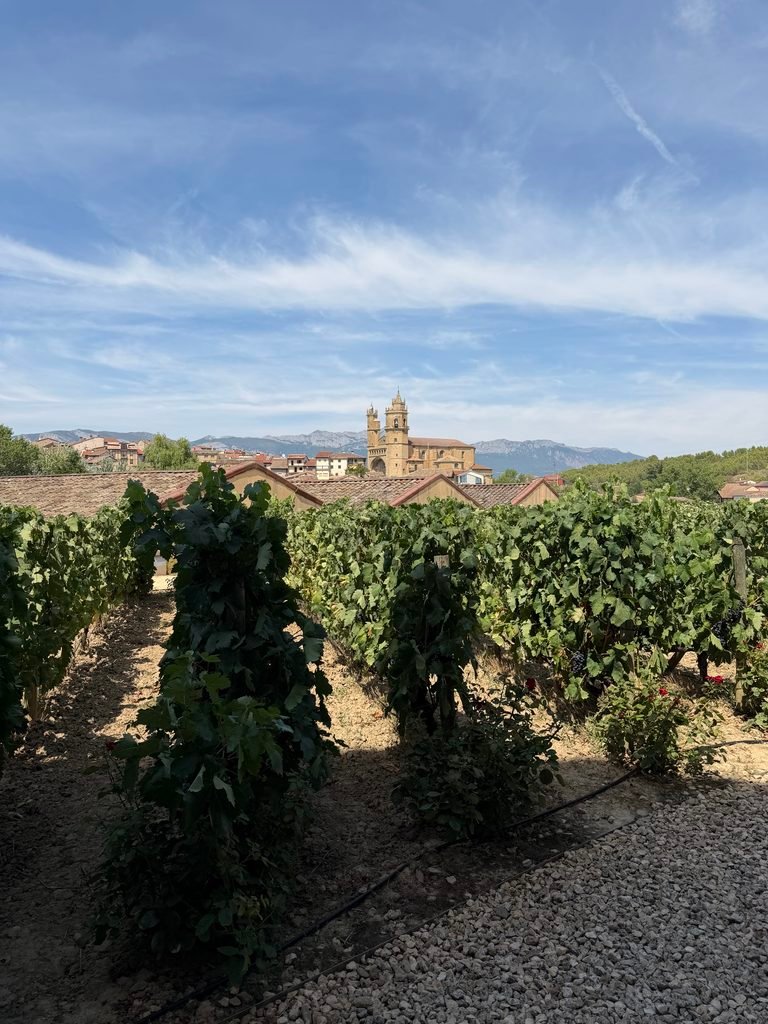
Combining the two wineries in a single day gives a far more complete picture of Rioja than either would alone. The morning at Tihom shows what an individual winemaker with a direct family lineage in the region can produce on a small, personal scale. The afternoon at Marqués de Riscal shows what more than a century and a half of institutional winemaking knowledge, backed by serious capital and world-class architecture, looks like when applied at scale. Neither approach is more legitimate than the other, and seeing both on the same day, roughly an hour and a half from Bilbao’s city center, is one of the more efficient, rewarding day trips available from any major Spanish city.
Practical Notes for Planning Your Own Trip
- Renting a car specifically for the Rioja day trip, even if you rely on the metro and walking for everything else in Bilbao, is worth the extra logistics. Public transport options to Haro and Elciego exist but add significant time and complicate visiting two wineries in different towns within a single day.
- Book both winery visits in advance, particularly Marques de Riscal, which sees consistent demand from visitors basing themselves in Bilbao, San Sebastian, and even Madrid for a Rioja day trip.
- Plaza Nueva gets busy from around 8 pm onward for the evening pintxos crawl. Arriving slightly earlier gives better access to bar counter space before the neighborhood fills up.
- The metro to the Transbordador de Vizcaya takes roughly 25 to 30 minutes from central Bilbao, and the walk onward to Getxo can be shortened or extended depending on how much time you want to spend at the beaches along the way.
- Bilbao’s weather leans wetter than San Sebastian’s for much of the year, given its position slightly further from the open coast and closer to the hills. Packing for rain, even in the warmer months, is a reasonable precaution.
Final Thoughts
Bilbao does not need to borrow San Sebastian’s reputation to justify a trip, and once you have eaten your way through Tolon Tolon, worked a proper circuit around Plaza Nueva, and taken the metro out to walk the coast toward Getxo, it becomes hard to argue that this city deserves anything less than equal billing as a serious food destination in its own right. The Guggenheim gives the city its architectural headline, but the real substance of a Bilbao trip lives in its pintxos bars, its grill restaurants, and in the hour-and-a-half drive out to La Rioja that turns a city trip into a complete regional experience.
That Rioja day trip, small and personal at Tihom in the morning, grand and architectural at Marqués de Riscal in the afternoon, is not optional. It is the single addition that turns a good Bilbao itinerary into the definitive one, and it belongs on every version of this trip regardless of how many other stops you manage to fit in around it.