Pfalz Wine Region: Germany’s Sunniest Wine Route Explored
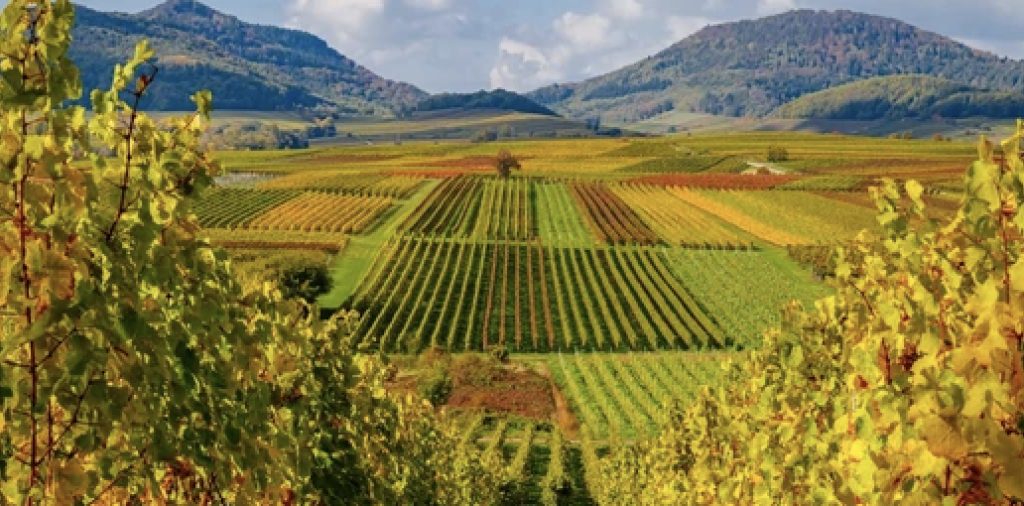
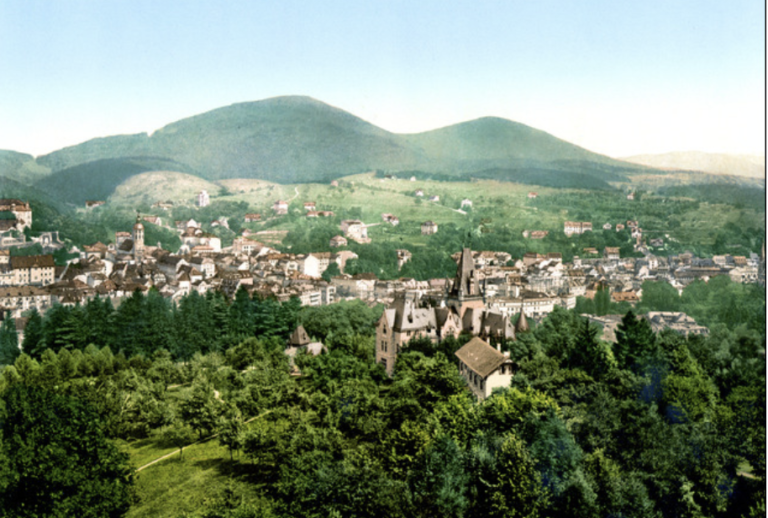
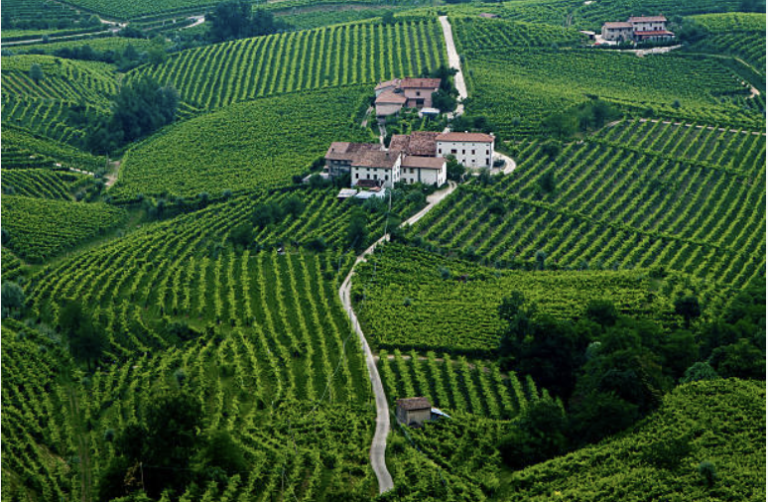
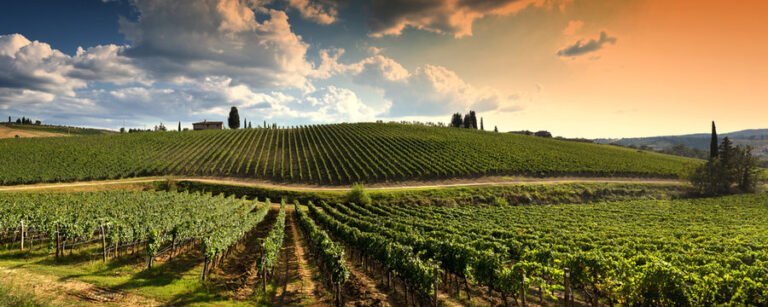
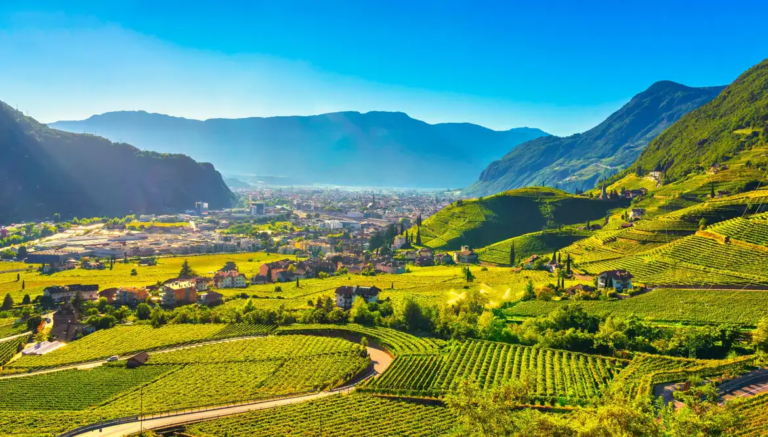
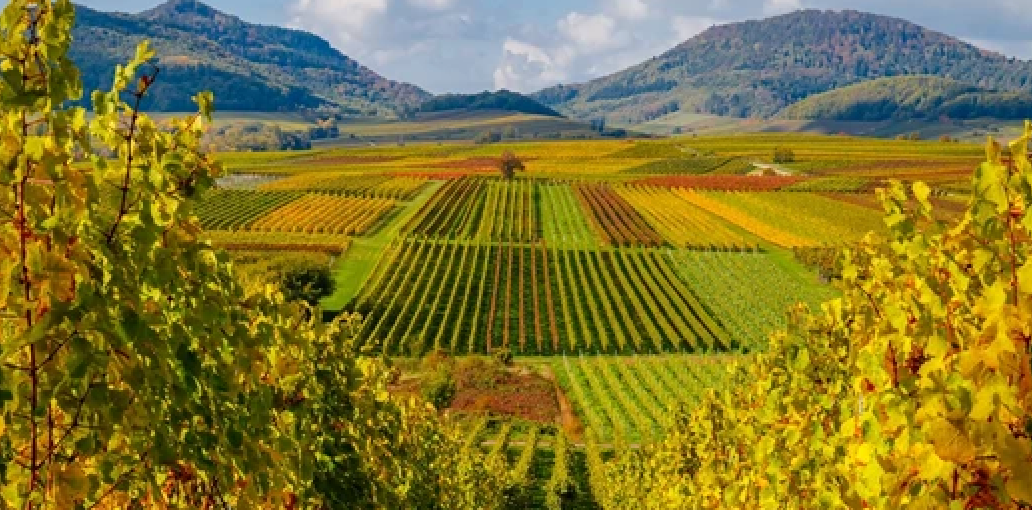
There is a moment, driving south along the Deutsche Weinstrasse in September, when you understand exactly why the Romans settled here. The Haardt mountains sit at your back, blocking Atlantic rain; the Rhine plain stretches golden ahead of you; and vines press right to the roadside, close enough to brush the car window. The Pfalz has been producing wine for at least two thousand years, and it shows, not in a museum-piece way, but in the quiet confidence of a region that has never needed to explain itself.
For a long time, wine lovers outside Germany underestimated the Pfalz. The Mosel got the magazine covers; the Rheingau got the prestige. But over the past two decades, a generation of growers in the Mittelhaardt has quietly repositioned the conversation. The top Rieslings from Forst, Deidesheim, and Wachenheim now compete seriously with the finest German wines produced anywhere, and the region’s Spätburgunder has become a benchmark for serious German Pinot Noir. If you have not been paying close attention, the Pfalz has moved.
This guide is for those who want to understand it properly: the terroir, the producers worth visiting, the wines worth cellaring, and how to actually plan a trip along one of Europe’s most rewarding wine routes.
Where the Pfalz Sits and Why It Matters
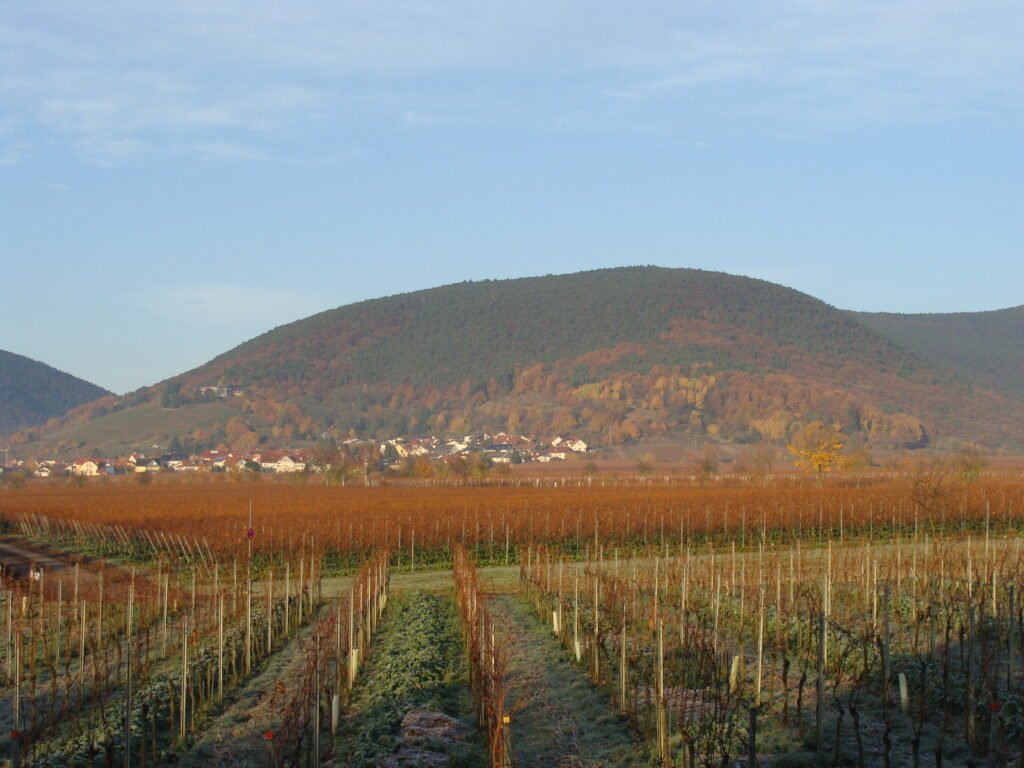
The Pfalz is Germany’s second-largest wine region, covering around 23,500 hectares of vineyards in the state of Rhineland-Palatinate, in the country’s southwest corner. It runs roughly 85 kilometres from north to south, from Bockenheim in the Leiningerland down to Schweigen-Reichenbach on the French border, where you are just a few kilometres from Alsace.
Two districts divide the region. The Mittelhaardt-Deutsche Weinstraße covers the northern and central section, including the famous villages of Kallstadt, Bad Dürkheim, Wachenheim, Forst, Deidesheim, and Ruppertsberg. This is where the region’s most celebrated Riesling vineyards are concentrated. The Südliche Weinstraße covers the southern stretch, where the focus shifts noticeably toward Burgundian varieties, Weißburgunder, Grauburgunder, and Spätburgunder. Though excellent Riesling still exists here too, particularly around Birkweiler and the Kastanienbusch vineyard.
The Pfalz has a genuine climatic advantage. The Haardt mountains, an extension of the Vosges range across the Rhine in France, act as a rain shadow, keeping the region notably drier and sunnier than most of Germany. Annual sunshine hours rival parts of Alsace. This warmth gives the wines a richer, more textured quality than you typically find in the Mosel: Pfalz Rieslings tend toward broader shoulders, more stone fruit, and a rounder body, while still carrying the region’s characteristic mineral spine.
Geologically, the Mittelhaardt is fascinatingly varied. Limestone reefs run through the villages of Kallstadt and Ungstein, giving wines from those vineyards a stony precision. Basaltic volcanic soils dominate in Forst, where the Kirchenstück vineyard produces some of the most expensive and long-lived Rieslings in Germany. Between Wachenheim and Gimmeldingen, weathered Bunter sandstone takes over, lending wines a softer, more immediately expressive character. This soil diversity within a compact geographic area is one reason the Mittelhaardt rewards close attention: no two villages taste the same.
Understanding the VDP Classification
One framework worth knowing before you visit is the VDP system, the Verband Deutscher Prädikatsweingüter, a private association of quality-focused German estates that operates its own vineyard classification. For the Pfalz, this matters a great deal, because many of the region’s best producers are VDP members, and the classification shapes how wines are labeled and priced.
The pyramid works as follows: at the base are VDP. Gutsweine (estate wines, regional character); above that, VDP. Ortsweine (village wines, with the village name on the label); then VDP. Erste Lage (Premier Cru equivalent, single vineyards of high quality); and at the apex, VDP. Grosse Lage, with the dry wine called Grosses Gewächs (GG), which is the German equivalent of a Grand Cru.
It is worth knowing that Dr. Bürklin-Wolf, one of the Pfalz’s flagship estates, developed its own Burgundy-style classification in 1994, using G.C. (Grand Cru) and P.C. (Premier Cru) designations, well before the VDP formalised its own system. The VDP later drew inspiration from this approach. When you see those initials on a Bürklin-Wolf bottle, you understand both the wine’s place in the hierarchy and the estate’s long commitment to terroir-led quality.
The Villages and Vineyards That Define the Mittelhaardt
Forst and Deidesheim: The Historic Heart
Forst is the Pfalz village with perhaps the longest reputation for serious wine. The Kirchenstück, Pechstein, Jesuitengarten, and Ungeheuer are the headline sites, and wines from these vineyards carry a weight and complexity that justifies their status. The basalt-enriched soils around Forst retain heat well, giving Rieslings here a richness that is not found in cooler parts of the region. At their best, aged Forster Rieslings develop a distinctive minerality, layered fruit, and a long, almost saline finish.
Deidesheim, a short drive south, is the most charming town on the Weinstrasse for visitors: beautifully preserved historic architecture, excellent restaurants, and several of the region’s great estates either based here or with major holdings nearby. The Hohenmorgen, Langenmorgen, Leinhöhle, and Grainhübel are among Deidesheim’s celebrated vineyard sites. Wines from here tend toward a slightly more elegant, delicate register than those from Forst, with notable floral lift.
Wachenheim: Precision Riesling on Sandstone
Wachenheim sits just north of Deidesheim, and its Rieslings have a character partly shaped by that Bunter sandstone. The Goldbächel, Gerümpel, and Altenburg are key sites, and wines from good producers here often show a particular combination of richness and restraint, powerful in structure but not flamboyant in the way that warmer southern sites can be. This is Riesling for the cellar rather than the moment.
Kallstadt: Limestone, Scheurebe, and Something Different
Further north, Kallstadt sits on a limestone reef that produces wines with a different energy, more tension, more salinity, with a mineral backbone that is unmistakable. The Saumagen is the most famous site, a south-facing amphitheatre of limestone marl that has historically produced exceptional Riesling and Scheurebe. Koehler-Ruprecht’s legendary Kallstadter Saumagen wines, aged sometimes for decades in the cellar, have given this vineyard a cult following among German wine obsessives.
Four Wineries Worth Visiting in the Pfalz
1. Weingut Dr. Bürklin-Wolf, Wachenheim
If there is one estate that defines the ambition of the Pfalz, it is probably Dr. Bürklin-Wolf. The winery traces its roots to 1597, making it one of the oldest in Germany, and is now in its 22nd generation of family ownership. Bettina Bürklin-von Guradze took over from her father in 1990 and has since transformed the estate into Germany’s leading biodynamic producer at serious scale.
The conversion to biodynamics, which began in the 1990s and was completed across all 86 hectares by 2005, was a landmark moment in German viticulture. Dr. Bürklin-Wolf was the first German producer to receive certification from Biodyvin, the same body that certifies Domaine Leflaive and Domaine de la Romanée-Conti. That connection is not a marketing point; it reflects a genuine philosophical alignment between how these estates think about soil health, vine balance, and the transmission of terroir into the bottle.
The best vineyards are still ploughed by horse. Fermentation is entirely spontaneous. The wines rest on full lees in traditional large wooden casks. The top wines: the G.C. bottlings from Kirchenstück, Jesuitengarten, Pechstein, Gaisböhl, Hohenmorgen, and others, are wines for the cellar, typically needing five to ten years of age before they open properly.
Visits should be pre-arranged, and the estate runs structured tastings by appointment. Autumn is particularly worthwhile if you want to see the harvest in progress. Expect serious, focused conversation about the wines and the land; this is not a tourist-oriented experience.
What to try: The estate Riesling Trocken is an excellent introduction to the house style. For those willing to spend more, the P.C. bottlings from Wachenheim or Ruppertsberg show the mid-tier quality at a more accessible price than the full G.C. range.
Address: Weinstraße 65, 67157 Wachenheim | Website: buerklin-wolf.de
2. Weingut von Winning, Deidesheim
Von Winning has had one of the more interesting trajectories of any Pfalz estate in recent memory. Founded in 1849 and historically one of the “Three Bs” of the Pfalz alongside Bassermann-Jordan and Reichsrat von Buhl, it went through a period of decline before being acquired in 2002 (along with Bassermann-Jordan) by entrepreneur Achim Niederberger, who reunited the group and invested seriously in quality.
Since then, the estate has refined its winemaking considerably. The focus is on dry Riesling and Pinot-family whites from top sites in Forst, Deidesheim, and Ruppertsberg, with fermentation in large foudres and a style that emphasises the terroir of each site rather than house character. The Dragon Riesling, available from Decantalo among others, represents the more accessible entry point to the range.
The tasting room in Deidesheim is one of the more visitor-friendly in the Mittelhaardt: there is no heavy formality here. Walk-in tastings are often possible, guided by staff who know the range well and pour without pressure. The architecture of the estate building is worth seeing in its own right, and the location in the heart of Deidesheim makes it easy to combine with lunch at one of the town’s excellent restaurants.
What to try: The Forster Pechstein and Kirchenstück bottlings are the estate’s showpieces. The entry-level white wines offer a straightforward way into the von Winning style before committing to a GG.
Address: Weinstraße 10, 67146 Deidesheim | Website: von-winning.de
3. Weingut A. Christmann, Gimmeldingen
The Christmann estate has been in the same family for several generations and represents one of the Pfalz’s most thoughtful approaches to biodynamic viticulture. Steffen Christmann served as president of the VDP for many years and has been a central figure in the German quality wine movement, which gives the estate an authority that extends well beyond the Pfalz itself. His daughter Sophie, trained at Geisenheim and with experience in Bordeaux and Australia, is now working closely with him and bringing a younger perspective to a deeply traditional estate.
The vineyards are spread across several villages including Gimmeldingen, Königsbach, and Ruppertsberg, with holdings in premium sites including the Gimmeldinger Mandelgarten and Königsbacher Idig. The Idig is particularly distinctive: a sheltered, warm site on weathered sandstone that produces Rieslings of unusual concentration and longevity.
Visits are by appointment, and the estate has a reputation for thoughtful hospitality. Given its location just outside Neustadt, it is easily reachable and pairs well with a broader exploration of the town.
What to try: The Idig Grosses Gewächs is the estate’s most celebrated wine. The estate Riesling GG is consistently strong year-on-year and gives a clear picture of the Christmann style.
Address: Peter-Koch-Straße 43, 67435 Neustadt-Gimmeldingen | Website: weingut-christmann.de
4. Weingut Rings, Freinsheim
Weingut Rings is the Pfalz’s most compelling recent success story. Brothers Steffen and Andreas Rings took over a mixed fruit and bulk wine farm in the early 2000s and have built, in roughly twenty-five years, an estate that sits comfortably among the finest in Germany. VDP membership came in 2015; top wine guides now rank them among the very best.
The Rings brothers work 44 hectares organically, with sites in and around Freinsheim, Kallstadt, and Ungstein. Their approach in the cellar is strikingly consistent: spontaneous fermentation, extended lees ageing in large wooden casks, low yields, no shortcuts. The wines cover a full range from gutsweine through to Grosse Lage bottlings, and the quality across the entire pyramid is unusually high.
What makes Rings particularly interesting for wine travel is the new winery, completed in 2018, which is built almost entirely underground into the Schwarzes Kreuz vineyard. Around 70 percent of the facility is below ground, with a design that uses the natural insulation of the earth. It is one of the more architecturally arresting winery buildings in Germany, and the guided cellar visit is genuinely worth making the trip to Freinsheim for.
The town of Freinsheim itself has retained its medieval walls almost intact, making it one of the more visually satisfying stops on the northern Weinstrasse.
What to try: The Saumagen Grosses Gewächs (Riesling from the Kallstadter Saumagen) is the headline wine. The Weilberg GG (Spätburgunder from Ungstein) shows what the brothers do with Pinot Noir. Both repay cellaring.
Address: Am Gottesacker 10, 67251 Freinsheim | Website: weingut-rings.de | Opening hours: Mon–Fri 13–17h, Sat 10–17h (outside hours by appointment)
Wines to Buy Online
If you cannot make the trip, or want to extend the experience at home, the following bottles are worth tracking down. All are available at one or more of the retailers listed.
Dr. Bürklin-Wolf Riesling Trocken
Available at: Decantalo (decantalo.com)
This is the estate entry point and a reliable way into the Bürklin-Wolf style without the price commitment of the P.C. or G.C. wines. Made from grapes across the Wachenheim, Deidesheim, and Ruppertsberg vineyards, the wine is fully dry, biodynamically farmed, and naturally fermented. It shows the characteristic Pfalz combination of stone fruit richness and mineral acidity, with the texture and length that makes this region’s Rieslings so food-friendly. A useful reference wine for understanding why the Mittelhaardt matters.
Best paired with: Alsatian-style tarte flambée, pan-roasted sea bass, soft rind cheese.
Von Winning Dragon Riesling
Available at: Decantalo (decantalo.com)
The Dragon Riesling is von Winning’s most accessible label, drawing from plots across the estate’s holdings in Forst, Deidesheim, and Ruppertsberg. The wine ferments in traditional foudres and spends time on its lees before bottling, giving it more textural interest than a simple tank-fermented entry-level wine. Expect white stone fruit, a touch of citrus pith, clean acidity, and a mineral finish that clearly comes from good limestone and basalt soils. It is a well-made, genuine expression of Pfalz Riesling at a price point that rewards exploration.
Best paired with: Grilled freshwater fish, light pasta with cream sauce, Asian-spiced chicken dishes.
Villa Wolf Pinot Noir (VDP Pfalz)
Available at: Decantalo (decantalo.com)
Villa Wolf is a winery in the Pfalz with roots going back to 1756 and has been under the direction of Ernst Loosen since 1996, the same Loosen behind the celebrated Dr. Loosen estate on the Mosel. The Pinot Noir is fermented in cement tanks, cold-macerated before fermentation to preserve freshness, and bottled with a light touch that makes it approachable young while still having genuine structure. Sandy loam soils give the wine a fruit-forward, supple character with red berry fruit and a gentle earthiness. For those who want to explore Pfalz red wine without spending Grand Cru prices, this is an honest and well-made starting point.
Best paired with: Duck breast, wild mushroom risotto, mild charcuterie
Koehler-Ruprecht Kallstadter Steinacker (Riesling or Pinot varieties)
Available via: Check Colaris and Decantalo for current listings; also available directly from the estate (koehler-ruprecht.com)
Koehler-Ruprecht in Kallstadt is one of the most individualistic estates in the Pfalz, with a tradition going back centuries and a resolutely traditional winemaking approach that has survived multiple changes of ownership. Under Dominik Sona, who took over in 2011, the estate has returned to top form. All wines ferment spontaneously in traditional wooden casks. The Steinacker, planted on that limestone reef running through Kallstadt, produces Rieslings and Pinot-family wines with a distinctive stony minerality that sets them apart from the richer, warmer style of the Forst villages further south.
These wines often need time, sometimes quite a lot of it, and reward those prepared to wait. The Saumagen site is the most celebrated, but Steinacker offers a strong introduction to the Kallstadt terroir at a more accessible price.
Best paired with: Fresh water crayfish, scallops, firm aged goat cheese.
Practical Travel Information
Getting There
Frankfurt Airport is the most convenient international hub, roughly 90 minutes by car from the northern Weinstrasse. Stuttgart Airport is also viable, particularly if you are approaching from the south. By train, regional services connect the larger towns including Bad Dürkheim, Neustadt an der Weinstrasse, and Landau, with local bus connections to the smaller villages. The Rheinland-Pfalz-Ticket gives unlimited daily travel on regional trains and is useful for a day of exploration by rail.
By car is still the most flexible approach, though it requires a designated driver for serious tasting. The B271 runs the length of the Weinstrasse and is an enjoyable drive in its own right, passing through vineyards, orchards, and a succession of handsome villages.
Where to Base Yourself
Deidesheim is the most refined choice: excellent hotels, two Michelin-starred restaurants, and several top estates within walking distance. The Deidesheimer Hof is the landmark hotel in town, combining historic architecture with genuine wine focus.
Bad Dürkheim is a practical spa town at the northern end of the Mittelhaardt, with good transport links and a range of accommodation. The annual Wurstmarkt, held in September, is the world’s largest wine festival and worth attending once, though accommodation books up months in advance.
Neustadt an der Weinstrasse is the largest town and offers the widest range of accommodation and dining options, with easy access to both the Mittelhaardt and the southern Weinstrasse.
When to Go
The Pfalz works in almost any season for wine tourism, but the most rewarding times are late spring (May to June), when the vines are in full growth and the weather is warm without being overwhelming, and autumn (September to October), when harvest is underway and the light across the vineyards is exceptional. September is also when Bad Dürkheim holds its Wurstmarkt, which fills the town completely.
Avoid August if you want quiet tasting rooms: the region is popular with German holidaymakers and most wineries are at their busiest.
Combining the Pfalz with Alsace
The Pfalz shares its southern border with Alsace, and crossing into France for a day or two adds a fascinating comparative dimension to any trip. The vineyards, grape varieties, and even some of the wine village architecture feel surprisingly similar once you understand the shared geological history. The towns of Wissembourg and Colmar are both within easy reach.
A Note on Ageing Pfalz Riesling
One thing that surprises many wine lovers discovering the Pfalz for the first time is how age-worthy the top Rieslings are. This is not a young wine region in terms of style. The best Grosses Gewächs bottlings from Bürklin-Wolf, Christmann, Bassermann-Jordan, or von Winning are typically released two to three years after harvest and are still relatively tight when they arrive. The full complexity the development of secondary notes like beeswax, stone, dried apricot, and petrol (in the best sense), generally requires another five to ten years of careful cellaring.
This is Riesling in its most intellectual mode: wines designed not for instant gratification but for the long conversation between bottle and cellar. If you buy a GG from a top Pfalz producer, put it away and open it in ten years. The rewards are substantial.
The Bigger Picture: Why the Pfalz Deserves More Attention
The Pfalz has spent much of the past century being underestimated. Some of that was the fault of the German wine industry itself, which spent decades promoting sweet, cheap Liebfraumilch to export markets while the real quality sat undiscovered in the cellars of the Mittelhaardt. That era is definitively over. The estates worth knowing about in the Pfalz today are making wines of serious international calibre, biodynamically farmed, spontaneously fermented, site-specific, and built for the long term.
What the Pfalz has over comparable regions is a warmth and generosity that can make even serious wines feel approachable. The landscape is beautiful without being theatrical. The villages along the Weinstrasse are genuinely pleasant to spend time in. The food, rooted in Palatinate traditions of sausage, game, and seasonal vegetables, pairs instinctively well with the wines. Restaurants of real quality have appeared in Deidesheim and Neustadt over the past decade.
For wine travellers who have done Burgundy and Alsace but not the Pfalz, this is the obvious next chapter. For those who have visited Germany before but only explored the Mosel, the Pfalz offers a fascinatingly different side of what German viticulture is capable of: richer, warmer, and in its own way, just as technically demanding to understand well.
The Deutsche Weinstrasse is 85 kilometres long. That is enough for a long weekend to scratch the surface, and a lifetime to understand properly.
Quick Reference: Pfalz at a Glance
Region: Rhineland-Palatinate, southwest Germany Size: ~23,500 hectares of vineyards Key villages (Mittelhaardt): Forst, Deidesheim, Wachenheim, Kallstadt, Ruppertsberg, Bad Dürkheim, Freinsheim Signature white grape: Riesling (approx. 25% of total plantings) Significant red grape: Spätburgunder (Pinot Noir) Other varieties: Dornfelder, Weißburgunder, Grauburgunder, Scheurebe, Müller-Thurgau Key classification: VDP (Grosse Lage / Erste Lage pyramid) Best vintage years (recent): 2017, 2019, 2020, 2021, 2022 Main wine festival: Wurstmarkt, Bad Dürkheim (September) Nearest airport: Frankfurt (approx. 90 minutes by car)