Berlin, Course by Course: The Restaurants, Wine Bars and Beer Gardens Worth Your Time
Berlin does not sell itself as a food city the way Paris or Barcelona does, and that is precisely what makes eating well here so satisfying. There is no single dominant culinary identity to lean on, no centuries old market hall acting as the obvious starting point for every visitor. Instead, the city’s food and wine scene has grown the way most things in Berlin seem to grow, unevenly, a little underground, and often in spaces that used to be something else entirely, a former brewery, an old workshop, a courtyard nobody expected to become a destination.
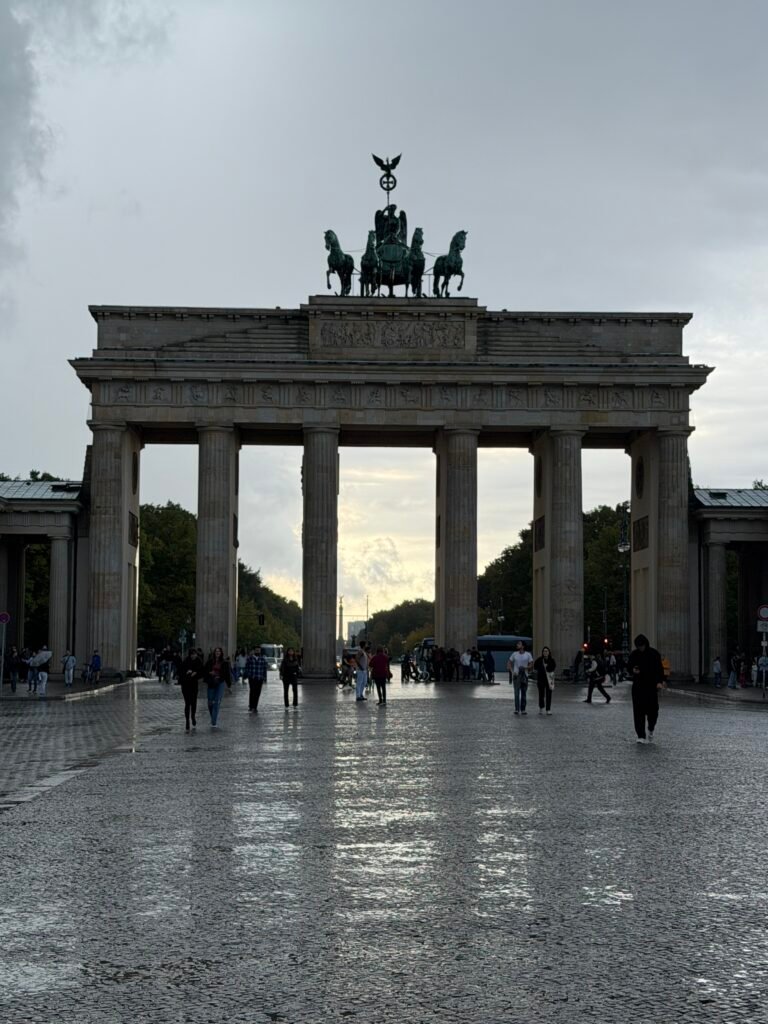
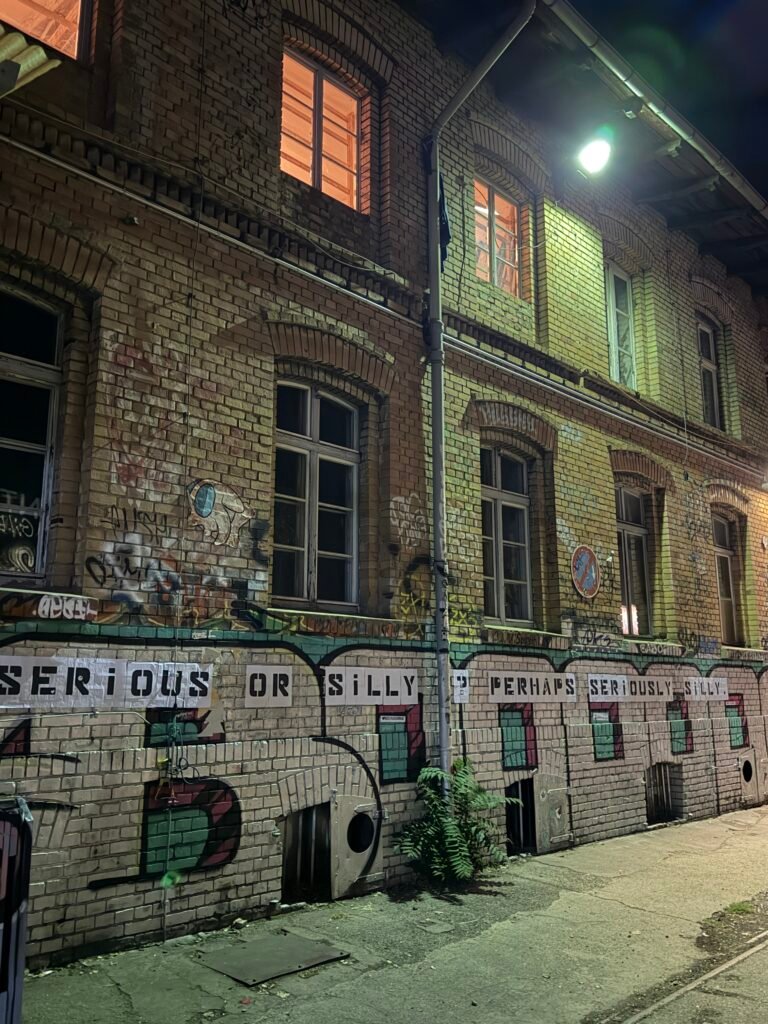
To understand why, it helps to understand what this city actually went through in the past century, because almost nothing about modern Berlin makes sense without it.
A City Shaped by Division: Why Berlin Is the Way It Is
Berlin was flattened, quite literally, during the Second World War. Allied bombing campaigns and the brutal ground fighting of the Battle of Berlin in 1945 left much of the city center in ruins, and the rebuilding that followed did not happen under a single coherent plan. Instead, it happened under four separate occupying powers, American, British, French and Soviet, who divided the city into sectors that would define its shape for the next four and a half decades.
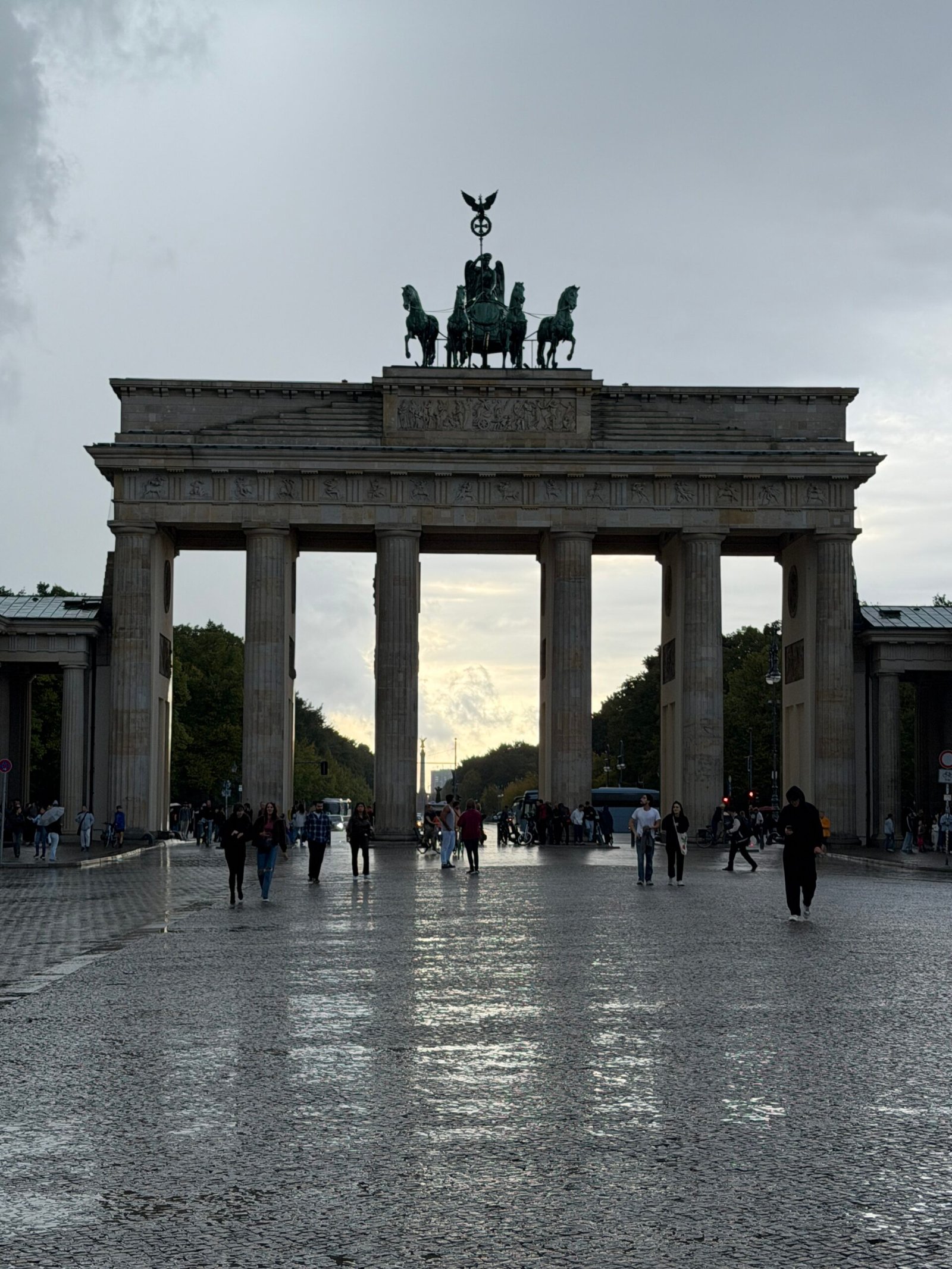
That division hardened in 1961 with the construction of the Berlin Wall, splitting the city physically and ideologically down the middle. West Berlin became an isolated capitalist enclave deep inside East German territory, sustained in its earliest years by the Berlin Airlift and later by significant West German subsidy, while East Berlin developed under Soviet influence as the showcase capital of the German Democratic Republic. Two entirely different economic systems, two different urban planning philosophies, and two different cultures of daily life developed within a few kilometers of each other, separated by a wall, guard towers, and a death strip that ran straight through what had once been a single city.
When the Wall fell in 1989 and Germany reunified the following year, Berlin did not simply stitch itself back together. Large parts of the former East, including much of what is now the fashionable Mitte and Prenzlauer Berg, were left with crumbling, undervalued buildings and a fraction of the population density the areas had once held, since many residents had left for the West over the preceding decades. That combination, cheap rent, abundant space, and a lack of established commercial expectations for what a given building should be used for, created exactly the conditions that allowed artists, small restaurateurs and independent wine bar owners to move into spaces that would be entirely unaffordable in almost any other major European capital.
This history is the actual answer to why Berlin’s food and drink scene feels the way it does, decentralized, a little improvised, and full of restaurants and bars operating out of buildings that clearly used to be something else. Reunification did not produce a single new culinary identity for the city. It produced dozens of neighborhood level ones, each shaped by its own specific mix of leftover Cold War infrastructure and whoever happened to move in once rent became cheap enough to take a risk. Mitte leaned into a mix of fine dining and heritage buildings turned restaurants, Prenzlauer Berg built a genuinely strong small wine bar culture, and Neukolln pulled in a younger, more experimental crowd drawn by the same low rents that had shaped Mitte a decade or two earlier.
That looseness is the appeal. This guide covers the restaurants, wine bars and beer gardens that have earned a genuine, repeat place in my own rotation, from a number one pick that never disappoints to the kind of neighborhood wine bar that only locals tend to know about, alongside a handful of activities that trace this same Cold War history directly, and a look at how Berlin’s wine lists connect back to Germany’s own vineyards. None of what follows requires an elaborate plan to enjoy. Berlin rewards curiosity and a willingness to wander more than it rewards a tightly scheduled itinerary, and the recommendations below work best treated that way.
A Few Fun Facts About Berlin
- Berlin is home to more bridges than Venice, a statistic that regularly surprises first time visitors given how little the city’s canal and river network gets discussed compared to its more famous landmarks.
- The city has one of the highest concentrations of Michelin starred restaurants in Germany, alongside a natural wine and small bar scene that has grown rapidly over the past decade, largely independent of that Michelin recognition.
- Berlin’s beer garden tradition, Biergarten culture, dates back to Bavarian brewing practices from the nineteenth century, when beer was stored in shaded outdoor cellars to keep it cool through the summer months, and drinking on site around those cellars eventually became its own social institution.
- Tiergarten, the large central park that hosts one of the city’s most beloved beer gardens, was originally laid out as royal hunting grounds before being transformed into public parkland in the eighteenth century.
- Berlin’s wine culture has shifted noticeably toward natural and low intervention wine over the past ten to fifteen years, with a wave of small, focused wine bars opening across neighborhoods like Prenzlauer Berg and Neukolln, often run by a single dedicated owner rather than a larger hospitality group.
Restaurants Worth Building an Evening Around
PeterPaul: The Number One Recommendation
If I am only allowed to recommend one restaurant in Berlin, it is PeterPaul, and it is not particularly close. Set right in the middle of the city, this is the kind of restaurant that gets nearly everything right at once, a menu that changes with real seasonal discipline rather than a token nod to the calendar, a wine list built with genuine care rather than simply padded out with recognizable names, and a room that manages to feel both polished and comfortable at the same time.
What keeps pulling me back is the consistency. Plenty of restaurants can produce one exceptional dish on a good night. PeterPaul produces an exceptional meal, start to finish, on every visit, and that kind of reliability across a full multi course dinner is harder to achieve than it looks. The kitchen leans into confident, technique driven cooking without ever tipping into showiness for its own sake, letting a well sourced ingredient stay the focus of the plate rather than getting buried under unnecessary flourishes.
The wine program deserves equal mention. Rather than defaulting to a list built for volume, the selection favors bottles chosen to actually work with the food, and the staff are genuinely willing to talk through pairing decisions rather than simply pointing toward the most expensive options on the page. That kind of thoughtful service, paired with a kitchen operating at this level of consistency, is a rare combination even among Berlin’s better known restaurants, and it is the reason PeterPaul remains the first name I mention whenever anyone asks where to eat in the city.
Book ahead, particularly for a weekend evening, and give the meal proper time. This is not a restaurant to rush through on the way to somewhere else.
Katz Orange: A Berlin Institution for a Reason
Katz Orange occupies a converted brewery courtyard in Mitte, and the setting alone does a lot of the early work in making a meal here feel like an occasion. But the kitchen backs it up, with a menu built around thoughtful, often slow cooked preparations and a clear commitment to quality sourcing that shows in everything from the vegetables to the meat.
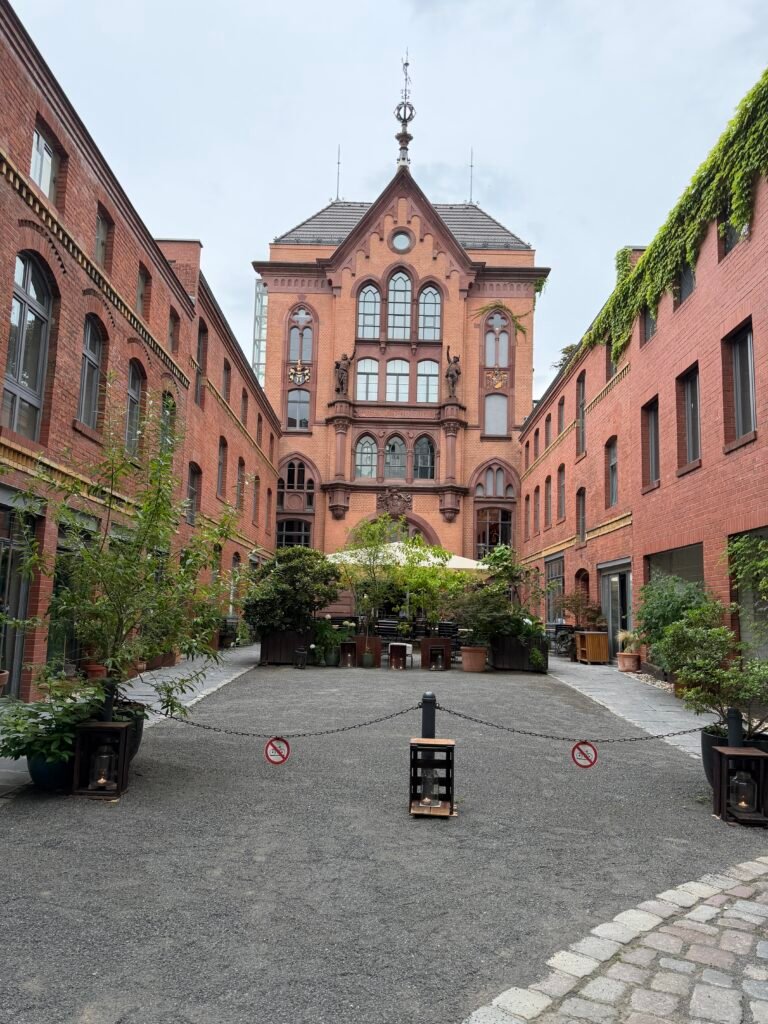
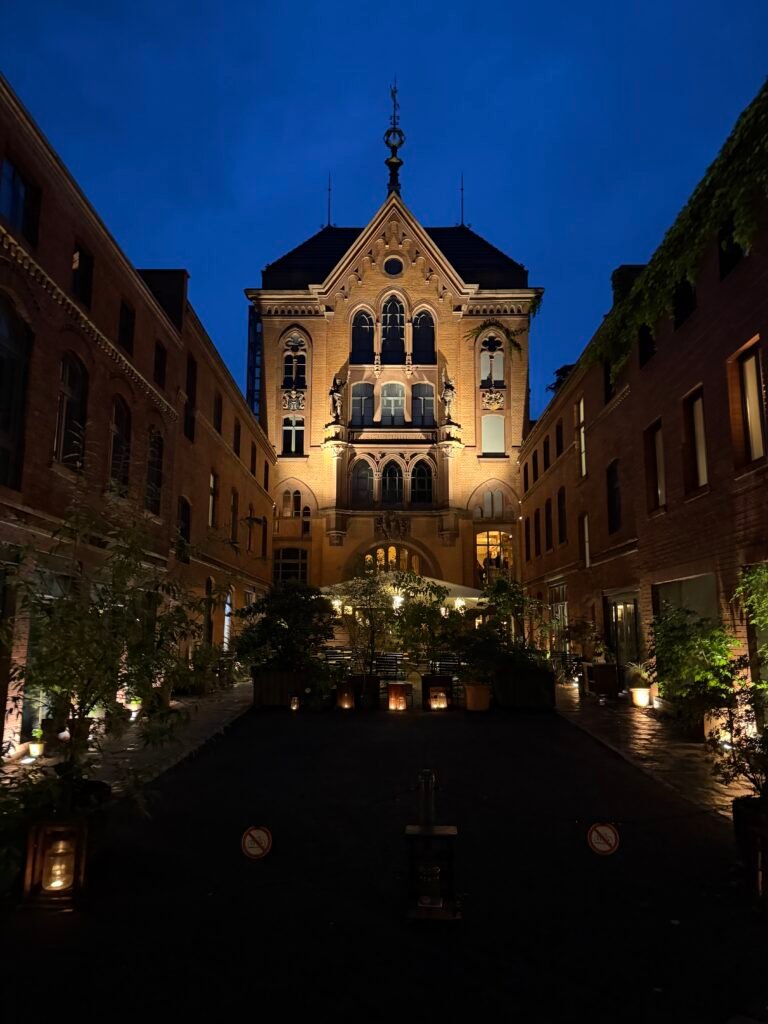
The restaurant has built a loyal following over the years, and deservedly so. It manages a difficult balance, feeling special enough for a proper night out while staying warm and unpretentious enough that it never feels stiff. Part of that comes down to how the space itself is used. The old industrial bones of the building, exposed brick, high ceilings, the sense that this space had a working life before it became a restaurant, give the room a character that a purpose built dining room rarely manages to replicate. The courtyard setting in warmer months adds another layer entirely, giving the whole experience an outdoor, slightly hidden away quality that suits Berlin’s habit of turning unexpected spaces into some of its best dining rooms.
Portions here lean generous rather than restrained, in keeping with the restaurant’s broader philosophy of confident, comforting cooking rather than delicate, minimalist plating. That makes Katz Orange a particularly good choice for a group dinner, where sharing several dishes across the table suits both the food and the relaxed energy of the room.
Weinlobbyist: Exceptional Food, Even More Exceptional Wine
Weinlobbyist earns its place on this list primarily because of what is happening in the glass, though the food absolutely holds its own. This is a restaurant built around a genuinely impressive wine list, deep, well curated, and clearly assembled by someone with real personal conviction about what belongs on it rather than a list built purely around recognizable, safe names.
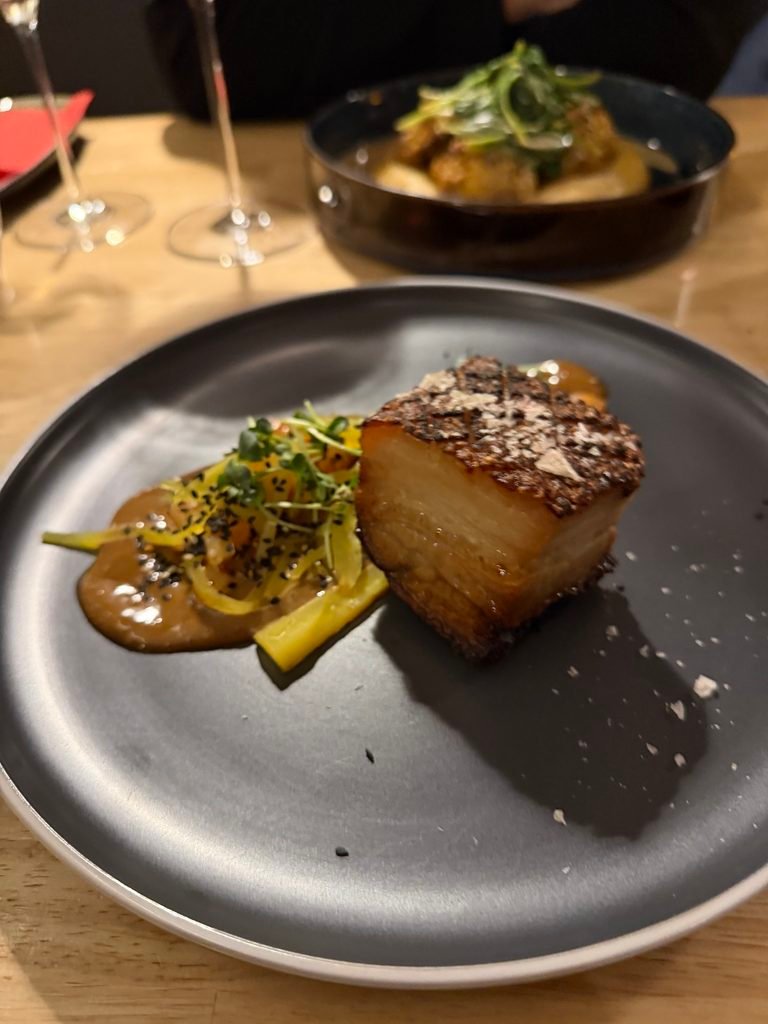
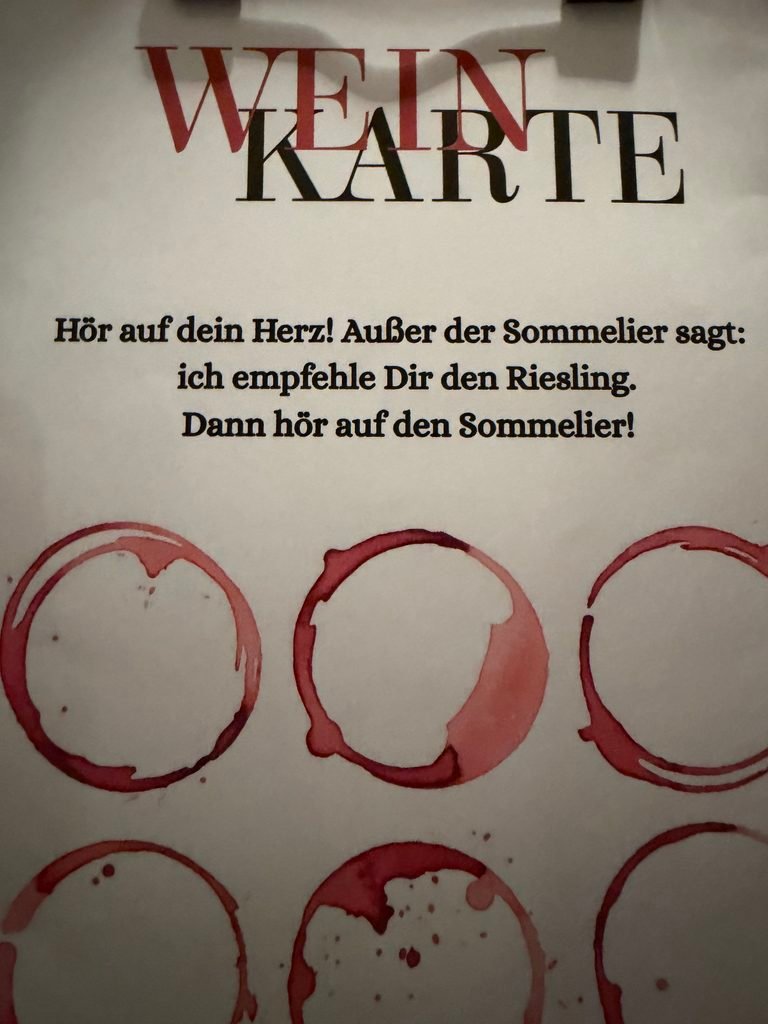
The kitchen understands its role here, cooking dishes that are precise and well balanced without ever trying to upstage the wine program, which is exactly the right instinct for a restaurant with a list this strong. Dishes tend to be built with pairing in mind from the start, rather than a wine list bolted onto a menu designed independently of it, and that intentionality shows in how well individual courses work alongside whatever ends up in the glass beside them.
For anyone who plans meals around what they are going to drink as much as what they are going to eat, Weinlobbyist should be near the top of a Berlin list. Go in with an open mind about what to order from the wine list rather than defaulting to something familiar, and let the staff steer you toward whatever bottle is drinking particularly well that week. That kind of willingness to be guided tends to produce the most memorable pairings of the evening.
Kink: Laidback, and All the Better for It
Kink sits at the more relaxed end of this list, a place with a genuinely laidback atmosphere that never feels like it is trying too hard to impress. That casual energy is part of the draw. After a run of more formal meals, Kink offers a welcome change of pace, good food and a comfortable room without the ceremony that comes with some of Berlin’s more serious dining destinations.
It works particularly well as a starting point for an evening rather than the single anchor of the night, a good place to eat and settle in before moving on somewhere else, or simply staying put if the mood strikes. There is a confidence to restaurants that do not feel the need to overexplain themselves, and Kink has that quality in spades, comfortable in its own identity without needing a gimmick or a heavily stylized concept to justify a visit.
Candyman Izakaya: A Recent Standout
Candyman Izakaya is the newest addition to this list, and a very good dinner there recently was enough to earn it a spot. Berlin’s Japanese and izakaya focused dining scene has grown considerably over the past several years, moving well beyond the basics into genuinely thoughtful, technique driven cooking, and Candyman Izakaya fits squarely into that more serious wave. Small plates built for sharing, a good sake and cocktail list, and an energy that suits a longer, more social evening rather than a quick meal made it a genuinely memorable dinner, and one worth returning to.
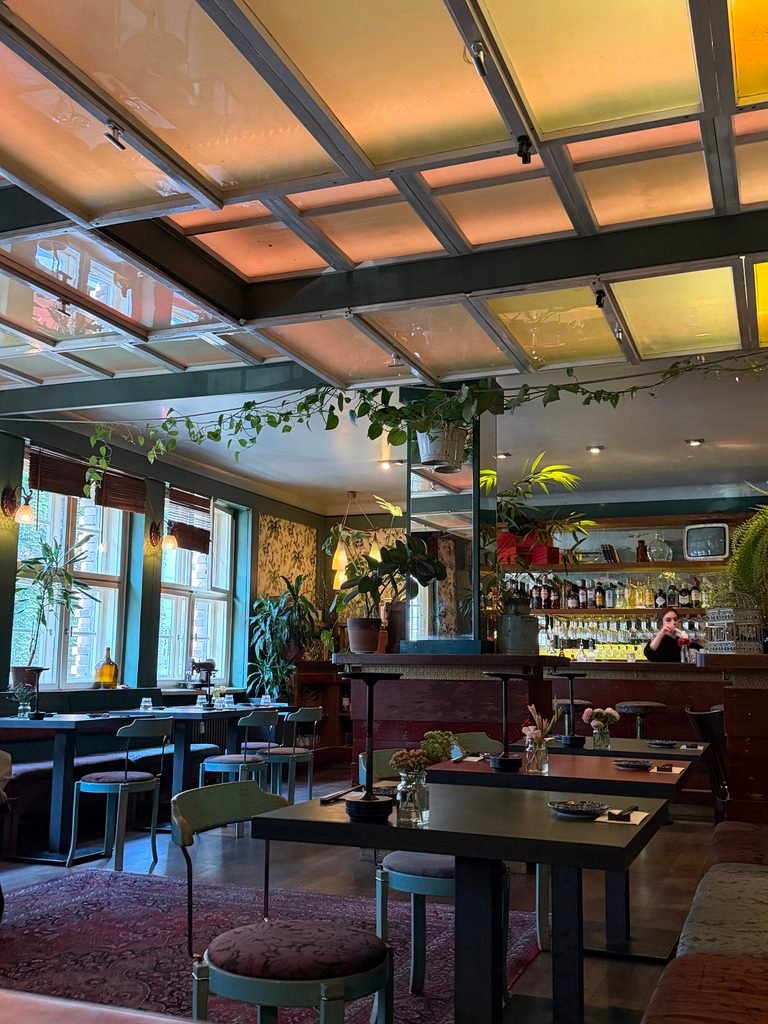
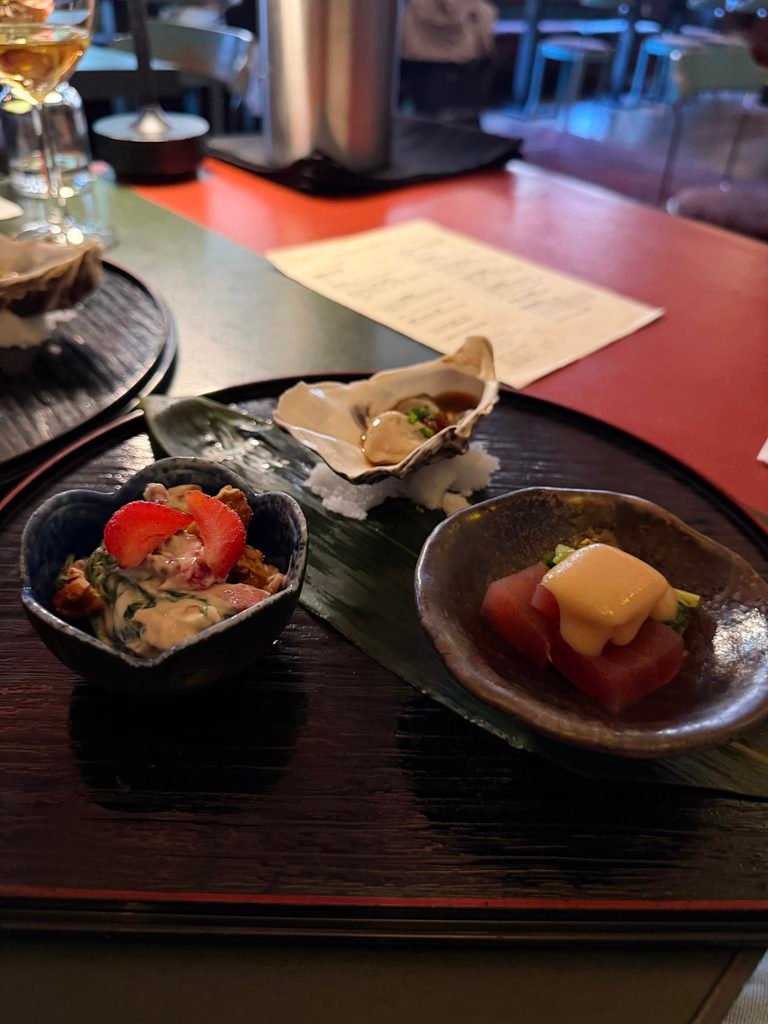
What stood out most was the pacing. Izakaya style dining lives or dies on how well a kitchen manages the flow of small plates arriving at the table, too fast and the meal feels chaotic, too slow and the energy drops. Candyman Izakaya got that balance right, keeping the table moving at a pace that matched the mood of the room without ever feeling rushed. It is exactly the kind of newer opening that suggests Berlin’s dining scene still has plenty of room to keep evolving beyond its already established favorites.
Small Wine Bars Worth Seeking Out
Berlin’s best wine drinking often happens in spaces far smaller and less polished than its top restaurants, and two spots in particular are worth building an evening around rather than treating as a quick stop. Both reflect a broader shift in the city’s drinking culture over the past decade, away from large, conventional wine lists and toward smaller, personally curated selections built around individual producers rather than recognizable regional names alone.
Der Kleine August
Der Kleine August is exactly the kind of neighborhood wine bar that makes Berlin’s small bar scene so rewarding, unpretentious, focused, and clearly run by people who care deeply about what they are pouring. The list leans toward smaller, more interesting producers rather than the safer, more recognizable names that dominate bigger restaurant lists, and the format encourages exactly the kind of slow, unhurried evening that a good wine bar should. Go without a fixed plan, let the staff guide the order of what you drink, and settle in.
Weinladen
Weinladen, true to its straightforward name, a wine shop, operates with the same casual, focused energy, pairing a well chosen bottle list with the kind of relaxed, low key atmosphere that makes it easy to lose track of time. It is a good complement to Der Kleine August on a wine focused evening, different enough in character to be worth visiting both rather than picking just one, and close enough in spirit that moving between them feels like a natural progression rather than a compromise.
Beyond the Table: Berlin’s History Up Close
Given how much of this city’s food and drink scene traces directly back to its Cold War division, it feels wrong to write a Berlin guide without pointing toward the handful of activities that let you experience that history directly rather than just read about its effects on the restaurant scene.
Underground Berlin: A Cold War Tunnel Tour
Beneath the city’s streets sits a genuinely extensive network of bunkers, tunnels and underground infrastructure built up across the Nazi era and then further expanded and repurposed during the Cold War, when both East and West Berlin invested heavily in civil defense and covert infrastructure directly beneath a divided city. Guided tours through sections of this underground network, run by organizations dedicated specifically to preserving and interpreting it, walk through old air raid shelters, Cold War era civil defense bunkers, and in some cases tunnel sections tied to escape attempts between East and West.
It is a genuinely disorienting experience, walking beneath streets you have already spent a day above ground exploring, and realizing how much of the city’s Cold War tension played out in spaces most visitors, and most Berliners today, never see. Booking ahead is essential, since group sizes are kept deliberately small and specific tour routes sell out, particularly during peak travel months.
Tempelhof Airport: From Airlift to Cold War Intelligence Hub
Tempelhof deserves far more attention than it typically gets on a first time visitor’s itinerary. Built under the Nazi regime as one of the world’s largest airport terminals at the time, it became the central lifeline of West Berlin during the 1948 to 1949 Berlin Airlift, when Allied aircraft flew in food and supplies around the clock to keep the isolated western half of the city functioning through a Soviet blockade. That history alone would justify a visit, but Tempelhof’s story continues well past the airlift.
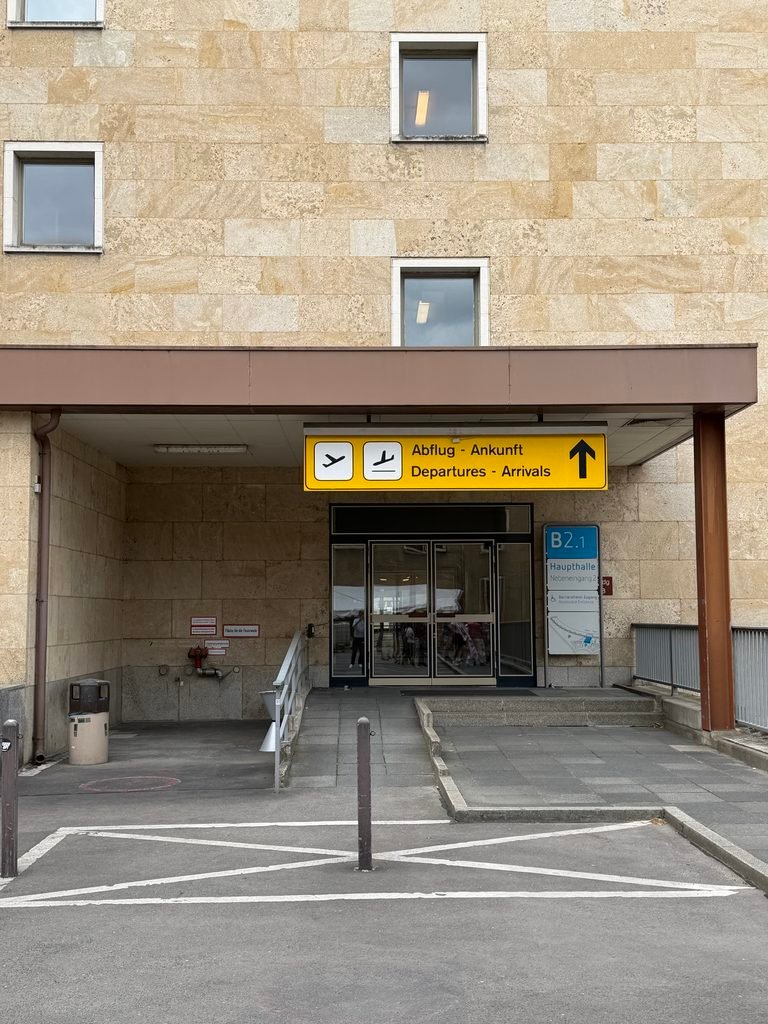
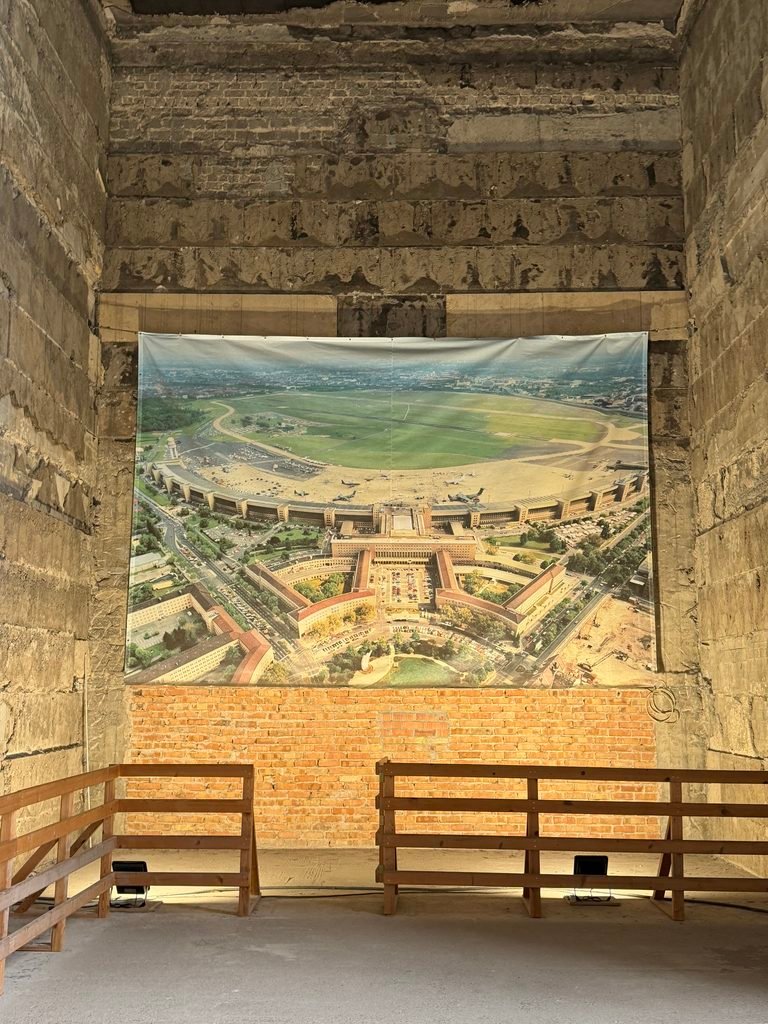
Under American administration for decades afterward, the airport and its surrounding facilities took on a significant intelligence function during the Cold War, with sections of the site tied to American military and intelligence operations monitoring East German and Soviet activity from directly inside the divided city. Guided tours of the terminal building now walk through these layered histories directly, from the airlift era hangars to the more secretive administrative areas that supported the site’s later intelligence role, and the sheer scale of the building, all curved concrete and cavernous, half empty halls, gives the visit a genuinely eerie, cinematic quality even before the guide starts explaining what specific rooms were once used for.
The airfield itself closed to commercial flights in 2008 and has since been converted into one of Berlin’s largest public parks, Tempelhofer Feld, making it entirely possible to combine a guided history tour of the terminal with an afternoon walk, run or picnic across the old runways, now reclaimed by the city’s residents in a way that feels distinctly Berlin.
The Stasi Museum: East Germany’s Secret Police, Up Close
Housed in the former headquarters of the Ministry for State Security, the East German secret police better known as the Stasi, this museum in Lichtenberg offers one of the most direct, unfiltered looks at Cold War surveillance culture available anywhere. The building itself, preserved largely as it was left, including the office of longtime Stasi chief Erich Mielke, gives the visit an immediacy that a purely curated exhibition space elsewhere in the city could not replicate.
Exhibits walk through the sheer scale of the surveillance apparatus the East German state built around its own population, informant networks, surveillance technology disguised inside everyday objects, and the bureaucratic machinery required to monitor a population at this scale. It is a sobering visit, and a genuinely important complement to the more celebratory, reunification focused narrative that dominates much of Berlin’s other Cold War era tourism. Understanding what East German life actually involved under this level of state surveillance adds real weight to everything else on this list, including why so much of the city’s rebuilding after 1990 took the uneven, improvised shape it did.
Berlin’s Christmas Markets
For a trip timed to the winter months, Berlin’s Christmas markets are worth building an entire evening around, a tradition that predates the Cold War entirely but has become an essential part of the city’s modern identity regardless. Markets spring up across multiple squares and neighborhoods through late November and December, each with its own character, some leaning more traditional with classic wooden stalls and mulled wine, others taking a more contemporary, design forward approach to the same format.
Gluhwein, mulled wine served warm in a mug you often get to keep as a small souvenir, is the obvious drink of choice, and it pairs naturally with the kind of grilled sausage and roasted chestnut stalls that fill out most of these markets. Given how much of this guide focuses on wine, it is worth noting that a good Gluhwein, made from a genuinely decent base wine rather than the cheapest bottle available, is a completely different and far more enjoyable drink than the syrupy, overly sweet versions sometimes found at the more tourist oriented stalls. Seek out markets with a reputation for taking their Gluhwein seriously, and the whole experience improves considerably.
From Vineyard to Glass: How Berlin Connects Back to German Wine Country
One thing that stands out once you start paying attention to Berlin’s wine lists is how directly they connect back to Germany’s own wine regions, rather than defaulting to the French and Italian names that dominate so many international restaurant lists. For anyone with a particular soft spot for Spatburgunder and Riesling, as I have, Berlin turns out to be a genuinely rewarding city to drink in.
Spatburgunder, Germany’s name for Pinot Noir, has undergone a real quality revolution over the past two decades, and the better bottles now regularly draw comparisons to serious Burgundy at a fraction of the price. The Ahr, a small, steep sided valley region not far from Bonn, has built its entire modern reputation around Spatburgunder, its dark slate soils and unusually favorable microclimate for a region this far north producing wines with real depth and structure. Baden, further south along the Rhine, has become the other major Spatburgunder stronghold, generally producing slightly riper, fuller bodied expressions than the more mineral driven Ahr style. Both regions show up with some regularity on the more serious lists around Berlin, and Weinlobbyist in particular tends to carry a genuinely thoughtful range of both styles side by side, which makes it an easy place to taste the stylistic difference between the two regions in a single sitting.
Riesling tells an even bigger story, since it remains Germany’s most internationally recognized grape and the one most closely tied to the country’s overall wine reputation. Mosel, with its dramatic, near vertical slate vineyards above the river, tends to produce the lighter, more racing, high acid style of Riesling that pairs particularly well with the kind of precise, ingredient forward cooking found at a restaurant like Peter Paul. Rheingau, further east, generally leans a touch riper and more structured, while the Pfalz, Germany’s warmest major wine region, produces some of the country’s fullest bodied, most food flexible Rieslings, closer in style and weight to a Rieslings from Alsace just across the border.
Der Kleine August and Weinladen, true to their smaller, more personally curated format, are particularly good places to find lesser known Spatburgunder and Riesling producers that never make it onto larger, more conventional restaurant lists. Because both bars are run around individual taste rather than a broad, safe selection built for a wide audience, they tend to carry the kind of small, low intervention producers that reward genuine curiosity rather than simply reaching for a familiar regional name. Asking directly for a Spatburgunder from the Ahr or a dry, mineral driven Riesling from the Mosel at either bar is a reliable way to end up with something genuinely interesting in the glass, often from a producer worth remembering and seeking out again.
That connection between the glass in front of you and a specific hillside a few hours outside the city is, to me, one of the more underrated reasons to spend serious time on Berlin’s wine scene rather than treating it as a secondary stop behind the restaurants and beer gardens. The city sits close enough to some of Germany’s most important wine regions that a well curated Berlin wine list functions almost as a tasting map of the country’s best vineyards, condensed into a single evening.
Berlin’s Classic Beer Gardens
No Berlin guide would be complete without acknowledging the city’s beer garden culture, a tradition that runs deeper here than in most German cities outside Bavaria, and two in particular remain genuine favorites.
Naumanns
Naumanns brings the classic beer garden format into a proper neighborhood setting, the kind of spot that fills with locals rather than visitors on a warm evening. It delivers exactly what a good beer garden should, cold beer, simple, satisfying food, and enough outdoor seating to make an evening stretch on comfortably as the light fades. There is nothing complicated about what Naumanns is trying to do, and that clarity of purpose is exactly what makes it work. Order a beer, grab a table under the trees, and let the evening unfold without much of a plan beyond that.
Cafe am Neuen See
Cafe am Neuen See, set beside the small lake inside Tiergarten, is the more iconic of the two, and for good reason. Few beer gardens anywhere combine this much greenery, water, and genuine city center convenience in a single spot. Rowboats drift across the lake while the beer garden fills with a mix of locals and visitors, and there are few better ways to spend a warm Berlin evening than a cold beer here as the sun goes down over the water.
The setting does a lot of work here that a beer garden without water access simply cannot replicate. Renting a rowboat before settling in for a beer, or simply watching others do so from a shaded table, gives the whole visit an unhurried, almost holiday like quality despite sitting only minutes from the middle of a major European capital. It gets busy, particularly on weekends, but that energy is part of the appeal rather than a drawback, and arriving with the expectation of sharing the space with plenty of other people looking to do exactly the same thing makes the whole experience easier to enjoy.
How to Think About a Berlin Food Itinerary
Unlike a city built around a single obvious dining district, Berlin rewards a trip planned around neighborhoods rather than a fixed list of must visit addresses. Mitte carries most of the city’s fine dining weight, Peter Paul and Katz Orange both sit within easy reach of each other there, while Prenzlauer Berg has quietly become the city’s strongest wine bar neighborhood, home to spots like Der Kleine August and within easy walking distance of several others worth discovering on your own. Neukolln, further south, leans younger and more experimental, a good area to wander through on a night without a fixed plan.
That geographic spread means a Berlin trip benefits from resisting the urge to cram every recommendation into a single tight loop. Spend one evening in Mitte around a serious dinner, another working through Prenzlauer Berg’s wine bars at a slower pace, and build beer garden visits around whichever day has the best weather rather than forcing them into a fixed schedule. The city’s public transport makes this kind of loosely structured, neighborhood by neighborhood approach easy to execute without losing much time moving between areas.
Practical Notes for Planning Your Own Trip
- Book Peter Paul and Katz Orange well in advance, particularly for weekend dinners. Both have built strong enough reputations that walk in availability is limited.
- Berlin’s beer garden season runs roughly from late April through September, with Cafe am Neuen See and Naumanns both busiest on warm weekend evenings. Arriving earlier in the evening improves the chance of good outdoor seating.
- Der Kleine August and Weinladen both work best treated as a slow, extended stop rather than a quick single glass visit. Neither is the kind of place to rush through on the way to dinner elsewhere.
- Candyman Izakaya and Kink both suit a more spontaneous evening better than Peter Paul or Katz Orange, useful to know if your trip has some unplanned nights built into the schedule.
- Berlin’s public transport, the U-Bahn and S-Bahn network, makes it easy to combine a dinner in one neighborhood with a wine bar or beer garden in another over the course of a single evening, without needing a car or relying heavily on taxis.
- Book the underground Cold War tunnel tour and Tempelhof’s guided history tour well in advance, both run with limited group sizes and sell out quickly during peak season.
- The Stasi Museum works well as a half day activity paired with a walk around Lichtenberg, a neighborhood most visitors otherwise skip entirely.
- If visiting for the Christmas markets, plan the trip for late November through December, and treat the Gluhwein quality itself as a factor worth researching before picking which market to prioritize on a limited schedule.
Final Thoughts
Berlin rewards exactly the kind of loosely structured trip its own history left behind, a serious dinner at Peter Paul or Katz Orange, a wine focused stop at Weinlobbyist, Der Kleine August or Weinladen built around a genuinely good Spatburgunder or Riesling, a slow, unhurried beer garden evening at Naumanns or Cafe am Neuen See, and at least one afternoon spent underground, at Tempelhof, or inside the former Stasi headquarters, understanding exactly why the city ended up shaped the way it did. None of these places or experiences depend on each other, and none require a fixed itinerary to enjoy properly. Pick a mix across a trip, let the city’s slightly improvised energy set the pace, and Berlin will make a strong case for itself, as a food city and as a genuinely essential piece of twentieth century history, without needing much help from a guidebook.