Hong Kong: Omakase, Dai Pai Dong and a Speakeasy in an Old Prison
Hong Kong compresses an extraordinary range of eating and drinking into a genuinely small footprint. Within a few square kilometers, you can move from a quiet, precision-driven omakase counter to a chaotic, neon-lit outdoor kitchen shouting orders over the noise of a busy street, then finish the night in a speakeasy built inside the cell block of a former colonial prison. Few cities anywhere pack this much contrast into a single evening, let alone a single trip.
Part of what makes this possible is geography. Hong Kong Island and Kowloon sit close enough together, connected by a short harbor crossing, a tunnel, and an efficient metro system, that a single day can genuinely span a formal Cantonese lunch on one side of the water, an afternoon hike or a cable car ride up a mountain, and a completely different kind of dinner back on the other side, all without feeling rushed. Few cities of this density offer that kind of range within such tight travel times between stops.
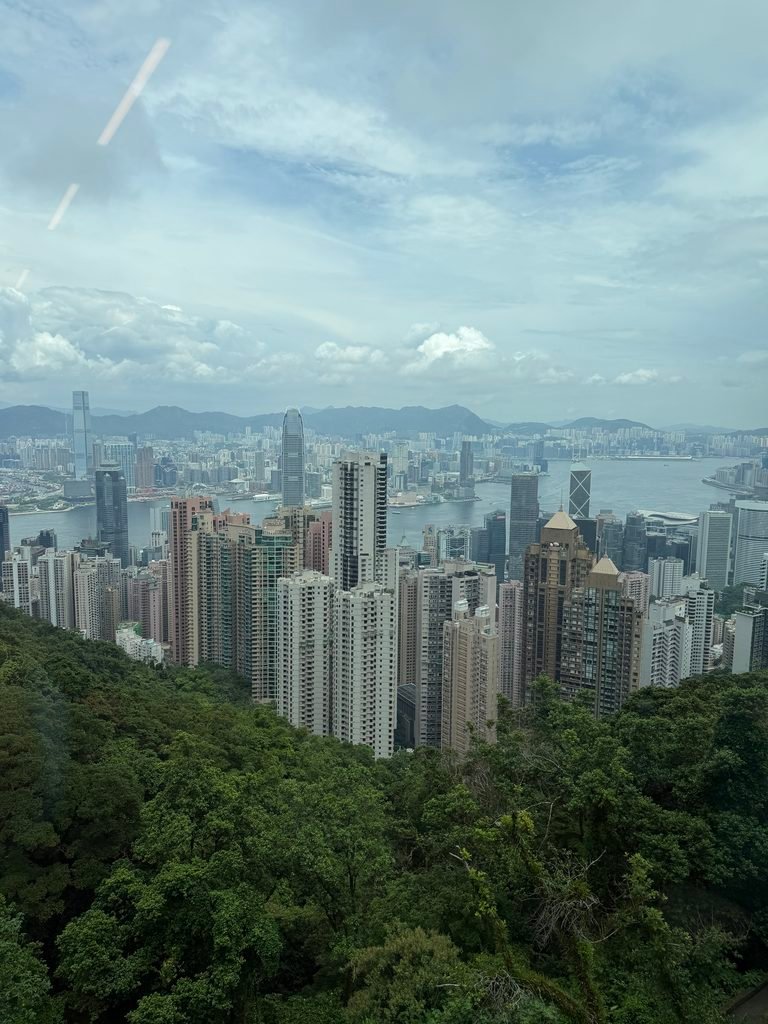
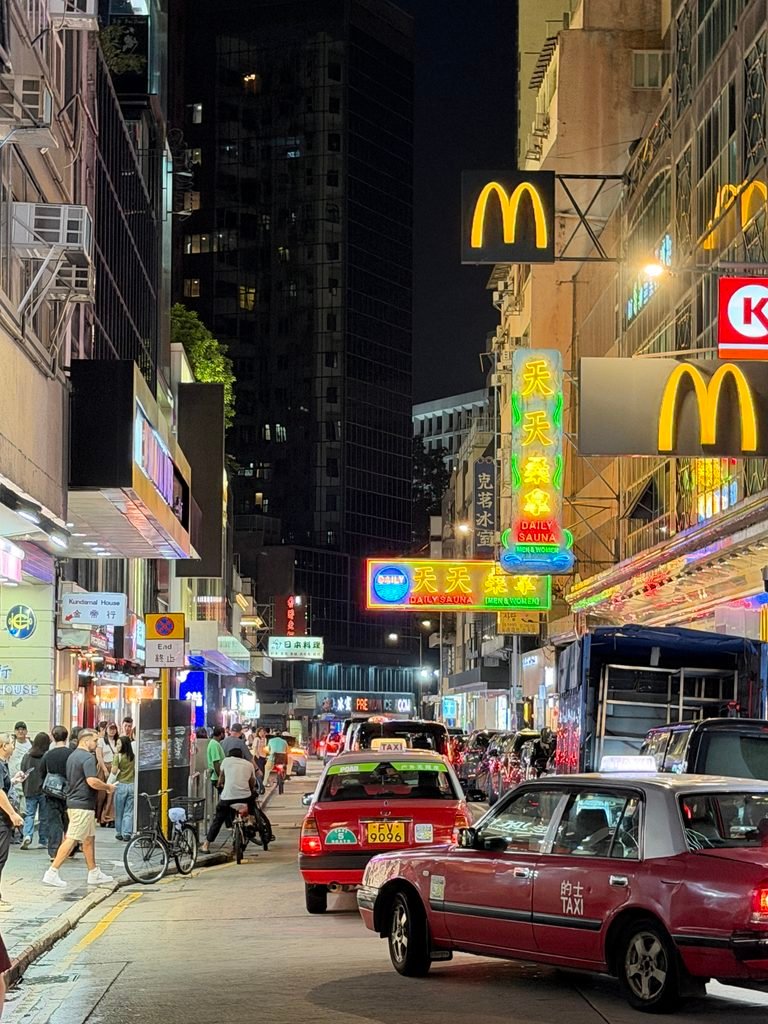
This guide covers the meals and moments that stood out most, alongside the handful of activities that give Hong Kong its unmistakable skyline and harbor energy, the kind of city where the view itself is as much a part of the trip as anything on the plate.
A Few Fun Facts About Hong Kong
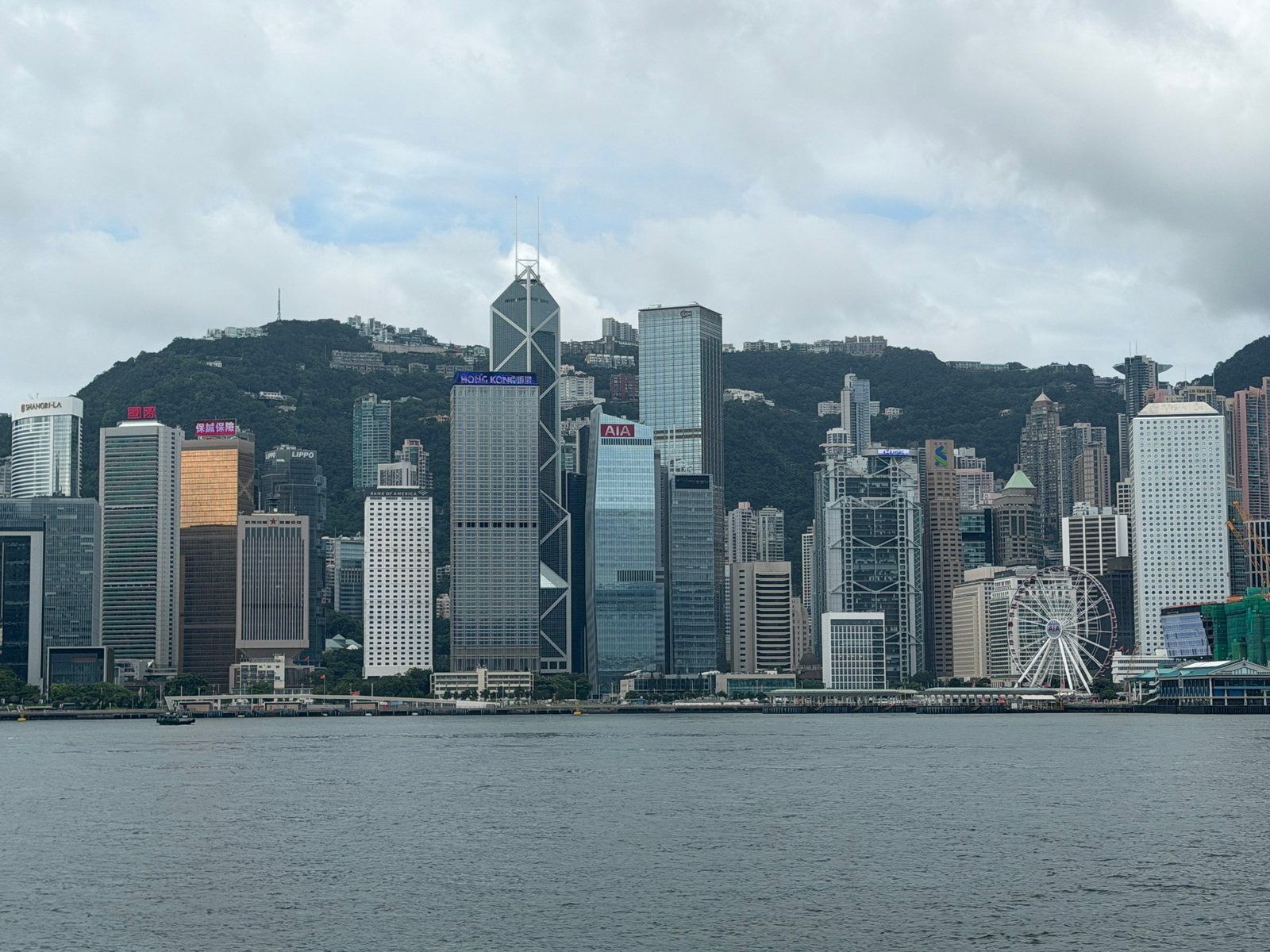
- Hong Kong has one of the highest numbers of skyscrapers of any city in the world, with more buildings over 150 meters tall than New York, a statistic that becomes obvious the moment you look out across the harbor at night.
- The territory operates under a One Country, Two Systems framework following the 1997 handover from British rule back to China, a legal and political arrangement that continues to shape daily life, business, and travel formalities differently from mainland China.
- Hong Kong’s tram network, the double-decker system running along the northern side of Hong Kong Island, has operated continuously since 1904, making it one of the oldest tram systems still in daily commercial operation anywhere in the world.
- The city is built on a genuinely dramatic mix of dense urban harbor front and steep, forested hillside, and Victoria Peak, the highest point on Hong Kong Island, sits only a short tram ride from some of the busiest streets in the territory.
- Hong Kong’s culinary identity blends Cantonese tradition with waves of international influence brought by traders, colonial administrators, and more recently a significant Southeast and East Asian expatriate population, which is part of why a genuinely excellent Korean restaurant sits comfortably alongside the city’s Cantonese classics rather than feeling out of place.
Where to Eat in Hong Kong
Hong Kong is one of those cities where a good bite is found almost anywhere. From local Cantonese food to international restaurants. A couple of our favourite restaurants in a bit more detail.
Sushi Taka: The Omakase Worth Booking Ahead For
Sushi Taka is best known for its full omakase experience, and it earns that reputation. This is precision-driven, chef-led dining in the strictest sense: a tightly controlled counter seating arrangement where the pace, the order, and the composition of each course are decided entirely by the chef rather than the diner, and the format rewards trusting that process completely.
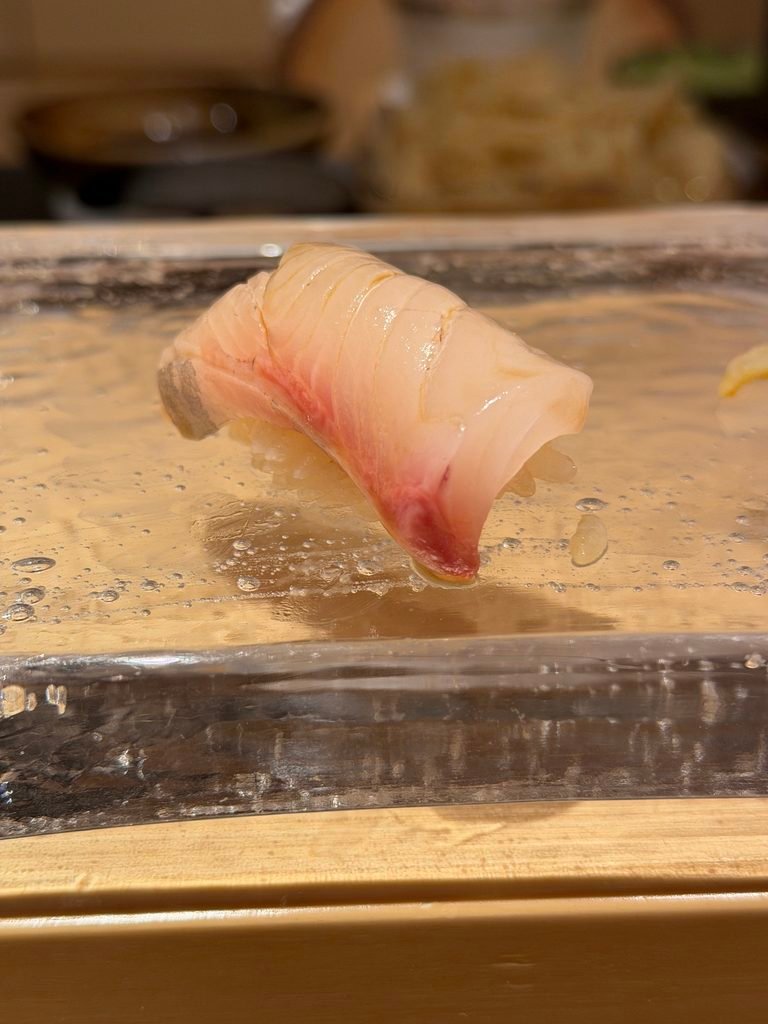
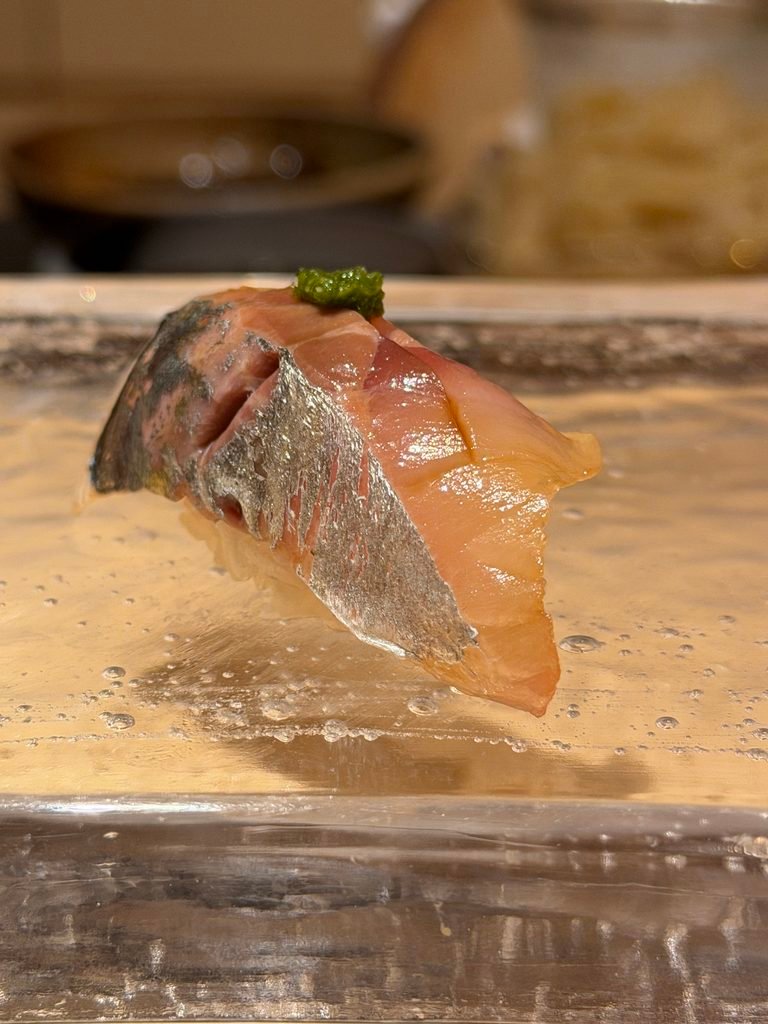
What stood out most was the consistency of the rice. Sushi lives or dies on the quality and temperature of the rice as much as the fish sitting on top of it, and Sushi Taka’s rice held its texture and seasoning course after course without ever becoming an afterthought to the more obviously impressive cuts of fish. The fish itself moved through a well-judged range, lighter, more delicate white fish early in the sequence, building toward richer, fattier cuts as the meal progressed, a structure that mirrors the way the best omakase counters anywhere in Japan sequence a meal.
The counter format itself is worth appreciating on its own terms. Sitting directly across from the chef, watching each piece assembled and placed in front of you within seconds of being finished, changes the relationship to the food entirely compared to a more conventional restaurant setting. There is no menu to study, no decision to second-guess, just a steady, unhurried sequence handed to you one piece at a time. For anyone who has only experienced sushi as a set menu ordered off a printed list, an evening like this recalibrates what the format is actually capable of.
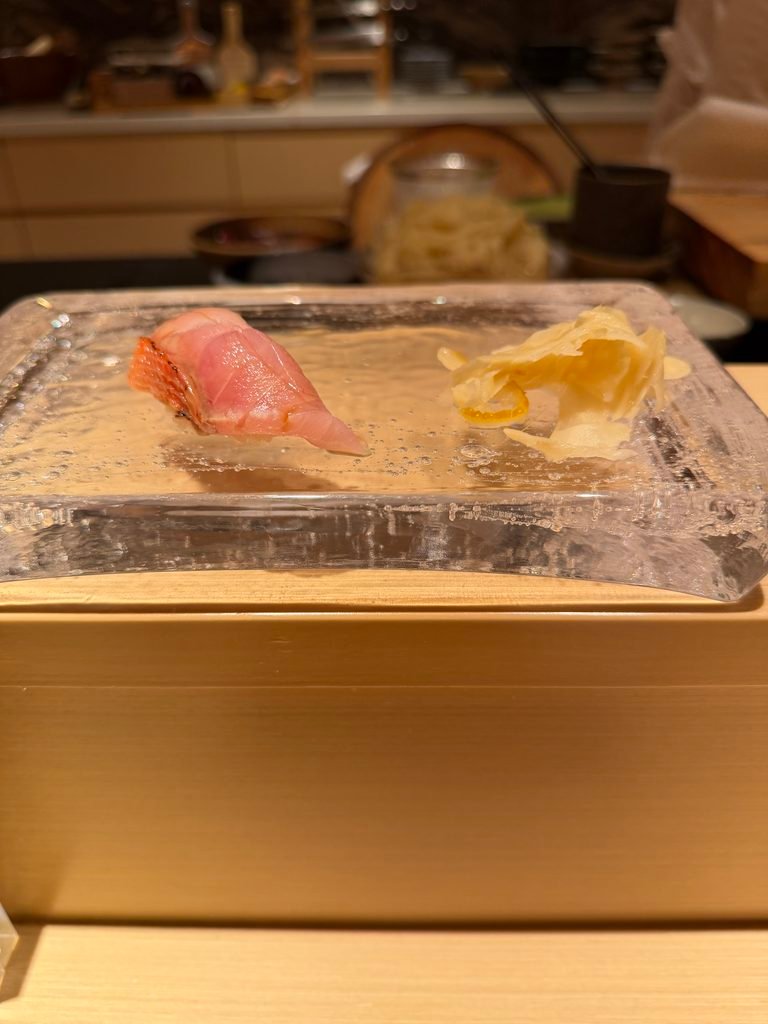
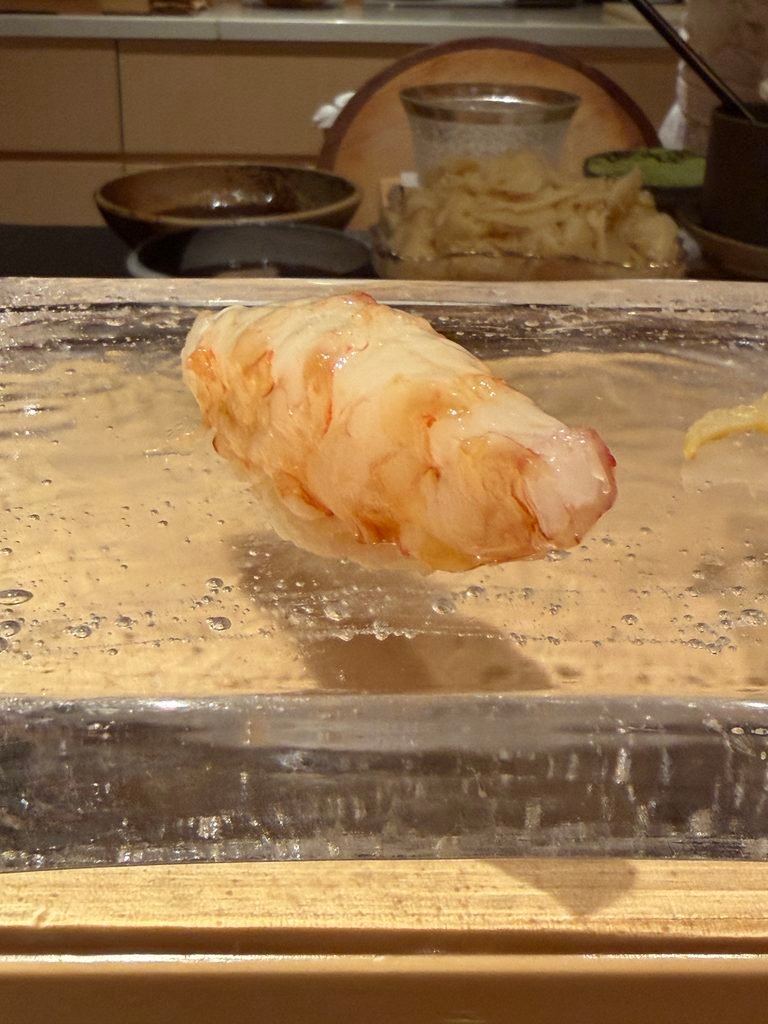
Seating is limited, as it should be for a format built around this level of individual attention, and booking well ahead of your trip is essential. This is not a restaurant to try to walk into on short notice.
Mott 32: Theatrical, Confident, and Genuinely Excellent
Mott 32 has built an international reputation, with locations now open in several cities around the world, but the original Hong Kong location remains the one to prioritize. The restaurant is built around a bold, almost theatrical take on modern Chinese cooking, set in a dramatic underground dining room that leans into a stylized, slightly gothic aesthetic rather than the more minimalist look many high-end Chinese restaurants have adopted elsewhere.
The food matches that confidence. The applewood-roasted Peking duck, carved tableside, is the dish most people come for, and it holds up to the hype, with genuinely crisp skin, well-rendered fat, and meat that stays properly moist underneath. But the rest of the menu deserves equal attention rather than getting treated as a supporting cast to the duck. Dim sum here pushes further than the classic, traditional versions found elsewhere in the city, taking familiar formats and reworking them with a more contemporary, occasionally playful hand, without losing the technical discipline that makes good dim sum good in the first place.
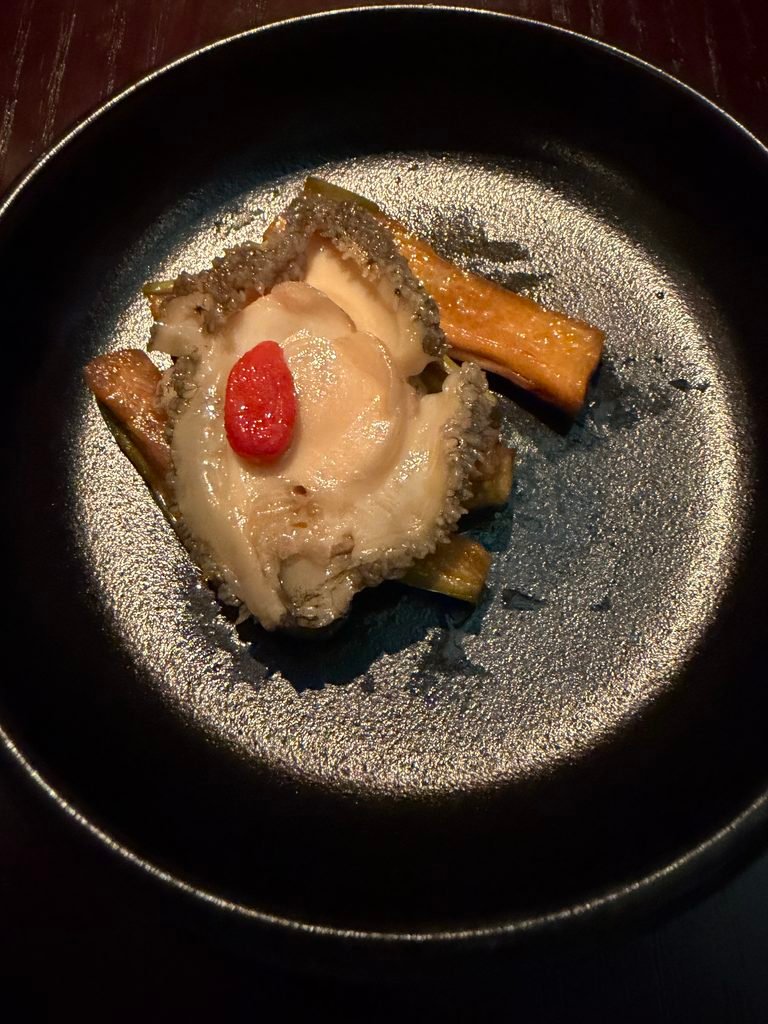
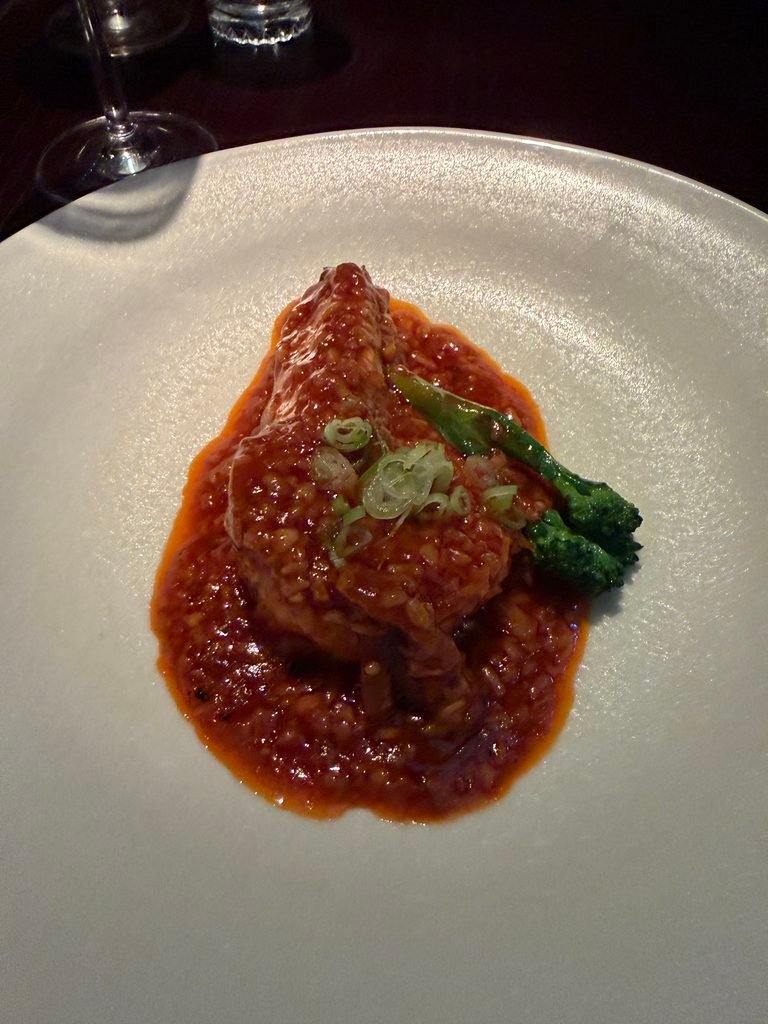
Mott 32 works well as a group dinner, since the format encourages sharing widely across a large table, and the room itself, all dark wood, dramatic lighting, and detailed decor, gives the evening a sense of occasion that suits a celebration or a special night out.
Busan Night: Korean Food Worth a Detour
It might seem like an unusual recommendation in a Hong Kong guide, but Busan Night earns its place. Hong Kong’s international character means genuinely excellent food from well beyond Cantonese and broader Chinese tradition shows up throughout the city, and Busan Night is a strong example of that range. The restaurant leans into traditional Korean cooking, grilled meats, well-made banchan, and the kind of communal, shared table format that suits a lively group dinner.
If a trip runs long enough to want a change of pace from Cantonese food without leaving the city, Busan Night is a genuinely good detour, a reminder that Hong Kong’s food scene rewards curiosity beyond the most obvious local specialties.
Tung Po Kitchen: Loud, Local, and Exactly What It Should Be
Tung Po Kitchen sits at the opposite end of the spectrum from Sushi Taka’s quiet precision, and that contrast is precisely the point. Set in North Point, this is a classic, boisterous dai pai dong style restaurant, plastic stools, communal tables, and a kitchen turning out big, punchy Cantonese seafood and stir-fried dishes at volume. The energy in the room is loud, chaotic in the best way, and unmistakably local, closer to how Hong Kong actually eats on a weeknight than almost anywhere on this list.
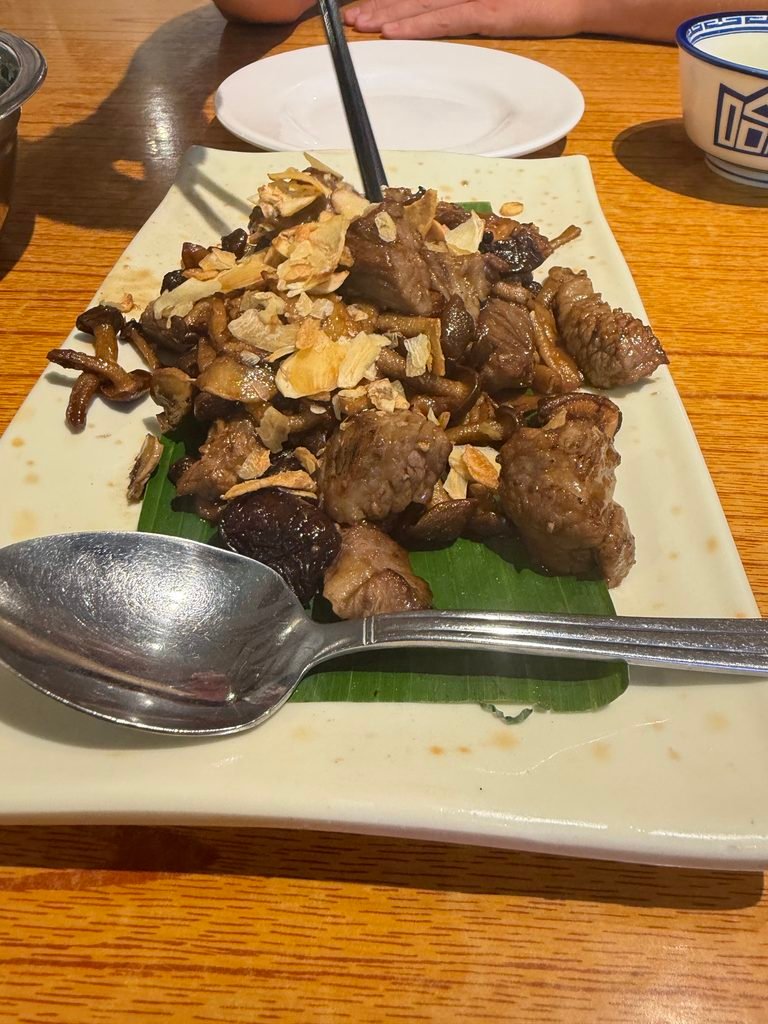
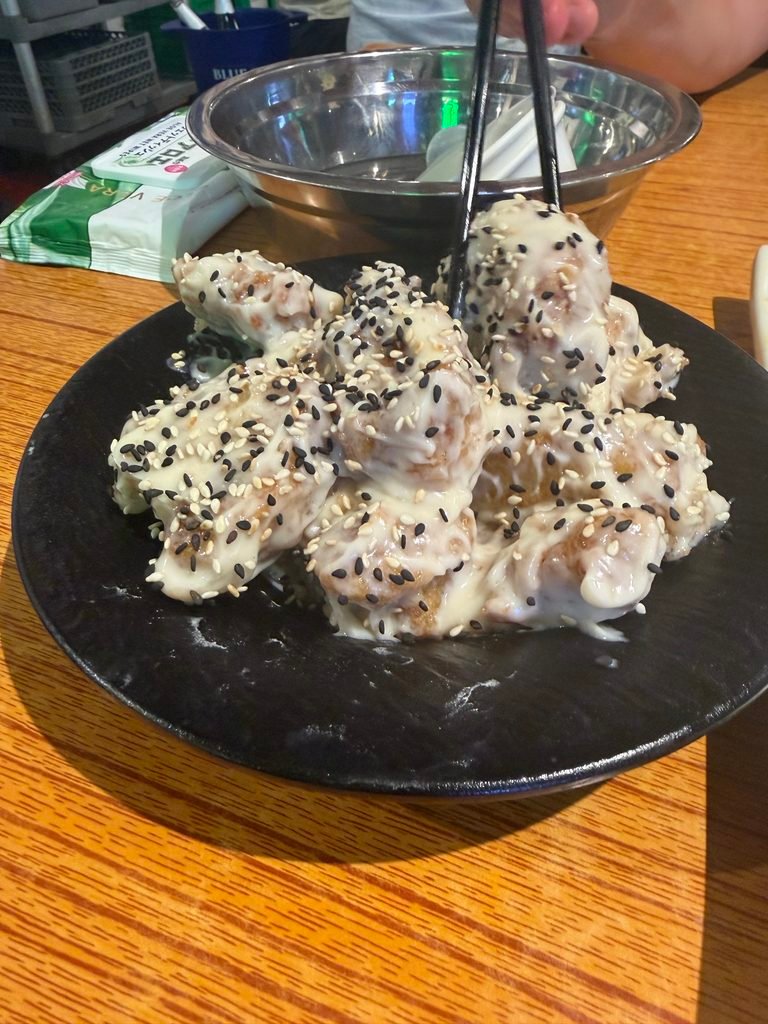
Order family style and order generously: seafood dishes, stir-fried greens, and whatever the kitchen is running as a special that night. This is not the place for a quiet, contemplative meal, and trying to make it one misses the point entirely. Go with a group, order more than feels necessary, and let the noise and pace of the room carry the evening.
Yat Tung Heen at Eaton HK: Refined Cantonese Done Properly
Yat Tung Heen, inside the Eaton HK hotel, offers a more composed, refined counterpoint to Tung Po Kitchen’s chaos. This is classic Cantonese fine dining, built around technique-heavy dishes like superior soup, whole fish steamed to precise timing, and dim sum executed with real discipline rather than volume in mind. The dining room matches that tone, elegant without tipping into stiff formality, and the service moves at a pace that suits a proper, unhurried Cantonese meal.
For a trip that includes both a wild night at Tung Po Kitchen and a refined evening at Yat Tung Heen, you end up with a genuinely complete picture of what Cantonese cooking can be, from its loudest, most communal expression to its most controlled and technically demanding.
Bar 001: A Speakeasy Inside an Old Prison
Few bars anywhere have a setting quite like Bar 001. Set within the historic Central Police Station compound, now preserved and repurposed as the Tai Kwun heritage and arts center, the bar occupies a space within the former prison complex, and the speakeasy format leans directly into that history rather than working around it. Exposed brick, low lighting, and a genuinely well-executed cocktail program combine with the building’s own layered past to create one of the more atmospheric drinking experiences in the city.
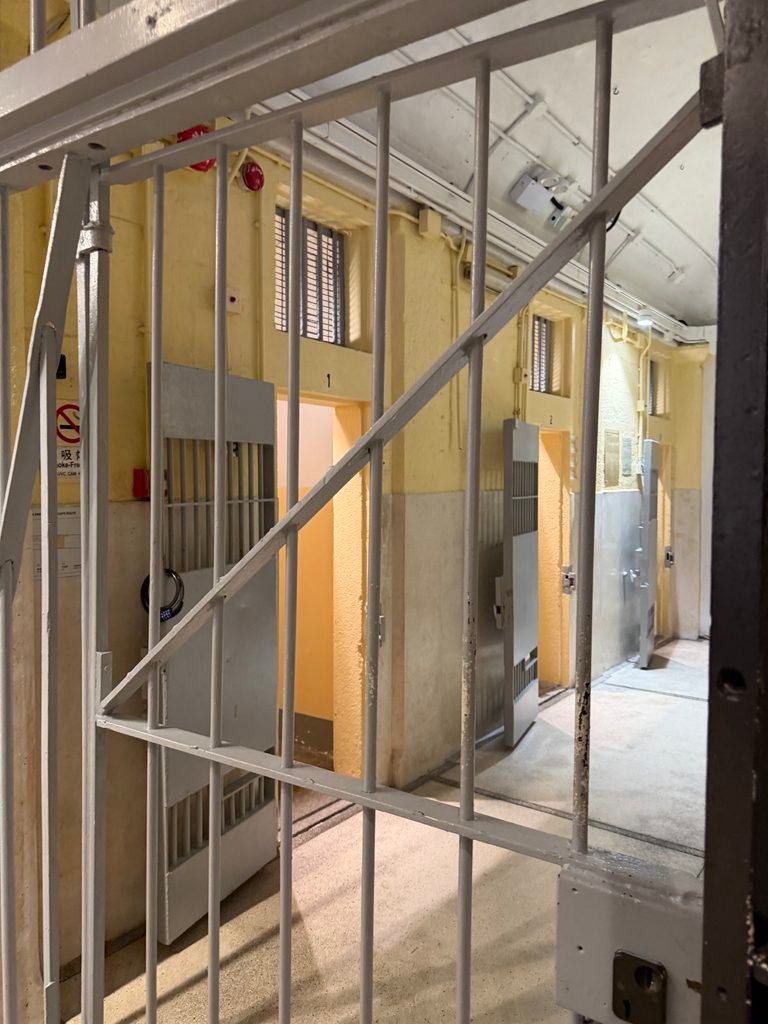
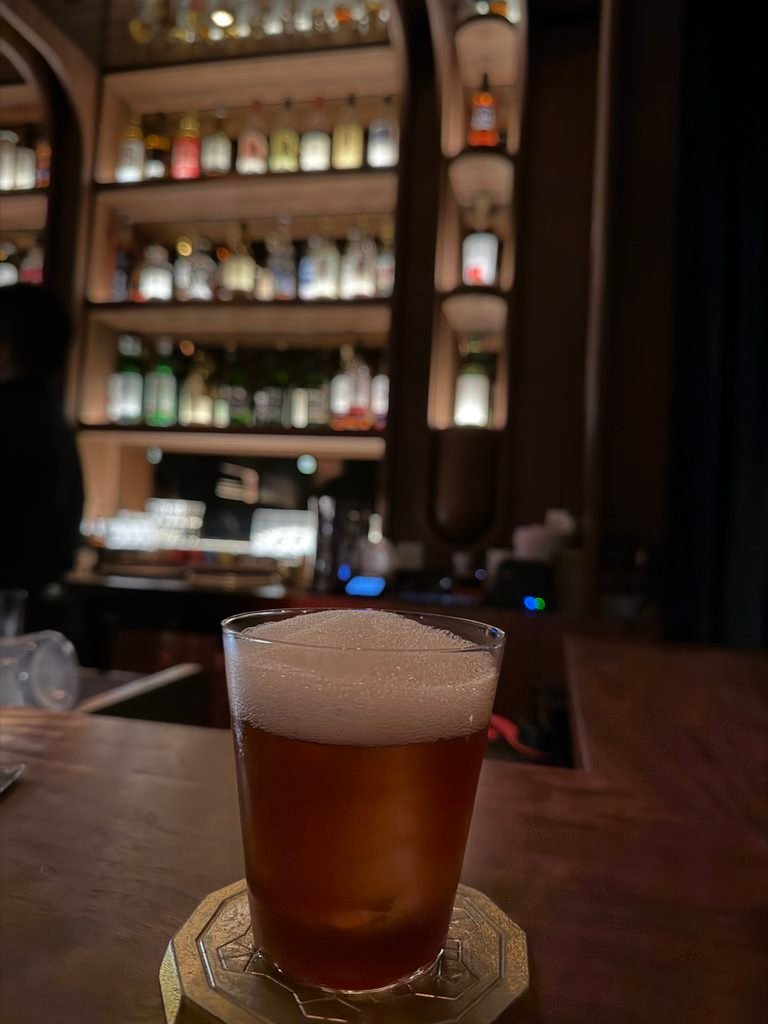
The compound itself, a cluster of colonial-era buildings that once housed the police station, magistracy and Victoria Prison, has been carefully restored, and Bar 001 makes the most of that setting rather than treating it as incidental. Walking through the wider Tai Kwun grounds before or after a drink adds another layer to the visit, since the complex now also houses art galleries, heritage exhibitions and additional dining options within the same restored buildings, making it easy to turn a single cocktail stop into a longer evening exploring one of the more unusual repurposed spaces in the city.
This is a bar worth building an evening around rather than treating as a quick stop, both for the cocktails themselves and for the genuinely rare chance to drink inside a space with this much specific, well-preserved history behind it.
What to Do in Hong Kong
Victoria Peak: The View That Defines the City
Victoria Peak remains the essential Hong Kong viewpoint, and no amount of familiarity with the skyline from photos prepares you for seeing it in person from this height. The peak tram ride up is part of the experience itself, a steep, historic funicular railway that has carried visitors and residents up the mountainside since the late nineteenth century, and the viewing platform at the top delivers exactly the sweeping harbor and skyscraper views the city is known for.
Timing matters here. Sunset and the transition into evening give the best of both worlds: daylight views over the harbor and outlying islands, followed by the skyline lighting up as darkness falls. Arriving with enough time to watch that transition happen, rather than rushing up for a single quick photo, makes the visit considerably more rewarding.
The Double Decker Tram: Hong Kong Island at Street Level
After taking in the skyline from above, the double-decker tram offers the opposite perspective: a slow, street-level ride along the northern edge of Hong Kong Island, operating in some form since 1904. Grab a seat on the upper deck, ideally near the front, and let the tram carry you through a cross section of neighborhoods, from the dense financial district through older, more traditional shopping streets, at a pace slow enough to actually take in the details a taxi or the metro would blur past.
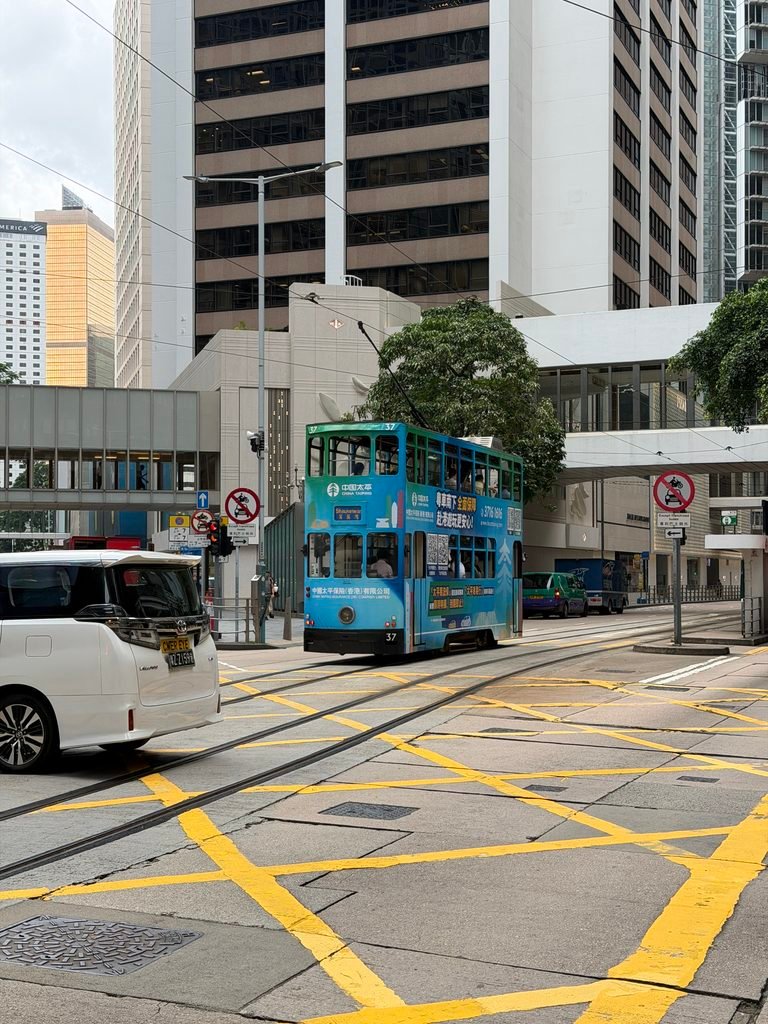
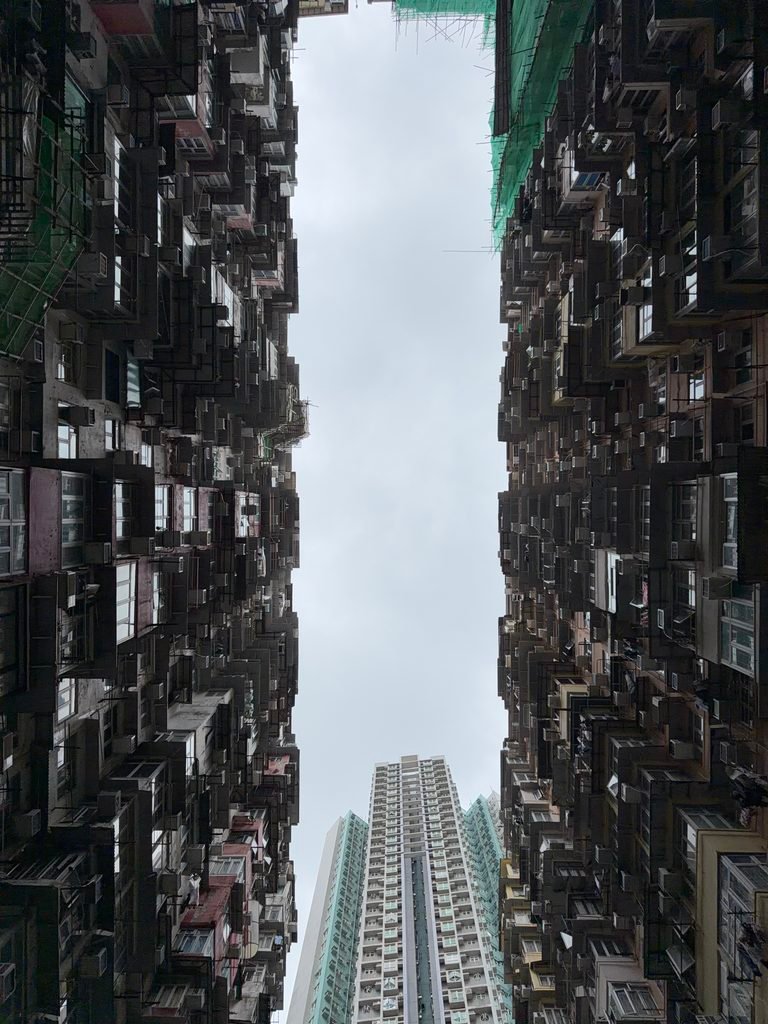
The fare remains remarkably cheap for what it offers, a fact that seems almost out of step with how expensive so much of the rest of the city can be, and that low barrier to entry makes it easy to hop on and off multiple times over the course of a trip rather than treating it as a single, one-time activity. This is a genuinely cheap, low-effort way to see a meaningful stretch of the island, and it works particularly well as a transitional activity between other stops, a way to physically cover ground while resting from a day of walking rather than treating transport purely as dead time between destinations.
The Symphony of Lights
Hong Kong’s nightly light show over Victoria Harbour, synchronizing building facades on both sides of the water with music and narration, has become one of the city’s signature evening activities, and it holds up despite its long-running, well-known status. Watching it from the Tsim Sha Tsui waterfront on the Kowloon side gives the best angle on the full Hong Kong Island skyline participating in the display, though the Central side offers a different, closer perspective worth trying on a return visit.
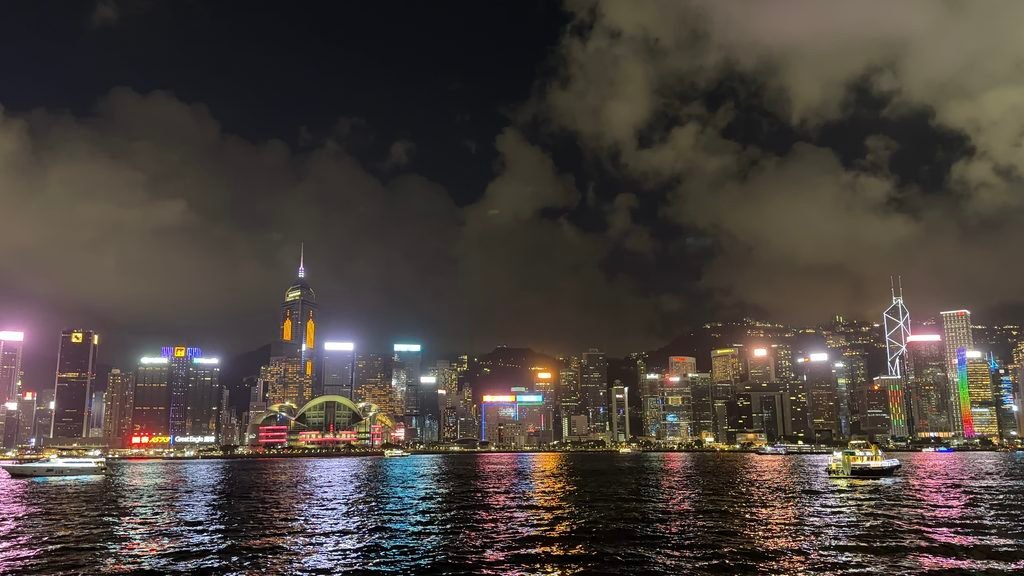
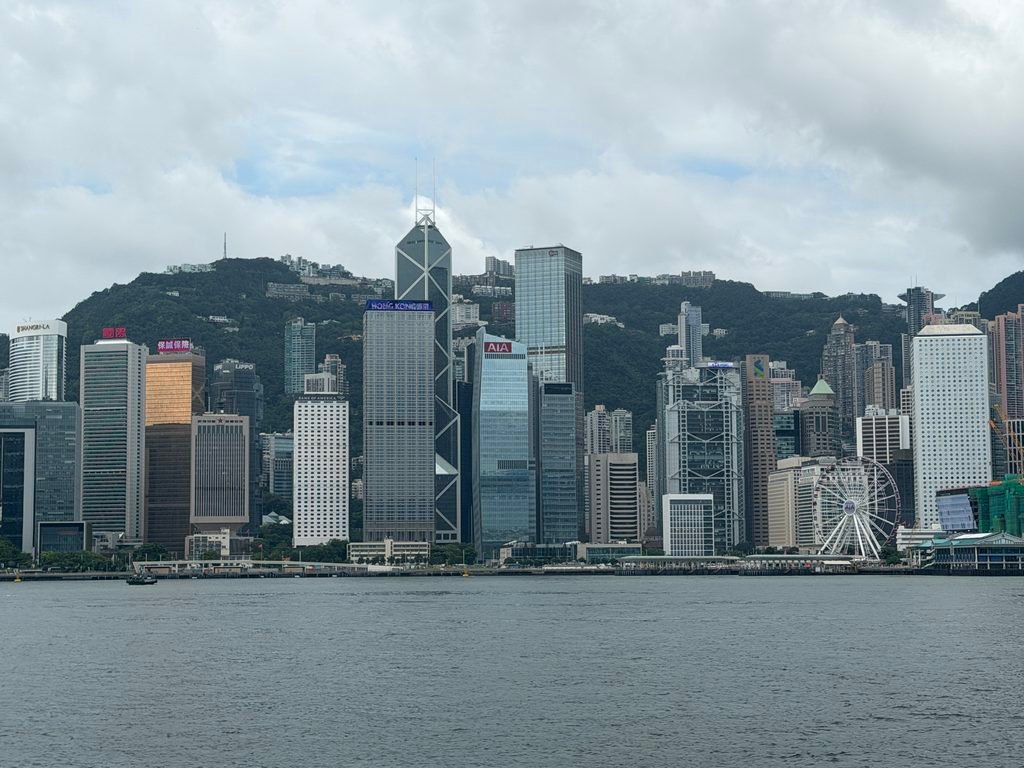
It is worth combining this with dinner or a drink somewhere along the harbor front, timing a meal or a cocktail to finish just as the show begins, rather than treating it as a standalone stop that requires backtracking later in the evening.
A Few More Worth Adding
A handful of other stops rounded out the trip and are worth folding into any Hong Kong itinerary. The Star Ferry crossing between Hong Kong Island and Kowloon remains one of the best value experiences in the city, a short, cheap harbor crossing that gives a completely different vantage point on the skyline than either the Peak or the waterfront promenades. Temple Street Night Market in Kowloon is worth an evening wander for its mix of street food stalls, fortune tellers, and general market chaos, a good contrast to the more polished parts of the city. For anyone with an extra half day, the Dragon’s Back hiking trail on the southern side of Hong Kong Island offers a genuinely excellent coastal and ridge walk, a reminder that Hong Kong’s hiking trails sit remarkably close to its densest urban areas, and Man Mo Temple in Sheung Wan gives a quieter, more contemplative stop among the incense coils and older architecture of one of the city’s original settled districts.
Practical Notes for Planning Your Own Trip
- Book Sushi Taka well ahead of arrival. Genuine omakase counters of this caliber run limited seatings, and availability tightens considerably during peak travel periods.
- The Peak Tram gets extremely busy during midday and around sunset. Arriving either earlier in the afternoon or accepting a longer queue at peak times is worth planning around, and tickets booked in advance online help skip some of the wait.
- Tung Po Kitchen does not take reservations for smaller groups in the same way a more formal restaurant would, and arriving slightly before the main dinner rush improves the odds of a shorter wait.
- The Symphony of Lights runs nightly at a fixed time, generally in the early evening, and checking the current schedule before planning a dinner around it avoids missing the start.
- Hong Kong’s public transport, the MTR in particular, is fast, clean, and easy to navigate even without much local knowledge, making it easy to combine a full day of activities across both Hong Kong Island and Kowloon without much wasted time.
Final Thoughts
Hong Kong rewards exactly the kind of range this guide covers, a quiet, controlled omakase meal at Sushi Taka, the theatrical confidence of Mott 32, the unfiltered energy of Tung Po Kitchen, and a drink inside a genuinely unique piece of the city’s colonial history at Bar 001. Add in the views from Victoria Peak, a slow tram ride along the island, and the nightly light show over the harbor, and a short trip here covers more contrast than most cities manage across an entire week.
The city works best when you let that contrast set the pace rather than trying to smooth it into a single consistent experience. A loud, cheap dinner one night and a precise, quiet one the next is not a compromise in Hong Kong. It is the whole point.